
In the evolving landscape of consumer finance, a new player has emerged as a disruptive force, fundamentally altering how millions of people approach purchasing and payment. Klarna, a Swedish fintech company, has rapidly become synonymous with the “Buy Now, Pay Later” (BNPL) movement, offering shoppers the flexibility to receive goods immediately and pay for them in installments over time. Far more than just a payment processor, Klarna positions itself as a comprehensive financial tool designed to simplify shopping, manage expenses, and provide a seamless transactional experience. Understanding Klarna is to understand a significant shift in consumer credit and a potent instrument in personal and business finance.
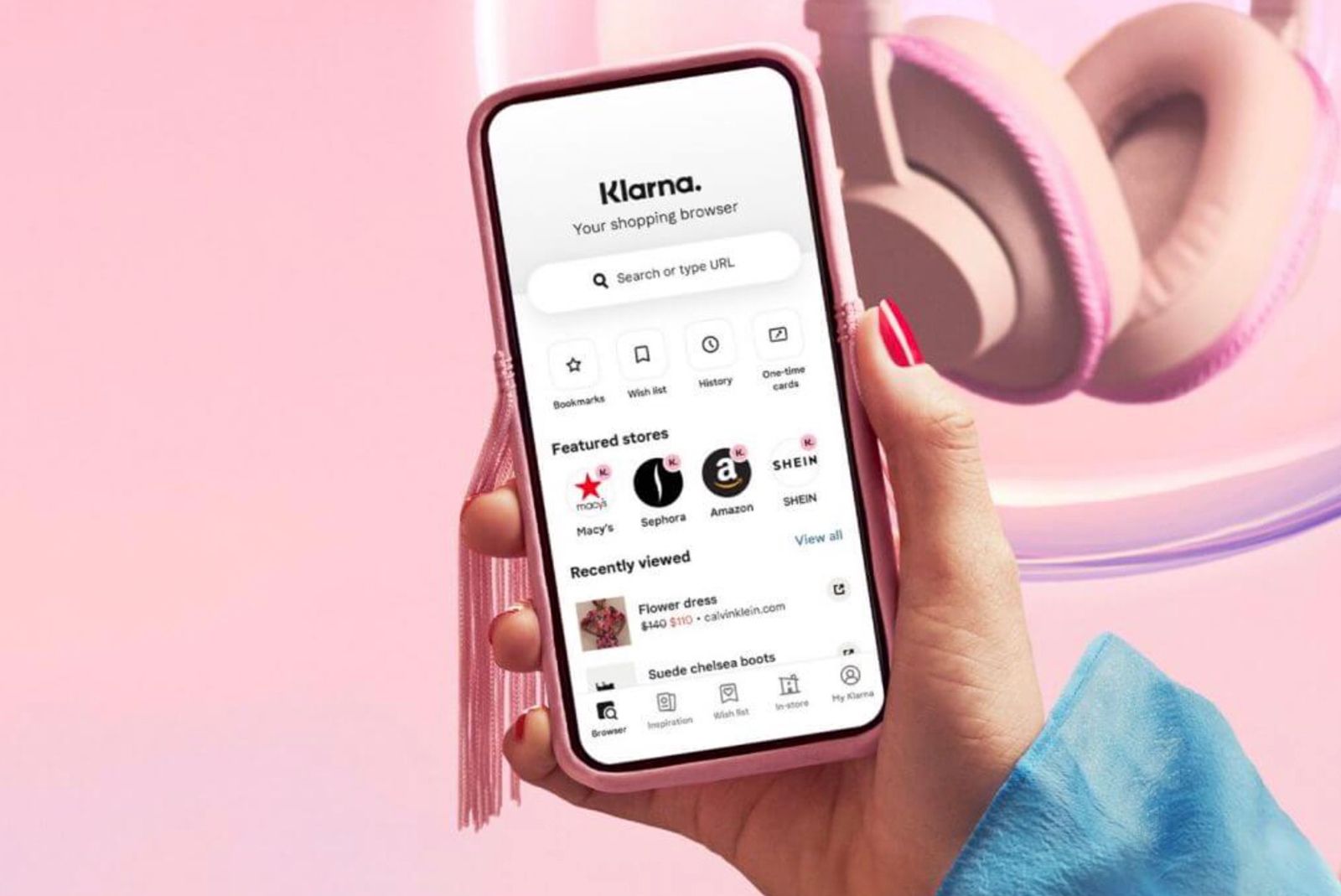
At its core, Klarna empowers consumers to make purchases without requiring immediate full payment, effectively acting as an alternative to traditional credit cards. It facilitates transactions by fronting the cost to the merchant, then collecting payments directly from the consumer according to an agreed-upon schedule. This model has resonated with a vast demographic, from those seeking greater financial flexibility to individuals wary of accumulating high-interest credit card debt. For merchants, integrating Klarna means unlocking new sales opportunities, boosting conversion rates, and appealing to a broader customer base looking for adaptable payment solutions.
The Mechanics of Buy Now, Pay Later (BNPL)
To truly grasp what Klarna is, one must delve into the operational intricacies of the Buy Now, Pay Later model it champions. Klarna has refined this approach, making it remarkably user-friendly for shoppers while providing substantial benefits to retailers.
How Klarna Works for Consumers
The consumer experience with Klarna is designed for simplicity and speed, whether shopping online or in-store. When a shopper selects Klarna at checkout, they are presented with several payment options, each tailored to different financial needs:
- Pay in 4: This popular option allows consumers to split their purchase into four interest-free payments, typically made every two weeks. The first payment is usually due at the time of purchase, with the remaining three installments following consecutively. This option is generally used for smaller to medium-sized purchases.
- Pay in 30: With this option, customers have up to 30 days to pay for their purchase in full, interest-free. This is ideal for those who want to try an item before committing to paying, or who need a short deferral period until their next paycheck.
- Financing: For larger purchases, Klarna offers longer-term financing plans, which can extend up to 36 months. These plans often involve interest, similar to traditional installment loans, but with potentially more competitive rates than some credit cards. Eligibility for these plans typically involves a more thorough credit assessment.
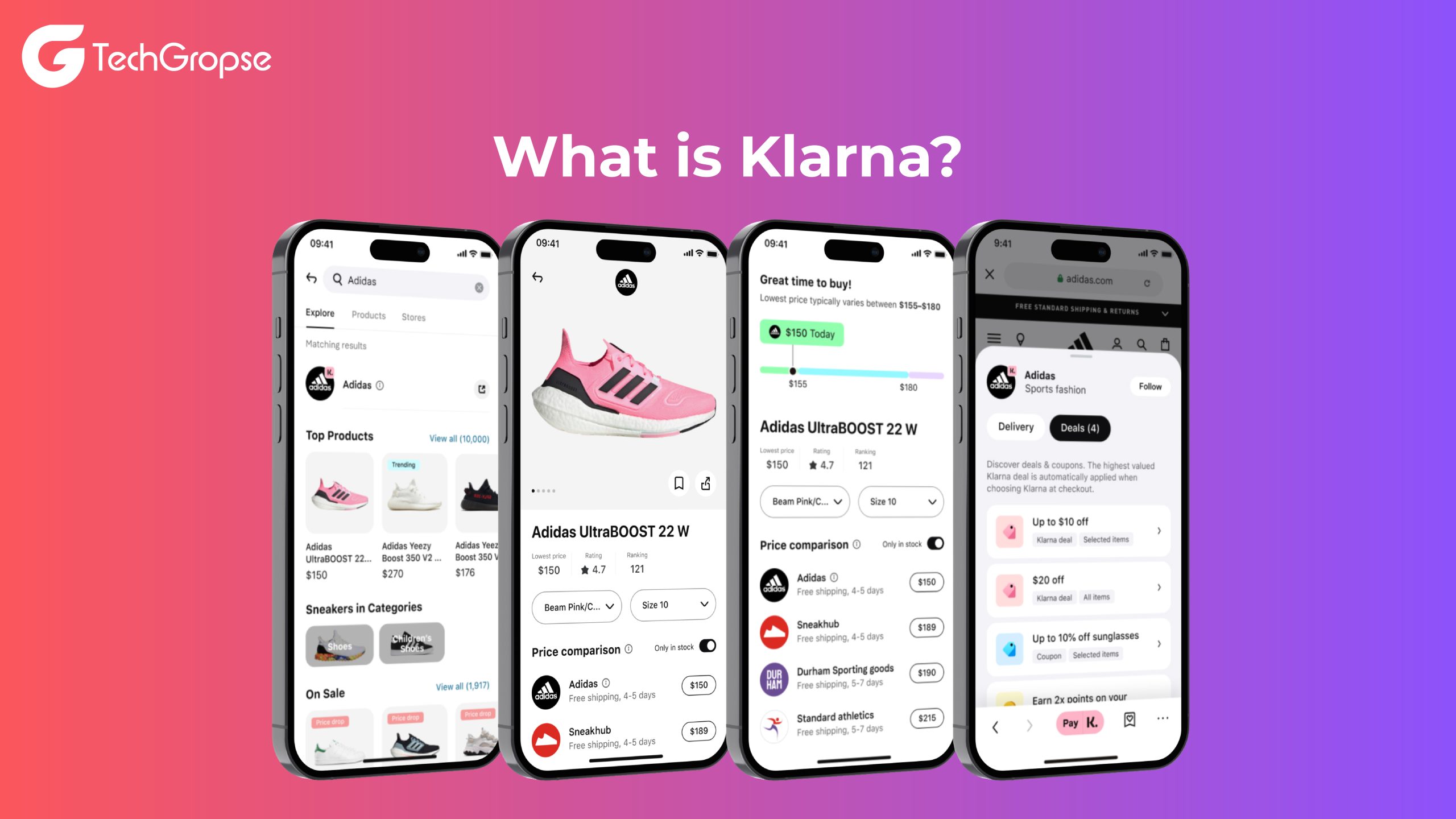
Throughout the process, Klarna performs a soft credit check for its shorter-term options (Pay in 4, Pay in 30), which does not impact the consumer’s credit score. For longer financing plans, a hard credit check may be conducted. The Klarna app serves as a central hub for users, allowing them to manage all their purchases, track payments, initiate returns, and even browse stores that accept Klarna.
How Klarna Works for Merchants
For businesses, Klarna offers a compelling proposition: increased sales and customer satisfaction without bearing the credit risk. When a customer chooses Klarna, Klarna essentially pays the merchant upfront for the full purchase amount (minus a transaction fee). This means merchants receive their money regardless of whether the customer makes their payments to Klarna on time.
The benefits for merchants are multi-faceted:
- Increased Conversion Rates and Average Order Value (AOV): By removing the barrier of immediate full payment, Klarna often encourages customers to complete purchases they might otherwise abandon. The flexibility can also lead to customers adding more items to their cart, boosting AOV.
- Reduced Cart Abandonment: Flexible payment options have proven effective in reducing the percentage of shoppers who leave a website without completing a purchase.
- Access to New Customer Segments: Klarna appeals to consumers who prefer not to use credit cards, those seeking interest-free alternatives, or younger demographics.
- Seamless Integration: Klarna provides easy-to-integrate APIs and plugins for various e-commerce platforms, making the setup process straightforward for businesses of all sizes.
- Risk Mitigation: Klarna assumes the credit and fraud risk associated with customer payments, freeing merchants from the complexities and potential losses of managing customer credit.
While merchants pay a fee for each transaction (typically a percentage of the sale plus a fixed fee), many find this a worthwhile investment given the demonstrable uplift in sales and customer loyalty.
Klarna’s Impact on Personal Finance
The advent of Klarna and other BNPL services marks a significant shift in personal finance, offering both considerable advantages and potential pitfalls for consumers. Understanding these facets is crucial for responsible financial decision-making.
Advantages for Consumers
For many, Klarna provides a valuable financial tool that enhances purchasing power and simplifies budgeting:
- Budget Management and Flexibility: Klarna’s interest-free installment plans can help consumers spread the cost of purchases without incurring additional charges, making it easier to manage cash flow. This is particularly useful for planned, larger expenses that might strain a single paycheck.
- Access to Purchases Without Immediate Full Payment: It enables individuals to acquire necessary items or enjoy desirable products without waiting to save the full amount, provided they can meet the installment obligations.
- Interest-Free Options: Unlike credit cards, Klarna’s short-term Pay in 4 and Pay in 30 options are genuinely interest-free if payments are made on time. This can be a significant saving compared to revolving credit card debt, especially for consumers who carry a balance.
- No Hard Credit Checks for Short-Term Plans: The soft credit checks used for these plans avoid impacting a user’s credit score, which is appealing to those building credit or those cautious about numerous credit inquiries.
Potential Pitfalls and Financial Risks
Despite its benefits, Klarna, like any financial instrument, carries inherent risks that users must be aware of to avoid financial distress:

- Overspending and Accumulating Debt: The ease of “buying now and paying later” can tempt consumers to make more purchases than they can comfortably afford. Juggling multiple BNPL plans across different services can quickly lead to an unmanageable debt load.
- Late Fees and Interest on Longer-Term Plans: While short-term plans are interest-free, missing a payment on any Klarna plan can result in late fees. Longer-term financing options inherently carry interest, which can accumulate if not managed diligently.
- Impact on Credit Score if Payments are Missed: While initial soft checks don’t affect credit, consistent missed or late payments, especially on financing plans, can be reported to credit bureaus and negatively impact a user’s credit score. This can hinder future access to loans, mortgages, or other forms of credit.
- The Temptation of Impulse Purchases: The psychological effect of not having to pay upfront can lower the perceived cost of an item, leading to impulse buying rather than careful financial planning.
- Lack of Traditional Credit Building: While some BNPL providers are starting to report positive payment history, Klarna’s short-term, interest-free options generally do not build a positive credit history in the same way a responsibly managed credit card does. This means it may not directly help improve a user’s credit score for future borrowing needs.
Responsible use of Klarna requires financial discipline and a clear understanding of one’s budget and payment capabilities.
Klarna in the Broader Financial Landscape
Klarna’s rise is not an isolated phenomenon but rather a prominent example of a broader shift occurring within the financial industry. It reflects changing consumer preferences and the innovative application of technology to traditional financial services.
The Rise of Buy Now, Pay Later
The emergence of BNPL services like Klarna represents a significant disruption to the traditional credit market, challenging the dominance of credit cards and installment loans. Several factors have fueled its rapid growth:
- Appeal to Younger Generations: Millennials and Gen Z, often wary of credit card debt or lacking established credit histories, find BNPL a more approachable and transparent alternative. The emphasis on fixed, interest-free installments resonates strongly with this demographic.
- Technological Advancement: Seamless integration with e-commerce platforms, user-friendly mobile apps, and sophisticated risk assessment algorithms have made BNPL services incredibly convenient and efficient.
- Economic Factors: Periods of economic uncertainty or rising inflation can make consumers more conscious of cash flow and more likely to seek flexible payment options.
- Competitive Landscape: Klarna operates in a highly competitive market, alongside other major players like Afterpay, Affirm, Zip, and PayPal’s Pay in 4. This competition drives innovation and continuous refinement of services, benefiting consumers.
BNPL has reshaped consumer expectations for payments, embedding flexibility as a standard feature in online and increasingly, in-store shopping experiences.
Regulatory Scrutiny and Consumer Protection
The explosive growth of BNPL services has not gone unnoticed by financial regulators worldwide. Concerns have mounted regarding consumer protection, particularly around the potential for accumulating excessive debt and the transparency of fees and terms.
Key areas of regulatory scrutiny include:
- Debt Accumulation: Regulators are investigating how BNPL services assess affordability and prevent consumers from taking on multiple loans across different providers, potentially leading to a spiral of debt.
- Clear Disclosures: There’s a push for greater transparency regarding late fees, interest rates on longer-term plans, and the consequences of missed payments, including their impact on credit scores.
- Lending Standards: Discussions are underway about whether BNPL providers should be subject to the same strict lending regulations as traditional credit providers, especially for their longer-term financing products.
- Consumer Redress: Ensuring that consumers have clear avenues for complaints and dispute resolution is another area of focus.
As the BNPL market matures, it is likely to face increasing regulation, aiming to strike a balance between fostering innovation and safeguarding consumer financial well-being. This will undoubtedly shape the future operations and offerings of companies like Klarna.
Is Klarna Right for You? Making an Informed Financial Decision
Ultimately, whether Klarna is a beneficial financial tool depends entirely on individual circumstances, spending habits, and financial discipline. It’s crucial to approach any new credit or payment option with careful consideration.
When Klarna Can Be Beneficial
Klarna can be a helpful resource under specific conditions:
- For Managing Large Purchases Without Interest: If you need to buy a significant item and have the cash flow to make the interest-free installments on time, Klarna can be a superior alternative to incurring credit card interest.
- As a Short-Term Budgeting Tool: When used strategically for specific purchases, Klarna can help spread costs and align payments with paychecks, aiding in short-term cash flow management.
- For Emergencies (with caution): In an unexpected situation where an essential purchase is needed and funds are temporarily tied up, Klarna can provide a short-term bridge, but this should be approached with extreme caution to avoid unnecessary debt.
- To Try Before You Buy: The “Pay in 30” option is excellent for testing items like clothing or electronics at home before committing to the purchase, allowing for easy returns without upfront payment.
Considerations Before Using Klarna
Before hitting “pay with Klarna,” ask yourself these critical questions:
- Assess Your Ability to Make Timely Payments: Can you comfortably afford all installments without straining your budget, even if an unexpected expense arises? Don’t rely on future income that isn’t guaranteed.
- Understand All Terms and Conditions: Read the fine print, especially concerning late fees, interest rates on financing plans, and what happens if you miss a payment.
- Don’t Overcommit to Multiple BNPL Plans: Be mindful of your total outstanding BNPL debt across different providers. It’s easy to lose track when payments are spread out.
- Monitor Your Spending and Financial Health: Regularly review your Klarna activity and integrate it into your overall personal financial tracking. Ensure you’re not using it as a crutch for overspending.
- Consider Alternatives: For long-term savings or significant purchases, compare Klarna’s financing options with personal loans, credit cards with 0% APR introductory offers, or simply saving up.
In conclusion, Klarna is a powerful and convenient financial tool that has revolutionized consumer payments, offering unprecedented flexibility and ease of use. For millions, it has become a preferred method of payment, simplifying budgeting and enabling access to goods. However, its convenience also harbors potential risks of overspending and debt accumulation if not managed with discipline and a thorough understanding of its terms. Like any financial instrument, Klarna is “smoooth” only when wielded by an informed and financially responsible user, making financial literacy the ultimate key to unlocking its true benefits.
aViewFromTheCave is a participant in the Amazon Services LLC Associates Program, an affiliate advertising program designed to provide a means for sites to earn advertising fees by advertising and linking to Amazon.com. Amazon, the Amazon logo, AmazonSupply, and the AmazonSupply logo are trademarks of Amazon.com, Inc. or its affiliates. As an Amazon Associate we earn affiliate commissions from qualifying purchases.