
Understanding the true market value of your vehicle is a critical component of sound personal finance. Whether you’re contemplating a sale, considering a trade-in, evaluating insurance needs, or simply want to understand the equity tied up in one of your most significant assets, an accurate valuation empowers you to make informed decisions. Cars, unlike many investments, are depreciating assets, yet their value fluctuates based on a myriad of factors, making an up-to-date assessment indispensable. This guide will delve into the methods, factors, and resources available to help you pinpoint precisely what your car is worth in today’s market.
The Importance of Knowing Your Car’s Value
Knowing your car’s worth isn’t merely an exercise in curiosity; it’s a fundamental aspect of financial literacy and strategic planning. This knowledge equips you with the confidence and data needed to navigate various financial scenarios related to your vehicle.
Making Informed Financial Decisions
The most immediate benefit of knowing your car’s value comes when you’re faced with a transaction. If you’re selling your car, an accurate valuation allows you to set a competitive price that attracts buyers while maximizing your return. Without this information, you risk either underselling and losing money or overpricing and deterring potential buyers. For those looking to trade in, understanding your car’s trade-in value beforehand prevents you from accepting a lowball offer from a dealership, putting you in a stronger negotiating position for your next purchase. Furthermore, when it comes to insurance, knowing your car’s replacement value ensures you have adequate coverage without overpaying for premiums based on an inflated or outdated figure. In the unfortunate event of a total loss, this knowledge helps you argue for a fair settlement from your insurance company.
Understanding Depreciation
Vehicles are notorious for depreciation, often losing a significant portion of their value the moment they’re driven off the lot. However, the rate and extent of depreciation vary dramatically depending on the make, model, age, mileage, and even market demand. By regularly checking your car’s value, you gain a clearer picture of its depreciation curve. This insight is vital for long-term financial planning, helping you decide when it might be most financially advantageous to sell or trade up. It can also influence future car purchasing decisions, steering you towards models known for better resale value or away from those that plummet in worth.
Negotiating Power
In any transaction involving your car, information is power. Armed with a solid understanding of its market worth, you can approach negotiations with confidence. Whether it’s with a private buyer, a car dealership, or an insurance adjuster, having credible valuation figures at your fingertips enables you to justify your asking price or challenge an offer that seems too low. This confidence can translate directly into thousands of dollars saved or earned, making the effort to research your car’s value well worth the time.
Key Factors Influencing Your Car’s Value
A car’s value is not static; it’s a dynamic figure influenced by a complex interplay of inherent characteristics, market conditions, and its operational history. Understanding these factors is crucial for an accurate valuation.
Make, Model, and Year
These are the foundational elements of any car valuation. Certain brands and models inherently hold their value better due to reputation for reliability, fuel efficiency, safety, or luxury appeal. For instance, Toyota Camrys and Honda Civics are often lauded for their excellent resale value. The year of manufacture is directly linked to age, and generally, newer cars are worth more than older ones, although classic or collectible cars are a notable exception. The trim level also matters significantly; a fully loaded model with premium features will command a higher price than a base model of the same make and year.
Mileage and Condition (Exterior, Interior, Mechanical)
Mileage is often the single most significant determinant of a used car’s value after its age. Lower mileage typically indicates less wear and tear and a longer expected lifespan, thus commanding a higher price. The physical and mechanical condition of the car is equally vital.
- Exterior: Scratches, dents, rust, and paint chips can significantly devalue a car. Pristine paint and an intact body suggest a well-maintained vehicle.
- Interior: The condition of the seats, dashboard, carpets, and headliner reflects how well the car has been cared for. Stains, tears, burns, or excessive wear will negatively impact its value.
- Mechanical: A car free of mechanical issues, with a strong engine, smooth transmission, and functional brakes, air conditioning, and electronics, will always be worth more. Evidence of regular maintenance is a strong indicator of good mechanical health.
Vehicle History Report (Accidents, Maintenance, Ownership)
A comprehensive vehicle history report, such as those from CarFax or AutoCheck, provides invaluable insights into a car’s past. Reports detailing accidents, flood damage, salvage titles, or consistent maintenance oversights can drastically reduce a car’s value. Conversely, a clean history report with evidence of regular servicing and a single owner can boost its appeal and worth. This transparency builds trust with potential buyers or dealerships.
Optional Features and Trim Level
Beyond the basic model, specific options and features can add substantial value. Sunroofs, navigation systems, premium sound systems, leather seats, advanced safety features (like adaptive cruise control or lane-keeping assist), and specialized wheel packages often increase a car’s appeal and resale price. Higher trim levels, which bundle many of these features, naturally command a premium.
Geographic Location and Market Demand
The value of your car can vary based on where you live. A four-wheel-drive SUV might fetch a higher price in snowy regions compared to a desert climate. Similarly, convertibles might be more valuable in sunny states. Local market demand also plays a role; if a particular model is highly sought after in your area, its value will likely be higher. Economic factors, fuel prices, and even local incentives can also sway market demand and, consequently, your car’s worth.
Reliable Resources for Valuing Your Car
Fortunately, you don’t have to guess your car’s worth. Numerous reputable resources, both online and in-person, can provide accurate and comprehensive valuations based on the factors discussed above.
Online Valuation Tools
Online valuation tools are perhaps the most popular and accessible method for getting an initial estimate of your car’s value. They typically ask for your car’s make, model, year, mileage, trim level, and condition.
- Kelley Blue Book (KBB.com): One of the most recognized names, KBB provides several value estimates: “Trade-in Value” (what a dealership would offer), “Private Party Value” (what you can expect to sell it for privately), and “Retail Value” (what a dealership would sell it for). KBB also offers “Instant Cash Offer” where you can get an immediate quote from participating dealers.
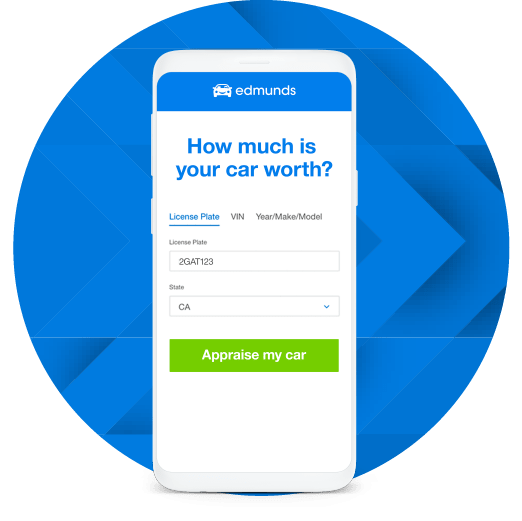
- Edmunds (Edmunds.com): Edmunds offers “True Market Value” (TMV®), which calculates the average price paid for a vehicle in your area. They provide similar categories to KBB, focusing on private party and trade-in values, along with detailed market data.
- NADAguides (NADAguides.com): The National Automobile Dealers Association (NADA) provides comprehensive valuation data, often used by dealerships and financial institutions. Their values tend to be slightly higher than KBB or Edmunds, representing a “clean trade-in” or “clean retail” price.
- CarGurus (CarGurus.com): CarGurus analyzes millions of vehicle listings daily to provide a “Market Value” estimate, indicating whether a particular car is a “Great Deal,” “Good Deal,” “Fair Deal,” or “Overpriced” relative to similar listings. While primarily a listing site, its valuation tool is robust.
It’s advisable to use 2-3 of these tools to get a range of estimates, as their methodologies can differ slightly, providing a more balanced understanding of your car’s worth.

Dealership Appraisals
Visiting a few dealerships and asking for a trade-in appraisal is a quick way to get a professional assessment, especially if you’re planning to buy a new car. Dealerships have systems in place to quickly evaluate your car’s condition and marketability. While their offer will reflect a wholesale price (allowing them room for reconditioning and profit), it provides a concrete figure for comparison. Remember, you’re not obligated to sell or trade-in your car at that moment, so use these appraisals as data points.
Independent Mechanic Inspections
For a truly comprehensive and unbiased assessment of your car’s mechanical condition, an independent mechanic inspection is invaluable. While this incurs a cost, it can uncover underlying issues that might affect value or provide documentation of a clean bill of health that boosts buyer confidence. If you plan to sell privately, offering a pre-purchase inspection report to buyers can be a strong selling point.
Auction Results and Private Sale Listings
Looking at actual sales data for comparable vehicles can provide a very realistic picture of what your car is worth.
- Online Marketplaces: Browse classifieds sites like Craigslist, Facebook Marketplace, and dedicated car sales websites (e.g., AutoTrader.com, Cars.com) for similar makes, models, years, and conditions in your local area. Pay attention to how long cars have been listed and if prices are being adjusted.
- Wholesale Auctions: While consumers generally don’t have direct access, some websites or services provide insights into wholesale auction results, which represent the prices dealerships pay for used inventory. This gives you an idea of the absolute minimum your car might be worth to a professional buyer.
Preparing Your Car for Valuation and Sale
Once you have a good grasp of the valuation process, taking a few preparatory steps can significantly impact the final offer you receive, whether from a private buyer or a dealership.
Gathering Essential Documentation
Before any valuation or sale, assemble all relevant documents. This includes the car’s title, all maintenance and repair records, any warranty information, and the owner’s manual. A complete service history demonstrates diligent care and adds credibility to your car’s condition claims. Having the Vehicle Identification Number (VIN) readily available is also crucial for running history reports.
Cleaning and Detailing (Interior and Exterior)
First impressions matter immensely. A clean, well-maintained car suggests it has been cared for, potentially overlooking minor imperfections.
- Exterior: Wash and wax the car thoroughly. Clean the wheels and tires. Consider touch-up paint for minor scratches if the cost is minimal.
- Interior: Vacuum carpets and upholstery, wipe down all surfaces, clean windows, and remove any personal items. Eliminate any lingering odors. A professional detail can be a worthwhile investment if your car is particularly dirty or if you’re aiming for a premium price.
Addressing Minor Repairs (Cost vs. Value Add)
Not all repairs are created equal when it comes to return on investment. While major mechanical issues are best left to a professional buyer or discounted heavily, addressing minor, inexpensive fixes can yield significant value. Replacing a broken headlight, fixing a loose trim piece, topping off fluids, or ensuring all dashboard lights are off can remove obvious red flags and make your car appear more desirable. Weigh the cost of the repair against the potential increase in sale price.
Taking Quality Photos (if selling privately)
If you plan to sell your car privately, high-quality photographs are paramount. Take clear, well-lit photos of the exterior from multiple angles, showcasing its best features. Include interior shots of the dashboard, seats, trunk, and any unique features. Highlight any recent repairs or upgrades, and be transparent about any minor flaws with accompanying photos. Good photos attract more serious inquiries and convey professionalism.
Interpreting Valuation Results and Setting Your Price
With all the data gathered, the final step is to interpret the valuation results and strategically set your car’s price. This involves understanding different value tiers and adjusting for market realities.
Understanding Different Value Tiers (Trade-in, Private Party, Retail)
Online valuation tools typically provide a range of values, each relevant to a different sales scenario:
- Trade-in Value: This is the lowest estimate, representing what a dealership would likely offer you. It accounts for their need to recondition the car, market it, and make a profit.
- Private Party Value: This is the middle ground, reflecting what you can expect to sell your car for directly to another individual. It’s generally higher than trade-in because you’re cutting out the dealer’s markup.
- Retail Value: This is the highest estimate, representing what a dealership would sell your car for after reconditioning and marketing. This is the aspirational top-end and usually not achievable in a private sale.
Aim for the private party value if selling independently, and understand the trade-in value as a baseline for dealership negotiations.
Adjusting for Local Market Conditions
The generic valuation from online tools should be fine-tuned based on your specific local market. If your area has a high demand for your particular car model or if similar cars are selling quickly, you might be able to price it slightly higher. Conversely, if there’s an abundance of similar vehicles for sale or if economic conditions are soft, you might need to adjust your price downwards to remain competitive. Checking local classifieds and dealer inventories gives you a real-time pulse on your market.
The Art of Pricing for a Quick Sale vs. Maximizing Profit
Your pricing strategy should align with your selling goals.
- Quick Sale: If speed is your priority, pricing your car slightly below the average private party value can generate immediate interest and facilitate a fast transaction.
- Maximizing Profit: If you’re not in a hurry, you can start with a price at the higher end of the private party range. Be prepared for it to take longer to sell and for potential negotiation.
Always leave a little room for negotiation, as most buyers expect to haggle. A common strategy is to price slightly above your absolute minimum acceptable price.
Strategies for Negotiation
When negotiating, be confident in your research. Be prepared to articulate why your car is worth your asking price, referencing its condition, maintenance history, and features. Listen to buyer feedback, and be open to reasonable offers. If selling privately, highlight the benefits of buying from an individual (e.g., potentially lower price than a dealer, direct communication with the previous owner). For trade-ins, negotiate the price of your new car first, then negotiate your trade-in value separately.
By diligently following these steps, you can confidently determine your car’s true worth, enabling you to approach any vehicle-related financial decision with knowledge, leverage, and peace of mind.
aViewFromTheCave is a participant in the Amazon Services LLC Associates Program, an affiliate advertising program designed to provide a means for sites to earn advertising fees by advertising and linking to Amazon.com. Amazon, the Amazon logo, AmazonSupply, and the AmazonSupply logo are trademarks of Amazon.com, Inc. or its affiliates. As an Amazon Associate we earn affiliate commissions from qualifying purchases.