
Understanding the true market value of your vehicle is a fundamental aspect of sound personal finance. Whether you’re contemplating selling it, trading it in for a newer model, assessing your assets for a loan, or simply want to ensure you have adequate insurance coverage, knowing your car’s worth empowers you with vital information. In a dynamic market influenced by everything from economic shifts to fuel prices and technological advancements, a vehicle’s value is rarely static. This comprehensive guide will delve into the multifaceted process of vehicle valuation, equipping you with the knowledge and tools to accurately determine what your car is truly worth in today’s market.
Why Understanding Your Vehicle’s Worth Is Crucial
Determining your vehicle’s value isn’t just about curiosity; it’s a critical step that impacts numerous financial decisions. Overlooking this essential assessment can lead to missed opportunities, suboptimal deals, or inadequate financial protection.
Informed Selling and Trading Decisions
The most common reason individuals seek to value their car is when they plan to sell it or trade it in for a new one. Without an accurate understanding of its market value, you risk underselling your vehicle, leaving money on the table, or overestimating its worth, which can lead to frustratingly long sales cycles and a lack of buyer interest. Knowing the precise value allows you to set a competitive asking price for a private sale or confidently negotiate a fair trade-in offer with a dealership. This financial intelligence is your strongest ally in ensuring you get the best possible return on your investment.
Optimizing Insurance Coverage
Your car’s value directly influences your insurance premiums and the payout you might receive in the event of a total loss. If your insurance policy lists an outdated or inaccurate value for your vehicle, you could be overpaying for coverage you don’t need, or worse, be severely underinsured. In the unfortunate circumstance of an accident that totals your car, an accurate, up-to-date valuation ensures that your insurance payout reflects the current market value, allowing you to replace your vehicle without significant financial strain. Regularly reviewing your car’s worth helps you adjust your coverage appropriately, striking the right balance between cost and protection.
Financial Planning and Asset Assessment
Beyond immediate transactions, your vehicle represents a significant asset in your overall financial portfolio. For financial planning purposes, whether it’s for retirement, estate planning, or calculating net worth, an up-to-date valuation of your car contributes to a clearer picture of your financial health. Lenders also use vehicle value as collateral for certain types of loans, so understanding its worth can impact your borrowing capacity. For those managing a budget, knowing your car’s depreciation rate can also inform future purchasing decisions and help you plan for its eventual replacement.
Key Factors That Drive Vehicle Valuation
Many elements contribute to a vehicle’s market value, creating a complex interplay that ultimately determines its price. Understanding these factors is the first step in conducting your own accurate assessment.
Make, Model, Year, and Mileage
These are the fundamental identifiers that form the baseline of your vehicle’s value. The make (e.g., Toyota, BMW), model (e.g., Camry, 3 Series), and year of manufacture inherently establish a starting point for depreciation and demand. Newer cars generally command higher prices, but certain classic models can appreciate. Mileage is perhaps the most critical indicator of wear and tear and future mechanical longevity. High mileage typically equates to lower value, as it suggests more extensive use and potential upcoming maintenance, though exceptions exist for meticulously maintained vehicles or certain high-mileage-tolerant models.
Vehicle Condition and History
The physical and mechanical condition of your car plays an enormous role. This encompasses everything from the pristine nature of the interior and exterior to the health of the engine, transmission, and other vital components. Minor dents, scratches, stained upholstery, or dashboard warning lights can significantly detract from value. Conversely, a vehicle that has been well-maintained, regularly serviced, and kept clean will naturally fetch a higher price. The vehicle history report (e.g., CarFax, AutoCheck) is invaluable here, revealing past accidents, flood damage, salvage titles, number of owners, and service records. A clean title and a transparent history can significantly boost buyer confidence and, by extension, market value.
Features, Options, and Trim Level
Beyond the basic model, the specific features and options packed into your car can greatly influence its desirability and price. A higher trim level often includes premium upgrades like leather seats, advanced infotainment systems, navigation, sunroofs, and driver-assistance technologies (e.g., adaptive cruise control, lane-keeping assist). These additions, while expensive at the time of purchase, often retain a portion of their value, especially if they are sought-after features in the used market. Specialty packages, unique paint colors, or performance upgrades can also differentiate your vehicle and command a premium.
Market Dynamics and Location
The broader economic environment, local demand, and even global events can sway vehicle values. Factors such as current fuel prices (impacting demand for fuel-efficient vs. larger vehicles), interest rates, new car inventory levels, and consumer confidence all play a part. Certain models might be highly desirable in one region but less so in another due to climate, local preferences, or availability. For instance, a 4×4 SUV might hold more value in a snowy region compared to a mild climate. Additionally, regional economic prosperity can influence what buyers are willing and able to pay.
Reliable Methods and Tools for Vehicle Valuation
With a solid understanding of the influencing factors, you can now turn to practical methods and tools to get concrete valuation figures. Relying on multiple sources offers the most comprehensive and accurate assessment.
Reputable Online Valuation Tools (KBB, Edmunds, NADAguides)
These online platforms are the gold standard for vehicle valuation and are often the first stop for anyone looking to determine their car’s worth.
- Kelley Blue Book (KBB.com): Perhaps the most widely recognized, KBB offers various valuations including trade-in, private party, and retail values. You input your vehicle’s year, make, model, trim, mileage, and condition, and it provides an estimated range based on recent market transactions.
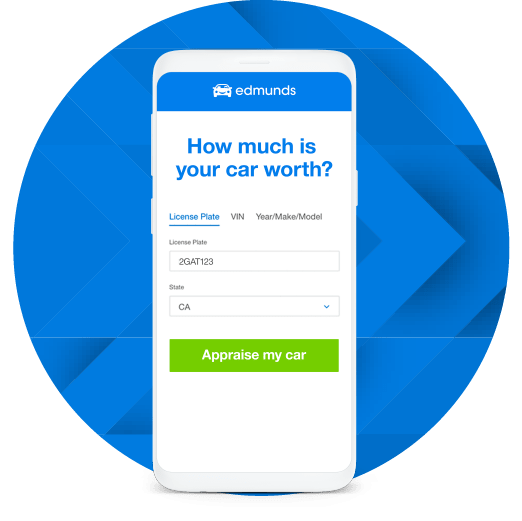
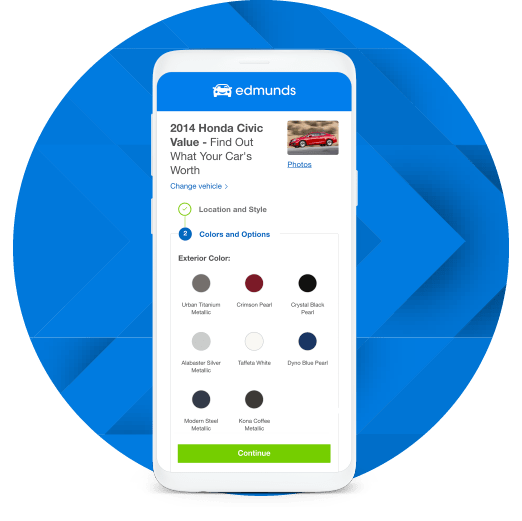
- Edmunds (Edmunds.com): Similar to KBB, Edmunds provides an “Appraisal Tool” that asks for detailed information about your car’s condition and features. It often provides a slightly different perspective, focusing on “True Market Value” (TMV) that takes into account current market supply and demand.
- National Automobile Dealers Association (NADAguides.com): While often used by dealerships and lenders, NADAguides provides values that can sometimes be higher than KBB or Edmunds, particularly for trade-in values. It’s an excellent resource for understanding wholesale and clean trade-in values.

It’s advisable to use all three tools, inputting your information accurately and honestly, to get a well-rounded set of estimates. Look for the common range where these estimates overlap to find a realistic baseline.
Dealership Appraisals and Trade-in Offers
If you’re considering trading in your vehicle, a dealership appraisal is a direct way to understand what a professional buyer is willing to offer. Most dealerships offer free appraisals, even if you’re not immediately buying a car from them. While convenient, remember that a dealership’s trade-in offer is typically the lowest value you’ll receive, as they need to factor in reconditioning costs, profit margins, and market fluctuations. However, it serves as a firm floor for negotiation. Getting appraisals from several dealerships can give you a better sense of competitive trade-in values in your area.
Professional Independent Appraisers
For rare, classic, custom, or high-value vehicles, or for specific legal/insurance purposes (like estate valuation or divorce settlements), a professional independent appraiser might be necessary. These experts meticulously inspect your vehicle, often considering unique features, provenance, restoration quality, and specialized market demand. While this service comes with a fee, it provides a highly detailed and often legally recognized valuation that online tools or dealerships cannot.
Analyzing Private Party Sales
One of the most practical ways to gauge market value is by observing what similar vehicles are actually selling for in your local area. Websites like Autotrader, CarGurus, Facebook Marketplace, and local classifieds allow you to search for identical or very similar make, model, year, trim, and mileage vehicles. Pay attention to how quickly cars are selling and the asking prices. While these are asking prices, they provide a real-world snapshot of the competitive landscape and what private sellers believe their cars are worth. Remember that listed prices can be higher than actual transaction prices, so factor in potential negotiation room.
Interpreting and Leveraging Your Vehicle’s Value
Once you’ve gathered your valuation figures, the next step is to understand what they mean and how to use them effectively to your financial advantage.
Distinguishing Between Trade-in, Private Party, and Retail Value
It’s crucial to understand the different valuation categories:
- Trade-in Value: This is the amount a dealership will offer you when you trade your car in towards the purchase of another. It’s typically the lowest value because the dealership needs to make a profit on reselling your old car, accounting for reconditioning, marketing, and overhead.
- Private Party Value: This is the estimated price you can expect to receive if you sell your car directly to another individual. It’s usually higher than the trade-in value but lower than retail, as there’s no dealership markup, and the buyer assumes more risk and effort.
- Retail Value: This is the price a dealership would charge if they were selling your specific car on their lot. It’s the highest value, reflecting the dealership’s profit margin, reconditioning, warranty (if offered), and customer service.
Knowing all three helps you understand your options and set realistic expectations for different sales scenarios.
Negotiating Your Best Deal
With accurate valuation data in hand, you are in a powerful position to negotiate. If you’re selling privately, set your price competitively based on private party value, leaving some room for negotiation. If trading in, use your gathered trade-in values from multiple sources as leverage to push for a higher offer from the dealership. Don’t be afraid to walk away if the offer is too low; remember your car’s true worth. For insurance claims, present your valuation research to ensure the payout aligns with market realities.
Preparing Your Vehicle for Maximum Value
Before any appraisal or listing, invest a little time and effort into making your vehicle presentable. A thorough cleaning, both inside and out, can make a significant difference in perceived value. Address any minor cosmetic issues like small scratches or dents if it’s cost-effective to do so. Gather all service records, maintenance receipts, and vehicle history reports. A well-organized binder demonstrating consistent care signals reliability and enhances trust, which can translate into a higher sale price.
Beyond the Numbers: Maintaining and Enhancing Your Car’s Worth
While the current market provides a snapshot, proactive measures can help you maintain and even enhance your vehicle’s value over time.
Regular Maintenance and Service Records
Consistent adherence to your vehicle’s maintenance schedule is paramount. Regular oil changes, tire rotations, brake inspections, and timely repairs not only ensure your car runs safely and efficiently but also significantly preserves its long-term value. Keep detailed records of all services performed, ideally from certified mechanics. A complete service history provides tangible proof of care and can add hundreds, if not thousands, to your car’s resale value, assuring prospective buyers of its reliability.
Protecting Your Vehicle’s Aesthetics
The visual appeal of your car is the first impression it makes. Protect its exterior by washing and waxing it regularly to prevent paint degradation and rust. Address chips and scratches promptly. On the interior, use seat covers, floor mats, and sunshades to prevent wear, fading, and damage. Avoid smoking in the car, and clean up spills immediately. A pristine interior and exterior suggest a careful owner and make the car more desirable, fetching a better price.
Smart Upgrades and Aftermarket Additions
While most aftermarket modifications don’t add significant value and can sometimes even deter buyers, certain smart upgrades can slightly enhance desirability. High-quality tires, essential safety features if they were optional, or a modern infotainment system (if the original is outdated) can make a car more attractive. However, generally stick to manufacturer-approved parts and avoid highly personalized or extreme modifications, as these appeal to a very niche market and can otherwise reduce the broad appeal and value of your vehicle. Focus on functional enhancements that improve safety, comfort, or reliability rather than purely aesthetic or performance-oriented changes that might only appeal to specific enthusiasts.
By diligently applying these strategies and understanding the various facets of vehicle valuation, you can confidently determine your car’s worth and navigate the financial landscape of ownership, selling, or trading with informed precision.
aViewFromTheCave is a participant in the Amazon Services LLC Associates Program, an affiliate advertising program designed to provide a means for sites to earn advertising fees by advertising and linking to Amazon.com. Amazon, the Amazon logo, AmazonSupply, and the AmazonSupply logo are trademarks of Amazon.com, Inc. or its affiliates. As an Amazon Associate we earn affiliate commissions from qualifying purchases.