
In the complex world of automotive transactions, where prices can swing wildly and information asymmetry often favors sellers, a reliable, unbiased source of valuation is not just helpful – it’s indispensable. For nearly a century, one name has stood out as the gold standard in vehicle valuation: Kelley Blue Book, universally known as KBB. But what exactly is KBB, and why has it become the trusted financial compass for millions navigating the buying, selling, and trading of automobiles?
At its core, KBB is a data-driven resource that provides comprehensive and current market values for new and used vehicles. It empowers consumers and businesses alike with critical financial insights, enabling informed decisions that can save or make thousands of dollars. Far from being a mere price list, KBB represents a sophisticated financial model, constantly analyzing vast quantities of transactional data, economic indicators, and market trends to deliver valuations that reflect the true monetary worth of a vehicle. This article will delve into the origins, methodology, and profound financial utility of KBB, illustrating why it remains an essential tool in any automotive financial journey.
The Legacy of KBB: A Century of Automotive Valuation
The story of Kelley Blue Book is a testament to evolution and adaptability, transforming from a simple printed list to a dynamic digital platform that influences billions of dollars in transactions annually. Its enduring relevance in the “Money” category stems from its unwavering commitment to providing clear, consistent financial benchmarks for a significant personal asset: the automobile.
From Print Catalogs to Digital Dominance
KBB’s journey began in 1926 when Les Kelley started a small car dealership in Los Angeles. Frustrated by the lack of standardized pricing information, he began compiling his own lists of car values based on actual sales data. These lists, initially for internal use, quickly gained popularity among other dealers and became known as the Kelley Blue Book. What started as a modest booklet evolved into a comprehensive printed guide, distributed nationwide, becoming an industry bible for car dealers, lenders, and insurance companies.
The advent of the internet marked a pivotal turning point. KBB recognized early on the potential for digital platforms to democratize access to its valuable data. By embracing the digital age, KBB transformed itself from a physical reference book to a sophisticated online portal (kbb.com). This transition not only expanded its reach exponentially but also allowed for real-time data analysis and more dynamic, granular valuations, cementing its role as a leading financial technology tool in the automotive sector. This shift underscores KBB’s understanding that financial information, to be truly valuable, must be both accurate and accessible.
Why KBB Became a Household Name
KBB’s rise to prominence and its status as a household name are rooted in several key factors that resonate deeply within the realm of personal finance and financial literacy.
Firstly, trust and impartiality are paramount. In an industry often perceived with skepticism, KBB established itself as an objective third party. Its business model is based on data analysis, not on buying or selling cars directly. This neutrality assures consumers that the valuations provided are not skewed to benefit a particular dealer or manufacturer. This trust is invaluable when making significant financial commitments like purchasing a car.
Secondly, accuracy and consistency are cornerstones of its financial utility. KBB’s rigorous methodology, which we will explore further, ensures that its valuations are as precise as market conditions allow. This consistency provides a common language for negotiation, reducing friction and facilitating fairer transactions.
Finally, accessibility has been key to its widespread adoption. By making complex market data digestible and readily available to the average consumer, KBB democratized financial information that was once the exclusive domain of industry professionals. This empowerment allows individuals to approach car transactions with confidence, understanding the monetary value of their assets and the fairness of proposed prices. For personal finance, having this information is akin to having a financial advisor for your automotive decisions.
How KBB Arrives at Its Valuations: The Science Behind the Sticker Price
Understanding KBB’s methodology is crucial to appreciating its financial robustness. KBB’s valuations are not arbitrary figures; they are the output of a sophisticated algorithm that processes an immense amount of real-world data, constantly adapting to the ebb and flow of the automotive market. This intricate process ensures that the “money” advice KBB offers is grounded in current economic realities.
Data Points and Algorithms
KBB’s valuation model is incredibly complex, drawing upon a vast array of data points to create a holistic picture of a vehicle’s worth. These include:
- Transactional Data: The most critical input comes from actual sales transactions, including dealer sales, private party sales, and auction results. Millions of these records are processed daily.
- Economic Indicators: Broader economic factors like interest rates, fuel prices, inflation, consumer confidence, and even unemployment rates can significantly impact vehicle demand and, consequently, value.
- Vehicle-Specific Factors:
- Make, Model, Year, Trim: Fundamental identifiers.
- Mileage: A primary determinant of wear and tear and future reliability.
- Condition: Graded from “Fair” to “Excellent,” encompassing mechanical integrity, interior, and exterior appearance. This is a subjective yet critical factor that KBB guides users to assess honestly.
- Optional Equipment: Premium sound systems, navigation, sunroofs, advanced safety features, and specialized packages can add significant value.
- Vehicle History: A clean title, service records, and accident history reports (e.g., CarFax, AutoCheck) are factored in.
- Geographic Location: Car values can vary significantly by region due to local supply and demand, climate (e.g., AWD vehicles in snowy regions), and specific market preferences.
- Market Demand and Trends: Popularity of certain body styles (SUVs vs. sedans), fuel efficiency concerns, and emerging technologies (EVs vs. ICE) all play a role in shifting market values.
- Seasonal Fluctuations: Convertible prices might peak in spring, while AWD SUVs might see higher demand in winter.
All these variables are fed into proprietary algorithms that continuously learn and adjust, reflecting the dynamic nature of the automotive marketplace. This ongoing, data-intensive analysis ensures that KBB’s valuations are not static, but rather a real-time reflection of a vehicle’s financial standing.
Understanding KBB’s Different Values
One of KBB’s greatest financial contributions is its ability to differentiate between various types of vehicle values, recognizing that a car’s worth depends on the context of the transaction. This nuance is vital for financial planning.
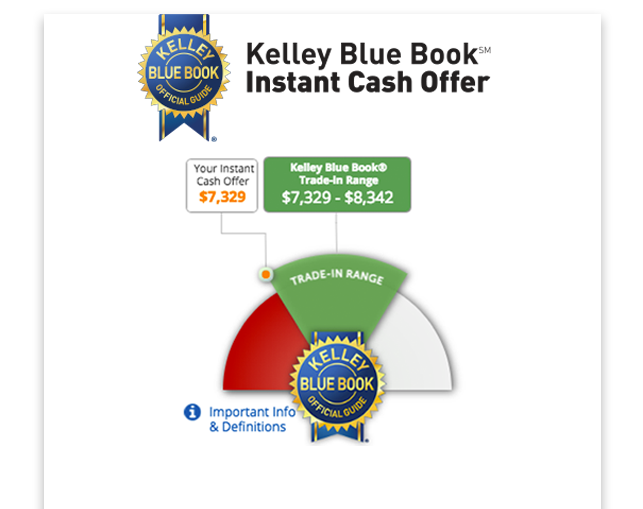
- Trade-in Value (or Instant Cash Offer): This is the amount a dealership is likely to offer you for your car if you’re trading it in towards the purchase of another vehicle. This value is typically the lowest because the dealer needs to recondition the car, market it, and make a profit. KBB’s “Instant Cash Offer” streamlines this by providing a guaranteed offer from a participating dealer based on their valuation.
- Private Party Value: This is the price you can expect to receive if you sell your car directly to another individual. It’s generally higher than the trade-in value because you’re cutting out the dealer’s overhead and profit margin. For many, maximizing financial return on a sale means pursuing the private party route.
- Retail Value: This is the price a dealership will likely ask for a used car they are selling. It’s the highest of the KBB values as it accounts for the dealer’s costs for reconditioning, advertising, overhead, and profit. This value is crucial for buyers to benchmark dealership prices.
- Fair Purchase Price (for New Cars): For new vehicles, KBB provides a “Fair Purchase Price,” which is what others in your area have recently paid for the same new car, based on real transaction data. This helps consumers avoid overpaying for a new car and negotiate effectively from a financially informed position.
By providing these distinct values, KBB equips both buyers and sellers with a nuanced understanding of the financial landscape, enabling them to strategize and negotiate more effectively based on their specific transaction goals.
KBB’s Indispensable Role in Your Automotive Financial Journey
KBB is far more than just a reference; it’s an active financial tool that empowers individuals at every stage of their automotive journey. Its insights are critical for sound financial decision-making, from budgeting for a purchase to maximizing returns on a sale.
Buying a Car: Negotiating with Confidence
For buyers, KBB provides an invaluable advantage. Before stepping onto a dealer lot, knowing the KBB Fair Purchase Price for a new car or the KBB Retail Value for a used car arms you with crucial negotiation leverage. This knowledge helps you:
- Set a Realistic Budget: Understand what you can realistically expect to pay.
- Identify Overpriced Vehicles: Quickly spot deals that are outside the market norm.
- Negotiate Effectively: Counter offers with data-backed figures, preventing you from overpaying.
- Evaluate “Deals”: Distinguish genuine savings from marketing ploys by comparing against KBB values.

Approaching a car purchase with KBB data in hand transforms a potentially daunting financial transaction into an informed negotiation, leading to better financial outcomes.
Selling a Car: Setting the Right Price
When it’s time to sell your current vehicle, KBB helps you determine its optimal financial value. Using the Private Party Value, you can:
- Maximize Your Return: Price your car competitively to attract buyers while ensuring you get fair market value.
- Avoid Underpricing: Don’t leave money on the table due to uncertainty.
- Justify Your Asking Price: Provide potential buyers with an objective benchmark, lending credibility to your price.
- Prepare for Negotiation: Understand the typical range buyers might expect, allowing you to anticipate and respond to offers effectively.
This financial insight is crucial for turning a depreciating asset into capital for your next vehicle or other investments.
Trading In: Understanding Your Vehicle’s Worth
For many, trading in a car is the most convenient way to dispose of an old vehicle and reduce the cost of a new one. However, it’s also where many consumers lose money if they aren’t informed. KBB’s Trade-in Value allows you to:
- Benchmark Dealer Offers: Know if the dealership’s trade-in offer is fair or if you’re being significantly lowballed.
- Negotiate Separately: Insist on negotiating the price of the new car and the trade-in value as two distinct transactions to ensure you get the best deal on both.
- Consider Alternatives: If the trade-in offer is too low, KBB helps you quickly assess if selling privately would yield a significantly better financial return.
Understanding your trade-in’s financial worth prevents you from unknowingly subsidizing the dealer’s profit margin on your new car purchase.
Beyond Buying and Selling: Insurance and Lending
KBB’s financial valuations extend beyond immediate transactions, playing a role in other critical aspects of personal finance.
- Insurance: When insuring a vehicle, knowing its KBB value can help you determine appropriate coverage levels. In the event of a total loss, insurers often refer to market values like KBB to determine the payout, underscoring the importance of having an accurate understanding of your asset’s worth.
- Lending: Lenders often use KBB values to assess the collateral for auto loans. The loan-to-value (LTV) ratio, which determines how much you can borrow, is directly influenced by the car’s market value. A strong KBB value can potentially lead to better loan terms, lower interest rates, and more favorable financial arrangements.
In these contexts, KBB serves as a financial standard, influencing how institutions perceive and value your automotive assets.
Maximizing Your KBB Experience: Tips for Accurate Valuations
While KBB’s algorithms are sophisticated, the accuracy of its valuation for your specific vehicle largely depends on the quality of the information you provide. To leverage KBB as the powerful financial tool it is, follow these best practices.
Be Honest About Condition
This is perhaps the most critical factor. KBB provides clear definitions for “Fair,” “Good,” “Very Good,” and “Excellent” condition. Be ruthlessly honest about your car’s mechanical state, interior wear, exterior dents, scratches, and any required repairs. Overstating your car’s condition will lead to an inflated KBB value that won’t align with real-world offers, leading to financial disappointment. Understating it might cause you to undervalue your asset. A realistic assessment ensures your KBB valuation is a financially actionable number.
Detail Features and Options Accurately
The specific options and features on your car can significantly impact its value. Don’t overlook details like:
- Navigation system, premium audio, sunroof, leather seats.
- Advanced safety features (e.g., adaptive cruise control, lane-keeping assist).
- Special edition packages or wheel upgrades.
- Aftermarket modifications (note: these can sometimes decrease value, depending on type and quality).
The more precise you are with these inputs, the more accurate and financially relevant your KBB valuation will be.
Understand Local Market Dynamics
While KBB accounts for geographic variations, having a pulse on your local market can provide an extra layer of financial insight. Are certain models particularly popular or rare in your area? Are local dealerships offering aggressive incentives? While KBB’s data is comprehensive, combining it with local knowledge can refine your financial strategy further. For instance, if you’re in a market where electric vehicles are heavily incentivized or have robust charging infrastructure, their KBB values might fluctuate differently than in less EV-friendly regions.
Compare KBB with Other Valuation Tools
While KBB is a leader, it’s always financially prudent to cross-reference. Other reputable valuation sources like Edmunds, NADAguides (National Automobile Dealers Association), and even local dealership estimates can offer slightly different perspectives. Each service might weigh certain data points differently. By comparing several sources, you can establish a robust financial range for your vehicle’s worth, giving you even greater confidence in your buying or selling decisions. This triangulation of data is a common financial practice to ensure the most accurate assessment of an asset’s value.

Conclusion
Kelley Blue Book stands as an undisputed pillar in the automotive financial ecosystem. From its humble beginnings as a print catalog to its current status as a sophisticated digital platform, KBB has consistently provided the vital financial intelligence needed to navigate the complexities of car ownership. By understanding its methodology, appreciating its various valuation types, and applying best practices for accurate input, consumers can transform themselves from uncertain participants into empowered negotiators.
In an economy where vehicle purchases represent one of the largest financial commitments many individuals make, KBB offers a beacon of clarity and fairness. It’s not just about knowing a price; it’s about gaining financial literacy, making informed decisions, and ultimately, securing the best possible financial outcome for one of life’s most significant assets. KBB is, and will continue to be, an essential tool for anyone engaging with the automotive market, serving as a trusted guide on their financial journey.
aViewFromTheCave is a participant in the Amazon Services LLC Associates Program, an affiliate advertising program designed to provide a means for sites to earn advertising fees by advertising and linking to Amazon.com. Amazon, the Amazon logo, AmazonSupply, and the AmazonSupply logo are trademarks of Amazon.com, Inc. or its affiliates. As an Amazon Associate we earn affiliate commissions from qualifying purchases.