
The question “who owns Intel Corporation?” might seem straightforward at first glance, but for a global technology titan like Intel, the answer is a complex tapestry woven from millions of individual and institutional investors. Unlike a privately held company where ownership might reside with a founder, a family, or a small group of partners, Intel operates as a publicly traded entity on the stock market. This fundamental characteristic means its ownership is distributed among anyone and everyone who holds its shares, making it a quintessential case study in modern corporate finance and investment.

Understanding who owns Intel isn’t merely a matter of identifying a single name or entity; it’s about dissecting the mechanisms of public ownership, recognizing the diverse motivations of its shareholders, and appreciating the intricate dance between corporate performance and investor sentiment. This exploration delves deep into the “Money” category, examining how capital is deployed, how value is created and shared, and the financial dynamics that underpin one of the world’s most influential semiconductor manufacturers.
The Publicly Traded Reality: A Mosaic of Shareholders
At its core, Intel Corporation is owned by its shareholders. When a company “goes public,” it sells shares of ownership to investors through an initial public offering (IPO). These shares, known as common stock, represent fractional ownership in the company. In Intel’s case, since its IPO in 1971, millions of these shares have been bought and sold on stock exchanges, predominantly the NASDAQ.
Distinguishing Ownership in Public Companies
For a publicly traded company like Intel, the concept of “ownership” is fundamentally different from a private business. There isn’t a single individual or family that “owns” Intel outright. Instead, ownership is dispersed among a vast number of shareholders, each holding a certain percentage of the company’s outstanding shares. Each share typically confers voting rights, allowing shareholders to influence key corporate decisions, such as electing the board of directors, approving mergers, or adopting significant policy changes, albeit usually in proportion to their stake. This distributed ownership model is a cornerstone of modern capitalism, enabling companies to raise massive amounts of capital from a wide investor base to fund growth, research, and expansion.
The Role of Common Stock
Each share of Intel common stock represents a claim on a portion of the company’s assets and earnings. When you buy Intel stock, you become a part-owner, entitled to a share of its profits (through dividends, if declared) and capital appreciation if the stock price rises. The collective value of all outstanding shares forms Intel’s market capitalization, a crucial metric reflecting its size and market valuation. The more shares an individual or institution owns, the larger their proportional stake in the company and their potential influence.
The Board of Directors and Management
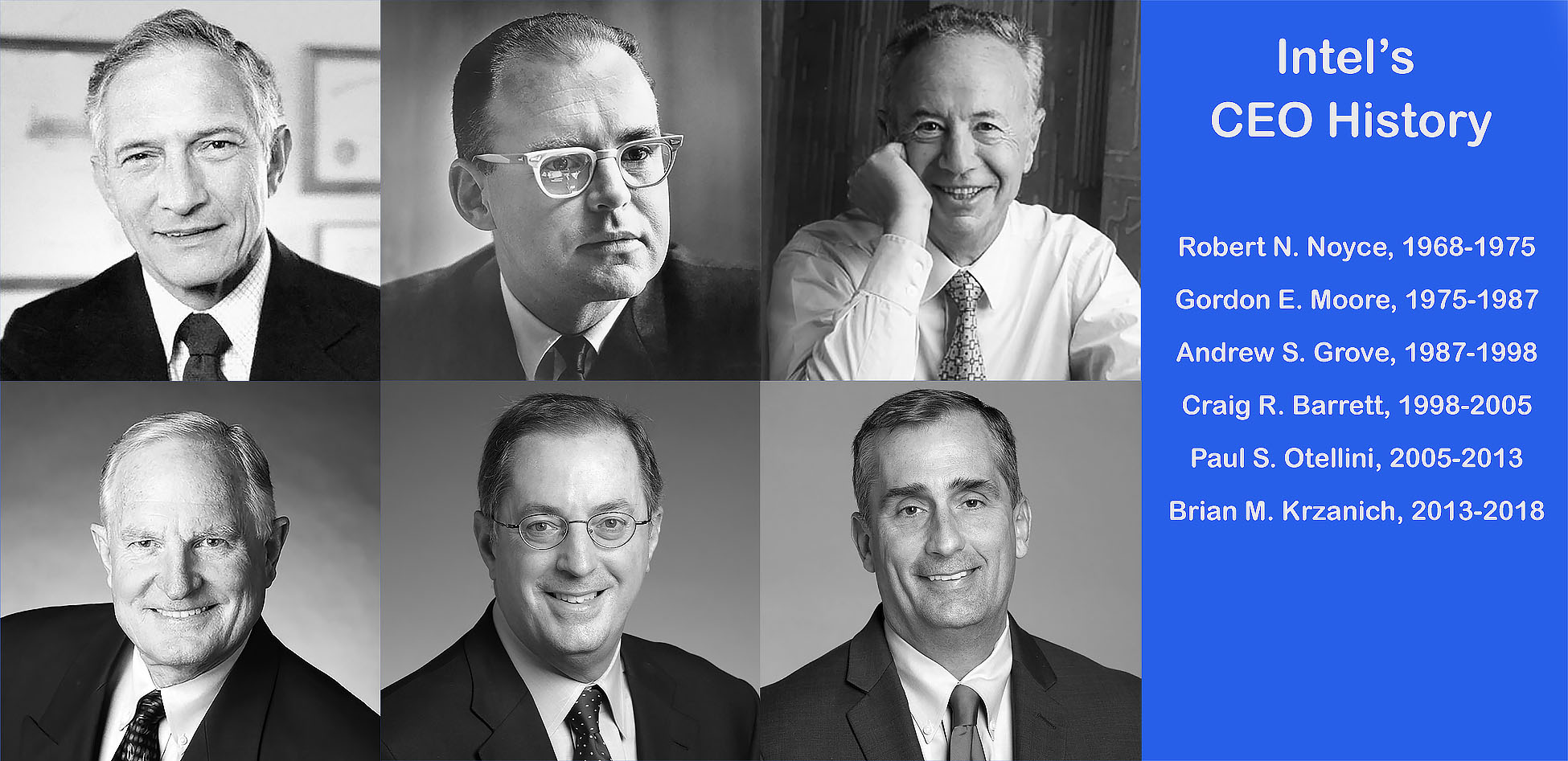
While shareholders are the ultimate owners, the day-to-day operations and strategic direction of Intel are managed by its executive team, led by the CEO, and overseen by an independent board of directors. The board is elected by the shareholders and is legally obligated to act in the best interests of the shareholders. While board members and executives often hold significant shares themselves (aligning their interests with other shareholders), their primary role is governance and management, not direct ownership of the entire enterprise. They are fiduciaries, entrusted with guiding the company and enhancing shareholder value.
The Giants Behind the Tech Giant: Institutional Investors
While individual investors certainly play a role, the vast majority of Intel’s ownership resides with institutional investors. These are large organizations that invest capital on behalf of their clients, members, or beneficiaries. Their sheer size means they often hold significant blocks of shares, making them incredibly influential shareholders.
Mutual Funds and Exchange-Traded Funds (ETFs)
Mutual funds and ETFs are collective investment vehicles that pool money from numerous investors to purchase a diversified portfolio of securities. Companies like Vanguard, BlackRock, State Street, and Fidelity manage trillions in assets and frequently hold substantial positions in major corporations like Intel. For example, an investor might own shares in a tech-focused ETF or a broad market index fund, and Intel could be one of its top holdings. These funds typically invest for long-term growth or income, and their holdings represent the indirect ownership of millions of underlying investors. Their vast holdings give them significant voting power, often exercised through proxy voting on key corporate issues.
Pension Funds and Endowments
Pension funds, which manage retirement savings for employees, and university endowments, which manage funds for educational institutions, are another major category of institutional investors. These entities often have extremely long investment horizons and seek stable, long-term returns to meet their future obligations. As such, they often allocate significant portions of their portfolios to established, blue-chip companies like Intel, viewing them as relatively stable investments capable of generating consistent returns over decades. Their investment decisions are typically driven by a desire for capital preservation and steady growth, rather than short-term speculation.
Hedge Funds and Sovereign Wealth Funds
Hedge funds, while often having shorter-term strategies and more aggressive approaches, can also be significant owners of Intel stock. They might engage in active investing, trying to influence corporate strategy for financial gain, or take large positions based on specific market views. Sovereign wealth funds, managed by national governments, also hold substantial stakes in global corporations as a means of diversifying national assets and generating long-term returns for their countries. These funds often have immense capital bases and can be powerful, long-term investors, though their specific strategies can vary widely.
The Impact of Institutional Holdings
The dominance of institutional investors has profound implications for Intel. Their large holdings mean their collective decisions can significantly impact the stock price and influence corporate governance. They often engage with management, sometimes privately, on issues ranging from financial performance and strategic direction to environmental, social, and governance (ESG) policies. The presence of a stable institutional investor base can provide a degree of stability to a company’s stock, while significant divestment by these large players can send strong negative signals to the market.
The Individual Investor: A Piece of the Semiconductor Pie
While institutional investors hold the lion’s share, individual retail investors collectively represent a meaningful component of Intel’s ownership. These are everyday people who purchase shares through brokerage accounts, often with diverse motivations.
Direct Stock Ownership
Many individuals choose to directly buy shares of Intel, believing in the company’s long-term prospects, its technological leadership, or its dividend potential. These investors actively manage their portfolios, conducting their own research, and making independent buying and selling decisions. Their collective actions, though individually smaller, contribute to the overall demand and supply dynamics of Intel’s stock.
Indirect Ownership through Funds
Far more common is indirect individual ownership through mutual funds, ETFs, and retirement accounts like 401(k)s and IRAs. When an individual invests in a broad market index fund or a diversified technology fund, they are likely to own a fractional, indirect stake in Intel, even if they’ve never specifically bought Intel stock. This passive ownership is a testament to Intel’s prominence in major market indices and its inclusion in countless investment portfolios worldwide.
Employee Stock Ownership Plans (ESOPs) and Stock Options
Intel, like many major corporations, often offers employee stock ownership plans (ESOPs) and grants stock options or restricted stock units (RSUs) to its employees as part of their compensation packages. This means that thousands of Intel’s own employees are also shareholders, aligning their personal financial interests with the company’s performance. These programs are designed not only to reward employees but also to foster a sense of shared ownership and commitment to the company’s success.
Understanding Intel’s Financial Dynamics and Market Valuation
Beyond simply identifying who owns shares, understanding Intel’s ownership involves appreciating the financial context in which these shares operate. The value of this ownership is not static; it fluctuates continuously with market dynamics, company performance, and investor sentiment.
Market Capitalization Explained
Intel’s market capitalization is calculated by multiplying its current share price by the total number of its outstanding shares. This figure represents the total market value of all of Intel’s equity. When investors ask “who owns Intel,” they are indirectly asking about the distribution of this total market value among its various shareholders. A higher market cap generally indicates a larger, more valuable company in the eyes of the market, reflecting investor confidence in its future earnings and growth prospects.
Share Price Fluctuation and Investor Sentiment
The value of an owner’s stake in Intel rises and falls with its share price. This price is influenced by a myriad of factors, including quarterly earnings reports, product announcements, competitive landscape changes, macroeconomic trends, and overall investor sentiment towards the semiconductor industry. For example, news of a new processor breakthrough might boost investor confidence and drive the stock up, while reports of production delays or increased competition could lead to a decline. These fluctuations directly impact the wealth of Intel’s owners, from the largest institutional fund to the smallest individual investor.
Dividends and Share Buybacks
Intel also returns value to its shareholders through financial mechanisms like dividends and share buybacks. Dividends are regular payments made to shareholders from the company’s profits, providing a direct income stream to owners. Share buybacks, on the other hand, involve the company repurchasing its own stock from the open market. This reduces the number of outstanding shares, which can increase the earnings per share and, in theory, boost the share price, thereby increasing the value of existing shareholders’ stakes. Both strategies are critical aspects of capital allocation and are closely watched by investors.
Beyond Ownership: Corporate Governance and Shareholder Influence
The concept of ownership in a publicly traded company extends beyond simply holding shares; it encompasses the rights and responsibilities that come with being a part-owner, particularly regarding corporate governance.
Proxy Voting and Shareholder Resolutions
Shareholders, especially institutional ones, exert their influence through proxy voting. During annual general meetings, shareholders are invited to vote on various proposals, including the election of directors, executive compensation, and other significant corporate matters. Institutional investors often have dedicated teams that analyze these proposals and vote their large blocks of shares, significantly shaping outcomes. Shareholders can also propose their own resolutions, albeit with specific thresholds, to influence corporate policy on issues ranging from environmental concerns to executive pay.
Activist Investors
Sometimes, a particular type of shareholder, known as an activist investor, accumulates a significant stake in a company like Intel with the specific intention of pushing for substantial strategic, operational, or financial changes. These investors often believe the company is undervalued or mismanaged and seek to unlock shareholder value through public campaigns, board challenges, or direct engagement with management. While sometimes contentious, activist campaigns can lead to significant shifts in a company’s direction and financial performance, directly impacting the value for all shareholders.

Regulatory Oversight
Finally, the ownership structure and activities within public companies like Intel are subject to extensive regulatory oversight, particularly from bodies like the Securities and Exchange Commission (SEC) in the United States. These regulations are designed to protect shareholders, ensure transparency, prevent fraud, and maintain fair and orderly markets. Disclosures regarding major shareholder holdings, executive compensation, and financial performance are all mandated to provide clarity to current and prospective owners.
In conclusion, “who owns Intel Corporation?” reveals a multifaceted answer: it is owned by a diverse global community of shareholders. This ownership structure, characteristic of publicly traded companies, encompasses massive institutional funds managing trillions in assets, individual retail investors seeking to grow their wealth, and even Intel’s own employees. Each piece of this intricate financial mosaic contributes to the company’s valuation, influences its strategic direction, and shares in its successes and challenges. Understanding this distribution is key to comprehending not just Intel’s corporate identity, but the very fabric of modern financial markets.
aViewFromTheCave is a participant in the Amazon Services LLC Associates Program, an affiliate advertising program designed to provide a means for sites to earn advertising fees by advertising and linking to Amazon.com. Amazon, the Amazon logo, AmazonSupply, and the AmazonSupply logo are trademarks of Amazon.com, Inc. or its affiliates. As an Amazon Associate we earn affiliate commissions from qualifying purchases.