
Budgeting is often perceived as a restrictive and tedious chore, a financial straitjacket that limits enjoyment and freedom. This common misconception, however, couldn’t be further from the truth. In reality, a well-crafted budget is not a constraint but a powerful tool for liberation, providing clarity, control, and confidence over one’s financial life. It is the cornerstone of sound financial management, an indispensable practice for individuals, families, and businesses alike, guiding financial decisions and paving the way for achieving both immediate desires and long-term aspirations.
At its core, budgeting is simply the process of creating a plan for how you will spend and save your money. It involves tracking your income and expenses over a set period, typically a month, to ensure that your outgoings do not exceed your incomings. While this definition might sound deceptively simple, its implications are profound. Without a budget, financial decisions are often made impulsively, driven by immediate gratification or perceived necessities, leading to a cycle of uncertainty, stress, and often, debt. A budget transforms this chaotic approach into a strategic journey, making every dollar accountable and working towards a defined purpose. Understanding why this systematic approach is critical unlocks the door to financial stability, growth, and ultimately, peace of mind.
The Foundational Pillars of Financial Stability
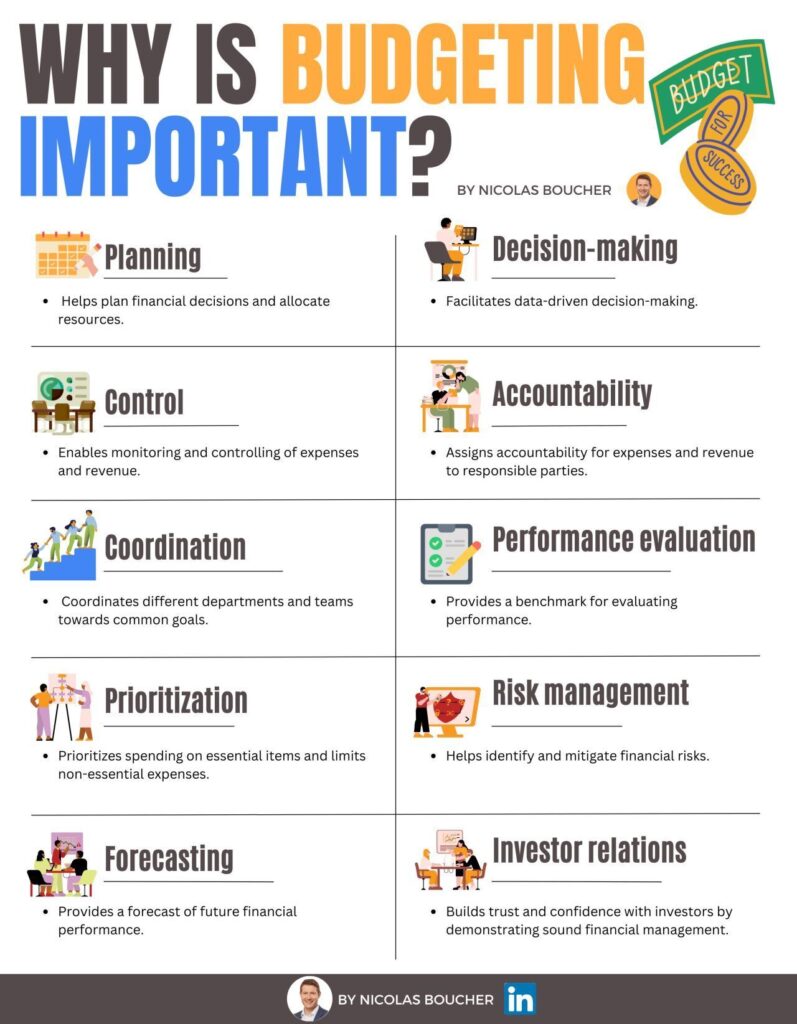
Establishing financial stability is the primary objective for most individuals and families, and budgeting serves as the bedrock upon which this stability is built. It’s impossible to construct a robust financial future without first understanding and managing the present flow of money. Budgeting provides this fundamental insight, turning vague notions of income and expenditure into concrete, actionable data.
Gaining Clarity on Your Financial Landscape
One of the most immediate benefits of budgeting is the unprecedented clarity it offers into your financial situation. Many people have a general idea of how much they earn and how much they spend, but often lack the precise details. A budget compels you to itemize every source of income and every category of expenditure. This meticulous accounting reveals exactly where your money is coming from and, more importantly, where it’s going. Are you spending more than you earn? Are certain categories of spending disproportionately high? Without a budget, these crucial questions remain unanswered, leaving you in the dark about your true financial health. This clarity is the first step towards informed decision-making, allowing you to move beyond guesswork and into a realm of factual understanding. It illuminates potential financial pitfalls before they become crises and highlights opportunities for improvement you might have otherwise overlooked.
Taking Control of Your Spending Habits
Beyond just revealing facts, budgeting empowers you to actively take control of your spending. Once you see a clear breakdown of your expenses, you can consciously allocate funds to different categories, rather than letting money simply slip through your fingers. This proactive approach means you decide where your money goes, rather than wondering where it went. For instance, if you discover you’re spending an exorbitant amount on dining out, a budget allows you to consciously reduce that figure and reallocate those funds to savings, debt repayment, or another priority. This isn’t about deprivation; it’s about intentionality. It shifts the power dynamic, making you the master of your money, not its unwitting servant. This control is vital not only for current financial health but also for cultivating long-term discipline.
Identifying and Eliminating Wasteful Expenditure
A deep dive into your spending through budgeting often uncovers a myriad of wasteful expenditures that drain your resources without adding significant value to your life. These might include unused subscriptions, excessive impulse purchases, or small, frequent expenses that add up significantly over time. For example, that daily coffee habit, while seemingly innocuous, can amount to hundreds, if not thousands, of dollars annually. Without a budget, these leakages might go unnoticed for years. By identifying these areas, you gain the opportunity to trim unnecessary costs, freeing up capital that can be redirected towards more meaningful goals. This process isn’t about austerity; it’s about efficiency and aligning your spending with your true values and priorities. Eliminating waste enhances your financial power and reinforces the principle that every dollar you earn should serve a purpose.
Paving the Way for Future Goals
While managing present finances is crucial, the true power of budgeting lies in its ability to act as a roadmap for future aspirations. Whether your dreams are short-term or span decades, a budget transforms abstract desires into tangible, achievable targets by providing the necessary financial framework.
Saving for Short-Term Aspirations
Many of life’s pleasures and necessities require dedicated savings. A new gadget, a dream vacation, a down payment for a car, or even a significant home repair – these all require a financial cushion. Without a budget, saving for these items can feel like an uphill battle, with funds often diverted to immediate, unplanned expenses. A budget allows you to earmark specific amounts for these short-term goals, turning abstract wishes into concrete savings targets. By consistently setting aside money each month for a particular item, you create a clear path to achieving it, rather than relying on chance or hoping for a sudden windfall. This systematic approach makes saving a regular habit, building momentum towards your aspirations and reducing the likelihood of falling into debt to acquire them.
Building Long-Term Wealth
Perhaps the most significant long-term benefit of consistent budgeting is its direct contribution to building wealth. Saving for retirement, purchasing a home, funding a child’s education, or making significant investments all require substantial capital that accumulates over many years. A budget provides the framework for consistent saving and investing, ensuring that a portion of your income is always allocated towards these critical long-term objectives. It helps you identify surplus funds that can be directed into investment accounts, compounding over time to create significant wealth. Without a clear budget, it’s easy for these long-term goals to be pushed aside by immediate needs, leading to regret and financial struggle in later life. Budgeting instills the discipline necessary to prioritize future security over present indulgence, a hallmark of financially successful individuals.
Preparing for Life’s Unexpected Turns (Emergency Fund)
Life is inherently unpredictable, and unexpected expenses are an inevitable part of the journey. A sudden job loss, a medical emergency, car repairs, or home appliance breakdowns can quickly derail financial stability if you’re unprepared. This is where an emergency fund becomes indispensable, and budgeting is the vehicle for building one. An emergency fund, typically three to six months’ worth of living expenses saved in an easily accessible account, acts as a financial safety net. A budget allows you to consistently contribute to this fund, ensuring that when the unexpected happens, you are equipped to handle it without resorting to high-interest loans or credit card debt. This preparation significantly reduces financial stress during crises and protects your other savings and investments from being raided. It’s an investment in peace of mind, allowing you to weather storms without compromising your long-term financial health.
Empowering Financial Decision-Making
Budgeting doesn’t just manage money; it transforms how you think about and interact with money. It provides the data and the framework necessary to make intelligent, strategic financial decisions that propel you towards your goals, rather than leaving you at the mercy of financial impulses or external pressures.
Reducing Debt and Avoiding New Liabilities
One of the most pervasive financial challenges many face is debt, particularly high-interest credit card debt. A budget is a powerful tool for both reducing existing debt and preventing the accumulation of new liabilities. By clearly seeing your income and expenses, you can identify funds that can be aggressively allocated towards debt repayment. This targeted approach, often combined with strategies like the snowball or avalanche method, accelerates debt reduction. Furthermore, by providing a clear picture of your disposable income and tracking your spending, a budget helps you live within your means, significantly reducing the temptation and necessity to take on new debt. It promotes responsible borrowing, ensuring that any new loans or credit are taken on with a full understanding of your repayment capacity, thereby safeguarding your financial future.
Making Informed Investment Choices
Investing is a critical component of wealth building, but it requires careful planning and available capital. A budget creates that available capital by ensuring you have surplus funds after covering your essential expenses and short-term savings goals. With a clear understanding of your financial situation, you can make informed decisions about how much to invest, in what types of assets, and when. It prevents the common mistake of investing money that you might need in the short term, which can lead to premature withdrawals and missed opportunities. By consistently allocating funds to investment, your budget fuels your investment portfolio, allowing you to take advantage of compound interest and market growth. Moreover, the financial clarity provided by a budget empowers you to seek professional financial advice with a solid understanding of your capacity and goals, leading to more tailored and effective investment strategies.
Cultivating Financial Discipline and Responsibility
Perhaps the most profound impact of budgeting is the cultivation of financial discipline and personal responsibility. It’s a continuous learning process that strengthens your ability to make tough choices, delay gratification, and stick to a plan even when faced with temptations. This discipline extends beyond mere money management; it influences other areas of your life, fostering a greater sense of control and self-mastery. By consistently adhering to a budget, you train yourself to be more mindful of your spending, more proactive in planning, and more resilient in the face of financial challenges. This personal growth in financial responsibility is invaluable, equipping you with a skillset that will serve you throughout your entire life, regardless of economic conditions or personal circumstances.
Enhancing Peace of Mind and Reducing Stress
Beyond the tangible benefits of wealth accumulation and debt reduction, budgeting offers immense psychological advantages. It significantly reduces financial anxiety, strengthens relationships, and ultimately contributes to a profound sense of financial freedom and independence.
Alleviating Financial Anxiety
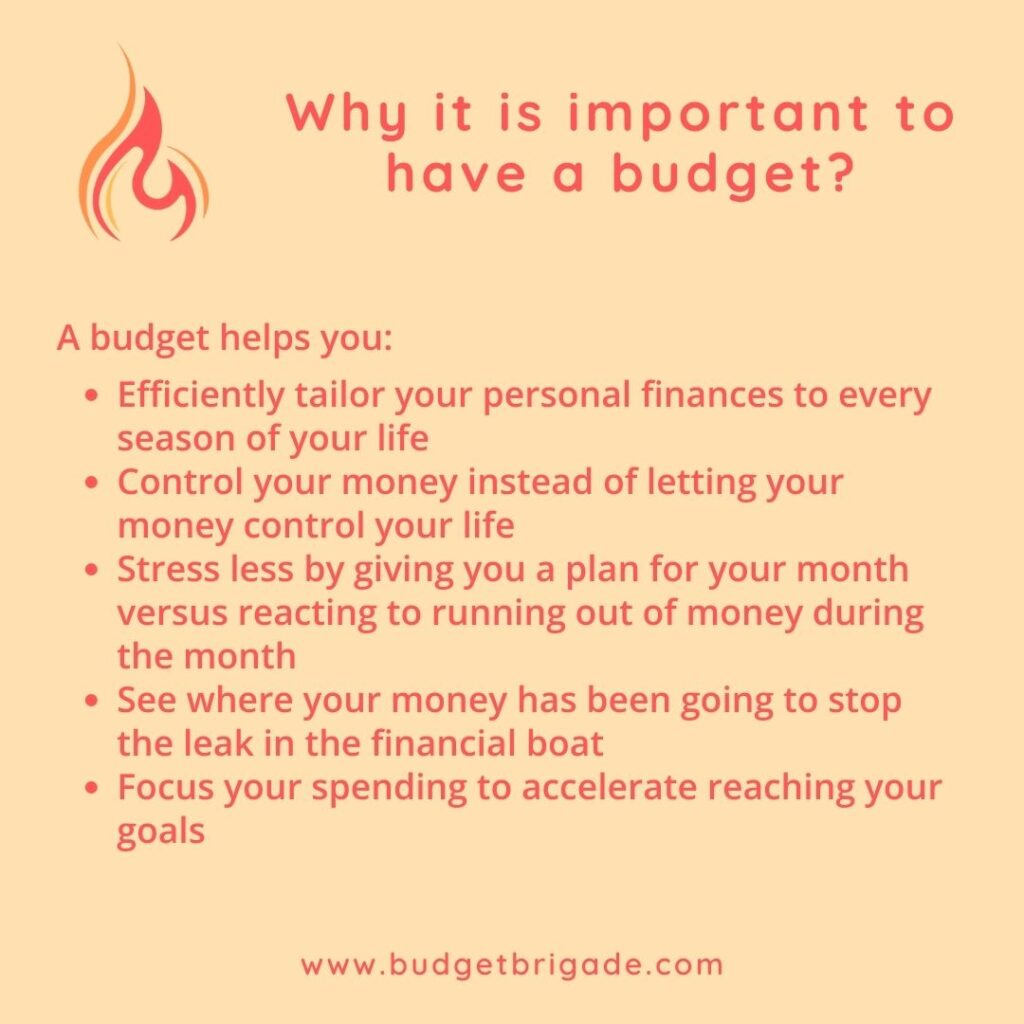
Money worries are a leading cause of stress and anxiety for many people. The uncertainty of not knowing if you have enough money to cover bills, save for the future, or handle an emergency can be debilitating. Budgeting directly addresses this by bringing clarity and control to your financial life. When you know exactly where your money stands, and you have a plan for every dollar, much of that anxiety dissipates. You move from a reactive stance, constantly worrying about incoming bills, to a proactive one, where you anticipate and plan for every expense. This sense of control and predictability is incredibly liberating, allowing you to focus your energy on other aspects of your life rather than being consumed by financial dread.
Fostering Better Relationships
Money is a frequent source of conflict in relationships, especially among couples. Disagreements over spending habits, saving priorities, and debt can strain even the strongest bonds. When individuals or couples engage in budgeting together, it necessitates open communication and shared financial goals. This collaborative process fosters transparency and mutual understanding, reducing arguments rooted in financial discrepancies. A budget provides a neutral framework for discussing money, allowing partners to align their financial visions, set joint goals, and hold each other accountable in a constructive manner. This shared responsibility and clarity can significantly strengthen relationships by removing one of the most common stressors.

Achieving Financial Freedom and Independence
Ultimately, the goal of budgeting is not just to manage money, but to achieve financial freedom and independence. This doesn’t necessarily mean being rich; it means having enough control over your finances that money is no longer a primary source of worry or limitation. It’s the ability to make choices about your life – your career, your passions, your lifestyle – based on what truly matters to you, rather than being dictated by financial constraints. A consistent budget, by promoting savings, reducing debt, and enabling smart investments, gradually builds the foundation for this freedom. It provides the financial cushion to pursue opportunities, take calculated risks, and live a life aligned with your values, free from the constant pressure of living paycheck to paycheck. This ultimate independence is perhaps the most compelling reason why budgeting is not just important, but essential.
In conclusion, viewing budgeting as a burdensome task misses its true transformative power. It is an indispensable practice that illuminates your financial landscape, empowers you to take control, paves the way for achieving aspirations, enables informed decision-making, and profoundly reduces financial stress. Far from being a restriction, a budget is a blueprint for a life of financial stability, growth, and unparalleled freedom. It is the key to unlocking your full financial potential and building the life you envision, one intentional dollar at a time.
aViewFromTheCave is a participant in the Amazon Services LLC Associates Program, an affiliate advertising program designed to provide a means for sites to earn advertising fees by advertising and linking to Amazon.com. Amazon, the Amazon logo, AmazonSupply, and the AmazonSupply logo are trademarks of Amazon.com, Inc. or its affiliates. As an Amazon Associate we earn affiliate commissions from qualifying purchases.