
Sticking to a budget is often touted as the cornerstone of sound personal finance, yet for many, it remains an elusive goal. The concept itself is simple: understand your income, track your expenses, and ensure you’re spending less than you earn. The execution, however, can be fraught with challenges, from unexpected costs to the siren song of impulse purchases. This article aims to demystify the process, offering practical, insightful strategies to not only create a budget but, more importantly, to consistently adhere to it, paving the way for lasting financial stability and peace of mind.
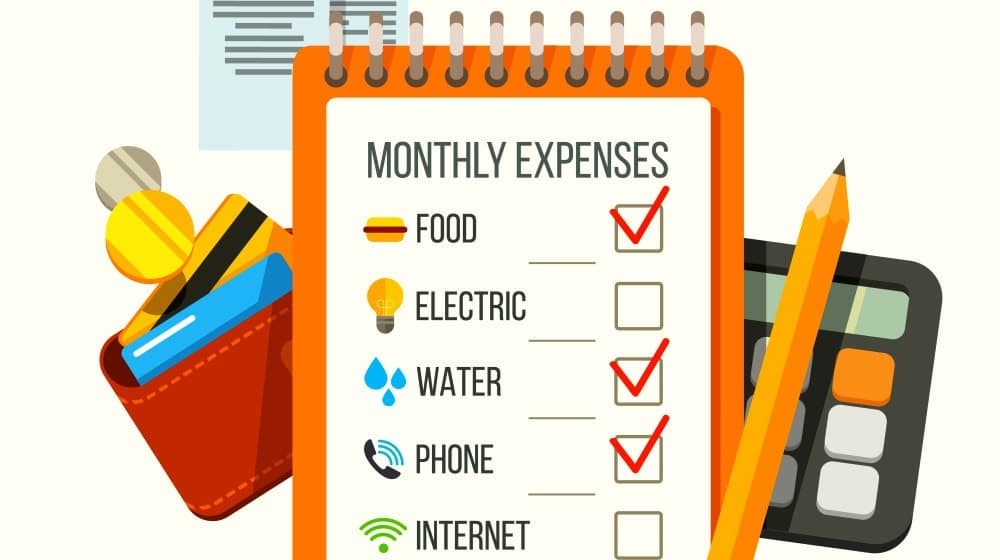
A budget isn’t a financial straitjacket designed to restrict your life; rather, it’s a powerful tool that empowers you to allocate your resources intentionally, aligning your spending with your values and long-term objectives. It provides clarity, reduces financial stress, and builds a solid foundation for wealth creation. The journey to effective budgeting is not a sprint, but a marathon requiring discipline, adaptability, and a commitment to understanding your financial habits.
Understanding the Foundation of Effective Budgeting
Before you can stick to a budget, you must first understand what it is and why you need one. A well-constructed budget is not just a list of numbers; it’s a reflection of your financial aspirations and a roadmap to achieving them.
Defining Your Financial Goals
The most powerful motivator for sticking to a budget is having clear, compelling financial goals. Without a destination, any road will do, and your money will simply flow wherever it leads. Are you saving for a down payment on a house, a child’s education, a comfortable retirement, or simply aiming to eliminate debt? Specific, measurable, achievable, relevant, and time-bound (SMART) goals provide the necessary impetus and direction. When faced with a discretionary spending choice, reminding yourself of these goals can provide the discipline needed to make the wiser financial decision. Document these goals, break them down into smaller, manageable milestones, and regularly review your progress. This reinforces their importance and keeps you engaged in the budgeting process.
Assessing Your Current Financial Landscape
Before you can map out where you want to go, you need to know where you are. This involves a comprehensive review of your income and expenditures. Gather all your financial statements: bank accounts, credit card statements, loan documents, and pay stubs for the last three to six months. Categorize every dollar coming in and every dollar going out. This exercise often reveals eye-opening insights into where your money is actually going, highlighting potential areas for optimization. Many people are surprised to discover how much they spend on seemingly small, everyday items that collectively add up to significant amounts. This assessment isn’t about judgment; it’s about gaining clarity and awareness, which are crucial precursors to meaningful change.
Choosing the Right Budgeting Method
There isn’t a one-size-fits-all approach to budgeting. What works for one person might not work for another. The key is to find a method that aligns with your personality, financial complexity, and level of commitment.
- The 50/30/20 Rule: A popular and straightforward method where 50% of your after-tax income goes to needs (housing, utilities, groceries), 30% to wants (dining out, entertainment, hobbies), and 20% to savings and debt repayment. This method offers flexibility and is a great starting point for beginners.
- Zero-Based Budgeting: Every dollar of your income is assigned a “job” – whether it’s for an expense, saving, or debt repayment – until your income minus your expenses equals zero. This method ensures maximum intentionality with your money and eliminates “phantom” spending. It requires more meticulous tracking but offers profound control.
- The Envelope System: A tactile, cash-based approach where you allocate specific amounts of cash into physical envelopes for different spending categories (e.g., groceries, entertainment). Once an envelope is empty, you stop spending in that category until the next pay period. This method is excellent for those who struggle with overspending on credit cards and benefit from the tangibility of cash.
- Paycheck to Paycheck Budgeting: While sometimes a necessity, it can be a precarious state. The goal should be to move beyond this by building an emergency fund and creating a buffer.
- Digital Budgeting Apps: Many apps offer automated tracking, categorization, and goal setting, simplifying the process for those comfortable with technology. We’ll delve into these later.
Regardless of the method, consistency and regular review are paramount.
Practical Strategies for Consistent Budget Adherence
Once you have a budget in place, the real work of sticking to it begins. This involves adopting practical habits and strategies that reinforce your financial plan daily.
Tracking Every Dollar: The Power of Awareness
The single most effective habit for sticking to a budget is diligent expense tracking. It’s impossible to know if you’re adhering to your plan if you don’t know where your money is going. This doesn’t mean obsessively logging every penny, but rather establishing a system that captures all your spending. This could be manually entering transactions into a spreadsheet, using a digital app that links to your bank accounts, or simply reviewing your bank and credit card statements weekly. The goal is to build awareness and identify discrepancies between your planned spending and actual spending. This allows for timely adjustments and prevents financial surprises. Regular tracking helps you catch overspending early and adjust subsequent spending, rather than realizing you’ve busted your budget at the end of the month.
Automating Savings and Bill Payments
One of the easiest ways to ensure you stick to your savings goals and avoid late fees is to automate as much as possible. Set up automatic transfers from your checking account to your savings or investment accounts immediately after payday. This “pay yourself first” strategy ensures that your savings goals are prioritized before discretionary spending can erode them. Similarly, automate bill payments for recurring expenses like rent/mortgage, utilities, and loan payments. This minimizes the risk of forgetting a payment, avoids late fees, and simplifies your financial management, freeing up mental energy for other areas of your budget.
Distinguishing Needs from Wants
A fundamental aspect of effective budgeting is the ability to differentiate between needs and wants. Needs are essential for survival and basic living (housing, food, utilities, transportation to work, essential healthcare). Wants are discretionary items that enhance your quality of life but aren’t strictly necessary (dining out, entertainment subscriptions, new gadgets, designer clothes, vacations). Many people struggle with their budget because they treat wants as needs. Regularly scrutinize your expenses and challenge whether each item is truly essential. This doesn’t mean eliminating all wants, but rather allocating funds to them intentionally and consciously, ensuring they don’t derail your essential financial goals. Perhaps you can scale back on certain wants, or find more economical ways to enjoy them.
Planning for Irregular Expenses and Emergencies
Budgets often fail due to unexpected or irregular expenses. These aren’t emergencies, but rather costs that don’t occur monthly, such as annual insurance premiums, car maintenance, holiday gifts, or semi-annual property taxes. Without planning, these can easily throw a monthly budget off track. Create a separate sinking fund for these items by setting aside a small amount each month. For example, if your car insurance is $1,200 annually, set aside $100 each month. When the bill comes due, the money is already there.
Equally important is building an emergency fund. This dedicated savings account, typically holding 3-6 months’ worth of living expenses, is crucial for handling true emergencies like job loss, medical crises, or major home repairs without dipping into debt or derailing your long-term financial goals. An emergency fund provides a vital safety net, allowing your core budget to remain intact during unforeseen circumstances.
Overcoming Common Budgeting Hurdles
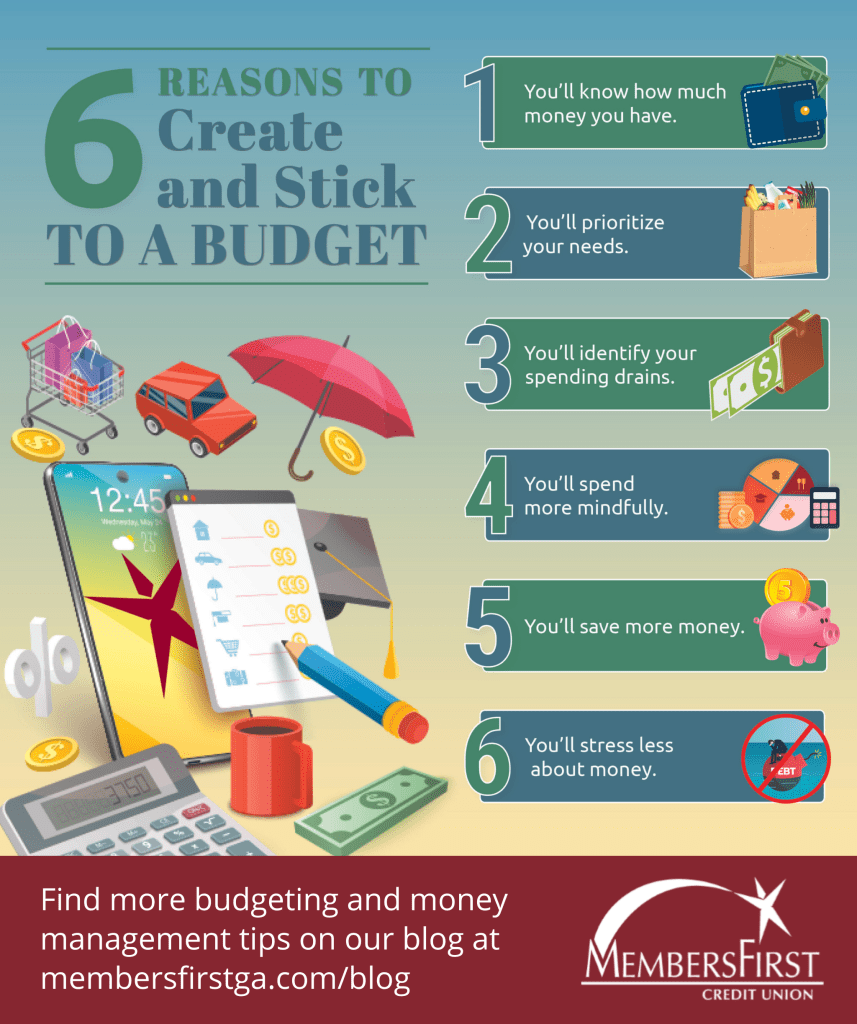
Sticking to a budget isn’t always smooth sailing. There will be temptations, unexpected challenges, and moments of doubt. Recognizing and preparing for these hurdles can significantly improve your chances of success.
Dealing with Unexpected Expenses
Even with an emergency fund and sinking funds, life has a way of throwing curveballs. A sudden car repair beyond what you’ve saved, an unforeseen medical bill, or an urgent family situation can disrupt the most meticulously planned budget. When these occur, the key is to approach them strategically rather than abandoning your budget entirely. First, assess if your emergency fund can cover it. If not, look for ways to adjust your current budget temporarily. Can you cut back on discretionary spending for a month or two? Can you find a temporary side hustle to cover the gap? The goal is to absorb the shock with minimal long-term damage, then adjust your budget to replenish any depleted funds.
Avoiding Lifestyle Creep
As your income increases, it’s natural to desire an upgrade in your lifestyle. This phenomenon, known as lifestyle creep, occurs when your spending increases proportionally, or even disproportionately, to your rising income. While it’s okay to enjoy the fruits of your labor, unchecked lifestyle creep can negate any financial progress you make. To combat this, consciously decide how you will allocate any pay raise or bonus. Prioritize increasing your savings, paying down debt, or investing before allowing yourself to indulge in significant lifestyle upgrades. A good rule of thumb is to save or invest at least 50% of any new income, using the remainder for carefully considered lifestyle enhancements.
Staying Motivated and Celebrating Milestones
Budgeting can feel like a restrictive chore if you don’t build in moments of celebration and positive reinforcement. Recognize and reward yourself for reaching financial milestones, no matter how small. Paid off a credit card? Treat yourself to a modest, budget-friendly reward. Hit a savings goal? Acknowledge the achievement. These small celebrations provide motivation and prevent burnout. Share your goals and progress with a trusted friend, family member, or partner for added accountability and support. Regular check-ins with your budget, perhaps weekly or bi-weekly, also help you stay engaged and make minor course corrections before they become major problems.
Communicating Financial Goals with Partners/Family
For individuals in relationships or with families, effective budgeting necessitates open and honest communication about money. Misaligned financial goals or hidden spending can quickly derail a budget and cause significant stress. Schedule regular financial meetings with your partner to discuss income, expenses, goals, and any challenges. Work together to create a shared budget that reflects both your individual and collective aspirations. For families, involve children in age-appropriate discussions about money, teaching them the value of saving and responsible spending. A united front makes sticking to a budget much more achievable and less of a burden.
Leveraging Tools for Budgeting Success
While the principles of budgeting remain constant, the tools available to assist you have evolved significantly. Choosing the right tools can simplify tracking, automate processes, and provide valuable insights.
Digital Budgeting Apps and Software
For many, technology offers a convenient and efficient way to manage money. Digital budgeting apps like YNAB (You Need A Budget), Mint, Personal Capital, or Simplifi link directly to your bank accounts and credit cards, automatically categorizing transactions and providing real-time insights into your spending. They offer features like goal tracking, net worth calculations, and spending alerts. The key to success with these tools is regular engagement; simply having the app isn’t enough. You must review the data, adjust categories, and actively use the insights to inform your spending decisions. Some apps require a subscription, but the organizational benefits can often outweigh the cost.
Spreadsheets and Manual Tracking
For those who prefer a more hands-on approach or have privacy concerns about linking accounts, spreadsheets (e.g., Google Sheets, Excel) or even a pen-and-paper ledger remain highly effective. These methods offer complete control over categorization and data entry, forcing a higher level of engagement with your money. While they require more manual effort, the act of physically entering transactions can enhance awareness and reinforce financial discipline. There are numerous free budget templates available online that can be customized to your specific needs. The best tool is the one you will consistently use.
Financial Advisors and Accountability
Sometimes, despite best efforts, individuals or couples struggle to create or stick to a budget. In such cases, seeking professional guidance from a financial advisor can be incredibly beneficial. A certified financial planner can help you assess your situation, set realistic goals, develop a personalized budget plan, and provide ongoing accountability. They can also offer expertise in more complex areas like investment strategies and retirement planning. For some, even a non-professional accountability partner – a trusted friend or mentor – can provide the necessary external motivation and support to stay on track.
The Long-Term Benefits of Budgeting Discipline
Sticking to a budget is not just about managing money in the short term; it’s about building a foundation for a lifetime of financial well-being. The discipline cultivated through consistent budgeting yields profound and lasting rewards.
Achieving Financial Freedom and Peace of Mind
True financial freedom isn’t about having unlimited money; it’s about having enough to live the life you desire without constant worry about bills, debt, or unexpected expenses. A well-adhered-to budget is the direct path to this freedom. It eliminates the guesswork, reduces financial stress, and allows you to make decisions from a position of strength rather than scarcity. Knowing where your money goes and having control over its flow brings immense peace of mind, freeing up mental energy for other aspects of your life.
Building Wealth and Future Security
Budgeting is the engine that drives wealth creation. By consistently spending less than you earn and intentionally allocating the surplus, you build capital for investments, retirement, and other long-term goals. Every dollar saved and invested has the potential to grow over time, leveraging the power of compound interest. Without a budget, this surplus often evaporates into discretionary spending. A disciplined approach ensures that your future self is well-cared for, providing security against life’s uncertainties and the means to achieve your aspirations.

Reducing Stress and Improving Decision-Making
Financial stress is a leading cause of anxiety and relationship strain. By sticking to a budget, you dramatically reduce this stress. You move from a reactive stance, constantly worrying about money, to a proactive one, where you are in control. This clarity extends to improved decision-making across all areas of your life. When your finances are in order, you can make choices about career, housing, and lifestyle based on genuine preference and opportunity, rather than being dictated by financial constraints.
In conclusion, “how to stick to a budget” is a question not just of financial mechanics, but of mindset, discipline, and intentionality. It’s an ongoing journey that requires adaptability and perseverance. By defining clear goals, understanding your financial habits, choosing an appropriate method, and consistently employing practical strategies, you can transform your relationship with money. The effort invested in adhering to a budget is repaid many times over in the form of financial stability, reduced stress, and the profound freedom to live life on your own terms. Start today, stay consistent, and unlock the powerful potential of your financial future.
aViewFromTheCave is a participant in the Amazon Services LLC Associates Program, an affiliate advertising program designed to provide a means for sites to earn advertising fees by advertising and linking to Amazon.com. Amazon, the Amazon logo, AmazonSupply, and the AmazonSupply logo are trademarks of Amazon.com, Inc. or its affiliates. As an Amazon Associate we earn affiliate commissions from qualifying purchases.