
Navigating the labyrinthine world of airfare pricing can feel like a high-stakes financial gamble. For the budget-conscious traveler, the question “When is the best time to book airfare?” isn’t just about convenience; it’s a critical personal finance query that can significantly impact their travel budget. In an era where every dollar counts, mastering the art of timing your flight booking can mean the difference between an affordable getaway and an exorbitant expense. This guide delves into the financial strategies, market dynamics, and practical advice to help you secure the best possible price for your next flight, ensuring your travel investments yield maximum value.
Understanding Airfare Dynamics: A Financial Perspective
To effectively pinpoint the optimal booking time, it’s crucial to first grasp the underlying financial mechanisms that govern flight prices. Airfare isn’t a static commodity; it’s a highly dynamic asset influenced by a multitude of economic and operational factors.
The Volatility of Flight Prices
Airline ticket prices are notoriously volatile. They can fluctuate multiple times within a single day, let alone over weeks or months. This volatility is a core characteristic of the airline industry’s revenue management strategy. Airlines employ sophisticated algorithms designed to maximize profit by adjusting prices based on demand, seat availability, competitor pricing, and historical booking patterns. From a consumer finance standpoint, this means that the price you see today might be drastically different tomorrow, emphasizing the need for both strategic timing and informed decision-making. Investors in the stock market often track similar volatility, but for airfare, it’s about making a wise expenditure rather than an investment in equity.
Supply, Demand, and Pricing Algorithms
At its heart, airfare pricing is a classic example of supply and demand economics. When demand for a particular route and date is high (e.g., during holidays or peak travel seasons), prices inevitably rise due to limited supply of seats. Conversely, when demand is low, airlines may reduce prices to fill seats and avoid revenue loss from empty planes. These adjustments are automated by complex algorithms that constantly monitor market conditions, booking trends, and even external factors like fuel prices. Understanding this interplay helps in recognizing patterns and avoiding financially detrimental last-minute purchases when demand often spikes. Think of it as a dynamic pricing model similar to surge pricing for ride-sharing, but on a larger, more complex scale, making personal financial planning for travel a more intricate task.
The Myth of a Single “Best” Time
Perhaps the most important financial lesson regarding airfare is to discard the notion of a universal “best” time to book. While general guidelines exist, no single day, week, or month guarantees the lowest price for every destination and travel date. The “best” time is highly contingent on numerous variables: the destination (domestic vs. international), the time of year (peak vs. off-peak), the day of the week you fly, and even the airline. A financially savvy traveler understands this nuance and approaches airfare booking not as a one-size-fits-all solution, but as an optimization problem requiring adaptable strategies. It’s akin to personal investing; there’s no single “best” stock to buy for everyone, but rather a portfolio tailored to individual goals and risk tolerance.
The “Sweet Spot” Window: General Recommendations for Budget-Conscious Travelers
Despite the complexities, historical data and industry analyses have revealed general “sweet spots” – periods when prices are statistically lower. These insights can serve as valuable financial benchmarks for planning your travel expenditures.
Domestic Flights: The 1-3 Month Rule
For flights within your own country, a common financial wisdom suggests booking between one to three months before your departure date. This window often allows you to bypass the initial higher prices that appear immediately after tickets are released (when airlines test the market for inelastic demand) and avoid the last-minute surge that occurs when seats become scarce. Prices tend to stabilize and offer competitive rates during this period. Booking too early (4-6 months out) for domestic flights might not yield significant savings, as airlines are often still gauging demand and may offer better deals closer to the departure date to stimulate sales. It’s a balance between securing a spot and waiting for potential price drops, a classic risk-reward scenario in personal finance.
International Flights: Planning Six Months Out
When it comes to international travel, the booking window extends considerably. Due to higher demand, more complex logistics, and often greater competition, the optimal financial strategy is to book three to six months in advance. For particularly popular international destinations or during peak seasons, even booking seven to eight months out can be financially advantageous. International flights typically have fewer last-minute deals, and prices tend to steadily increase as the departure date approaches. Early booking provides airlines with a clearer picture of demand, allowing them to offer more attractive rates to fill initial capacity. This extended planning horizon is crucial for managing a larger travel budget effectively.
The Impact of Peak Seasons and Holidays
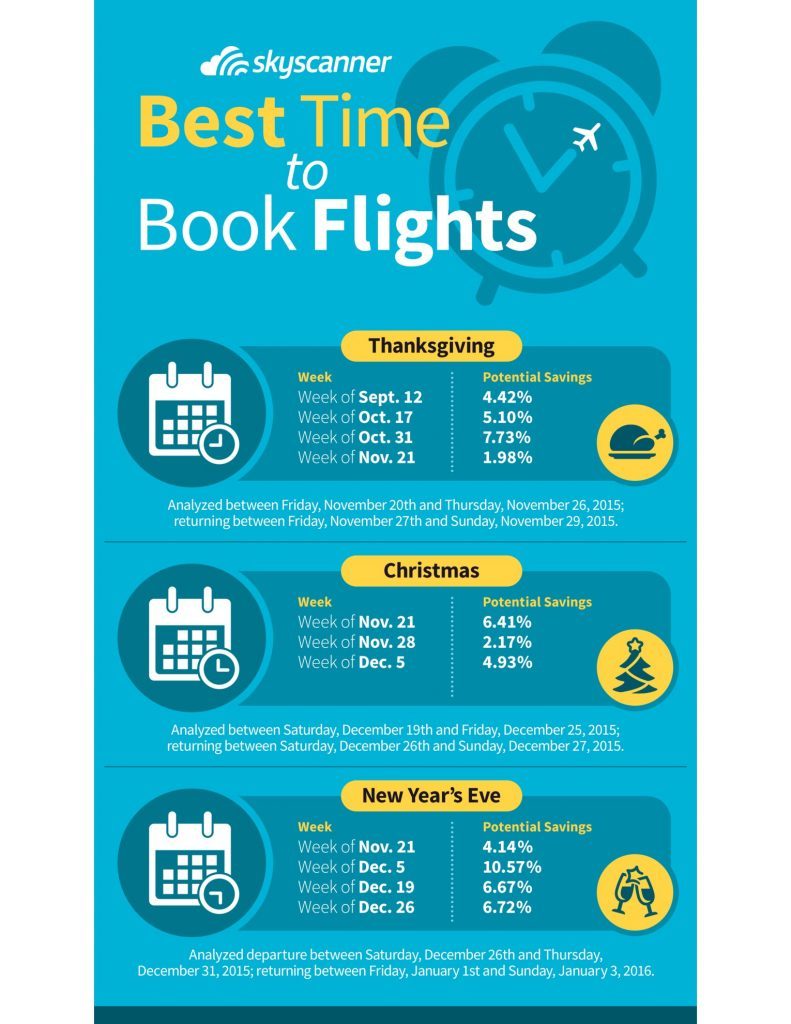
These general rules come with a significant caveat: peak travel seasons and major holidays. During periods like Christmas, New Year’s, Spring Break, summer vacations, or major festivals, demand skyrockets, and airlines have little incentive to offer discounts. For these times, the “sweet spot” shifts significantly earlier. It’s often advisable to book six to twelve months in advance, especially for international travel, to lock in a relatively reasonable price before the inevitable surge. Waiting can be a costly financial mistake, leading to significantly higher airfares that can derail a carefully planned travel budget. Viewing these peak times as periods of high inflation for airfare helps in understanding the necessity of early commitment.
Strategic Booking Tactics to Maximize Savings
Beyond the general timing windows, several tactical approaches can further optimize your airfare expenditures and stretch your travel budget.
Day of the Week: Debunking Tuesday’s Myth
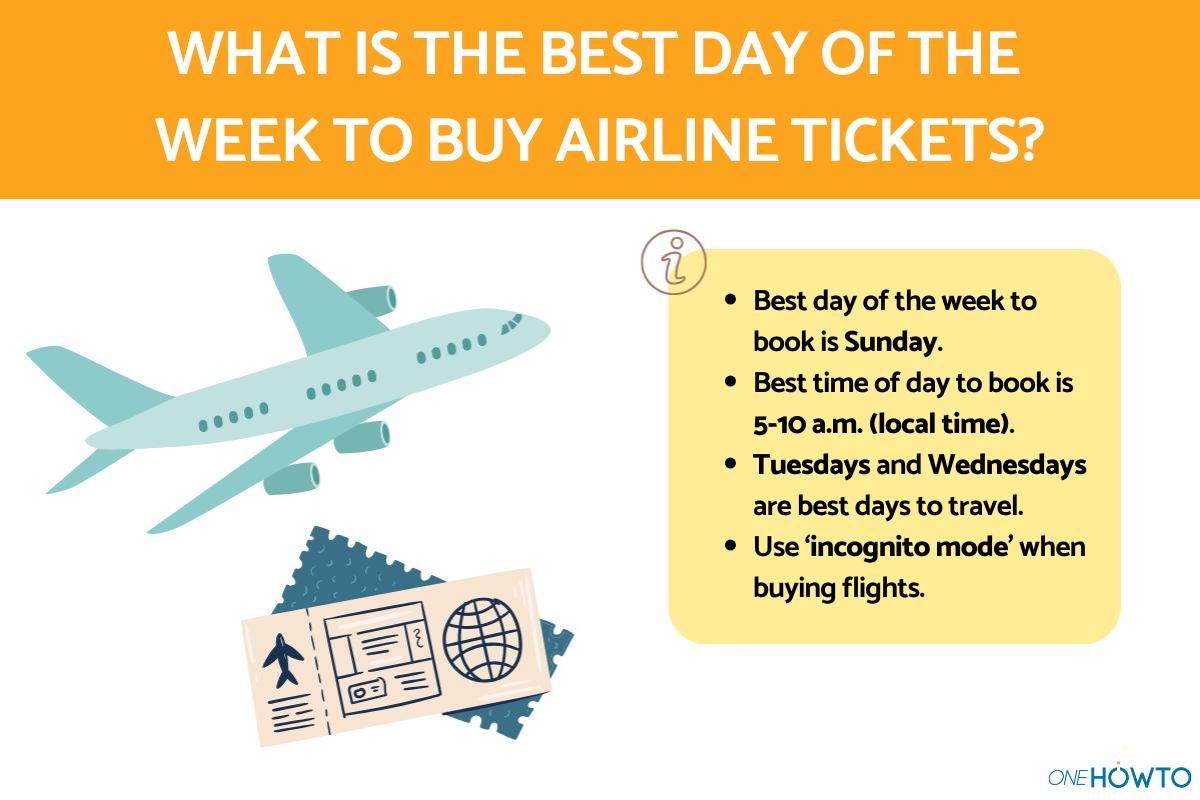
The long-held belief that Tuesday is the cheapest day to book flights is largely outdated. While it might have held some truth historically due to airlines launching sales early in the week, modern pricing algorithms operate continuously. What does often matter, from a financial perspective, is the day of the week you fly. Flying on Tuesdays, Wednesdays, and Saturdays is typically cheaper than flying on high-demand days like Fridays and Sundays. This is because business travelers, who often have less price sensitivity, tend to fly at the beginning and end of the work week. Shifting your travel by just a day or two can result in tangible savings, allowing for a more efficient allocation of your travel funds.
Utilizing Price Prediction Tools and Alerts
In the digital age, technology offers powerful financial tools to aid in airfare procurement. Websites and apps like Google Flights, Skyscanner, Hopper, and Kayak offer price prediction features and the ability to set price alerts. These tools analyze vast amounts of historical data and current trends to forecast future price movements, advising you when to buy or wait. Setting alerts for your desired route and dates allows you to receive notifications when prices drop to a financially attractive level, taking the guesswork out of constant monitoring. This proactive approach ensures you capitalize on temporary price dips, much like a savvy investor uses market alerts.
The Art of Flexible Travel Dates and Airports
Flexibility is perhaps the most potent financial weapon in your airfare arsenal. If your travel dates are somewhat pliable, using the “flexible dates” option on search engines can reveal significantly cheaper options by shifting your departure or return by a few days. Similarly, being open to flying into or out of alternative, smaller airports near your destination can yield substantial savings. Major international airports often carry higher fees and taxes that are passed onto the consumer. A slightly longer commute to a different airport might translate into hundreds of dollars saved, a clear demonstration of financial arbitrage in travel.
Considering Layovers and Budget Airlines
While direct flights offer convenience, they often come at a premium. Opting for flights with layovers, especially longer ones, can frequently result in lower fares. Budget airlines, while sometimes sacrificing comfort or charging for “extras,” are another excellent financial consideration for saving money, particularly for short-haul flights. However, a careful cost-benefit analysis is essential: factor in potential baggage fees, seat selection charges, and the value of your time when comparing prices. Ensuring the overall cost, including these add-ons, is truly cheaper is key to smart financial planning.
Advanced Financial Strategies for Airfare Procurement
Beyond the basics, sophisticated financial approaches can further enhance your ability to minimize airfare costs and maximize travel value.
Leveraging Credit Card Rewards and Miles
For many seasoned travelers, credit card rewards programs are a cornerstone of their travel finance strategy. Travel-specific credit cards often offer substantial sign-up bonuses in the form of miles or points, which can be redeemed for free or heavily discounted flights. Earning points through everyday spending and strategically using co-branded airline cards can significantly reduce out-of-pocket airfare expenses. However, responsible credit card usage is paramount; the financial benefits of rewards are quickly negated by interest charges from carrying a balance. This strategy requires diligent financial management and understanding the true value of your points.
Bundling Flights with Hotels (When It Makes Sense)
Travel packages that bundle flights with hotels or car rentals can sometimes offer attractive savings compared to booking each component separately. Online travel agencies (OTAs) often negotiate bulk rates with airlines and hotels, passing some of these savings onto the consumer. However, this isn’t always the case, and sometimes booking independently can still be cheaper, especially if you find excellent deals on specific hotels or use loyalty programs. A careful financial comparison is essential. Calculate the total cost of the bundle versus the sum of individual bookings, factoring in any potential benefits like hotel loyalty points you might miss out on.
Understanding Refund Policies and Travel Insurance
A crucial, yet often overlooked, financial consideration is the flexibility and protection offered with your ticket. Basic economy fares, while cheap, often come with stringent no-change/no-refund policies. Investing slightly more for a flexible fare or purchasing travel insurance can be a wise financial decision, especially for expensive international trips or if there’s any uncertainty about your plans. Travel insurance can cover unforeseen circumstances like medical emergencies, trip cancellations, or delays, protecting your financial investment in the trip. It’s an expense that, like other forms of insurance, pays for itself if the unexpected occurs, safeguarding your personal finances.
The “Wait and See” vs. “Book Early” Dilemma
This is a classic financial dilemma for airfare. “Wait and see” involves hoping for a last-minute sale, a strategy that carries significant risk, especially for popular routes. “Book early” guarantees a seat and often a more predictable price, but might miss out on an unlikely flash sale. For most travelers and routes, especially international and peak-season travel, the “book early” approach is the financially safer bet. The odds of a substantial last-minute price drop are often outweighed by the risk of prices skyrocketing. For less critical, highly flexible domestic travel to common destinations, a measured “wait and see” with price alerts might be viable.
Common Pitfalls and How to Avoid Them
Even with the best intentions, travelers can fall victim to common financial traps when booking airfare.
Last-Minute Panic Booking
One of the most expensive financial mistakes is booking flights at the last minute, particularly within two weeks of departure. As seat availability dwindles, prices typically soar. This is when airlines leverage desperate demand with minimal supply, charging a premium for remaining seats. Avoiding this requires proactive planning and adhering to the “sweet spot” windows discussed earlier. A panicked last-minute booking can easily double or triple your intended airfare expenditure.
Over-Reliance on Single Search Engines
While convenient, relying solely on one flight search engine can mean missing out on better deals. Different OTAs and airline websites might have varying inventory or exclusive sales. To get a comprehensive financial picture, it’s wise to cross-reference prices across several platforms (e.g., Google Flights, Skyscanner, Momondo, direct airline websites) and clear your browser cookies or use incognito mode to prevent dynamic pricing based on your search history. This ensures you’re comparing the broadest possible market.

Ignoring Hidden Fees
The headline price of a flight can be deceptive. Budget airlines, in particular, are notorious for charging extra for checked baggage, carry-on bags, seat selection, meals, and even printing boarding passes. Always read the fine print and calculate the total cost of your journey, including all potential add-ons, before committing. Failure to account for these hidden fees can significantly inflate your travel budget, turning an initially cheap flight into an unexpectedly expensive one. This due diligence is fundamental to sound personal finance when traveling.
In conclusion, determining the “best” time to book airfare is less about finding a magic moment and more about applying astute financial strategies. By understanding market dynamics, leveraging historical data, employing smart booking tactics, and avoiding common pitfalls, you can significantly reduce your travel costs. This approach transforms airfare booking from a mere transaction into a strategic financial endeavor, ensuring your hard-earned money takes you further, literally.
aViewFromTheCave is a participant in the Amazon Services LLC Associates Program, an affiliate advertising program designed to provide a means for sites to earn advertising fees by advertising and linking to Amazon.com. Amazon, the Amazon logo, AmazonSupply, and the AmazonSupply logo are trademarks of Amazon.com, Inc. or its affiliates. As an Amazon Associate we earn affiliate commissions from qualifying purchases.