
The prospect of travel, once a relatively predictable expense, has transformed into a financial puzzle for many, with plane tickets reaching unprecedented price points. From bustling city breaks to tranquil international getaways, the cost of airfare has become a significant barrier, prompting travelers and economists alike to ponder the underlying causes. Understanding this phenomenon requires a deep dive into the complex interplay of macroeconomic factors, airline operational realities, market dynamics, and evolving regulatory landscapes, all firmly rooted in the realm of finance. This article will unravel the multifaceted financial pressures contributing to the current elevated cost of air travel, offering insights into why your next flight might cost more than you anticipate.
The Unfolding Economic Landscape: Macroeconomic Pressures
The global economy is a powerful force shaping the cost of nearly every good and service, and air travel is no exception. Several pervasive macroeconomic trends are directly impacting the financial viability and pricing strategies of airlines worldwide.
Inflationary Pressures Across the Board
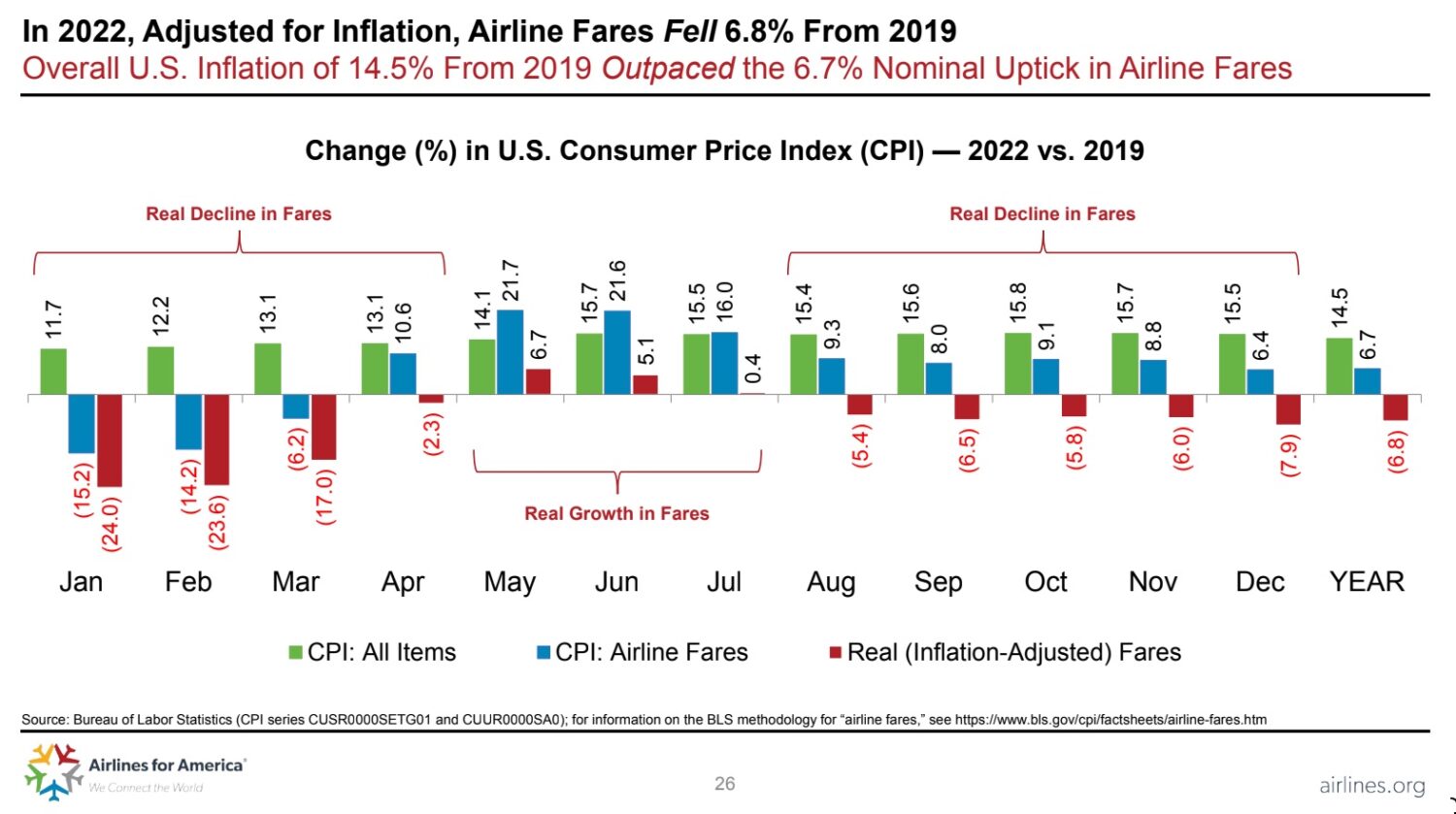
One of the most significant culprits behind rising ticket prices is persistent global inflation. From the cost of labor to raw materials, the purchasing power of currency has eroded, meaning airlines pay more for everything they need to operate. This inflationary environment isn’t confined to a single sector; it’s a systemic issue that elevates the baseline cost of doing business. Airlines, like any other enterprise, must pass these increased costs onto consumers to maintain profitability and financial solvency. This isn’t merely about adjusting prices; it’s a fundamental response to the erosion of profit margins if prices remain static while operational expenses climb.
Volatility in Fuel Prices
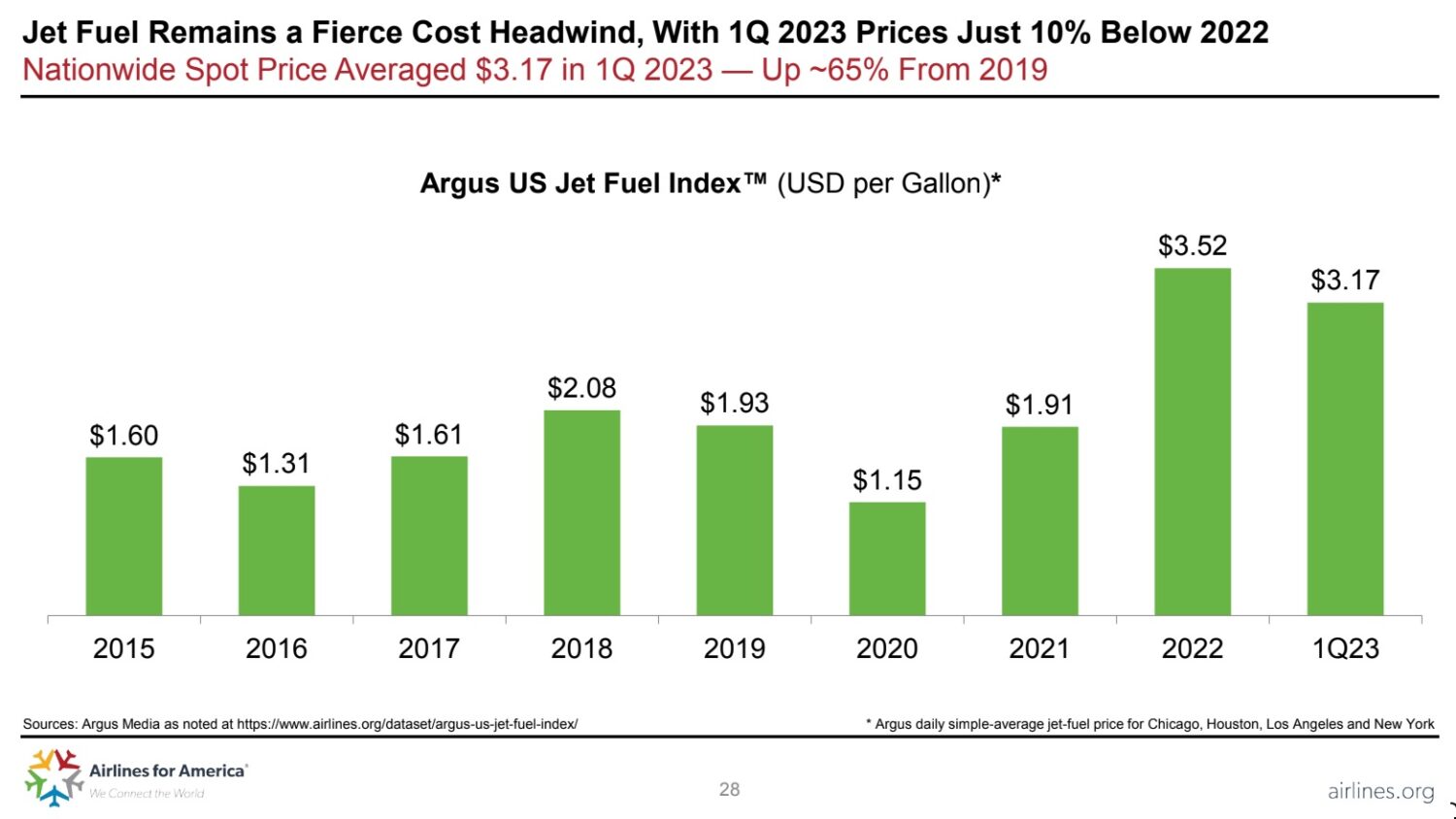
Jet fuel remains an airline’s single largest variable cost, often accounting for 20-30% of total operating expenses, and sometimes even higher during periods of extreme volatility. Global geopolitical events, supply chain disruptions, and fluctuations in crude oil markets directly translate into unstable and often escalating fuel costs. When the price per barrel of oil spikes, airlines face immediate and substantial financial headwinds. While some airlines engage in fuel hedging strategies to mitigate these risks, these contracts only offer partial protection and often come with their own financial costs. Ultimately, the unpredictable nature and general upward trend in fuel prices necessitate higher ticket fares to offset these enormous and unavoidable expenditures. The consumer directly absorbs a portion of this volatility as airlines adjust their pricing models dynamically.
Labor Market Dynamics and Wage Inflation
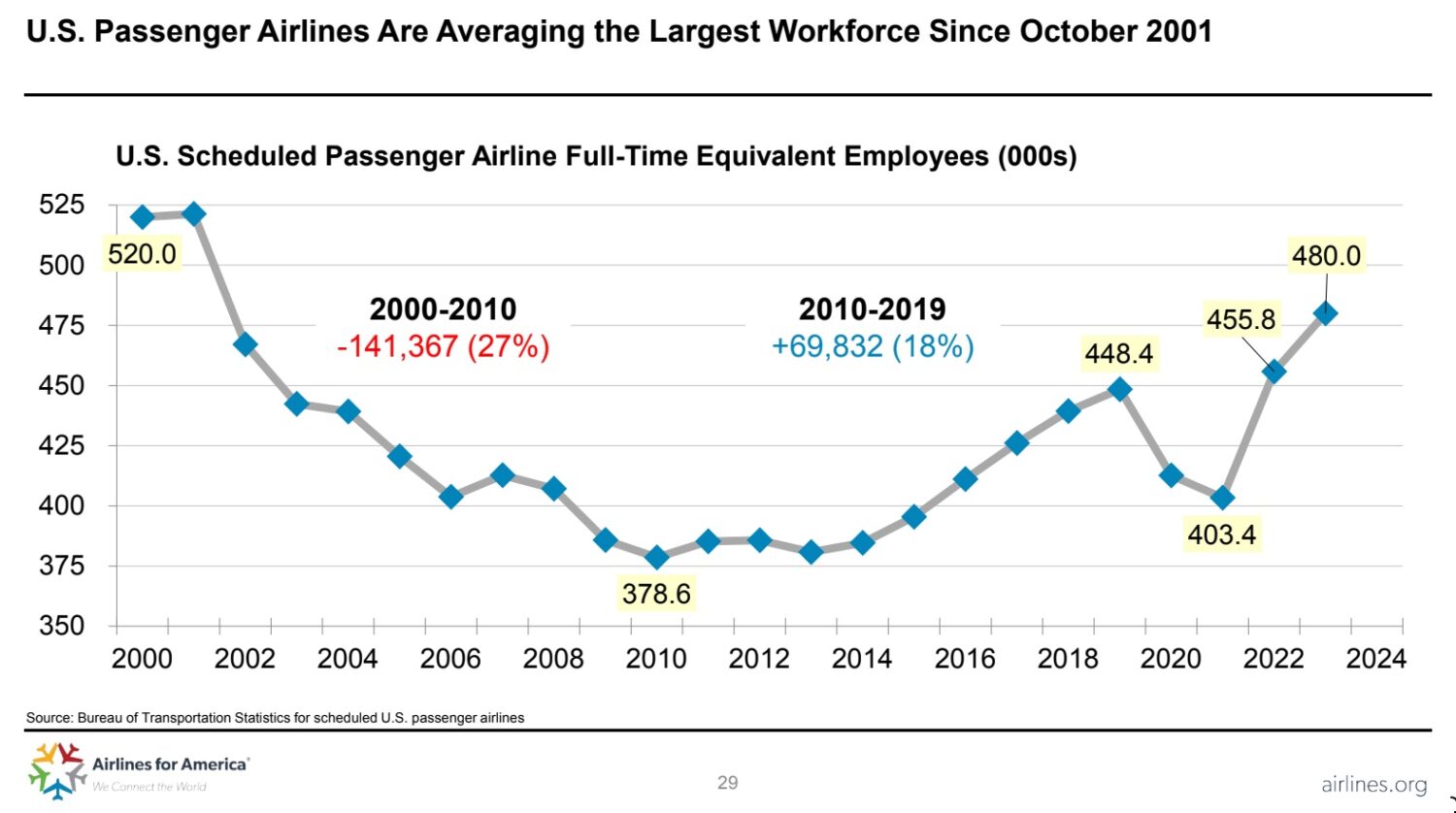
The post-pandemic economic recovery has seen significant shifts in labor markets, particularly within the aviation sector. Airlines and airports are grappling with shortages of pilots, flight attendants, ground staff, and air traffic controllers. This scarcity drives up labor costs as companies compete for a limited pool of talent, often through higher wages, improved benefits, and signing bonuses. These increased personnel expenses are a substantial component of an airline’s balance sheet. Furthermore, union negotiations, which are common in the aviation industry, can lead to significant wage increases that become locked-in long-term financial commitments. Airlines must factor these escalating labor costs into their pricing models, making higher ticket prices an inevitable consequence of attracting and retaining the essential workforce needed to operate safely and efficiently.
Airline Operational Costs: The Business of Flying
Beyond the broader economic picture, the specific and intricate operational costs inherent to running an airline play a pivotal role in dictating ticket prices. The financial complexity of operating a modern airline is immense, with a myriad of fixed and variable expenses that must be covered.
The Ever-Present Expense of Jet Fuel
As highlighted earlier, jet fuel is a monumental expense. But it’s not just the price per barrel; it’s the sheer volume consumed. A single long-haul flight can burn tens of thousands of gallons of fuel. Managing this cost involves not only purchasing strategies but also operational efficiencies, such as optimizing flight paths, reducing weight, and investing in more fuel-efficient aircraft. However, the capital expenditure for new, more efficient planes is significant, creating another financial pressure point. The financial department of any airline is constantly battling to forecast and manage these fuel costs, which directly translate into the base fare of a ticket.
Maintenance, Fleet Renewal, and Airport Fees
Operating a fleet of aircraft requires rigorous and costly maintenance schedules to ensure safety and regulatory compliance. Regular inspections, repairs, and the replacement of components are non-negotiable financial outlays. Moreover, airlines continually invest in fleet renewal, purchasing new aircraft that often come with price tags in the hundreds of millions of dollars each. These capital expenditures, whether financed through debt or equity, impact an airline’s financial health and its pricing strategies.
In addition to aircraft-related costs, airlines incur substantial airport fees, landing charges, and air traffic control fees. These charges vary by airport and can be particularly high at major international hubs, adding significantly to the operational cost per flight. Security fees, ground handling services, and even parking for aircraft contribute to the intricate web of expenses that airlines must recuperate through ticket sales. Each of these financial burdens is meticulously factored into the pricing algorithm for every route.
Capacity Management and Route Profitability
Airlines meticulously manage their capacity—the number of available seats—to maximize profitability. Following the pandemic, many airlines were cautious about rapidly restoring full capacity due to economic uncertainties and operational challenges like staff shortages. This strategic reduction in available seats on certain routes, or a slower pace of increasing capacity, creates an imbalance when demand surges. Fewer available seats chasing high demand inevitably leads to higher prices, a classic supply-and-demand dynamic from a financial perspective. Furthermore, airlines constantly analyze route profitability, discontinuing or reducing service on less lucrative routes to concentrate resources on those that generate higher financial returns. This optimization, while sensible for an airline’s balance sheet, can limit options and drive up prices on remaining routes.
Supply, Demand, and Dynamic Pricing Algorithms
The interaction between market forces and sophisticated pricing technologies forms the core of how ticket prices are ultimately determined. This isn’t just about simple supply and demand; it’s about highly granular, real-time financial optimization.
Post-Pandemic Demand Surge
The most immediate and apparent driver of current high prices is the robust resurgence of travel demand. After years of restrictions and subdued travel during the pandemic, there’s significant pent-up demand for both leisure and business travel. Consumers are eager to reconnect, explore, and resume normal activities. This sudden influx of demand, often exceeding the recovery pace of airline capacity, creates a classic seller’s market. When more people want to fly than there are available seats at pre-pandemic prices, airlines leverage this demand to increase fares, optimizing their revenue per available seat mile (RASM). This is a purely financial response to market conditions.
Algorithmic Pricing and Revenue Management
Modern airline pricing is incredibly sophisticated, driven by complex algorithms and advanced revenue management systems. These systems continuously analyze a vast array of data points: historical booking patterns, competitor pricing, remaining seat inventory, booking lead times, day of the week, time of day, special events, and even the type of customer (business vs. leisure). They dynamically adjust prices in real-time, often multiple times a day, to maximize revenue. The goal is to sell every seat on a flight at the highest possible price point the market will bear. If a flight is filling up quickly, the algorithm will automatically raise prices. Conversely, if a flight is undersold, it might drop prices to stimulate demand, though this is less common during periods of high overall demand. This financial engineering allows airlines to capture maximum value from each booking.
Legacy Airline Structures and Competitive Dynamics
While low-cost carriers have pressured pricing for decades, legacy airlines, particularly on international and business-heavy routes, still operate with different cost structures and often less aggressive pricing models designed to attract premium customers. The competitive landscape can vary significantly by route. On routes with fewer airlines or less direct competition, there’s less downward pressure on prices. Furthermore, airline mergers and consolidations over the past two decades have reduced the number of major players, potentially leading to less aggressive price competition on certain routes. While anti-trust laws aim to prevent monopolies, the reality of fewer dominant carriers can financially empower those remaining to maintain higher fare levels.
Regulatory Environment and Infrastructure Constraints
Government policies, taxes, and the physical limitations of aviation infrastructure also impose financial burdens that ripple through to ticket prices.
Environmental Regulations and Carbon Costs
Airlines are facing increasing pressure and regulation to reduce their carbon footprint. This includes investments in sustainable aviation fuels (SAFs), which are currently significantly more expensive than traditional jet fuel, and the potential for carbon taxes or emissions trading schemes. While these initiatives are crucial for the planet, they represent substantial new financial costs for airlines. Research and development into greener technologies, as well as the immediate adoption of more expensive eco-friendly options, are costs that ultimately must be incorporated into the ticket price. This is an emerging but growing factor in the financial equation of air travel.
Air Traffic Control and Airport Capacity
The infrastructure supporting air travel, including air traffic control (ATC) systems and airport runway/gate capacity, often struggles to keep pace with demand. Outdated ATC technology in some regions can lead to inefficiencies, flight delays, and longer flight times, all of which burn more fuel and increase operational costs for airlines. Similarly, congested airports with limited slots for take-offs and landings create artificial scarcity, allowing airlines to charge a premium for access to desirable routes and times. Investments in upgrading this infrastructure are massive public undertakings, but the operational inefficiencies caused by current limitations translate directly into higher operating costs for airlines, which are then passed on to the consumer.
Government Taxes and Fees
Travelers often overlook the substantial portion of a ticket price that consists of government taxes and fees. These can include security fees, passenger facility charges, international arrival/departure taxes, and various other levies imposed by national and local governments. These are non-negotiable financial additions to the base fare and can significantly inflate the total cost, especially for international flights. While not a direct airline profit, these mandated charges are a fixed financial burden on the traveler, contributing to the overall perception of expensive tickets.
Strategies for Savvy Travelers: Navigating High Fares
For consumers grappling with these elevated costs, understanding the financial dynamics can empower smarter travel planning and potentially mitigate some of the financial sting.
Strategic Booking and Flexibility
One of the most effective strategies is to be financially astute with booking timing. Prices fluctuate wildly, but generally, booking well in advance (often 2-3 months out for domestic, 3-6 months for international) tends to yield better fares. Avoiding peak travel seasons, holidays, and weekends is crucial, as demand is highest during these periods, and algorithms will price accordingly. Being flexible with travel dates and even airports (checking alternative nearby hubs) can unlock significant savings. Utilizing financial tracking tools or price alerts can help travelers identify opportune moments to purchase when prices temporarily dip.
Leveraging Financial Tools and Loyalty Programs
Travel-focused credit cards can offer substantial benefits, including earning miles or points that can be redeemed for flights, access to airport lounges, or travel insurance. Strategic use of these financial products can offset some of the direct cash cost of tickets. Joining airline loyalty programs, even if you don’t fly frequently, can accumulate points that lead to discounted fares, upgrades, or free flights over time. Understanding how to maximize points and miles is a financial discipline that can significantly reduce travel expenses.
Budget Airlines and Alternative Destinations
While not always an option for every route, considering budget airlines for point-to-point travel can offer cheaper base fares, though often with added costs for baggage, seat selection, and other amenities. Travelers must do their financial calculations to see if the total cost is truly cheaper. Furthermore, exploring alternative, less popular destinations can often yield more affordable flights and overall travel costs, as demand (and therefore pricing) is lower. Shifting focus from major tourist hotspots to emerging destinations can be a financially sound approach to travel.
In conclusion, the current high cost of plane tickets is not attributable to a single factor but rather a complex convergence of macroeconomic pressures, including inflation and fuel volatility; the intricate financial realities of airline operations, from labor costs to maintenance; the powerful forces of supply and demand amplified by sophisticated algorithmic pricing; and the financial burden of regulatory and infrastructure constraints. For the traveler, this financial landscape necessitates a more strategic and informed approach to planning and booking, armed with an understanding of the diverse elements that collectively dictate the price of taking flight.
aViewFromTheCave is a participant in the Amazon Services LLC Associates Program, an affiliate advertising program designed to provide a means for sites to earn advertising fees by advertising and linking to Amazon.com. Amazon, the Amazon logo, AmazonSupply, and the AmazonSupply logo are trademarks of Amazon.com, Inc. or its affiliates. As an Amazon Associate we earn affiliate commissions from qualifying purchases.