
In the intricate world of air travel, the quest for the cheapest flight is a perpetual pursuit for budget-conscious travelers. For those loyal to JetBlue’s distinctive service and amenities, understanding the nuances of their pricing structure can unlock significant savings. While popular wisdom often points to specific days of the week, the reality is far more complex, driven by sophisticated algorithms, market demand, and a host of other variables. This deep dive aims to demystify the process, offering practical financial strategies to secure the best possible fares for your next JetBlue adventure.

Decoding the Dynamics of Flight Pricing
To truly understand how to find the cheapest JetBlue flight, one must first grasp the underlying mechanics that govern airfare pricing. It’s not simply a matter of picking a day; it’s about navigating a dynamic economic landscape.
The Algorithmic Nature of Airfare
Airlines, including JetBlue, employ highly sophisticated revenue management systems that utilize complex algorithms to set and constantly adjust ticket prices. These algorithms analyze vast amounts of data, including historical booking patterns, current demand for specific routes and dates, competitor pricing, fuel costs, seasonal trends, local events, and even the time of day a search is performed. This means prices can fluctuate hourly, or even by the minute, making the concept of a single “cheapest day” somewhat fluid. The goal for airlines is to maximize revenue by filling as many seats as possible at the highest possible price, differentiating between customers willing to pay a premium for convenience and those prioritizing savings.
Supply and Demand: The Core Principle
At its heart, flight pricing is a classic example of supply and demand economics. When demand for a particular flight or route is high – perhaps due to a holiday weekend, a major sporting event, or a popular vacation season – prices will naturally increase as available seats become scarcer. Conversely, when demand is low, airlines are more likely to drop prices to fill seats that would otherwise go empty. This principle explains why flying during peak travel seasons (e.g., summer, Christmas, spring break) or on peak travel days (Fridays and Sundays) is almost always more expensive. Understanding anticipated demand is crucial for predicting potential price drops or surges.
Impact of Booking Windows and Seasonality
The timing of your booking relative to your departure date also plays a significant role. Booking too early might mean missing out on last-minute deals if demand slackens, while booking too late often results in higher prices as seats fill up and the airline is confident it can sell remaining tickets at a premium. The general consensus for domestic flights suggests a booking window of 1-3 months in advance for the best prices, extending to 3-6 months for international travel. For JetBlue, this window can vary slightly depending on the route and popularity. Furthermore, seasonality profoundly impacts pricing. Traveling during the “shoulder seasons” (e.g., late spring or early fall) often yields better prices than peak summer or winter holidays, as demand is typically lower and weather conditions are still pleasant.
The Myth and Reality of “Cheapest Days”
The notion of a specific “cheapest day” to book a flight has been a persistent piece of travel lore. While there’s a kernel of truth to some of these ideas, the landscape has evolved significantly.
Tuesdays: A Fading Legend?
For years, Tuesday afternoons were heralded as the golden hour for booking flights. The theory was that airlines would release their weekly sales on Monday nights, and by Tuesday morning, competitors would have matched those prices, creating a brief window of low fares. While this pattern might have held more true in the past, modern algorithmic pricing and continuous competitive monitoring have largely diluted its impact. Airlines now adjust prices much more frequently than once a week. While some minor fluctuations might still occur, relying solely on Tuesday as your cheapest booking day is likely to disappoint. Instead, it’s more about catching a price drop whenever it occurs, rather than waiting for a specific calendar day.
Weekends vs. Weekdays: Beyond the Obvious
A more reliable correlation exists between the day you fly and the cost of your ticket. Generally, flying on Tuesdays, Wednesdays, and Saturdays tends to be cheaper than flying on high-demand days like Fridays and Sundays. Business travelers often depart on Mondays and return on Fridays, while leisure travelers prefer long weekend trips, peaking demand and prices on those days. Therefore, if your schedule allows for mid-week departures and returns, you are statistically more likely to find lower JetBlue fares. This extends to early morning or late-night flights on any day, which are often less convenient and thus less in demand.
The Sweet Spot: Early Mornings and Late Nights
Beyond the specific day of the week, the time of day you choose to fly can also significantly impact your wallet. Flights departing very early in the morning (e.g., before 7 AM) or very late at night (e.g., after 9 PM) are typically less popular and, consequently, cheaper. While these times might require an inconvenient alarm or a late arrival, the savings can be substantial. For travelers prioritizing financial efficiency over maximum convenience, adjusting your flight times can be a highly effective strategy for securing better JetBlue deals.
Strategic Approaches to Finding JetBlue Deals
Given the complexity of flight pricing, a multi-faceted strategy is essential to consistently find the best financial value for your JetBlue flights.
Flexibility is Your Financial Friend
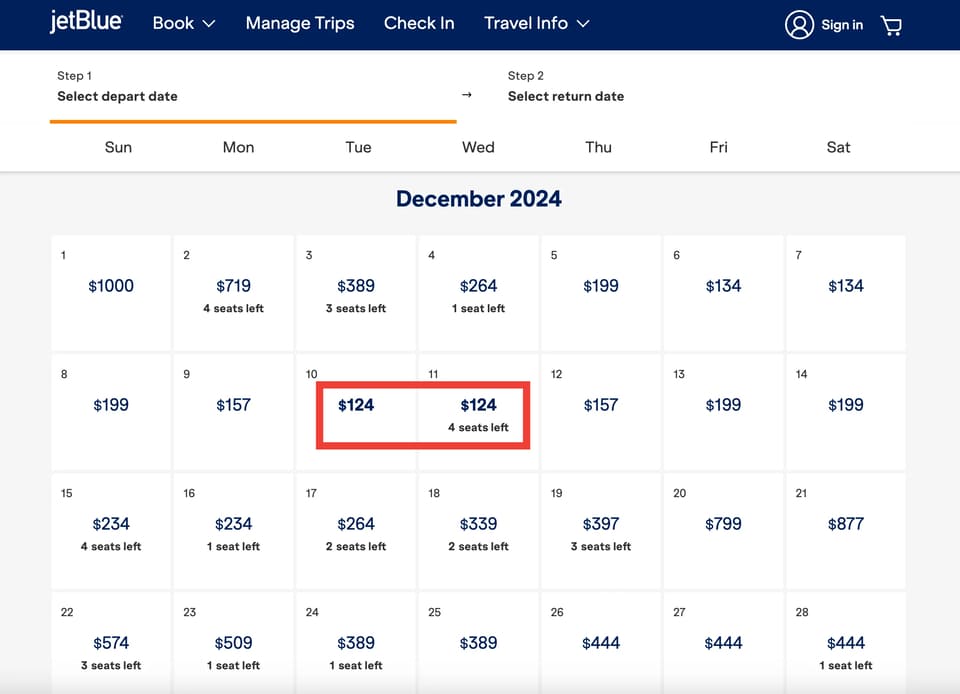
The single most impactful financial strategy for securing cheaper flights is flexibility. If you can be flexible with your travel dates, departure and arrival airports, and even your destination, you dramatically increase your chances of finding lower fares. JetBlue, like other airlines, often has specific days or weeks when demand for a particular route is lower, leading to price drops. Using “flexible date” search options on JetBlue’s website or other flight aggregators allows you to view a calendar of prices, pinpointing the cheapest days to fly within a given month or range. Even shifting your departure or return by a single day can sometimes yield hundreds of dollars in savings.
Leveraging Price Alerts and Comparison Tools
In today’s digital age, you don’t need to constantly monitor prices manually. Financial tools designed for travel can do the heavy lifting for you. Set up price alerts for your desired JetBlue routes using services like Google Flights, Skyscanner, Hopper, or directly through JetBlue’s website (if available). These tools will notify you when prices drop, allowing you to pounce on a deal before it disappears. Additionally, always compare prices across multiple platforms. While booking directly with JetBlue often has benefits (like easier changes or earning loyalty points), sometimes online travel agencies (OTAs) may have special promotions or packaged deals.

Exploring Alternative Airports and Routes
While JetBlue primarily operates from major hubs, don’t limit your search to just the most obvious airports. If your destination city has multiple airports (e.g., New York’s JFK, LaGuardia, Newark; Los Angeles’ LAX, Long Beach, Santa Ana), check fares from and to each of them. Sometimes, flying into or out of a slightly less convenient airport can result in significant savings that outweigh the cost or time of ground transportation. Similarly, consider connecting flights instead of direct ones. While direct flights are more convenient, a layover, particularly if it’s longer or involves a less popular connecting city, can often be considerably cheaper.
The Power of Incognito Browsing and VPNs (Considered Opinion)
A common piece of advice circulating in personal finance travel circles is to use incognito mode or a VPN when searching for flights, based on the belief that airlines track your search history and raise prices for routes you frequently view. While airlines do track user behavior, there’s limited concrete evidence to suggest that incognito mode or VPNs consistently lead to significant price drops. Most price changes are driven by the broader algorithmic factors of supply, demand, and competitor pricing, not individual browsing habits. However, it costs nothing to try, and clearing your browser cookies periodically might refresh pricing views. The real savings come from the strategies mentioned above, not a technical workaround.
Considering Bundles and Loyalty Programs
JetBlue offers various fare types (e.g., Blue Basic, Blue, Blue Extra, Mint) with different inclusions regarding baggage, seat selection, and change fees. Carefully evaluate which fare type truly meets your needs. Sometimes, a slightly higher fare that includes a checked bag is ultimately cheaper than a “basic” fare where you pay for the bag separately. Furthermore, if you are a frequent flyer, enrolling in JetBlue’s TrueBlue loyalty program can yield substantial long-term financial benefits. Earning points through flights, JetBlue credit cards, or partner activities can eventually lead to free flights or upgrades, representing significant savings over time.
Beyond the Booking Day: Other Cost-Saving Strategies for JetBlue
Finding the cheapest day to book is only one piece of the financial puzzle. Maximizing savings on JetBlue flights also involves smart choices after you’ve secured your ticket.
Understanding JetBlue’s Fare Tiers
JetBlue’s fare options, from Blue Basic to Mint, dictate what’s included and what costs extra. Blue Basic, while the cheapest upfront, comes with restrictions like no carry-on bag (unless you’re a Mosaic member or have an eligible JetBlue credit card), no advance seat selection, and higher change/cancellation fees. For many, the flexibility and inclusions of the standard “Blue” fare are a better value. Always compare the total cost, factoring in potential add-ons, before selecting a fare.
Baggage Fees: Pack Smart to Save
Baggage fees can add a significant sum to your overall travel cost. For example, a single checked bag on JetBlue typically costs around $35-$45. If you’re traveling with multiple bags or family, these costs quickly accumulate. To mitigate this, consider packing light and using only a carry-on and personal item (if your fare allows for it without charge). If you must check a bag, determine if purchasing a “Blue Plus” fare or using a JetBlue co-branded credit card that offers a free checked bag is more cost-effective than paying the fee separately.
In-Flight Extras: Prioritize Your Spending
JetBlue is known for its amenities, including complimentary snacks and drinks, and free in-flight Wi-Fi. However, other extras, like premium seating (Even More Space) or specific meal choices on longer flights, come at an additional cost. Decide what truly enhances your travel experience versus what’s an unnecessary splurge. Bringing your own entertainment, snacks, and a reusable water bottle can help you avoid impulse purchases and keep your in-flight spending minimal.
Credit Card Rewards and Travel Points
For those adept at managing personal finance, strategically using travel-rewards credit cards can unlock significant savings on JetBlue flights. Many co-branded JetBlue credit cards offer sign-up bonuses in TrueBlue points, free checked bags, and accelerated point earnings on JetBlue purchases. Redeeming these points for flights can dramatically reduce or even eliminate cash expenditures. Even general travel rewards cards can allow you to redeem points for statement credits against travel purchases, effectively reducing your out-of-pocket costs. Always ensure you pay off credit card balances in full to avoid interest charges that would negate any travel savings.
The Long-Term Perspective: Budgeting for Travel
Ultimately, finding the cheapest JetBlue flight is part of a broader financial strategy for travel. Consistent savings come from thoughtful planning and disciplined budgeting.
Setting Realistic Travel Budgets
Before you even start searching for flights, establish a realistic travel budget. This should encompass not just airfare but also accommodation, ground transportation, food, activities, and a contingency fund. Understanding your financial limits will help you make informed decisions about your destination, travel dates, and the type of flight deals you pursue.
Saving Strategies for Future Adventures
Proactive saving is the cornerstone of affordable travel. Consider setting up a dedicated “travel fund” savings account and automating regular transfers into it. This consistent accumulation of funds ensures that when a great JetBlue deal emerges, you have the financial capacity to seize it without straining your immediate budget. Looking at travel as an ongoing financial goal, rather than a one-off expense, shifts your perspective towards long-term savings strategies.
The Value of Travel Insurance
While it adds an upfront cost, travel insurance can be a wise financial investment, particularly for more expensive trips or international travel. It protects you against unforeseen circumstances like trip cancellations, medical emergencies, lost luggage, or delays. The peace of mind and potential financial recovery if something goes awry can far outweigh the initial premium, making it a crucial component of a financially sound travel plan.
In conclusion, while the allure of a definitive “cheapest day to book a JetBlue flight” persists, the truth lies in a comprehensive approach to financial planning and smart booking strategies. By understanding the forces that drive airfare, embracing flexibility, leveraging technology, and making informed choices throughout your travel journey, you can consistently secure the best possible value for your JetBlue flights, making your travel dreams a more frequent and financially accessible reality.
aViewFromTheCave is a participant in the Amazon Services LLC Associates Program, an affiliate advertising program designed to provide a means for sites to earn advertising fees by advertising and linking to Amazon.com. Amazon, the Amazon logo, AmazonSupply, and the AmazonSupply logo are trademarks of Amazon.com, Inc. or its affiliates. As an Amazon Associate we earn affiliate commissions from qualifying purchases.