
Nippon Airways, more formally known as All Nippon Airways (ANA), stands as a towering testament to Japanese precision, hospitality, and ambition in the global aviation industry. Far more than just an airline, ANA represents a carefully cultivated brand – a symbol of excellence that has transported millions across continents while consistently upholding a distinctive corporate identity. To understand “what is Nippon Airways” is to delve into the intricate tapestry of its origins, its strategic branding, its commitment to customer experience, and its enduring legacy as a world-class carrier. It’s an exploration of how a company defines itself, communicates its values, and resonates with a diverse global audience in an intensely competitive market.
The Genesis and Evolution of a Global Aviation Icon
The story of Nippon Airways is one of remarkable growth and strategic adaptation, beginning in the post-war reconstruction era of Japan and evolving into a globally recognized premium brand. Its journey from a nascent domestic carrier to a major international airline is a powerful illustration of brand building through consistent service, strategic expansion, and a clear vision.
From Domestic Pioneer to International Powerhouse
Founded on December 1, 1952, as Nippon Helicopter and Aeroplane, the company initially focused on domestic air travel and helicopter services, a critical need for a recovering nation. Its merger with Far East Airlines in 1957 marked a significant step, leading to its renaming as All Nippon Airways. This early period was characterized by aggressive domestic expansion, establishing routes and a presence across Japan that solidified its position as the largest domestic carrier. This strong domestic foundation was crucial, not just for operational scale but for forging a brand identity deeply rooted in the Japanese psyche. Passengers came to associate ANA with reliability and accessibility within their own country.
The pivot to international operations began in earnest in the 1980s, a strategic move that transformed ANA from a national champion into a global contender. This expansion was not merely about adding routes; it was about extending the brand’s reach and promise to an international audience. Each new destination was an opportunity to introduce the ANA brand – its service philosophy, its safety record, and its distinct Japanese character – to new markets. This carefully managed transition from domestic dominance to international presence showcased a brand strategy focused on gradual, sustainable growth, ensuring that core values and service standards were maintained across all new ventures.
Shaping Japanese Aviation Identity
ANA’s brand narrative is inextricably linked with the broader story of modern Japan. As Japan emerged as a global economic force, ANA mirrored this ascendancy in the skies. It became an ambassador for Japanese culture and innovation, embodying qualities such as punctuality, meticulous attention to detail, and a deep-seated respect for service. The brand helped shape the perception of Japanese aviation, moving beyond mere transportation to offer an experience that reflected national characteristics. This strong cultural alignment gave ANA an authentic voice and distinctiveness that resonated with both Japanese and international travelers seeking an experience imbued with a sense of place.
The airline’s journey has involved navigating numerous challenges, from oil crises to global pandemics, yet its brand resilience has been a constant. Each challenge has served as an opportunity for the brand to demonstrate its adaptability and commitment to its passengers and employees, further solidifying its reputation for stability and reliability. This consistent performance, even in adversity, is a cornerstone of its brand identity, fostering trust and loyalty among its customer base.
Key Milestones in Brand Development
Several pivotal moments have defined ANA’s brand trajectory. The introduction of its first international scheduled service in 1986, connecting Tokyo to Guam, was a symbolic step towards global aspirations. Joining the Star Alliance in 1999 was another monumental brand decision. This strategic alliance instantly broadened ANA’s global network, allowing it to offer seamless travel experiences across a vast array of destinations through partner airlines. For the customer, this meant greater connectivity and convenience, while for ANA, it reinforced its status as a major international player and enhanced its brand recognition on a global scale. Being part of Star Alliance also signaled a commitment to international standards and collaboration.
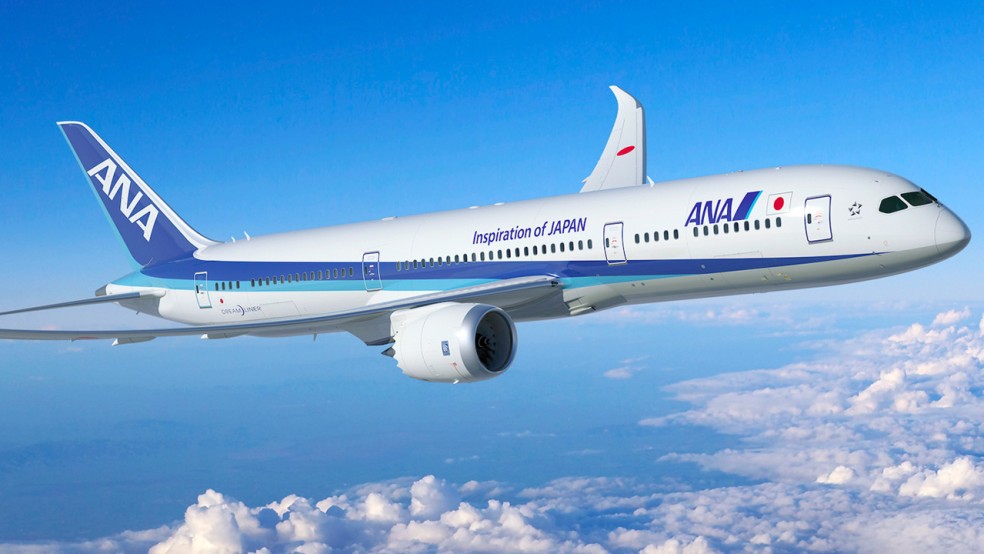
Furthermore, continuous fleet modernization, including being a launch customer for the Boeing 787 Dreamliner, has been integral to its brand strategy. Investing in state-of-the-art aircraft not only provides operational efficiency and passenger comfort but also projects an image of innovation, modernity, and a forward-thinking brand. These milestones are not just operational achievements; they are critical touchpoints in the ongoing evolution of the ANA brand, each one reinforcing its reputation for quality, reliability, and global reach.
Crafting the Nippon Airways Brand Identity
At the heart of “what is Nippon Airways” lies a meticulously crafted brand identity that distinguishes it in a crowded marketplace. This identity is a fusion of visual aesthetics, service philosophy, and deeply ingrained corporate values, all working in concert to create a memorable and consistent brand experience.
Visual Identity: Logos, Livery, and Aesthetics
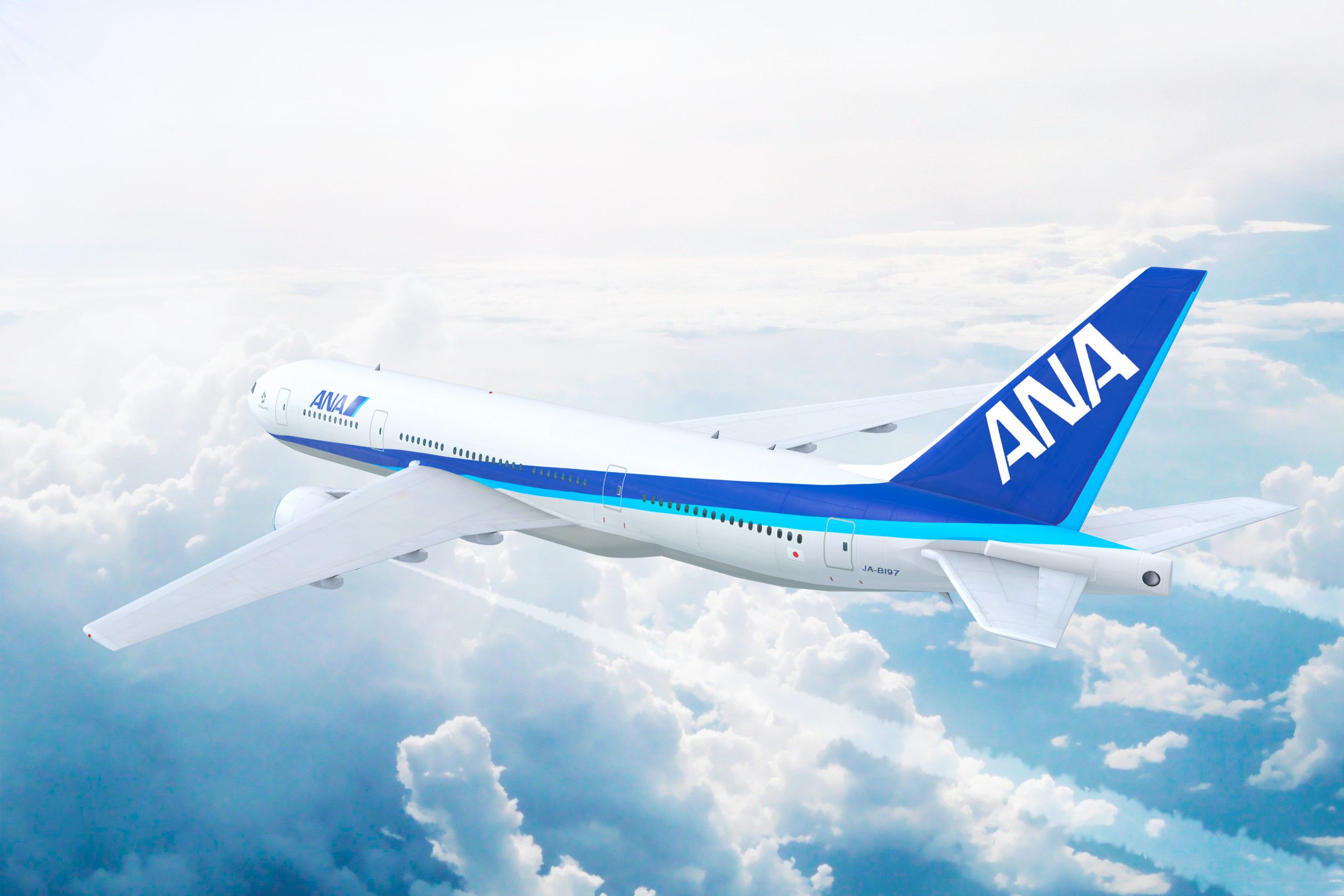
ANA’s visual identity is instantly recognizable and powerfully evocative. The current corporate logo, a stylized “ANA” often accompanied by a blue and white livery, is clean, modern, and conveys a sense of professionalism and serenity. The blue represents the sky and sea, symbolizing flight and international reach, while white signifies purity and precision. This color scheme extends across its aircraft livery, ground operations, and digital platforms, ensuring consistent brand recognition at every touchpoint.
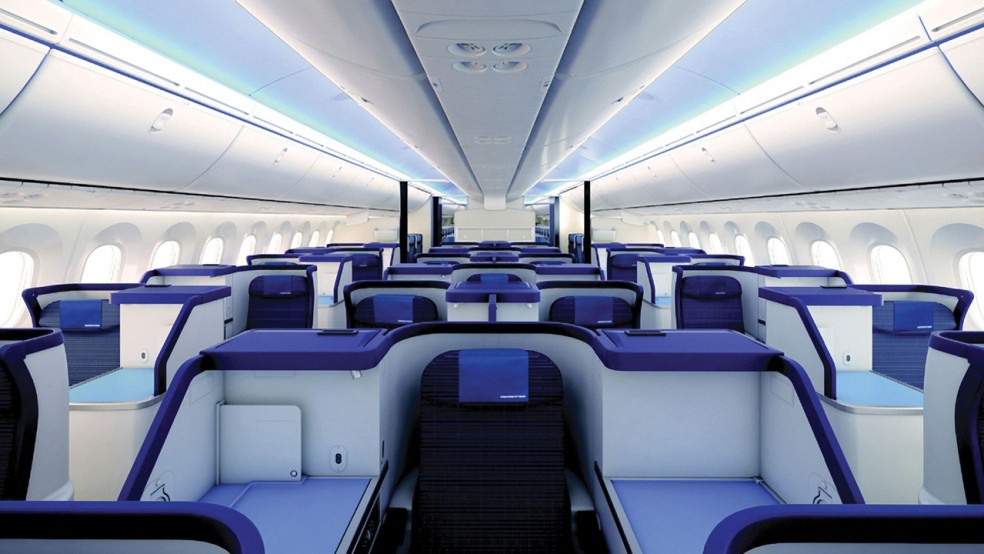
The design of its aircraft interiors and amenities also plays a crucial role in reinforcing the brand’s aesthetic. From the seat fabrics to the cabin lighting, every detail is carefully considered to project an image of understated elegance and comfort. This meticulous approach to design reflects a broader Japanese cultural appreciation for aesthetics and harmony, transforming a functional space into an extension of the brand’s premium promise. The visual identity is not merely decorative; it is a fundamental part of the brand’s communication, silently conveying its core attributes before a word is even spoken.
The Service Philosophy: Omotenashi and Customer Experience
Perhaps the most potent element of the ANA brand identity is its service philosophy, deeply rooted in the Japanese concept of Omotenashi. More than just hospitality, Omotenashi is about anticipating needs and providing service with a selfless, wholehearted approach, without expectation of reward. For ANA, this translates into a proactive, attentive, and highly personalized customer experience that aims to exceed expectations. It’s visible in the polite greetings, the efficient check-in processes, the attentive cabin crew, and the seamless ground services.
This service philosophy is rigorously trained into every employee, ensuring a consistent and high-quality interaction across all touchpoints. It’s what transforms a routine flight into a pleasant journey, fostering customer loyalty and distinguishing ANA from competitors who might offer similar routes or aircraft. The brand promise isn’t just about getting you from point A to point B; it’s about making the journey itself an enjoyable and respectful experience. This commitment to exceptional service is a powerful differentiator and a cornerstone of the ANA brand.
Corporate Values and Brand Promise
ANA’s corporate values underpin its entire brand strategy. These values typically revolve around safety, reliability, customer-centricity, innovation, and global citizenship. Safety, naturally, is paramount in aviation and forms the bedrock of trust that any airline brand must build. ANA’s impeccable safety record is a direct reflection of its unwavering commitment to this value, which in turn reinforces its reliability as a carrier.
The brand promise extends beyond mere service to encompass a holistic commitment to the passenger. It promises a journey characterized by peace of mind, cultural sensitivity, and technological advancement. By consistently delivering on these promises, ANA builds a strong emotional connection with its customers, turning transactional relationships into long-term loyalty. Its brand promise is thus a commitment to not just deliver a service, but to uphold a standard of excellence that reflects its heritage and aspirations.
Marketing, Communication, and Brand Resonance
Effective marketing and communication are vital for any brand, and Nippon Airways has masterfully employed these tools to amplify its message, engage with its audience, and maintain its resonance in an ever-evolving market.
Digital Presence and Engagement Strategies
In the digital age, an airline’s online presence is as crucial as its physical footprint. ANA has invested significantly in creating a robust and user-friendly digital ecosystem, encompassing its website, mobile app, and social media channels. These platforms are not merely booking portals; they are extensions of the brand experience, offering seamless navigation, personalized services, and rich content that tells the ANA story.
Social media, in particular, has become a key arena for brand engagement. ANA uses platforms like Instagram, Twitter, and Facebook to share captivating imagery, announce new routes, highlight its unique services, and interact directly with passengers. This two-way communication fosters a sense of community and allows the brand to gather feedback, address concerns, and build stronger relationships with its audience. Digital marketing campaigns are often designed to evoke wanderlust, connect with cultural narratives, and showcase the premium aspects of the ANA experience, thus reinforcing its brand positioning.
Strategic Partnerships and Alliances
Beyond the Star Alliance membership, ANA engages in various strategic partnerships that enhance its brand reach and value proposition. Code-share agreements with other airlines allow it to offer a wider network of destinations without needing to operate all flights itself. These partnerships are carefully selected to ensure that partner airlines uphold a similar standard of service and reliability, thus protecting and enhancing the ANA brand image.
Collaborations with tourism boards, cultural institutions, and even other Japanese brands (e.g., in food or entertainment) further enrich the ANA brand. These partnerships position ANA not just as a transportation provider but as a gateway to exploring Japan and the world, aligning itself with aspirational travel experiences. Such strategic alliances are powerful tools for extending brand visibility and reinforcing its value proposition to diverse passenger segments.
Storytelling: Connecting with Passengers Globally
ANA’s marketing consistently leverages storytelling to create emotional connections with its audience. Instead of merely listing features, its campaigns often highlight the experiences of travelers, the dedication of its crew, or the beauty of the destinations it serves. These narratives are designed to resonate on a deeper level, tapping into universal themes of discovery, connection, and aspiration.
For example, campaigns might focus on the meticulous preparation of in-flight meals, showcasing the culinary artistry and commitment to quality, or portray the joyous reunions facilitated by air travel. This human-centric approach to marketing helps differentiate ANA from competitors and builds a brand that feels approachable and trustworthy. By telling compelling stories, ANA effectively communicates its values and promises, reinforcing its brand identity as a thoughtful and premium travel partner.
Challenges, Adaptations, and Future Brand Trajectory
The aviation industry is dynamic and prone to external shocks, making brand resilience and adaptability critical for long-term success. Nippon Airways has faced its share of challenges and continues to strategically adapt its brand to remain relevant and competitive.
Navigating Industry Shifts and Crises
Aviation brands are uniquely vulnerable to geopolitical events, economic downturns, and global health crises. The COVID-19 pandemic, for instance, presented an unprecedented challenge, severely impacting international travel. During such periods, a brand’s response is crucial. ANA’s approach often involved prioritizing safety, demonstrating transparency, and adapting its operations to meet evolving travel restrictions and passenger needs. This adaptability and commitment to passenger welfare, even in dire circumstances, bolstered its brand reputation for reliability and trust.
Furthermore, the industry is increasingly focused on sustainability. ANA, like other major carriers, faces pressure to reduce its environmental footprint. Integrating sustainable practices into its operations and communicating these efforts transparently is becoming an integral part of its brand narrative, appealing to environmentally conscious travelers and stakeholders. The brand’s ability to navigate these shifts and emerge stronger is a testament to its strategic foresight and brand management capabilities.
Innovation in Brand Experience
Innovation is not limited to aircraft technology; it extends to the brand experience itself. ANA continuously seeks ways to enhance the passenger journey through innovation, whether it’s through digital self-service options, personalized entertainment systems, or unique in-flight amenities. The brand understands that a consistent and evolving premium experience is key to retaining discerning customers.
This includes exploring new routes, optimizing connections, and even venturing into new service areas related to travel. By staying at the forefront of customer experience innovation, ANA reinforces its brand image as a modern, forward-thinking airline that genuinely cares about its passengers’ comfort and convenience. Such continuous improvement ensures the brand remains fresh and appealing, avoiding stagnation in a fast-paced industry.
Sustaining Brand Relevance in a Competitive Landscape
In a global market teeming with both full-service and low-cost carriers, sustaining brand relevance is a continuous endeavor. ANA achieves this by consistently delivering on its brand promise of safety, quality, and distinctive Japanese hospitality. It strategically targets premium travelers who value these attributes, while also maintaining an accessible presence for a broader market.
Its commitment to operational excellence, combined with cultural sensitivity and innovative service, allows ANA to differentiate itself from competitors. The airline’s ability to evolve its brand messaging while staying true to its core values ensures its enduring appeal. By continually listening to its customers, adapting to market trends, and reinforcing its unique identity, Nippon Airways remains a highly respected and sought-after airline, continuing to define what it means to be a global leader in aviation.
aViewFromTheCave is a participant in the Amazon Services LLC Associates Program, an affiliate advertising program designed to provide a means for sites to earn advertising fees by advertising and linking to Amazon.com. Amazon, the Amazon logo, AmazonSupply, and the AmazonSupply logo are trademarks of Amazon.com, Inc. or its affiliates. As an Amazon Associate we earn affiliate commissions from qualifying purchases.