
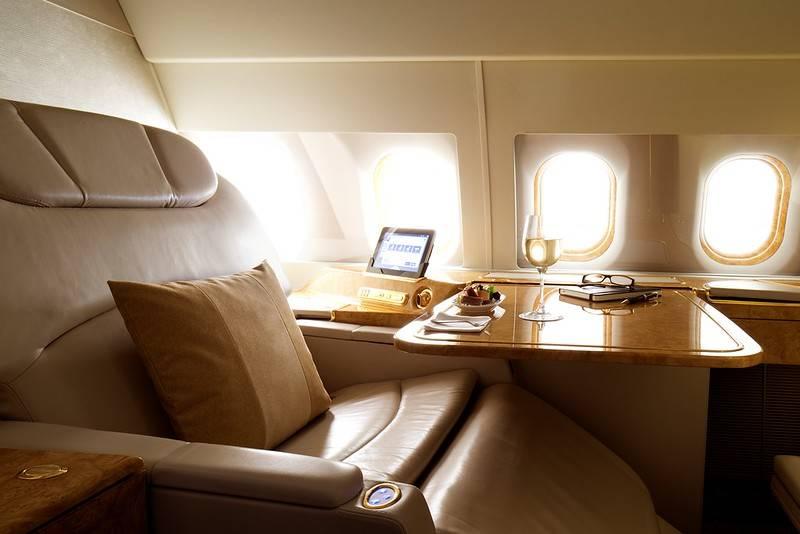
For many, the idea of flying first class evokes images of luxury, unparalleled comfort, and exclusivity – experiences typically reserved for the super-rich or corporate titans on expense accounts. The spacious seats, gourmet meals, dedicated service, and priority boarding often come with a price tag that can be several times higher than an economy fare, making it seem utterly out of reach for the average traveler. However, the dream of sprawling out in a lie-flat seat without draining your life savings is not as far-fetched as it seems. With a strategic approach, a keen understanding of airline economics, and a bit of flexibility, unlocking affordable first-class experiences is entirely possible.

This guide delves into the various financial strategies and savvy booking tactics that can transform the aspirational into the attainable. We will explore how airlines price these premium seats, the best times to search and book, how to leverage loyalty programs and credit card rewards effectively, and even some advanced, lesser-known hacks to elevate your travel experience without the exorbitant cost. Prepare to shift your mindset from merely admiring first class to actively pursuing it as a valuable, budget-friendly option.
Deconstructing First Class Pricing: Understanding the Value Proposition
Before embarking on the quest for cheap first-class tickets, it’s crucial to understand the underlying economics that dictate their price. Airlines operate on complex models, and first class is a significant revenue driver, but also an area where strategic opportunities for savings can arise.
The Premium Price Tag: Why First Class Commands High Costs
The hefty price tag associated with first-class travel isn’t arbitrary; it reflects a carefully calibrated blend of supply, demand, and perceived luxury. Airlines allocate a limited number of first-class seats, creating an inherent scarcity. This limited supply, coupled with the desire for comfort and exclusivity among business travelers and high-net-worth individuals, drives up demand. Furthermore, the cost isn’t just for the larger seat; it encompasses enhanced services such as dedicated check-in, expedited security, lounge access, priority boarding, gourmet dining, premium beverages, and often a more personalized cabin crew-to-passenger ratio. These amenities justify the premium in the eyes of the airlines and a segment of their clientele, but understanding these factors helps in identifying situations where the premium might be less rigid.
Dynamic Pricing and Its Implications
Airlines employ sophisticated dynamic pricing algorithms that constantly adjust ticket prices based on a multitude of factors. These include booking trends, historical data, competitor pricing, route popularity, time of year, day of the week, remaining seat inventory, and even the type of device you’re using. For first-class tickets, this means prices can fluctuate wildly within hours, let alone days or weeks. While often frustrating, this dynamism also creates opportunities. A sudden drop in demand for a particular flight, the need to fill a few remaining seats close to departure, or a competitor launching a promotion can trigger a temporary price reduction. Your ability to monitor and react quickly to these changes is paramount to snagging a deal.
Identifying Seasonal and Route-Specific Opportunities
Not all first-class routes or travel periods are created equal when it comes to pricing. Certain destinations, particularly leisure-oriented ones, will see first-class demand peak during holiday seasons or school breaks. Conversely, business routes might see higher first-class demand on weekdays and lower demand on weekends. Traveling during the “shoulder season” (the period just before or after peak season) or during the off-season for a particular destination can significantly reduce the cost of premium cabins. Furthermore, some less popular routes, or flights at inconvenient times (e.g., very early mornings or late nights), may have more first-class availability and thus more competitive pricing as airlines try to fill those seats. Flexibility in your destination and travel dates is a powerful tool in your financial arsenal.
Strategic Planning and Savvy Booking Tactics
Unlocking cheap first-class tickets often boils down to intelligent planning, a willingness to be flexible, and knowing how to utilize the right tools at the right time. These tactics can help you navigate the complex world of airfare pricing to your advantage.
The Art of Flexibility: Dates, Airports, and Airlines
Flexibility is arguably the most potent weapon in your quest for affordable first-class. Being open to adjusting your departure and arrival dates by a day or two can often reveal significantly lower fares. Mid-week flights (Tuesday, Wednesday, Thursday) are generally cheaper than weekend travel. Similarly, consider flying into or out of alternative airports in the same metropolitan area. A secondary airport might not be as convenient but could offer substantial savings on premium tickets, especially if it serves fewer business travelers. Finally, don’t be beholden to a single airline. Prices vary wildly between carriers, even on the same route. An airline might be running a specific promotion or have surplus first-class inventory on a particular flight, making their premium cabin surprisingly affordable compared to competitors.
Optimal Booking Windows: Timing Your Purchase for Maximum Value
While there’s no single magic formula, historical data suggests general booking windows for optimal pricing. For international first-class tickets, beginning your search anywhere from 3 to 6 months in advance is often recommended, with the sweet spot for booking sometimes falling around 2-4 months out. However, don’t dismiss last-minute opportunities. As the departure date approaches, if an airline has unsold first-class seats, they may drop prices significantly to avoid flying empty. This is a gamble, best suited for those with high risk tolerance and flexible schedules, but it can yield incredible deals. Conversely, booking too far out (e.g., 9-12 months) can sometimes result in higher prices, as airlines haven’t yet fine-tuned their fare structures.
Harnessing Flight Search Engines and Price Alerts
The digital age provides powerful tools to aid your search. Utilize meta-search engines like Google Flights, Skyscanner, Kayak, or Momondo. These platforms allow you to compare prices across multiple airlines and online travel agencies (OTAs) simultaneously. Crucially, they often have features to “track prices” or set up “fare alerts” for specific routes and dates. By setting these alerts, you’ll be notified automatically when the price for your desired first-class ticket drops, allowing you to act swiftly. Remember to check prices for one-way tickets as well; sometimes, booking two separate one-way first-class tickets can be cheaper than a round-trip, especially across different airlines.
Exploring Alternative Routes and Stopovers
Direct flights are always more convenient, but they frequently come at a premium, particularly in first class. Consider routes with one or more layovers. While adding travel time, a longer or less direct itinerary can drastically reduce the cost of a first-class ticket. For instance, flying from New York to London first class might be exorbitant, but flying New York to Dublin in first class and then a separate, short economy flight to London could be significantly cheaper overall. Some airlines also offer better first-class deals on flights originating from smaller or less competitive hubs. This strategy requires a bit more research and planning but can unlock substantial savings for the budget-conscious luxury traveler.
Leveraging Loyalty Programs and Credit Card Rewards
For many seasoned travelers, the most consistent and effective pathway to experiencing first class on a budget lies in strategically accumulating and redeeming airline miles and credit card points. This is where personal finance meets travel hacking, transforming everyday spending into aspirational journeys.
The Power of Points and Miles: Earning Strategies
Accumulating a substantial balance of points and miles is the cornerstone of this strategy. The most common methods include flying with a particular airline or its partners, where you earn miles based on distance flown or ticket price. However, the true game-changer is often credit card spending. Many airline co-branded credit cards and transferable points credit cards (like Chase Ultimate Rewards, American Express Membership Rewards, Citi ThankYou Points, or Capital One Venture Miles) offer generous earning rates on everyday purchases, often 1-5 points per dollar spent in various categories. Strategic spending, paying attention to bonus categories, and using the right card for the right purchase can rapidly build your points balance. Participating in airline dining programs, shopping portals, and hotel stays can also contribute significantly.
Strategic Redemptions: Maximizing the Value of Your Rewards
Earning points is only half the battle; redeeming them wisely is crucial. Not all redemptions are created equal. The “value” of a point can vary dramatically depending on how you use it. Generally, redeeming points for premium cabin flights (first or business class) yields a much higher “cents per point” value than redeeming them for economy flights or merchandise. Look for “sweet spots” in airline award charts – specific routes or airlines where the number of miles required for a first-class ticket is disproportionately low compared to the cash price. Transferring points from a flexible credit card program to an airline partner during a promotional transfer bonus (e.g., 20-30% extra miles) can also stretch your rewards further. Always compare the cash price of a ticket against the required mileage and associated taxes/fees to ensure you’re getting good value.
Credit Card Welcome Bonuses and Annual Benefits
For those new to travel hacking, credit card welcome bonuses are the fastest way to amass a significant stash of points. Many premium travel credit cards offer bonuses of 50,000 to 100,000 points (or more) after meeting a minimum spending requirement within the first few months. These bonuses alone can be enough for a one-way international first-class ticket or multiple domestic first-class upgrades. Beyond the initial bonus, many travel cards offer annual benefits that enhance your first-class experience or reduce its cost, such as annual travel credits, lounge access, free checked bags, priority boarding, and sometimes even companion passes that can halve the points cost for two travelers. While these cards often come with annual fees, the value of their benefits and welcome bonuses frequently far outweighs the cost in the first year and often in subsequent years.
Achieving Elite Status: Unlocking Upgrade Opportunities
For frequent flyers, achieving airline elite status can be a direct pipeline to complimentary first-class upgrades. As you accumulate status-qualifying miles or segments, airlines reward loyalty with perks like complimentary upgrades from economy or premium economy to first class, typically on domestic or short-haul international flights. The higher your elite tier, the better your chances of an upgrade. While earning elite status requires consistent flying with one or more alliance partners, the benefits extend beyond just upgrades to include priority service, bonus miles, and other travel conveniences. Some credit cards also offer pathways to elite status or provide a boost towards achieving it, making it a more accessible goal for those who don’t fly weekly.
Advanced Strategies and Under-the-Radar Opportunities
Beyond the foundational methods, there are several advanced tactics and less common opportunities that savvy travelers can exploit to secure first-class tickets at a fraction of their advertised price. These often require a bit more legwork or specific circumstances but can yield spectacular results.
The Upgrade Game: Bidding, Paid Upgrades, and Gate Opportunities
If a direct first-class cash or points ticket remains out of reach, consider the “upgrade game.” Many airlines offer passengers the opportunity to bid for an upgrade to a premium cabin after purchasing an economy or business class ticket. While not guaranteed, a strategic bid (often just above the minimum) can snag you a first-class seat for a fraction of the full fare. Airlines also frequently offer “paid upgrades” at check-in or at the gate. If a first-class cabin isn’t full, they may offer discounted upgrades to existing passengers. These gate upgrades can be incredibly cheap – sometimes just a few hundred dollars for a long-haul international flight that would have cost thousands more initially. Keep an eye on your booking and airline apps in the days leading up to your flight for these offers.
Companion Passes and Special Promotions
Certain airline-affiliated credit cards or loyalty programs offer companion passes as a benefit. These passes allow a companion to fly with you for free (or for a small fee plus taxes) when you purchase a full-fare ticket, effectively halving the cost for two first-class travelers. While the initial ticket purchase might still be substantial, the per-person cost becomes much more manageable. Beyond companion passes, airlines frequently run targeted promotions, flash sales, or limited-time offers for premium cabins. Subscribing to airline newsletters, following travel deal blogs, and monitoring travel forums can alert you to these fleeting opportunities. These might include percentage discounts, bonus miles for booking certain routes, or special packages.
Monitoring for Mistake Fares and Price Glitches
Mistake fares, also known as “error fares” or “price glitches,” are incredibly rare but legendary in the world of travel hacking. These occur when an airline or online travel agency accidentally publishes a fare that is significantly lower than intended, sometimes due to a currency conversion error, a typo, or a technical glitch. When these first-class mistake fares appear, they are usually corrected very quickly, so immediate action is required. Websites and forums dedicated to finding flight deals often highlight these as soon as they are discovered. While you should never count on finding one, being aware and ready to book instantly if one appears can lead to once-in-a-lifetime first-class travel experiences for pennies on the dollar. Always remember there’s a risk of the airline canceling such tickets, but often they are honored.

The Pros and Cons of “Cash + Points” Options
Many airlines offer a “cash + points” option for premium cabin redemptions. This hybrid approach allows you to use a smaller number of miles combined with a cash payment to secure a first-class seat. This can be particularly useful if you don’t have enough miles for a full award redemption but still want to upgrade your travel experience. The advantage is that it makes first class more accessible with fewer miles. However, it’s crucial to evaluate the value proposition carefully. Sometimes the cash component is disproportionately high, effectively devaluing your points. Always calculate the “cents per point” value for the points used in a “cash + points” redemption compared to a full points redemption or a full cash fare to ensure you’re making a financially sound decision.
In conclusion, flying first class doesn’t have to be an exclusive privilege of the wealthy. By understanding airline pricing strategies, embracing flexibility, meticulously planning your searches, and most importantly, leveraging the immense power of loyalty programs and credit card rewards, you can transform the aspirational into the attainable. The journey to a cheap first-class ticket is a blend of financial savviness, patience, and strategic action, promising a travel experience that is both luxurious and surprisingly affordable.
aViewFromTheCave is a participant in the Amazon Services LLC Associates Program, an affiliate advertising program designed to provide a means for sites to earn advertising fees by advertising and linking to Amazon.com. Amazon, the Amazon logo, AmazonSupply, and the AmazonSupply logo are trademarks of Amazon.com, Inc. or its affiliates. As an Amazon Associate we earn affiliate commissions from qualifying purchases.