
For many, the allure of first-class travel remains a distant dream, associated with prohibitive price tags and an exclusive echelon of flyers. Yet, the savvy traveler understands that luxury and frugality are not mutually exclusive when it comes to airfare. Securing a first-class seat doesn’t always necessitate a bottomless bank account; rather, it requires strategic planning, a deep understanding of airline economics, and a commitment to leveraging financial tools and loyalty programs effectively. This guide delves into the actionable strategies that can transform the fantasy of cheap first-class flights into a tangible reality, allowing you to experience unparalleled comfort without breaking the bank.

Understanding the Economics of First Class Travel
To master the art of securing cheap first-class flights, one must first grasp the underlying economic principles that govern premium cabin pricing. Airlines employ sophisticated dynamic pricing models, making the concept of a fixed price largely obsolete, especially for premium seats.
The Illusion of Fixed Pricing
Gone are the days when a flight to a specific destination on a given date had a static price. Today, airline ticket prices are in a constant state of flux, influenced by a myriad of factors. First-class fares, in particular, are highly volatile. They can fluctuate dramatically based on booking windows, passenger demand, competitive routes, and even the time of day a search is performed. This volatility, while often frustrating for the unprepared, presents significant opportunities for the informed traveler. Understanding that the price you see today might be vastly different tomorrow is the first step toward finding a deal.
Supply, Demand, and Dynamic Pricing
Airlines utilize complex algorithms to adjust prices based on supply and demand in real-time. If a particular first-class cabin is undersold close to departure, airlines are incentivized to drop prices or offer upgrades to maximize revenue per flight. Conversely, high demand during peak travel seasons or for popular business routes will naturally drive prices upwards. The key insight here is that airlines prioritize filling seats. An empty first-class seat generates zero revenue, making airlines willing to reduce prices or offer preferential upgrades to ensure it’s occupied, especially as the departure date nears. Your mission is to identify these windows of opportunity.
The Value Proposition of Premium Cabins
While the sticker shock of a full-fare first-class ticket can be daunting, it’s crucial to understand the bundled value proposition. First-class isn’t just about a bigger seat; it often includes expedited check-in, lounge access, gourmet dining, premium beverages, enhanced baggage allowances, and superior in-flight service. When evaluating a “cheap” first-class offer, it’s important to consider what elements of this premium experience you are truly paying for and whether the discounted price adequately reflects the incremental value over economy or business class. Sometimes, a seemingly cheap upgrade might still be expensive if it doesn’t deliver the specific benefits you value most.
Leveraging Loyalty Programs and Credit Card Rewards
The most accessible and often most lucrative path to affordable first-class travel lies within the strategic accumulation and redemption of airline miles and credit card points. This is where personal finance meets travel hacking, transforming everyday spending into luxury experiences.
Earning Miles and Points Strategically
The cornerstone of cheap first-class travel is a robust stash of airline miles or transferable credit card points. Beyond flying, which can be expensive, these currencies can be earned through various avenues. Everyday spending on co-branded airline credit cards or general travel rewards cards is the most common method. Identify cards that offer bonus points on categories where you spend the most, such as groceries, dining, or specific online purchases. Furthermore, pay attention to airline shopping portals, dining programs, and partnerships that offer bonus miles for specific activities. Every dollar spent should ideally be earning you points towards your first-class dream.
Maximizing Credit Card Sign-up Bonuses
The fastest way to accumulate a significant number of points is through credit card sign-up bonuses. Many premium travel credit cards offer tens of thousands, or even hundreds of thousands, of bonus points after meeting an initial spending requirement. These bonuses alone can be enough for a one-way international first-class ticket or multiple domestic first-class flights. It’s imperative to manage these responsibly: ensure you can meet the minimum spending requirements without overspending, and always pay your balances in full to avoid interest charges, which would negate any travel savings. Researching the best current offers and understanding which points transfer to which airlines is key.
Understanding Award Charts and Redemption Sweet Spots
Not all miles are created equal, and not all redemptions offer the same value. Each airline’s loyalty program operates with an award chart (though many have moved to dynamic award pricing). Your goal is to identify “sweet spots”—routes or cabins where the mileage cost for a first-class ticket is disproportionately low compared to its cash value. For instance, some airlines might offer excellent redemption rates for partners on specific routes, or have fixed mileage costs for certain regions regardless of the cash price. Becoming familiar with different airline programs and their respective alliance partners (Star Alliance, Oneworld, SkyTeam) will unlock a wider array of redemption opportunities.
Transfer Partners and Alliance Networks
Many flexible points currencies, such as Chase Ultimate Rewards, American Express Membership Rewards, Citi ThankYou Points, and Capital One Venture Miles, can be transferred to various airline and hotel loyalty programs. This flexibility is immensely powerful, as it allows you to move your points to the program that offers the best first-class redemption for your desired route at that moment. Furthermore, airlines within the same alliance (e.g., United Airlines and Lufthansa in Star Alliance) allow you to book flights on partner airlines using miles from any member. This significantly broadens your options for finding first-class award availability and optimizing your points.
Tactical Booking Strategies for Premium Cabins
Beyond loyalty programs, specific booking tactics can drastically reduce the cost of a first-class seat. These strategies rely on flexibility, diligent research, and a bit of timing.
The Power of Flexibility: Dates, Times, and Airports
Flexibility is perhaps the most potent weapon in a frugal first-class traveler’s arsenal. Being open to flying on off-peak days (mid-week), during non-peak seasons, or at less desirable times (red-eyes, very early morning flights) can yield substantial savings. Similarly, checking alternative airports within a reasonable driving distance can sometimes reveal significantly cheaper first-class fares or better upgrade opportunities. Airlines often price routes differently based on competition and hub status, so expanding your search beyond your immediate preferences can pay dividends.
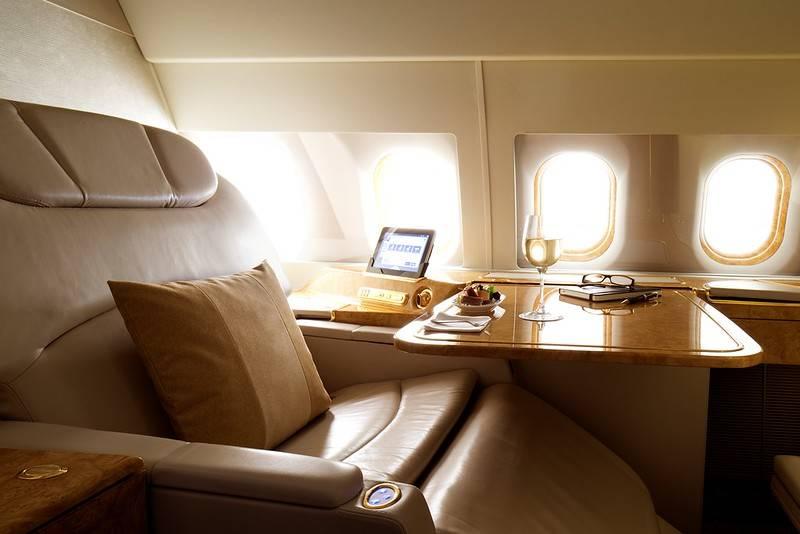
Monitoring Fare Sales and Error Fares
Periodically, airlines run sales on premium cabin tickets, often to stimulate demand during slower periods. Subscribing to airline newsletters, following travel deal blogs, and setting up fare alerts (using tools like Google Flights, Skyscanner, or ExpertFlyer) can help you snag these limited-time offers. Even more exciting are “error fares” – momentary glitches in pricing systems that result in incredibly low fares, sometimes for first-class. These are rare and fleeting, requiring quick action, but they represent the pinnacle of cheap luxury travel. Always verify the booking before making non-refundable plans around an error fare.
The Art of the Upgrade: From Economy to First Class
Sometimes, the cheapest first-class option isn’t to book it outright, but to book a lower cabin and then upgrade. Many airlines offer passengers the option to bid for an upgrade to first class, often a few days before departure. While not guaranteed, a strategic bid can secure a premium seat for a fraction of its original cost. Additionally, having elite status with an airline can provide complimentary or discounted upgrades, though these are typically prioritized. Even without status, paying a small amount for a confirmed upgrade (often presented at check-in or the gate) can be a cost-effective way to get into first class if the initial cash price was too high.
Considering Lesser-Known Airlines and Routes
Focusing solely on major carriers on direct routes can limit your options and drive up prices. Sometimes, smaller, lesser-known airlines or those from different regions (e.g., some Asian or Middle Eastern carriers) offer exceptional first-class products at competitive prices, especially if you’re willing to include a layover. Exploring routes with connections or flying out of a slightly more inconvenient airport on a different carrier might unlock significantly better value for your first-class experience. Don’t be afraid to broaden your horizons beyond the most obvious choices.
Two-Segment Bookings and “Positioning Flights”
A slightly more advanced strategy involves “positioning flights.” This entails booking a cheap economy flight to a major airline hub (the “positioning flight”) and then booking a separate first-class ticket from that hub to your final destination. The rationale is that first-class fares can be significantly cheaper originating from major hubs where competition is fiercer. While it adds an extra flight segment and potential for logistical complexity, the savings on the long-haul first-class segment can be substantial, making the positioning flight worthwhile. Always allow ample connection time and consider separate travel insurance for this strategy.
Alternative Pathways to First Class Experiences
Beyond points and tactical booking, other less common but equally effective methods exist for experiencing first-class travel on a budget.
Bidding for Upgrades and Last-Minute Deals
As mentioned earlier, many airlines now use bidding systems for upgrades, allowing economy or business class passengers to submit an offer for an empty first-class seat. This is a blind auction, so research what others typically bid on similar routes. Furthermore, check for last-minute upgrade offers directly with the airline a few days before departure or at the gate. If first-class cabins are not full, airlines would rather get some revenue than fly an empty seat, often leading to significant discounts.
Corporate Travel Policies and Business Accounts
If you travel frequently for business, understand your company’s travel policies regarding class of service. Some companies might allow first-class upgrades if the price difference is minimal, or if the flight duration exceeds a certain threshold. Moreover, companies often accumulate significant travel points through their corporate booking platforms or credit cards, which might occasionally be utilized for executive travel or rewarded to top employees. Even small businesses can leverage corporate credit cards with generous travel rewards programs.
The Role of Elite Status in Upgrade Priority
While not an immediate “cheap” solution, aspiring to elite status with an airline can unlock a consistent stream of complimentary or highly discounted first-class upgrades. Elite status is typically earned by flying a certain number of miles or segments, or spending a certain amount with an airline annually. For frequent travelers, the investment in time and money to achieve status can pay off handsomely in upgrade priority and other premium perks, making first-class travel a regular occurrence without the full price tag.
Bundling Travel Packages for Value
Occasionally, booking a first-class flight as part of a larger travel package (flight + hotel, or flight + car) can result in a lower overall cost than booking the flight separately. Travel agencies and online travel aggregators sometimes have access to bundled rates that allow them to offer first-class seats at a discount. While less common for ultra-premium first class, it’s worth exploring, especially for routes where airlines are trying to stimulate tourism and have excess premium inventory.
Essential Tools and Mindsets for Frugal First-Class Flyers
The journey to cheap first-class flights is ongoing, requiring a proactive approach and the right set of tools.
Price Tracking and Alert Services
Utilize free services like Google Flights, Kayak, Skyscanner, and airline-specific fare alerts to monitor price fluctuations for your desired routes and dates. These tools can notify you when a first-class fare drops to a target price, ensuring you don’t miss a deal. For more advanced users, paid subscriptions like ExpertFlyer can provide detailed information on award availability, upgrade space, and specific fare class inventory.
Community Forums and Expert Advice
The world of points, miles, and cheap premium travel is a vibrant community. Websites like FlyerTalk, The Points Guy, One Mile at a Time, and similar blogs offer a wealth of information, real-time deal alerts, and shared strategies from experienced travelers. Engaging with these communities can provide insights into current promotions, hidden sweet spots, and booking quirks that aren’t widely publicized.
Patience and Persistence: The Ultimate Virtues
Securing truly cheap first-class flights often requires patience. The perfect deal might not appear immediately, and market conditions can change rapidly. Persistence in searching, monitoring, and adapting your strategy is key. Be prepared to act quickly when a good deal emerges, as the best offers are often fleeting.

Calculating the True Value of Your Redemption
Finally, always perform a simple calculation to determine the “cents per point” (CPP) value of your first-class redemption. Divide the cash price of the flight by the number of points required. A good redemption often yields 2 cents per point or higher, though this can vary. Understanding this value helps you make informed decisions, ensuring you’re getting genuine savings and not just spending points for the sake of it, especially if cash prices are unusually low.
In conclusion, achieving cheap first-class flights is not about luck; it’s about a disciplined and informed approach to travel finance. By understanding airline economics, meticulously leveraging loyalty programs, employing tactical booking strategies, and utilizing available tools, anyone can unlock the unparalleled comfort and luxury of first-class travel without the prohibitive cost. It’s an investment in knowledge and strategy that truly pays off in the skies.
aViewFromTheCave is a participant in the Amazon Services LLC Associates Program, an affiliate advertising program designed to provide a means for sites to earn advertising fees by advertising and linking to Amazon.com. Amazon, the Amazon logo, AmazonSupply, and the AmazonSupply logo are trademarks of Amazon.com, Inc. or its affiliates. As an Amazon Associate we earn affiliate commissions from qualifying purchases.