
For many, the allure of travel is often tempered by the reality of its cost. Among the various expenses, airfare frequently stands out as one of the most significant, dictating not just the feasibility but often the destination and duration of a trip. The perennial question, “how far out should I book a flight?”, isn’t merely a matter of convenience; it’s a critical personal finance query with the potential to save or cost hundreds, if not thousands, of dollars. Understanding the intricate dance of airline pricing – a complex blend of algorithms, market dynamics, and human behavior – is paramount to becoming a savvy traveler and a diligent budget manager. This comprehensive guide delves into the optimal booking windows, smart strategies, and financial considerations necessary to secure the best possible fares, ensuring your travel dreams don’t break the bank.

The Science of Flight Pricing: Understanding Dynamic Algorithms
Before we can pinpoint the ideal booking time, it’s essential to grasp the fundamental mechanisms that drive flight prices. Airlines don’t set static prices; instead, they employ sophisticated “yield management” systems that continuously adjust fares based on a multitude of real-time factors. This dynamic pricing model is at the heart of why two passengers on the same flight might have paid vastly different amounts for their tickets.
The Supply and Demand Equation
At its core, flight pricing is a classic example of supply and demand economics. Airlines have a fixed number of seats on a given flight (supply). As demand for those seats increases, particularly as the departure date approaches and fewer seats remain, prices tend to rise. Conversely, if demand is low, airlines may lower prices to fill seats, especially during off-peak seasons or for less popular routes. However, this isn’t a simple linear relationship. The demand curve is influenced by events, holidays, school breaks, and even competitor pricing, creating a volatile market.
Yield Management and Airline Strategies
Yield management is the sophisticated strategy airlines use to maximize revenue from their perishable inventory (flight seats). It involves segmenting customers by their willingness to pay and offering different price points for the same service. Business travelers, often booking last minute and needing flexibility, are typically willing to pay more than leisure travelers who plan far in advance and are price-sensitive. Airlines use complex algorithms to predict demand, allocate seats to different fare classes, and adjust prices dynamically. These algorithms consider historical data, current booking trends, competitor prices, fuel costs, and even external factors like major conferences or sporting events in a destination city. The goal is to sell every seat at the highest possible price, without leaving any empty.
Factors Influencing Price Volatility
Beyond basic supply and demand, several other factors contribute significantly to price fluctuations:
- Fuel Costs: A major operational expense for airlines, fluctuations in global oil prices can directly impact ticket costs.
- Seasonality: Travel during peak seasons (summer, major holidays like Christmas, New Year’s, spring break) invariably commands higher prices due to increased demand. Off-season travel, conversely, offers better deals.
- Special Events: Large conventions, festivals, or major sporting events can cause prices for flights to a specific destination to skyrocket.
- Route Popularity & Competition: Highly competitive routes with multiple airlines often see lower prices due to carriers vying for passengers. Less popular or monopolized routes may have higher, less fluctuating fares.
- Day of the Week: Traveling on weekdays, particularly Tuesday, Wednesday, and Saturday, is often cheaper than flying on peak travel days like Friday and Sunday.
Understanding these underlying mechanisms empowers travelers to look beyond surface-level prices and apply strategic thinking to their booking decisions.
Identifying the Optimal Booking Window: Domestic vs. International
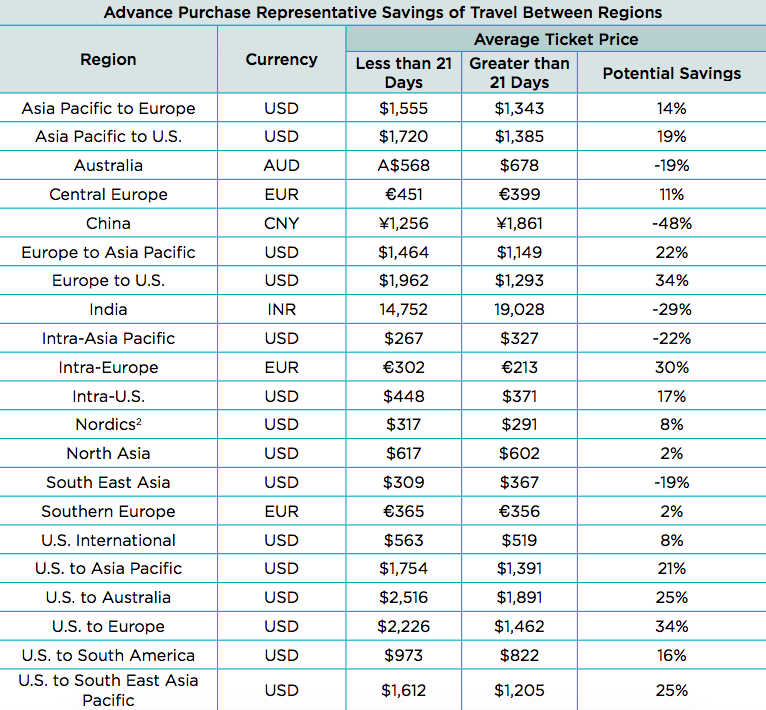
While there’s no single “magic number” that guarantees the lowest fare for every flight, extensive data analysis across various travel patterns has revealed consistent booking windows that tend to offer the best value for money. These “sweet spots” are crucial for maximizing your savings.
Domestic Flights: The 1-4 Month Window
For flights within your home country or region, the optimal booking period typically falls between 1 to 4 months (30-120 days) before departure.
- The Early Bird Trap: Booking too far in advance (e.g., 6+ months out) might not yield the best results. Airlines often release initial tickets at higher prices, testing the market. They usually start adjusting fares more aggressively as the departure date gets closer and they have a clearer picture of demand.
- The Panic Point: Prices tend to climb sharply within the last 3-4 weeks before departure. This is when business travelers, who often book last-minute and are less price-sensitive, become the target audience.
- Mid-Range Advantage: The 1-4 month window allows you to monitor price drops, take advantage of promotional sales, and avoid the inflated initial release prices and the last-minute premium. This period offers the best balance of availability and competitive pricing.
International Flights: Planning 2-8 Months Ahead
International travel, with its longer distances, greater logistical complexities, and generally higher price tags, requires a more extended planning horizon. The recommended booking window for international flights is typically between 2 to 8 months (60-240 days) before departure.
- Demand Prediction: Airlines need more time to predict demand for international routes, and the initial pricing strategy reflects this. Booking too late significantly increases the risk of higher fares, especially for popular destinations or during peak travel seasons.
- Visa and Logistics: The longer lead time also provides ample opportunity to arrange visas, accommodations, and other crucial travel logistics without added stress, ensuring a smoother financial planning process for the entire trip.
- The “Golden Zone”: Within the 2-8 month range, many experts pinpoint a “golden zone” of 3-5 months for most international routes, where airlines have refined their pricing based on initial demand and competition.
The Myth of Last-Minute Deals
While the romantic notion of scoring a dirt-cheap, last-minute flight might appeal to adventurous spirits, in today’s airline industry, this is largely a myth, especially for popular routes and peak times. Modern yield management systems are designed to extract maximum revenue from late bookers, assuming they are either business travelers on expense accounts or leisure travelers with urgent, inflexible plans. Exceptionally rare “distressed inventory” sales might occur, but relying on them is a gamble that usually results in paying premium prices. Your personal finance strategy should not hinge on such infrequent occurrences.
Smart Strategies for Securing Value Fares
Understanding the timing is just one piece of the puzzle. Proactive strategies and leveraging readily available tools can significantly enhance your ability to snag the best possible fares within those optimal booking windows.
Leveraging Price Prediction Tools and Alerts

Modern technology has put powerful price-tracking tools at the fingertips of every traveler. Websites and apps like Google Flights, Skyscanner, Kayak, and Hopper offer features such as:
- Price Alerts: Set up alerts for specific routes and dates, and these tools will notify you when prices drop, allowing you to pounce on a good deal.
- Price Prediction: Some tools use historical data and algorithms to predict whether a flight price is likely to go up or down in the near future, advising you to “buy now” or “wait.” While not foolproof, these predictions can be valuable guides.
- Flexible Date Search: Many platforms offer calendar views or “flexible date” options, showing you the cheapest days to fly around your desired travel period.
Flexibility is Key: Dates, Times, and Airports
For budget-conscious travelers, flexibility is perhaps the most powerful tool.
- Travel Dates: Being open to shifting your departure or return by a day or two can sometimes lead to substantial savings. Flying on weekdays (especially Tuesday, Wednesday, Saturday) is often cheaper than Friday or Sunday.
- Time of Day: Early morning or late-night flights (red-eyes) are frequently less expensive as they are less convenient for most travelers.
- Alternative Airports: If your destination has multiple airports, or if there are airports within a reasonable driving distance, check prices for all of them. Sometimes, flying into a smaller, regional airport might be significantly cheaper, even after factoring in ground transportation costs. This requires a full financial calculation of the total travel cost.
Considering Budget Airlines vs. Full-Service Carriers
Budget airlines have revolutionized air travel by offering significantly lower base fares. However, their business model relies heavily on charging for “extras” that are often included with full-service carriers (e.g., checked baggage, seat selection, in-flight meals, priority boarding).
- Read the Fine Print: When comparing, always calculate the total cost, including all potential ancillary fees, to get an accurate financial comparison. A seemingly cheaper budget airline ticket might end up being more expensive than a full-service carrier once all add-ons are included.
- Suitability: Budget airlines are often ideal for short, direct flights where you don’t need much baggage or in-flight amenities. For longer international flights, the added comfort and inclusions of a full-service carrier might justify a slightly higher base price.
Beyond the Ticket Price: Holistic Financial Planning for Flights
Optimizing the booking time is a significant step, but a truly savvy financial approach to travel extends beyond just the ticket price. Considering the broader financial implications ensures you stay within budget and avoid unexpected expenses.
Avoiding Hidden Fees and Ancillary Costs
Airlines are notorious for their array of fees. Beyond the obvious baggage fees, watch out for:
- Seat Selection Fees: Many airlines now charge for selecting a specific seat, even standard economy.
- Change/Cancellation Fees: These can be hefty, so understanding the flexibility (or lack thereof) of your ticket is crucial if your plans might change. Some premium fares offer more flexibility but come at a higher initial cost – a trade-off to consider based on your risk tolerance.
- Credit Card Surcharges: While less common for major airlines, some smaller carriers or third-party booking sites might add a fee for credit card payments.
- Airport Taxes & Surcharges: While usually included in the displayed fare, be aware they can vary and are a non-negotiable part of the cost.
Always read the fare rules carefully and, when comparing flights, ensure you are comparing apples to apples, including all costs relevant to your travel style.
Travel Insurance: A Necessary Expense or an Optional Add-on?
Travel insurance is an often-overlooked financial decision. While it adds to the upfront cost, it can provide invaluable financial protection against unforeseen circumstances:
- Trip Cancellation/Interruption: Reimburses non-refundable expenses if your trip is canceled or cut short due to covered reasons (illness, natural disaster, etc.).
- Medical Emergencies: Crucial for international travel where your domestic health insurance may not cover you, or has limited coverage. Medical evacuations can cost tens of thousands of dollars.
- Baggage Loss/Delay: Provides compensation for lost, stolen, or delayed luggage.
From a personal finance perspective, travel insurance is particularly important for expensive international trips, trips with many non-refundable components, or if you have pre-existing medical conditions. For a cheap, short domestic flight, the cost-benefit analysis might lean against it, but for a multi-thousand-dollar international journey, it’s often a prudent financial safeguard.
Maximizing Rewards Points and Credit Card Perks
Leveraging credit card rewards and airline loyalty programs can significantly offset travel costs, turning points into free or heavily discounted flights.
- Strategic Credit Card Use: Look for credit cards that offer bonus points on travel purchases, sign-up bonuses for new cardholders, and travel-specific perks like free checked bags, lounge access, or priority boarding.
- Airline Loyalty Programs: Even if you don’t fly frequently, accumulating miles with one or two airline alliances can eventually lead to free flights or upgrades. Many airlines also have shopping portals or partner promotions where you can earn miles on everyday purchases.
- Transferable Points: Some credit card points are transferable to multiple airline loyalty programs, offering greater flexibility and allowing you to take advantage of redemption sweet spots.
Effectively using these financial tools requires careful budgeting, understanding redemption values, and ensuring you don’t overspend to earn points. Responsible credit card use, paying balances in full each month, is paramount to making this strategy financially beneficial.
Navigating Common Mistakes and Maximizing Savings
Even with the best intentions, travelers can fall prey to common pitfalls that undermine their financial planning efforts. Being aware of these missteps can save you money and stress.
The Peril of Procrastination
The most common mistake is simply waiting too long. As discussed, last-minute flights are almost invariably more expensive, especially for leisure travelers. Procrastination directly translates into higher costs and fewer options for your desired travel dates and times. Build travel planning into your personal finance calendar, setting reminders for when you enter the optimal booking window for your intended trip.
Over-optimization Syndrome
While seeking the absolute lowest price is admirable, there’s a point where “over-optimization” can lead to diminishing returns, or even increase your overall cost in terms of time, convenience, and stress. Spending hours searching for a $5 difference, opting for a highly inconvenient itinerary with multiple long layovers to save a minimal amount, or stressing over every cent can detract from the overall travel experience. Sometimes, paying a small premium for a more convenient flight, better schedule, or direct route is a financially sound decision when factoring in your time’s value and overall travel comfort. Your budget isn’t just about money; it’s also about your well-being.
Not Factoring in Total Trip Costs
Focusing solely on flight prices without considering the entire travel budget is a common financial oversight. A cheap flight might be negated by expensive accommodation at the destination, high ground transportation costs, or costly activities. Always create a comprehensive travel budget that includes:
- Flights
- Accommodation
- Ground Transportation (taxis, public transport, car rental)
- Food and Drink
- Activities and Sightseeing
- Travel Insurance
- Contingency Fund (for unexpected expenses)
A holistic financial perspective ensures that a great flight deal truly contributes to an affordable and enjoyable trip, rather than being an isolated saving swallowed by other expenses.
In conclusion, booking a flight is far more than just picking a date and clicking “purchase.” It’s a strategic financial decision that requires understanding airline pricing models, leveraging technology, and adopting a flexible, proactive mindset. By adhering to optimal booking windows, employing smart search strategies, and considering all aspects of your travel budget, you can significantly reduce your airfare expenses, allowing you to allocate more funds to the experiences that truly make a trip memorable. Travel is an investment in experiences, and managing its costs effectively is a cornerstone of sound personal finance.
aViewFromTheCave is a participant in the Amazon Services LLC Associates Program, an affiliate advertising program designed to provide a means for sites to earn advertising fees by advertising and linking to Amazon.com. Amazon, the Amazon logo, AmazonSupply, and the AmazonSupply logo are trademarks of Amazon.com, Inc. or its affiliates. As an Amazon Associate we earn affiliate commissions from qualifying purchases.