
In an era where healthcare costs continue to climb, particularly for prescription medications, consumers are increasingly seeking innovative solutions to manage their expenses. GoodRx has emerged as a beacon of hope for many, offering a powerful tool to navigate the complex and often opaque world of drug pricing. When paired with the widespread accessibility of CVS pharmacies, GoodRx transforms into an indispensable financial strategy for countless individuals and families. This article delves into how you can leverage GoodRx effectively at CVS to significantly reduce your out-of-pocket prescription costs, empowering you with greater financial control over your healthcare spending.
Understanding GoodRx: A Powerful Financial Tool for Prescription Savings
At its core, GoodRx is not just another app; it’s a sophisticated financial utility designed to bring transparency and savings to the prescription drug market. It operates on a simple yet revolutionary premise: by aggregating prices and discounts from various sources, it presents consumers with the lowest available cash price for their medications, often beating insurance co-pays.
What is GoodRx and How Does it Work?
GoodRx acts as a digital price comparison engine for prescription drugs. Users can search for specific medications, and GoodRx will display prices from pharmacies in their local area, along with associated discount coupons. These coupons are essentially pre-negotiated prices that GoodRx has secured with pharmacies or pharmacy benefit managers (PBMs). It’s crucial to understand that GoodRx is not insurance. Instead, it provides discount cards or coupons that you can use instead of your insurance when the cash price is lower than your co-pay, or if you are uninsured.
The process is remarkably straightforward:
- Search: Enter your drug name, dosage, and quantity on the GoodRx website or app.
- Compare: GoodRx instantly displays a list of local pharmacies and their prices for that medication, including the GoodRx discount price.
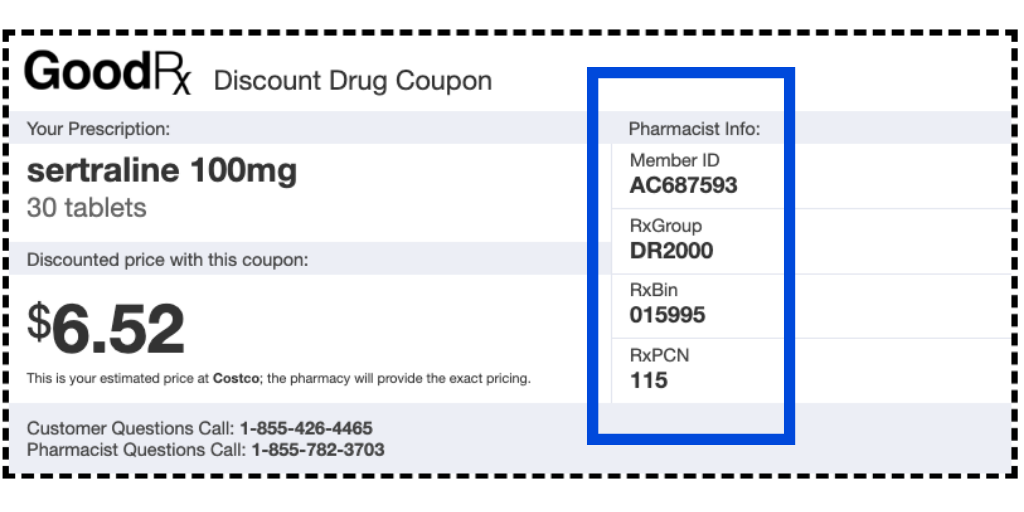
- Save: Choose the best price, then present the digital or printed coupon (which contains a unique BIN, PCN, and Group ID) to the pharmacist.
This seamless mechanism allows millions to access medications that might otherwise be financially out of reach, making it a critical component of personal finance management for many.
The Economics of Prescription Drug Pricing
To truly appreciate the financial leverage GoodRx provides, one must grasp the intricate economics of prescription drug pricing in the United States. Drug prices are notoriously inconsistent, varying wildly not only between different pharmacy chains but even between locations of the same chain, and often depending on whether you use insurance or pay cash. Factors contributing to this complexity include:
- Manufacturer Pricing: The initial price set by the pharmaceutical company.
- Pharmacy Benefit Managers (PBMs): These intermediaries negotiate prices with manufacturers and pharmacies, creating formularies and rebate programs.
- Wholesale Acquisition Cost: What pharmacies pay distributors.
- Retail Markups: Each pharmacy adds its own markup.
- Insurance Company Contracts: The prices negotiated between insurers and pharmacies.
This labyrinthine system means that the “sticker price” of a drug can be vastly different from the price you actually pay. GoodRx effectively cuts through this complexity, providing a direct route to often significantly lower cash prices by tapping into various discount programs. For consumers, this translates into tangible financial relief, bypassing the opaque pricing models that often favor the industry over the individual.
GoodRx Gold and Other Premium Features
For those with chronic conditions or higher prescription volumes, GoodRx offers enhanced savings opportunities through GoodRx Gold. This subscription service provides even deeper discounts on thousands of prescriptions, typically for a small monthly fee. For instance, a family might pay $9.99/month for access to Gold pricing, which could translate into hundreds of dollars in annual savings if their medication costs are substantial.
Beyond prescription discounts, GoodRx also integrates features like telehealth services, enabling users to consult with doctors for certain conditions at a lower cost than traditional visits. While seemingly separate, these integrated services further solidify GoodRx’s position as a holistic financial tool for managing healthcare expenses, addressing not just medication costs but also the often-expensive associated medical consultations. Analyzing the cost-benefit of GoodRx Gold requires a careful assessment of one’s typical monthly prescription expenditures; for many, the subscription fee is quickly offset by the enhanced savings.
Navigating CVS Pharmacy with GoodRx: A Step-by-Step Financial Guide
CVS Pharmacy, with its extensive national footprint, is a common destination for prescription refills. Integrating GoodRx into your CVS routine can unlock substantial financial benefits. Understanding the process ensures a smooth and successful transaction every time.
Finding Your Discount at CVS
The first step to saving money is to identify the best discount for your specific medication at a CVS near you.
- Search on GoodRx: Open the GoodRx app or visit their website. Enter the name of your prescription, its dosage, and the quantity.
- Specify Location and Pharmacy: Ensure your location services are enabled or manually enter your ZIP code. GoodRx will then display prices from various pharmacies. Look for CVS in the list.
- Compare CVS Prices: Often, different CVS locations within the same city might have slightly varying GoodRx prices. It’s worth a quick check across a few nearby stores if you’re looking to maximize savings.
- Select and Retrieve Coupon: Once you’ve identified the best CVS price, select it. You’ll then have options to “Get free coupon.” You can:
- Show on Phone: Display the coupon directly from the app to the pharmacist.
- Text or Email: Send the coupon details to yourself or a family member.
- Print: Generate a printable version of the coupon.
Remember to perform this check before heading to the pharmacy, especially for new prescriptions or refills, as prices can fluctuate. This proactive financial habit can prevent unexpected costs at the counter.
Presenting Your GoodRx Coupon at the Pharmacy Counter
Presenting your GoodRx coupon at CVS is typically straightforward. However, knowing what to expect and how to handle potential minor hiccups can ensure a smooth transaction.
- Hand Over Your Prescription: Give your prescription to the pharmacy staff as usual.
- Inform the Pharmacist: Clearly state that you intend to use a GoodRx coupon instead of your insurance. This is a critical step to avoid confusion.
- Provide Coupon Details: Present your digital coupon on your phone, hand over a printed coupon, or simply verbally provide the pharmacist with the GoodRx codes (BIN, PCN, and Group ID) and your member ID, if requested.
- Verify the Price: Before completing the transaction, confirm that the final price matches the GoodRx price you found. If there’s a discrepancy, politely ask the pharmacist to re-enter the codes or double-check the system. Most CVS pharmacies are familiar with GoodRx, but occasional errors can occur.
- Payment: Pay the discounted price.
It’s important to be polite and patient. If a pharmacist seems unfamiliar with the process, you can gently explain that it’s a discount program, not insurance, and provide the specific codes. Most often, they will be able to process it efficiently.
Understanding Your Total Out-of-Pocket Costs
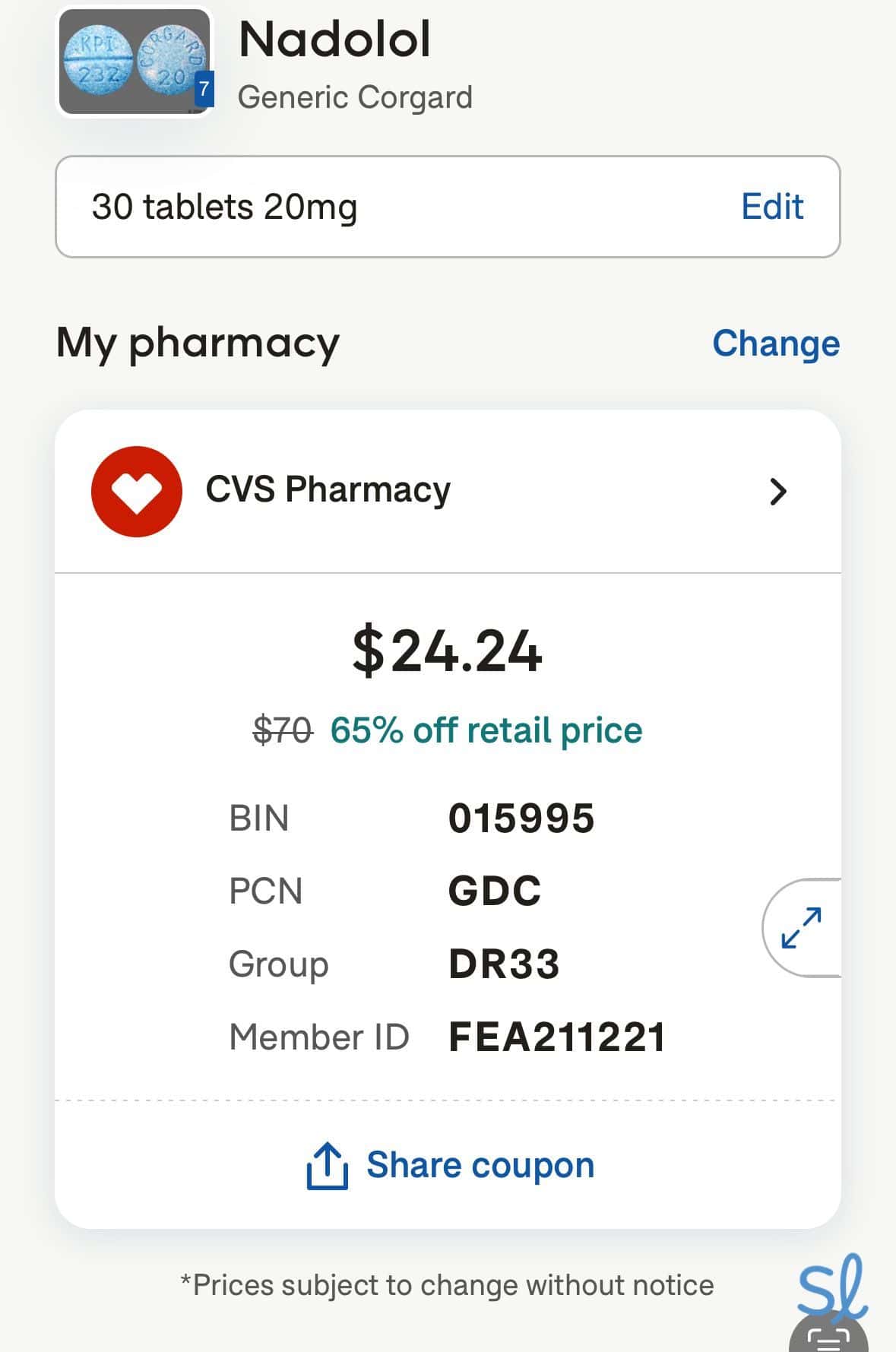
When using GoodRx, you are essentially paying the “cash price” for your medication. This has significant financial implications, especially concerning your health insurance.
- No Impact on Deductible/Out-of-Pocket Max: Purchases made with a GoodRx coupon typically do not count towards your health insurance deductible or your annual out-of-pocket maximum. This is because you are bypassing your insurance network entirely.
- Strategic Choice: This means you need to make a strategic financial decision each time you fill a prescription:
- GoodRx is Cheaper than Your Co-pay: If the GoodRx price is lower than your insurance co-pay, using GoodRx saves you immediate cash.
- High-Deductible Health Plans (HDHPs): If you have an HDHP and haven’t met your deductible, the GoodRx price might be significantly lower than the full cash price your insurance would charge before kicking in. In this scenario, GoodRx can save you substantial money upfront.
- No Coverage: For medications not covered by your insurance, or if you are uninsured, GoodRx is an invaluable tool for securing affordable prices.
Always perform a quick mental or actual calculation comparing your insurance co-pay (or what you’d pay towards your deductible) versus the GoodRx price. Your financial goal is to minimize your immediate out-of-pocket expenditure.
Strategic Financial Planning with GoodRx and Your Insurance
Integrating GoodRx into your overall financial planning for healthcare requires a nuanced understanding of its interplay with your existing health insurance. It’s not always an either/or situation; rather, it’s about making the most financially advantageous choice for each specific prescription.
GoodRx vs. Insurance: A Cost-Benefit Analysis
The decision to use GoodRx over your health insurance is a strategic financial one, dependent on several factors:
- Lower Immediate Cost: If the GoodRx price is less than your insurance co-pay, it’s a clear win for your wallet. This is common for generic medications.
- High Deductible Plans: For individuals with high-deductible health plans who have not yet met their deductible, the GoodRx price is frequently much lower than what they would pay if the medication were run through their insurance, as they would be responsible for the full negotiated cost until the deductible is met.
- Medication Not Covered: If your insurance plan doesn’t cover a specific drug, or requires a prior authorization that’s difficult to obtain, GoodRx offers a viable path to an affordable cash price.
- Counting Towards Deductible/Out-of-Pocket Max: The main financial drawback of using GoodRx is that the cost does not count towards your insurance deductible or out-of-pocket maximum. If you anticipate significant medical expenses later in the year and want to reach your deductible quickly, paying with insurance (even if slightly more expensive in the short term) might be a better long-term financial strategy.
A prudent approach involves checking both your insurance co-pay and the GoodRx price for every prescription fill. This small effort can lead to substantial annual savings.
Leveraging GoodRx for Uninsured or Underinsured Individuals
For the millions of Americans who are uninsured or underinsured, GoodRx is not merely a convenience but a vital financial lifeline. Without the backing of an insurance plan, prescription costs can be exorbitant, leading many to forgo necessary medications.
- Access to Affordable Care: GoodRx democratizes access to medication by providing significantly discounted prices that are often comparable to (or even lower than) what insured individuals might pay.
- Managing Chronic Conditions: For those with chronic illnesses requiring ongoing medication, GoodRx can make the difference between consistent treatment and disruptive gaps due to financial strain. This sustained access is critical for long-term health outcomes and preventing more costly emergency care down the line.
- Budgeting Stability: By offering predictable, lower cash prices, GoodRx allows uninsured individuals to budget for their prescription needs more effectively, reducing financial anxiety.
Budgeting for Prescriptions: Incorporating GoodRx Savings
Incorporating GoodRx into your personal finance budget can significantly impact your overall financial health.
- Proactive Price Checks: Make it a habit to check GoodRx prices before every refill, even for medications you’ve filled before. Prices can change.
- Estimate Monthly Expenses: Use GoodRx to get an accurate estimate of your potential monthly prescription costs. Factor these lower figures into your household budget.
- Allocate Savings: The money saved on prescriptions can be redirected towards other financial goals, such as building an emergency fund, paying down debt, or investing.
- Long-Term Financial Impact: Over months and years, consistent use of GoodRx can result in thousands of dollars saved, freeing up capital for other essential expenditures or investments in your future. This proactive budgeting approach transforms healthcare from an unpredictable financial drain into a manageable expense.
Advanced Money-Saving Strategies and Considerations
Beyond the basic usage, there are several advanced strategies and considerations that can further amplify your financial gains when using GoodRx at CVS.
Exploring Alternatives and Complementary Strategies
While GoodRx offers significant savings, it’s important to understand where it fits within the broader landscape of prescription discounts.
- GoodRx vs. Manufacturer Coupons: Manufacturer coupons (often found on brand-name drug websites) typically cannot be combined with GoodRx coupons or insurance. You must choose one. If you’re on a brand-name medication, compare the manufacturer coupon savings against the GoodRx price. Sometimes, manufacturer coupons offer deeper discounts for brand drugs.
- Patient Assistance Programs: For very expensive drugs, especially brand names, patient assistance programs (PAPs) offered by pharmaceutical companies can provide medications for free or at a significantly reduced cost, usually based on income. These are often the most comprehensive financial solution for high-cost drugs but have eligibility requirements. GoodRx is a great alternative if you don’t qualify for PAPs.
- CVS Loyalty Programs: While CVS ExtraCare often offers store-wide discounts, it typically doesn’t directly apply to prescription costs when using a GoodRx coupon. However, it’s worth checking for any specific pharmacy-related offers or loyalty rewards that might indirectly benefit your overall CVS spending.
The key is to always perform a quick financial comparison across all available options to secure the absolute lowest out-of-pocket cost.
Monitoring Price Fluctuations and Maximizing Value
Prescription drug prices are dynamic. They can change daily, weekly, or monthly due to various market factors.
- Regular Price Checks: Never assume the price you paid last month is the lowest price today. Make it a routine to check GoodRx for your medication prices before every refill. This vigilance ensures you’re always getting the best financial deal.
- GoodRx Price Alerts: GoodRx offers a feature where you can set up price alerts for specific drugs. If the price drops at a pharmacy in your area, you’ll be notified, allowing you to seize additional savings without constant manual checking. This passive monitoring is an excellent financial strategy.
- Considering Different Dosages/Quantities: Sometimes, a higher dosage pill might be cheaper per milligram, and you can simply split it (if safe and advised by your doctor). Also, filling a 90-day supply instead of a 30-day supply can sometimes offer better per-pill savings, though this requires a larger upfront payment. Always consult your doctor before altering dosage or quantity.
Ethical and Financial Implications of Prescription Shopping
Using tools like GoodRx isn’t just about saving money; it represents a broader shift in consumer empowerment within healthcare.
- Consumer Empowerment: GoodRx puts financial control directly into the hands of the patient. It allows individuals to shop for healthcare just as they would for any other consumer good, fostering competition among pharmacies and driving down prices.
- Promoting Transparency: By revealing drug prices that were once hidden behind complex contracts, GoodRx contributes to greater transparency in the pharmaceutical market, which can ultimately benefit all consumers.
- Financial Literacy in Healthcare: Engaging with GoodRx encourages financial literacy regarding healthcare costs. Understanding how to compare prices, leverage discounts, and make informed decisions about insurance vs. cash payments is a crucial skill in today’s economic landscape.
While the primary benefit is personal savings, the collective action of millions of GoodRx users subtly nudges the pharmaceutical industry towards more competitive and transparent pricing, which has long-term financial implications for society as a whole.

Conclusion
The rising cost of prescription medications is a significant financial burden for many, but GoodRx at CVS offers a powerful, accessible solution. By understanding how GoodRx functions as a financial tool, mastering the steps to secure discounts at CVS, and integrating these practices into your broader financial planning, you can unlock substantial savings. From comparing prices and presenting coupons effectively to making strategic decisions about when to use GoodRx versus your insurance, every step contributes to greater financial control over your healthcare expenditures. Embracing GoodRx is more than just finding a coupon; it’s adopting a proactive and informed financial strategy that empowers you to afford the medications you need, ultimately leading to improved health and financial well-being. Make GoodRx a staple in your personal finance toolkit, and watch your prescription savings grow.
aViewFromTheCave is a participant in the Amazon Services LLC Associates Program, an affiliate advertising program designed to provide a means for sites to earn advertising fees by advertising and linking to Amazon.com. Amazon, the Amazon logo, AmazonSupply, and the AmazonSupply logo are trademarks of Amazon.com, Inc. or its affiliates. As an Amazon Associate we earn affiliate commissions from qualifying purchases.