
In an increasingly digital financial landscape, the notion of physical checks might seem anachronistic to some. Yet, for many critical transactions and personal financial needs, paper checks remain an indispensable tool. Whether it’s paying rent to a landlord who prefers traditional methods, settling an invoice with a contractor, or gifting money in a more personal format, checks continue to play a vital role. Recognizing this enduring necessity, financial institutions like Chase have seamlessly integrated the ability to manage and order checks directly within their mobile applications, transforming what was once a cumbersome task into a streamlined, secure, and accessible process.
This article delves into the practicalities of ordering checks using the Chase app, framing it within the broader context of modern personal finance management. We will explore why checks still matter, how mobile banking apps empower financial autonomy, a general step-by-step guide to placing your order, crucial security considerations, and finally, how to integrate check management into a comprehensive financial strategy. By leveraging the Chase app, you’re not just ordering a stack of paper; you’re exercising control over your financial tools, ensuring you’re equipped for every financial scenario, digital or otherwise.
The Enduring Relevance of Physical Checks in a Digital Age
Despite the pervasive nature of digital payment methods like direct transfers, mobile wallets, and online bill pay, physical checks have refused to fade into obsolescence. Their continued existence is not merely a matter of habit but is rooted in specific functional advantages and the diverse needs of a complex financial ecosystem. Understanding these facets is key to appreciating why knowing how to order checks, even through a cutting-edge app, remains a fundamental aspect of personal finance.
Bridging the Digital Divide
While a significant portion of the population is comfortable with digital transactions, a substantial segment, including many small businesses, independent contractors, and older individuals, may still prefer or even require paper checks. Consider landlords who manage multiple properties, often finding checks easier for record-keeping or simply lacking the infrastructure for digital rent collection. Similarly, local service providers—think plumbers, electricians, or landscapers—might operate predominantly on a cash or check basis, making a physical check the most convenient or only acceptable form of payment. In these scenarios, the ability to issue a check bridges a crucial gap, ensuring you can conduct necessary transactions without friction.
The Power of Paper for Specific Transactions
Physical checks offer unique benefits that digital transfers often cannot replicate. For instance, when making a significant purchase or down payment where a paper trail is critical for legal or accounting purposes, a check provides a tangible record of payment that is easily trackable and verifiable. They also offer a layer of control: once a digital payment is sent, it’s often irreversible, whereas a physical check can sometimes be stopped if an error is discovered or circumstances change before it’s cashed. Furthermore, for personal gifts, particularly to children or for special occasions, a physical check enclosed in a card often carries a more personal touch than a direct digital transfer, adding an element of tradition and thoughtfulness.
Understanding Check Security
Modern checks incorporate a range of security features designed to prevent fraud, from watermarks and microprinting to chemical alteration protection. While digital transactions have their own set of security protocols, physical checks offer a different kind of security through their tangible nature and the established banking systems built around their processing. When handled responsibly—stored securely, written clearly, and reconciled promptly—checks remain a relatively safe method of payment. The act of ordering new checks through a secure banking app ensures that these foundational security elements are maintained from the point of creation, providing peace of mind for the account holder.
Leveraging the Chase App as a Comprehensive Financial Management Tool
The Chase app transcends its basic function as a portal for account balances; it stands as a sophisticated financial management hub, empowering users with unprecedented control and insight into their monetary lives. Ordering checks through the app is just one facet of this comprehensive approach, highlighting how integrated digital tools simplify essential financial tasks.
Beyond Transactions: A Holistic View
Modern banking apps, including Chase’s, offer a panoramic view of your financial health. They allow you to monitor multiple accounts (checking, savings, credit cards, investments), track spending, set up payment alerts, manage beneficiaries, and even access credit scores. The ability to order checks fits seamlessly into this ecosystem, representing a proactive step in managing your payment methods. It’s not merely a transaction; it’s part of maintaining a versatile financial toolkit, ensuring you have all options available for different financial needs. This holistic approach empowers users to make informed decisions and maintain tighter control over their money.
The Efficiency of Mobile Banking
One of the most compelling advantages of using the Chase app for tasks like ordering checks is sheer efficiency. Gone are the days of calling customer service, waiting on hold, or visiting a branch—processes that consumed valuable time. With a few taps on your smartphone, you can initiate a check order at any time, from any location. This convenience is transformative, allowing individuals to integrate financial management effortlessly into their busy schedules, whether during a commute, over a lunch break, or from the comfort of their home. This immediate access to services significantly reduces friction in managing personal finances.
Empowering Financial Autonomy
The Chase app places the power of financial management directly into the hands of the user. By providing intuitive interfaces and direct access to services, it fosters a sense of financial autonomy. Users are no longer dependent on bank operating hours or intermediary support for routine tasks. This direct access promotes greater engagement with one’s finances, encouraging proactive management rather than reactive responses. Ordering checks, for example, becomes a self-service task that is managed on your own terms, reflecting the broader trend of digital tools empowering individuals to take charge of their financial well-being.
A Step-by-Step Guide to Ordering Checks Through Your Chase App
Ordering checks via the Chase app is designed to be straightforward, reflecting the intuitive nature of modern mobile banking. While the exact navigation may evolve slightly with app updates, the core process remains consistent. This general guide will walk you through the typical steps, ensuring you’re prepared to complete your order efficiently.
Pre-Order Preparations
Before you begin, ensure you have a stable internet connection and that your Chase app is updated to the latest version. It’s also wise to quickly verify your mailing address on file with Chase, as this is where your new checks will be sent. A quick review of your account balance might also be prudent, as there is typically a fee associated with ordering checks, which will be debited from your account. Having this information ready ensures a smooth and uninterrupted ordering process.
Navigating the App Interface
- Log In Securely: Open the Chase app and log in using your credentials, Face ID, or fingerprint. Security is paramount, so always ensure you’re on a secure network.
- Locate Account Services: Once logged in, navigate to the specific checking account for which you wish to order checks.
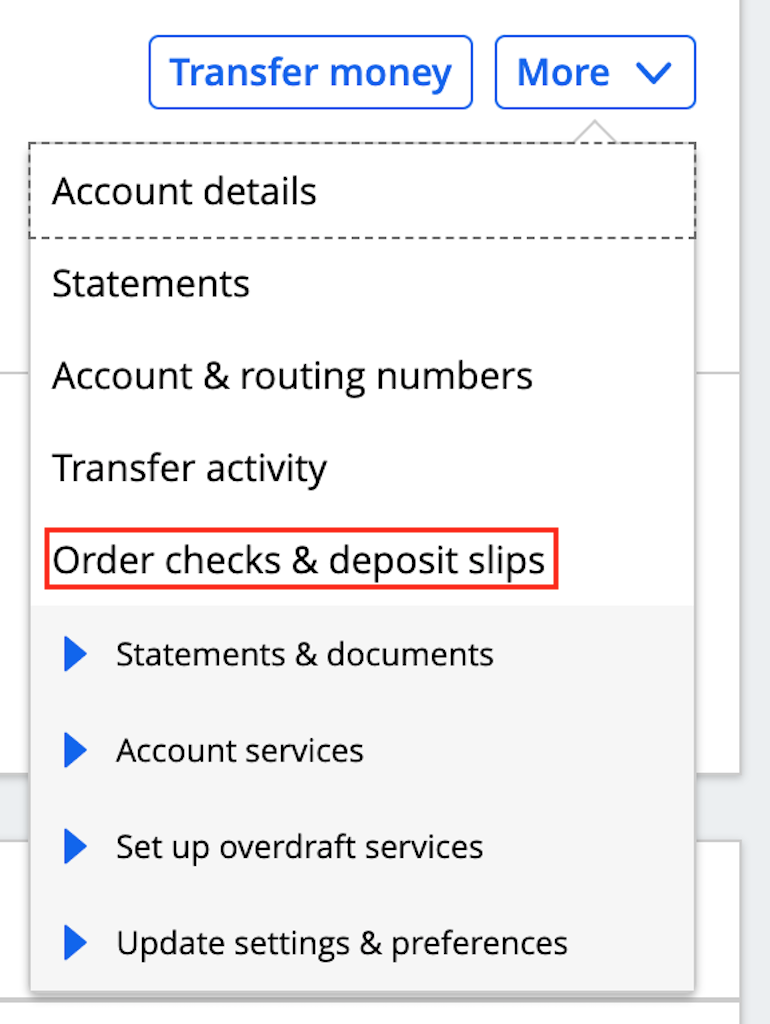
- Find the Ordering Option: Look for a section often labeled “Account Services,” “Manage Account,” “More,” or a similar option. Within this menu, you should find an option like “Order Checks,” “Reorder Checks,” or “Supplies.” Tapping this will typically lead you to the check ordering portal.
Customization and Confirmation
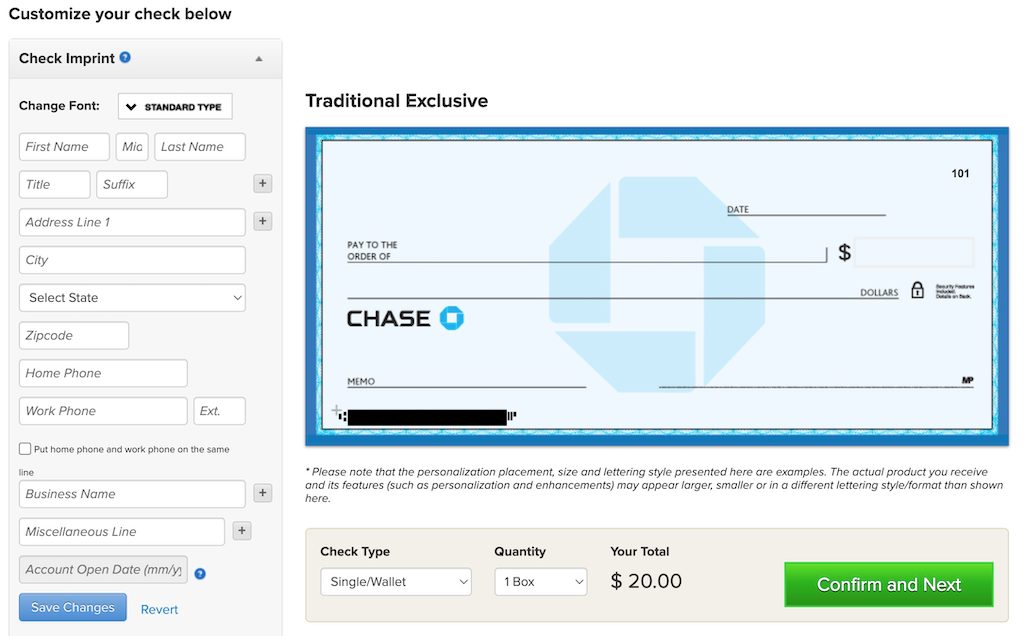
- Select Your Checks: You’ll likely be presented with options for check styles, designs, and quantities. You might also have the option to add accessories like checkbook covers.
- Verify Details: This is a crucial step. The app will usually pre-populate your account number, routing number, and mailing address. Double-check every detail for accuracy. Ensure your name, address, and contact information are correct as they will appear on the checks. Confirm the shipping address matches where you want the checks delivered.
- Review and Authorize: Before finalizing, you’ll be shown a summary of your order, including the total cost. Review this carefully. If everything looks correct, you’ll typically be asked to confirm the order, often requiring another security verification step.
Post-Order Tracking and Verification
Once your order is placed, Chase will send you a confirmation, usually via email or within the app’s message center, detailing your order number and estimated delivery date. You may also be able to track the shipping status directly through the app or a provided link. Upon receiving your checks, it’s a good practice to verify that all the information printed on them is accurate before you begin using them. This final check ensures that your newly ordered financial tools are ready for secure use.
Ensuring Security and Accuracy in Your Check Orders
In any financial transaction, particularly one involving your bank account and personal information, security and accuracy are paramount. Ordering checks through a mobile app offers distinct advantages in these areas, but it also necessitates vigilance on the part of the user. By adhering to best practices, you can safeguard your financial information and ensure your checks are produced correctly.
Digital Security Best Practices
When using the Chase app or any banking app, always prioritize digital security. This includes using strong, unique passwords and enabling two-factor authentication (2FA) for an extra layer of protection. Be cautious about accessing your banking app on unsecured public Wi-Fi networks, as these can be vulnerable to data interception. Regular updates to your phone’s operating system and the Chase app itself are vital, as updates often include crucial security patches. If you suspect any unauthorized activity, report it to Chase immediately. Your proactive approach to digital hygiene is the first line of defense against potential fraud.
Verifying Order Details
The most critical step in ordering checks is meticulously verifying all the details before finalizing your order. This includes:
- Account and Routing Numbers: Ensure these are correct for the specific account you intend the checks to draw from. Errors here could lead to returned checks and fees.
- Personal Information: Double-check your name, address, and phone number for accuracy and proper formatting.
- Shipping Address: Confirm the delivery address is current and secure. Checks contain sensitive information, so having them delivered to a safe location is essential.
A small mistake during this verification phase can lead to significant inconvenience, delays, and potential security risks down the line. Taking an extra minute to review everything can save hours of hassle.
Protecting Your Physical Checks
Once your new checks arrive, their security becomes a physical responsibility. Store them in a secure location, such as a locked drawer or safe, where they are protected from theft or unauthorized access. Never leave blank checks unattended or in easily accessible places. When a checkbook is depleted, or checks are no longer valid, shred them thoroughly to prevent sensitive information from falling into the wrong hands. Old checks containing your account information should never be simply thrown in the trash. This diligence extends the digital security measures of the app into your physical environment.
Monitoring Your Account
After placing a check order and subsequently using your new checks, regularly monitor your Chase account statements and transaction history. Look for any unfamiliar debits or unusual activity. Modern banking apps provide real-time transaction alerts, which can be invaluable for catching fraudulent use quickly. Prompt reconciliation of your checkbook with your bank statement is a time-tested practice that remains highly relevant for identifying discrepancies and maintaining financial clarity.
Integrating Check Management into Your Broader Personal Finance Strategy
Ordering checks through the Chase app isn’t an isolated task; it’s an integral component of a well-rounded personal finance strategy. By strategically managing your checks, you can enhance your budgeting, improve record-keeping, and maintain a flexible approach to payments, all contributing to robust financial health.
Budgeting for Check-Related Costs
While the convenience of ordering checks via the app is undeniable, it’s important to remember that there is usually a cost associated with new checks. Factor these fees into your personal budget. Some Chase checking accounts may offer free checks as a perk, or you might find competitive pricing through third-party vendors if Chase allows for it (though ordering through the bank directly often offers greater security and guaranteed compatibility). Understanding and budgeting for these costs prevents unexpected drains on your funds and ensures you’re prepared for the expense when the need arises.
When to Use Checks vs. Digital Payments
A key aspect of modern financial strategy is understanding when to deploy different payment methods. Checks are excellent for situations requiring a physical record, payments to individuals or entities not equipped for digital transfers, or when you need the ability to potentially stop payment. However, for everyday expenses, online bill pay, or immediate transfers to friends, digital methods are typically faster and more convenient. Developing a discerning approach to choosing between checks, debit cards, credit cards, or digital wallets optimizes efficiency, security, and convenience in your financial life. This strategic choice is part of building a resilient payment strategy.
Record-Keeping for Financial Clarity
Whether you use a spreadsheet, personal finance software, or a traditional check register, maintaining diligent records of all checks issued is crucial. Note the check number, date, payee, and amount for every check written. This practice is vital for reconciling your account statement, tracking your spending against your budget, and providing an immutable record for tax purposes or in case of disputes. The Chase app will show cleared checks, but your personal log provides an immediate reference point before they clear, enhancing your real-time financial visibility.
Future-Proofing Your Financial Toolkit
In an ever-evolving financial landscape, flexibility is key. While digital payments continue to gain ground, checks offer a reliable fallback and a necessary option for specific scenarios. By understanding how to efficiently order and manage checks through tools like the Chase app, you are future-proofing your financial toolkit. You’re not solely reliant on one method of payment, but rather equipped with a comprehensive suite of options that cater to the diverse demands of modern life. This strategic approach ensures you remain agile and prepared for any financial challenge or opportunity that comes your way, solidifying your control over your personal finance journey.
aViewFromTheCave is a participant in the Amazon Services LLC Associates Program, an affiliate advertising program designed to provide a means for sites to earn advertising fees by advertising and linking to Amazon.com. Amazon, the Amazon logo, AmazonSupply, and the AmazonSupply logo are trademarks of Amazon.com, Inc. or its affiliates. As an Amazon Associate we earn affiliate commissions from qualifying purchases.