
In the intricate world of personal finance, understanding the fundamental identifiers of your banking accounts is paramount. Among these, the checking account number stands out as a critical piece of information, serving as the unique fingerprint for your financial hub. While often overshadowed by more frequently used debit card numbers or more broadly known routing numbers, your checking account number is essential for a myriad of transactions, from receiving your paycheck to paying your bills. This article will demystify the checking account number, explain its importance, guide you on where to find it, differentiate it from other financial identifiers, and outline crucial security practices to keep your finances safe.
Understanding Your Checking Account Number: The Core Identifier
At its heart, a checking account number is a series of digits that uniquely identifies your specific checking account within your bank or credit union. Think of it as your personal street address within the larger city (your bank’s routing number). This string of numbers is distinct from your debit card number, which identifies a payment instrument, and your bank’s routing number, which identifies the financial institution itself. Its primary purpose is to facilitate direct, bank-to-bank transfers of funds, ensuring that money reaches the correct account without error.
What is a Checking Account Number?
A checking account number is typically 8 to 12 digits long, though this can vary slightly by financial institution. It is assigned by your bank the moment you open a new checking account and remains tied to that account for its entire lifespan. Unlike a debit card number, which can change if your card is lost, stolen, or expires, your checking account number usually remains constant unless you close the account and open a new one. This permanence underscores its foundational role in your financial identity.
The security and accuracy associated with your checking account number are critical. Any transaction requiring this number, such as an Automated Clearing House (ACH) transfer, relies solely on this identifier to ensure funds are debited from or credited to the correct individual account. Mistakes can lead to significant delays, incorrect payments, or even fraudulent activity, making it imperative to use and protect this number diligently.
Why You Need Your Checking Account Number
The checking account number might not be something you memorize like your phone number, but its utility extends to many vital financial activities. Knowing where to find it and understanding when it’s required can save you time and prevent financial headaches.
One of the most common reasons you’ll need your checking account number is to set up direct deposit. Whether it’s your employer depositing your salary, the government sending social security benefits, or a company issuing a refund, direct deposit requires both your bank’s routing number and your specific checking account number to ensure funds land directly in your account. This eliminates the need for physical checks and significantly speeds up access to your money.
Beyond income, your checking account number is crucial for various outgoing payments and linkages:
- Paying Bills Online or Via Phone: Many utility companies, lenders, and service providers allow you to pay directly from your checking account using ACH transfers. This method often requires you to input your checking account and routing numbers.
- Setting Up Automatic Payments: For recurring expenses like loan payments, insurance premiums, or subscription services, you can often set up automatic withdrawals directly from your checking account, again necessitating your account number.
- Wire Transfers: For larger or international money transfers, particularly when time is of the essence, wire transfers are often used. These typically demand both the sender’s and receiver’s full bank details, including the checking account number.
- Linking External Accounts: If you use investment platforms, peer-to-peer payment apps, or budgeting tools, you’ll often need to link your checking account. This linkage is usually established by verifying your account and routing numbers.
- Ordering New Checks: When you run out of physical checks, ordering new ones from your bank or a third-party vendor will require your checking account number to ensure the checks are correctly linked to your funds.
- Customer Service Inquiries: For certain account-specific issues or detailed transactions, your bank’s customer service may ask for your checking account number to verify your identity and access your account details.
In essence, your checking account number serves as the secure conduit for money movements that bypass the more public debit card networks, making it a cornerstone of efficient and reliable financial management.
Where to Find Your Checking Account Number Easily
Despite its importance, many people aren’t entirely sure where to locate their checking account number when they need it. Fortunately, banks provide several accessible and secure ways to retrieve this crucial information.
On Your Physical Checks
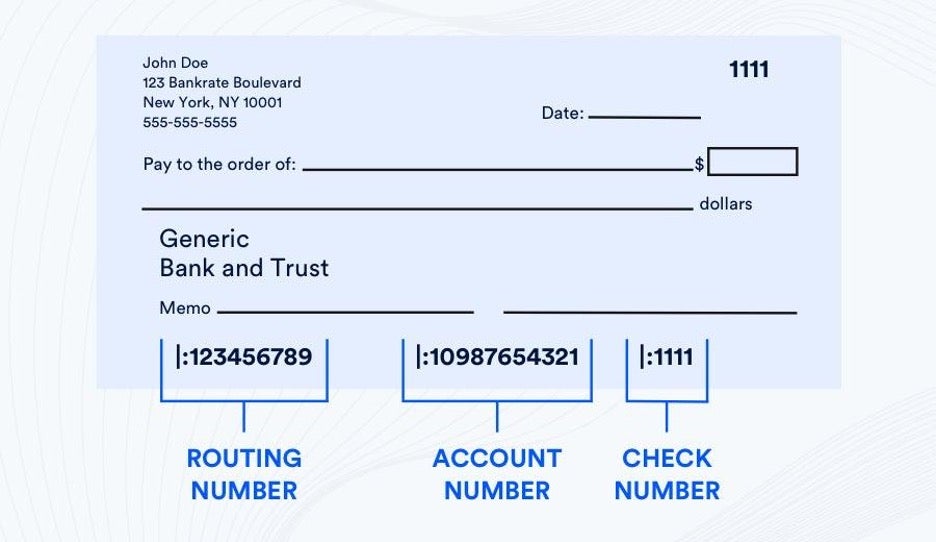
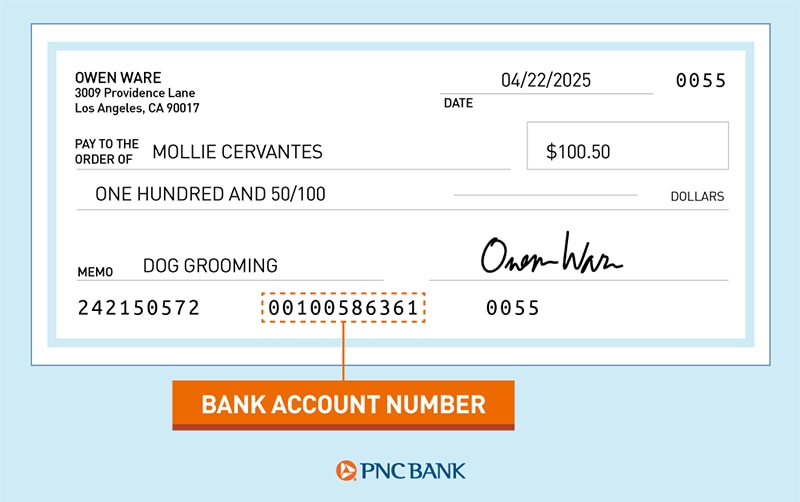
This is perhaps the most traditional and recognizable place to find your checking account number. If you have a physical checkbook, look at the bottom of any check. You’ll typically see three sets of numbers printed in magnetic ink (MICR line). From left to right, they are:
- Routing Number: This nine-digit number identifies your bank or credit union.
- Checking Account Number: This is the middle set of numbers, which varies in length but uniquely identifies your specific account.
- Check Number: This shorter number identifies the individual check from your checkbook.
It’s vital not to confuse the routing number with your checking account number, as they are distinct and serve different purposes. Always double-check to ensure you’re providing the correct sequence.
Through Your Online Banking Portal
In our digital age, online banking has become the primary method for managing finances for millions. Your checking account number is readily available through your bank’s secure online portal or mobile app.
- Log In: Access your bank’s website or mobile app using your secure credentials (username and password).
- Navigate to Account Summary/Details: Once logged in, look for a section labeled “Account Summary,” “Account Details,” “My Accounts,” or similar.
- Select Your Checking Account: Click on your checking account to view its specific details.
- Locate the Number: Your checking account number will usually be listed alongside other information like your balance, routing number, and recent transactions. Some banks might partially mask the number for security, requiring an extra click or verification to reveal the full sequence.
Always ensure you are on a secure website (look for “https://” and a padlock icon) or using the official bank app when accessing this information.
On Your Bank Statements
Whether you receive paper statements in the mail or access electronic statements online, your checking account number is typically displayed prominently.
- Paper Statements: On physical statements, the account number is usually found at the top or bottom of the statement, often near your name and address, or within the account summary section.
- Electronic Statements: If you opt for paperless statements, you can usually download PDF versions of your monthly statements from your online banking portal. Open the PDF, and you’ll find your checking account number in a similar location as on a paper statement.
Bank statements serve as reliable records and are a secure source of your account information.
Contacting Your Bank Directly
If you can’t find your account number through any of the methods above, or if you prefer direct assistance, you can always contact your bank’s customer service.
- Phone: Call the customer service number listed on your bank’s official website, the back of your debit card, or a previous bank statement. Be prepared to go through a rigorous identity verification process to ensure you are the legitimate account holder.
- Branch Visit: For an in-person approach, visit your local bank branch. A teller or customer service representative will be able to provide your checking account number after verifying your identity with official photo ID.
Always be cautious when sharing personal information over the phone and ensure you are speaking with an official bank representative.
Distinguishing Your Checking Account Number from Other Key Financial Identifiers
Confusion often arises between your checking account number and other numerical identifiers associated with your financial life. Understanding the distinct purpose of each is crucial for accurate transactions and enhanced security.
Checking Account Number vs. Routing Number
This is perhaps the most common point of confusion. While both are integral to direct bank transfers, they identify different entities:
- Routing Number (ABA Transit Number): A nine-digit code that identifies your specific financial institution (bank or credit union) in the U.S. It tells the financial system which bank to send the money to. It’s essentially the “address” of the bank itself.
- Checking Account Number: Identifies your specific account within that bank. Once the money arrives at the correct bank (via the routing number), the account number guides it to your individual checking account.
Think of it like mailing a letter: the routing number is the zip code and city, while the checking account number is the street address and house number. Both are necessary to ensure the mail (or money) reaches the intended recipient. Using the wrong number can lead to delays or the money being returned, as the transaction cannot be completed correctly.
Checking Account Number vs. Debit Card Number
Your debit card is a physical payment tool, and the number printed on it serves a different function from your checking account number.
- Debit Card Number: This is typically a 16-digit number found on the front of your debit card. It is primarily used for point-of-sale (POS) transactions, online purchases, and ATM withdrawals. It allows you to access funds directly from your checking account via the card networks (Visa, MasterCard, etc.).
- Checking Account Number: Used for direct bank-to-bank transfers (ACH), wire transfers, and setting up direct deposits or automatic payments. It bypasses the card networks entirely.
The debit card number is more exposed to potential fraud due to its use in daily transactions. While it links to your checking account, it’s not the same identifier. You would never use your debit card number to set up direct deposit.
Checking Account Number vs. Loan Account Number
Many individuals have multiple financial products with their bank, such as savings accounts, credit cards, or various types of loans (mortgage, auto, personal). Each of these typically has its own unique account number.
- Checking Account Number: Specific to your checking account.
- Loan Account Number: Specific to a particular loan. This number is used when making payments to that specific loan.
It’s critical to use the correct account number when making payments or inquiries to ensure the funds are applied to the intended product. Using your checking account number to pay a loan, for example, would likely result in an error or a rejected payment.
Security Best Practices for Your Checking Account Number
Given its central role in your financial transactions, protecting your checking account number from unauthorized access is as important as protecting your Social Security number or credit card details.
Protecting Your Information
Financial fraud and identity theft are persistent threats. Adopting robust security practices can significantly reduce your risk:
- Shred Old Checks and Statements: Do not simply throw away old checks, bank statements, or other documents containing your checking account number. Invest in a cross-cut shredder to destroy them securely.
- Be Wary of Phishing Scams: Legitimate banks will never ask you for your full checking account number, password, or other sensitive information via unsolicited emails, texts, or pop-up messages. Always verify the source of any request for information. If in doubt, contact your bank directly using official contact details.
- Use Strong, Unique Passwords: For your online banking portal, use complex passwords that combine letters, numbers, and symbols, and avoid reusing passwords across different services. Enable two-factor authentication (2FA) if your bank offers it.
- Share Only When Necessary: Be highly selective about who you share your checking account number with. Only provide it to trusted entities (e.g., your employer, known bill payment services, government agencies) for legitimate purposes.
- Monitor Account Statements Regularly: Review your bank statements and online transaction history frequently for any unauthorized or suspicious activity. Report discrepancies to your bank immediately.
- Secure Your Devices: Ensure your computer and mobile devices are protected with up-to-date antivirus software, firewalls, and strong lock screens. Avoid accessing online banking on public Wi-Fi networks without a Virtual Private Network (VPN).
When and How to Share Safely
While caution is paramount, there are legitimate circumstances where you will need to share your checking account number. Knowing how to do so safely is key.
- Trusted Entities: When setting up direct deposit with your employer, linking to a reputable investment platform, or configuring bill pay with a well-known utility company, providing your checking account number is standard.
- Secure Channels: Whenever possible, use secure online portals provided by the entity you are dealing with. These portals often encrypt your data. If you must share over the phone, initiate the call yourself using official numbers and be cautious about what information you divulge. Never provide your full information in an unencrypted email.
- Verify Legitimacy: Before providing your number to any new entity, take a moment to verify their legitimacy. Check their website, look for customer reviews, and ensure they are a reputable organization.
Your checking account number is a powerful key to your financial resources. Treating it with the respect it deserves and following these security best practices will help safeguard your money and peace of mind.
The Future of Account Identification in a Digital Age
The financial landscape is in constant evolution, with new technologies and payment methods emerging regularly. While the checking account number remains a foundational element, understanding its place within these trends is important for comprehensive financial literacy.
Trends in Financial Identification
The rise of digital wallets (e.g., Apple Pay, Google Pay), peer-to-peer payment apps (e.g., Zelle, Venmo, PayPal), and more sophisticated online banking platforms has changed how many consumers interact with their money. These tools often abstract away the need to manually enter account and routing numbers for everyday transactions. For instance:
- Digital Wallets: Utilize tokenization, where your actual card number is replaced with a unique, encrypted token during a transaction, enhancing security.
- P2P Apps: Link directly to your bank account but typically handle the underlying ACH transfers in the background, requiring you to provide your account number only once during setup.
- Open Banking and APIs: These technologies allow for secure, consented sharing of financial data between different institutions and apps, potentially streamlining how accounts are identified and linked in the future.
- Biometric Authentication: Fingerprint and facial recognition are increasingly used to secure access to financial apps, adding a layer of personal identification beyond passwords.
These innovations aim to make financial transactions more convenient and secure for the user, often by making the traditional account number less visible or directly handled in daily interactions.

Maintaining Relevance in a Changing Landscape
Despite these advancements, the checking account number will likely retain its relevance, particularly for foundational bank-to-bank transfers. While a Zelle payment might appear instantaneous, the underlying mechanism often involves ACH transfers that still rely on accurate routing and account numbers behind the scenes. For critical functions like direct deposit, wire transfers, and linking to major financial services, the checking account number continues to be the primary identifier.
Therefore, financial literacy in the digital age involves a dual understanding: being comfortable with the latest tech-driven payment solutions while also grasping the fundamental banking mechanisms that underpin them. Knowing “which is the checking account number” and how it functions provides a solid foundation for navigating both traditional and modern financial systems effectively.
In conclusion, your checking account number is far more than just a string of digits; it is a vital identifier that facilitates the flow of money in and out of your most active financial account. By understanding what it is, where to find it, how it differs from other financial identifiers, and how to protect it, you empower yourself with greater control and security over your personal finances in an increasingly digital world.
aViewFromTheCave is a participant in the Amazon Services LLC Associates Program, an affiliate advertising program designed to provide a means for sites to earn advertising fees by advertising and linking to Amazon.com. Amazon, the Amazon logo, AmazonSupply, and the AmazonSupply logo are trademarks of Amazon.com, Inc. or its affiliates. As an Amazon Associate we earn affiliate commissions from qualifying purchases.