
Navigating the world of personal finance often requires a foundational understanding of banking essentials. Among the most crucial pieces of information tied to your checking account are the routing number and account number. These unique identifiers are not just random strings of digits; they are the bedrock upon which most financial transactions are built, from direct deposits and automatic bill payments to wire transfers. While paper checks might seem like an artifact in an increasingly digital world, they remain a tangible source for these vital numbers, and understanding their location and purpose is indispensable for sound financial management.

This guide will demystify the humble check, breaking down its components to help you confidently locate and understand your routing and account numbers, and the critical role they play in your financial life.
Decoding Your Check: A Guide to Essential Banking Information
A check is far more than just a piece of paper instructing your bank to pay someone. It’s a carefully designed document embedded with specific information that ensures your money goes to the right place, from the right account, and from the correct financial institution. Understanding the layout and purpose of each numerical sequence on a check is a fundamental step in mastering your personal finance.
The Anatomy of a Check: More Than Just Paper
At first glance, a check might appear straightforward, but it contains several distinct fields, each serving a specific purpose. Beyond the obvious spaces for the payee’s name, the amount in figures and words, the date, and your signature, the bottom edge of every check holds the most critical numerical data. This strip of numbers, printed using magnetic ink character recognition (MICR) technology, is designed for automated processing and comprises the routing number, account number, and check number. These three elements work in concert to facilitate secure and accurate transactions.
Why These Numbers Matter
The routing and account numbers are the unique identifiers that facilitate virtually every electronic financial transaction involving your bank account. Without them, your employer couldn’t directly deposit your paycheck, your utility company couldn’t automatically deduct your monthly bill, and you couldn’t set up online payments or transfer funds between accounts. They are the digital addresses that ensure your money moves efficiently and securely through the vast financial network. Understanding their importance empowers you to manage your finances more effectively, setting up essential services like direct deposit, automatic bill pay, and even linking your bank account to investment platforms or digital wallets. Misidentifying these numbers can lead to significant delays, bounced payments, or even misdirected funds, highlighting the need for precision.
Pinpointing the Routing Number
The routing number is the primary identifier for your financial institution. It’s the first piece of the puzzle in directing funds to the correct bank or credit union within the vast U.S. financial system.
What is a Routing Number? Its Purpose and Structure
Often referred to as the ABA (American Bankers Association) routing transit number (RTN), the routing number is a nine-digit code that uniquely identifies the bank or credit union that holds your account. Its primary purpose is to facilitate the routing of funds during transactions, ensuring that payments, deposits, and transfers are directed to the correct financial institution. Think of it as your bank’s specific ZIP code in the financial world.
The structure of the routing number is standardized:
- First four digits: Identify the Federal Reserve processing center handling the bank.
- Next four digits: Identify the specific bank.
- Last digit: A checksum digit used to validate the entire number.
It’s important to note that a single bank might have multiple routing numbers, especially larger institutions, depending on the type of transaction (e.g., wire transfers, ACH transfers, state-specific operations) or the region where the account was opened. Always verify the correct routing number for the specific transaction you’re undertaking.
Locating It on Your Check
On a standard U.S. check, the routing number is consistently found at the bottom-left corner of the check. It is typically the first set of nine digits printed using the special MICR ink. These numbers are often enclosed by specific symbols (known as transit symbols) that help automated systems identify the different number sequences.
Visual Cue: Look for the nine-digit sequence that is usually flanked by a special symbol that looks like a vertical bar with two dots on top and bottom (⑈). This symbol signifies the start and end of the routing number field for machine readability. While the exact symbols can vary slightly, the nine-digit sequence on the far left is almost universally the routing number.
Always double-check that you’re looking at a standard personal or business check issued by your bank, as temporary checks might sometimes have a slightly different format or lack certain features.
Finding Your Routing Number Without a Check
While a physical check is the most straightforward place to find your routing number, there are several reliable alternatives if you don’t have one handy:
- Online Banking Portal: Log in to your bank’s online banking website or mobile app. Your account details section, often under “Account Summary,” “Account Information,” or “Direct Deposit Information,” will typically display your routing number.
- Bank’s Official Website: Many banks provide a “Find My Routing Number” tool or list their routing numbers on their public website, often in the FAQ or contact sections. Be cautious to only use the official bank website to avoid fraudulent sites.
- Bank Statement: Your monthly bank statement, whether paper or electronic, usually lists your account’s routing number prominently near your account number and address details.
- Call Customer Service: You can always call your bank’s customer service line. After verifying your identity, a representative can provide you with the correct routing number for your account.
- In-Person at a Branch: Visiting a local branch of your bank is another secure way to obtain this information.
Identifying Your Account Number
If the routing number directs the funds to the correct bank, the account number specifies which account within that bank the funds belong to.
What is an Account Number? Your Unique Financial ID
Your account number is the unique identifier for your specific checking account within your bank. While routing numbers are shared across many customers of the same bank, your account number is exclusive to you and that particular account. Its length can vary significantly between banks, typically ranging from 10 to 12 digits, but sometimes fewer or more.
The account number’s purpose is paramount: it ensures that transactions are credited to or debited from your exact account, differentiating it from all other accounts at that institution. This makes it a highly sensitive piece of information, as it directly links to your funds.
Locating It on Your Check
On a standard check, the account number is usually the central set of digits in the MICR line at the bottom. It sits between the routing number on the left and the check number on the right.
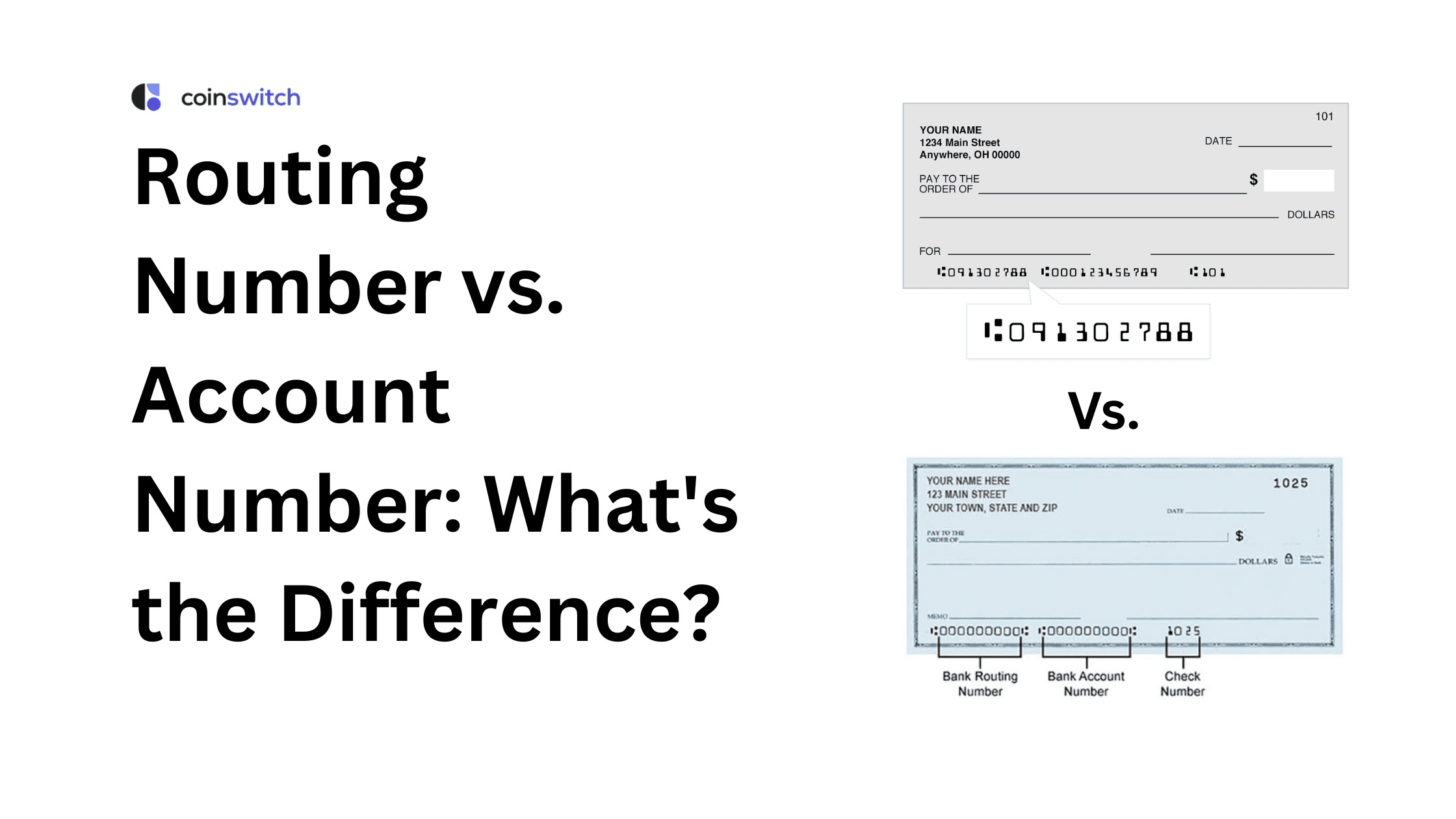
Visual Cue: After you’ve identified the nine-digit routing number on the far left, look to its right. The next series of numbers, which will vary in length, is almost always your account number. This sequence is also typically flanked by the same transit symbols (⑈) or similar unique delimiters, indicating its separate field.
It’s crucial to differentiate your account number from the check number. The account number usually has a greater number of digits than the check number and is positioned more centrally.
Finding Your Account Number Without a Check
Similar to finding your routing number, several methods can help you locate your account number without a physical check:
- Online Banking Portal: This is often the easiest and most secure method. Log into your bank’s online portal or mobile app. Your account number will be clearly displayed in your account summary or details section.
- Bank Statement: Your monthly bank statements (paper or electronic) will prominently feature your full account number.
- Call Customer Service: After security verification, a bank representative can provide your account number.
- In-Person at a Branch: A teller can assist you with identifying your account number after verifying your identity.
- Debit Card (Partial): While not the full checking account number, your debit card is linked to your checking account. However, the 16-digit number on your debit card is not your checking account number; it’s a card number for payment networks. Some online banking platforms might allow you to view a masked version of your checking account number via a linked debit card, but it’s not directly printed on the card. Always rely on statements or online banking for the complete and accurate checking account number.
The Check Number: Keeping Track of Your Transactions
While not as critical for routing funds as the previous two, the check number serves an important role in personal record-keeping and fraud prevention.
What is the Check Number?
The check number is a sequential number assigned to each individual check within your checkbook. Its purpose is primarily for your own record-keeping, allowing you to track which checks you’ve written, when they cleared, and to whom they were issued. It’s an internal control mechanism for both you and your bank. When you reconcile your bank statement, the check numbers help you match your records with the bank’s.
Locating It on Your Check
The check number appears in two places on a standard check:
- Top Right Corner: This is the most common and visible location, making it easy for you to log the check number when writing it.
- Bottom Right Corner (MICR Line): It is also printed as the final set of digits in the MICR line at the very bottom of the check. This allows automated systems to process and identify individual checks uniquely.
Visual Cue: In the MICR line, the check number is the sequence of digits furthest to the right, typically followed by a different set of transit symbols (often resembling a squared-off ‘C’ or a dash).
The Importance of Accuracy and Security
Understanding where to find these numbers is just one part of the equation; knowing how to use them accurately and securely is equally vital for your financial well-being.
Double-Checking for Errors
Mistakes with routing or account numbers can lead to significant headaches. Entering an incorrect routing number might send your payment to the wrong bank, causing delays or requiring manual intervention to recover funds. An incorrect account number could result in a transaction being rejected or, in worse cases, funds being sent to an unintended recipient, which can be difficult to reverse. Always double-check these numbers when setting up direct deposits, automatic payments, or initiating transfers. A small error can have cascading effects on your financial timeline and possibly incur fees.
Protecting Your Financial Information
Your routing and account numbers are sensitive pieces of financial information. While they are necessary for legitimate transactions, they can also be exploited by fraudsters if they fall into the wrong hands.
- Be Discerning: Only provide these numbers to trusted entities for legitimate purposes (e.g., employers for direct deposit, reputable billers for automatic payments).
- Secure Your Checks: Store unused checks in a secure location where they are not easily accessible. When disposing of old checks or bank statements, shred them thoroughly to prevent information theft.
- Monitor Your Accounts: Regularly review your bank statements and online banking activity for any unauthorized transactions. Report suspicious activity to your bank immediately.
- Be Wary of Phishing: Your bank will never ask you for your full account number or routing number via unsolicited emails or texts. Be suspicious of any requests for this information outside of secure banking platforms.
Beyond Paper Checks: Digital Alternatives and Modern Banking
While paper checks are excellent references, the reliance on physical checks for everyday transactions has diminished. However, the underlying routing and account numbers remain critically important in our digital financial landscape.
The Shift to Digital Payments
In today’s fast-paced world, most financial interactions occur digitally. Routing and account numbers are the backbone of electronic funds transfers (EFTs), including:
- ACH (Automated Clearing House) Transactions: These include direct deposits (paychecks, government benefits) and automatic bill payments (utilities, mortgages, subscriptions).
- Wire Transfers: Used for large, urgent, or international money transfers.
- Online Bill Pay: Setting up payments directly through your bank’s portal or a third-party biller often requires these numbers.
- Peer-to-Peer Payment Apps: While many use email or phone numbers for user identification, linking your bank account to these apps often involves providing your routing and account numbers during the initial setup.
Even as we move away from physically writing checks, the information found on them continues to power the seamless flow of digital money.
Financial Tools and Their Reliance on These Numbers
Modern financial management tools, budgeting apps, and investment platforms often offer the ability to link directly to your bank accounts. This integration typically requires your routing and account numbers to securely access transaction data or facilitate fund transfers. Understanding these numbers empowers you to leverage these tools to gain a comprehensive view of your finances, automate savings, and manage investments more effectively. Always ensure you are using reputable, secure applications and platforms when sharing this sensitive data.

Conclusion
The routing and account numbers on your check are far more than just arbitrary digits; they are essential components of your financial identity and the keys to a vast network of transactions. Knowing where to find them, understanding their purpose, and recognizing their importance for both accuracy and security is a fundamental aspect of modern personal finance. Whether you’re setting up a new direct deposit, paying a bill online, or simply managing your records, the knowledge gained from decoding your check empowers you to navigate your financial world with confidence and precision. In an era of increasing digital transactions, these traditional identifiers remain as relevant and critical as ever, underscoring the enduring value of financial literacy.
aViewFromTheCave is a participant in the Amazon Services LLC Associates Program, an affiliate advertising program designed to provide a means for sites to earn advertising fees by advertising and linking to Amazon.com. Amazon, the Amazon logo, AmazonSupply, and the AmazonSupply logo are trademarks of Amazon.com, Inc. or its affiliates. As an Amazon Associate we earn affiliate commissions from qualifying purchases.