
In the vast landscape of personal finance, where myriad options compete for your savings, a “certificate account”—more commonly known as a Certificate of Deposit (CD)—stands out as a reliable and often overlooked tool for growing your money. For many, it represents a safe haven, offering predictable returns without the volatility of the stock market. But what exactly is a CD, how does it work, and how can it fit into your broader financial strategy? This comprehensive guide will demystify certificate accounts, providing you with the insights needed to determine if they are the right choice for your financial goals.
Understanding the Basics of a Certificate Account
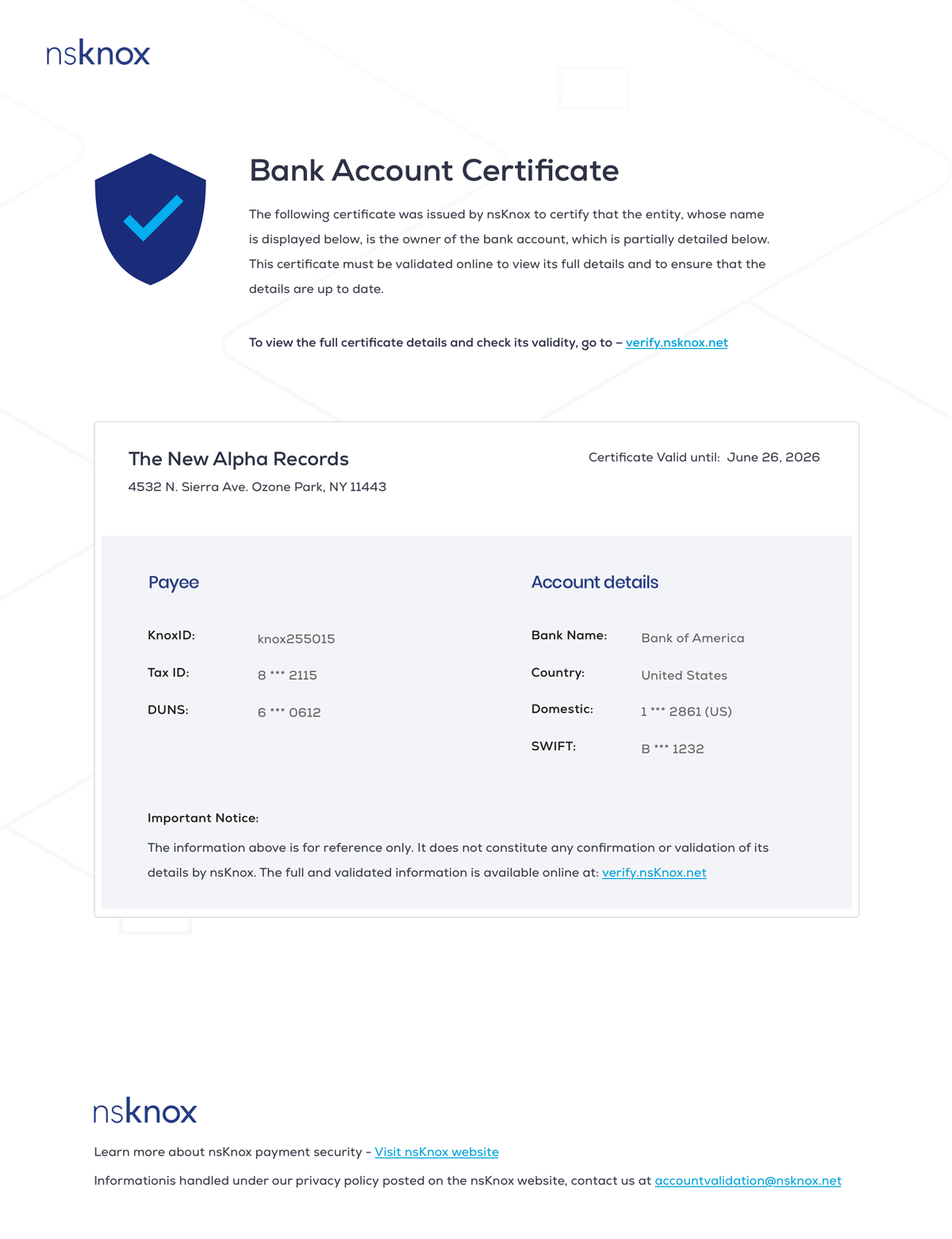
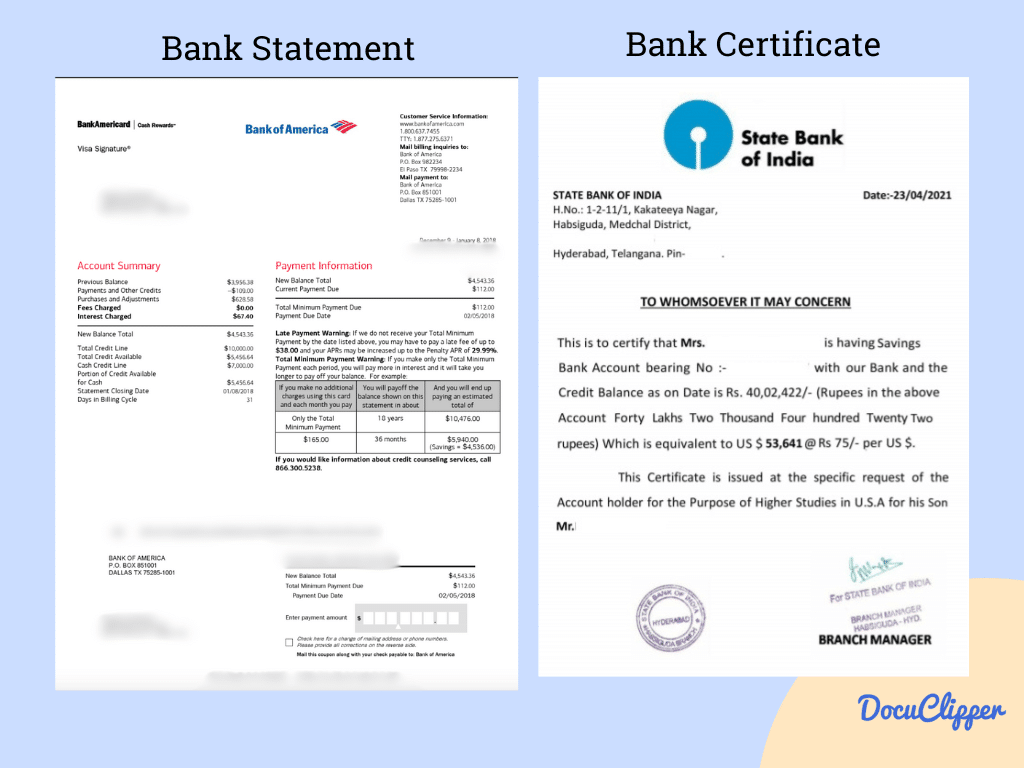
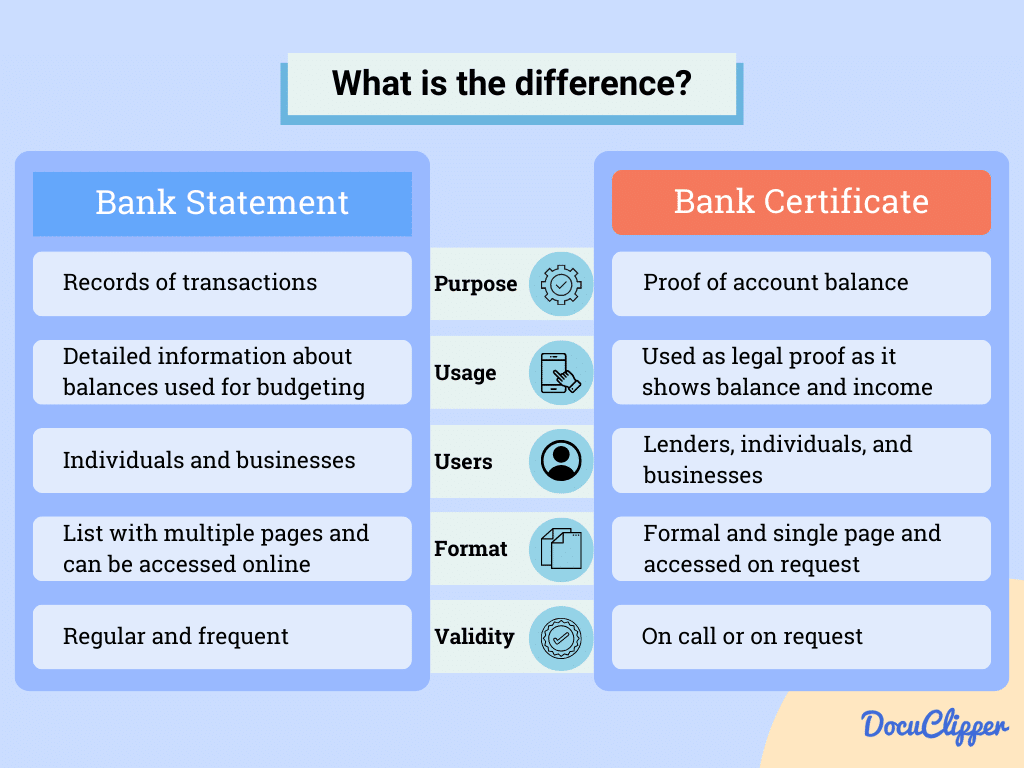
At its core, a certificate account is a type of savings account offered by banks and credit unions that holds a fixed amount of money for a fixed period of time, and in exchange, the issuing institution pays interest. Unlike a traditional savings account, which allows free access to funds at any time, a CD requires you to commit your money for a specific “term.” This commitment is the key differentiator and often the reason CDs offer higher interest rates than their more liquid counterparts.
The Core Definition
A Certificate of Deposit (CD) is essentially a time deposit account. You deposit a principal amount, agree to keep it untouched for a predetermined period (the “term,” which can range from a few months to several years), and the bank guarantees a fixed interest rate for the duration. When the term matures, you receive your initial deposit back, plus all the accrued interest. It’s a contractual agreement: you lend the bank money, and they pay you for the privilege over a set timeframe.
How CDs Differ from Savings Accounts
While both CDs and savings accounts are designed for storing money and earning interest, their operational mechanics are quite distinct. A traditional savings account offers flexibility, allowing you to deposit and withdraw funds as needed (though often with transaction limits). The interest rate on a savings account is typically variable and lower, reflecting this liquidity. CDs, however, trade liquidity for higher, fixed interest rates. Once you deposit funds into a CD, accessing them before maturity usually incurs a penalty, making it a less flexible option but a more rewarding one for committed savings.
The Role of Interest Rates and Terms
The two most critical factors defining a CD are its interest rate and its term. Generally, longer terms tend to come with higher interest rates, as you’re committing your money for an extended period, providing the bank with more stability for their lending operations. The interest rate is fixed when you open the account, meaning it won’t change even if market rates fluctuate during your CD’s term. This predictability is a significant advantage for those seeking stable returns. Terms can vary widely, from 3 months, 6 months, or 1 year, to 3 years, 5 years, or even 10 years, allowing you to align your savings with specific future financial needs.
FDIC/NCUA Insurance Protection
A major draw of certificate accounts is their inherent safety. Deposits in CDs at FDIC-insured banks or NCUA-insured credit unions are protected up to $250,000 per depositor, per institution, per ownership category. This robust insurance means that even if the financial institution fails, your principal and accrued interest are safeguarded, making CDs one of the safest places to store your money outside of direct government bonds. This level of protection provides invaluable peace of mind, especially during uncertain economic times.
Key Features and Benefits of CDs
The unique structure of certificate accounts offers several compelling advantages that make them a valuable component of a well-rounded financial strategy. For savers looking for stability and predictable growth, CDs present an attractive alternative to more volatile investment options.
Predictable Returns and Stability
One of the most significant benefits of a CD is the predictability it offers. Once you lock in an interest rate for a specific term, you know exactly how much interest your money will earn and what your total return will be at maturity. This certainty is particularly appealing for short to medium-term financial goals where market fluctuations could jeopardize your plans. Unlike investments in stocks or bonds, which can see their values rise and fall, a CD guarantees your principal and a fixed rate of return, providing unparalleled stability.
Higher Interest Rates Compared to Savings
Generally, CDs offer higher interest rates than traditional savings accounts. This premium is the reward for the commitment you make by agreeing to keep your funds untouched for the CD’s term. While the difference might seem small on a percentage basis, over time and with larger principal amounts, these higher rates can lead to significantly more earned interest. This makes CDs an excellent choice for optimizing returns on money you don’t need immediate access to.
Encouraging Disciplined Savings
The fixed term and potential early withdrawal penalties of a CD inherently encourage disciplined savings habits. Knowing that you can’t easily access your funds without consequence can help you resist the temptation to dip into your savings for non-essential expenses. This enforced discipline can be a powerful tool for achieving specific financial milestones, such as saving for a down payment on a home, a child’s education, or a significant future purchase, by segmenting your funds with clear objectives.
Low-Risk Investment Option
For individuals with a low-risk tolerance, CDs are an ideal choice. They carry virtually no market risk, as their value doesn’t fluctuate with economic performance. The only real “risk” is the opportunity cost if interest rates rise significantly after you’ve locked into a lower rate, or the liquidity risk of needing your funds before maturity. However, compared to equities or even certain types of bonds, CDs offer a superior level of safety, making them a cornerstone for the conservative portion of a diversified portfolio.
Types of Certificate Accounts
While the core concept of a CD remains consistent, the financial industry has developed several variations to cater to different saver needs and market conditions. Understanding these types can help you choose the CD that best aligns with your financial strategy and liquidity requirements.
Traditional Fixed-Rate CDs
This is the most common type of CD. You deposit a fixed amount for a fixed term at a fixed interest rate. It’s straightforward and predictable, ideal for those who value certainty above all else and don’t anticipate needing their funds before maturity. The interest rate is typically compounded daily, monthly, or quarterly, and paid out at maturity.
Callable CDs
Callable CDs give the issuing bank the option to “call” or redeem the CD before its maturity date. If interest rates fall, the bank might call the CD to reissue it at a lower rate. In return for this callable feature, these CDs often offer slightly higher interest rates than traditional CDs of similar terms. However, they introduce a degree of uncertainty for the investor, as your funds might be returned to you sooner than expected, potentially requiring you to reinvest at a less favorable rate.
Step-Up and Bump-Up CDs
These types of CDs offer some flexibility regarding interest rates. A Step-Up CD has a predetermined schedule for increasing its interest rate at specific intervals during its term. For example, the rate might increase every year. A Bump-Up CD gives the investor a one-time option to “bump up” their interest rate if market rates rise during the CD’s term. Both options allow savers to potentially benefit from rising interest rates without fully sacrificing the security of a fixed-term deposit.
Liquid or No-Penalty CDs
As the name suggests, a liquid or no-penalty CD allows you to withdraw your money before the maturity date without incurring an early withdrawal penalty, usually after an initial grace period (e.g., seven days after funding). While they offer greater flexibility, the trade-off is often a slightly lower interest rate compared to traditional CDs of similar terms. These are excellent for those who want the higher rates of a CD but also need some assurance that they can access their funds in an emergency.
Jumbo CDs
Jumbo CDs are designed for larger deposits, typically starting at $100,000. Because of the substantial sum involved, these CDs often command slightly higher interest rates than standard CDs, though the difference has become less pronounced in recent years due to fierce competition in the banking sector. They offer the same safety and predictability as traditional CDs but are tailored for high-net-worth individuals or institutional investors.
CD Ladders: A Strategy for Flexibility
A CD ladder is not a type of CD itself, but rather a strategy for investing in multiple CDs with staggered maturity dates. For example, instead of putting all your money into one 5-year CD, you might divide it into five equal portions and invest each into a 1-year, 2-year, 3-year, 4-year, and 5-year CD. As each CD matures, you can then reinvest that money into a new 5-year CD. This strategy provides a regular stream of maturing funds (offering liquidity) while also allowing you to capture the higher interest rates typically associated with longer-term CDs. It’s a popular method for balancing liquidity with maximizing returns.
Considerations Before Opening a CD
While certificate accounts offer undeniable benefits, they are not without their nuances. Before committing your funds, it’s crucial to weigh several factors to ensure a CD is the right fit for your immediate and long-term financial needs.
Understanding Early Withdrawal Penalties
The most significant constraint of a traditional CD is the early withdrawal penalty. If you need to access your money before the maturity date, you will typically forfeit a portion of the interest earned (or even a portion of your principal if you haven’t accrued enough interest). Penalties vary by institution and CD term but commonly range from 3 to 6 months’ worth of interest for terms up to one year, and even more for longer terms. It’s imperative to read the fine print and understand these penalties thoroughly before opening an account. This makes CDs unsuitable for emergency funds or money you might need on short notice.
Interest Rate Environment and Inflation
The prevailing interest rate environment is a critical consideration. If current interest rates are low, locking your money into a long-term CD might mean missing out if rates rise significantly later. Conversely, if rates are high, a long-term CD can be an excellent way to lock in those favorable returns. Inflation also plays a role; if the rate of inflation exceeds your CD’s interest rate, your purchasing power will effectively diminish over time. While CDs protect your principal, they may not always outpace inflation, especially in periods of high price increases.
Opportunity Cost
When you commit funds to a CD, you are foregoing other potential uses for that money. This is known as opportunity cost. For example, if you lock money into a CD earning 2% but could have invested it in a diversified stock portfolio that returns an average of 7% over the same period (albeit with higher risk), the 5% difference is your opportunity cost. It’s essential to compare CD rates with other investment opportunities and consider your financial goals and risk tolerance. For very long-term goals like retirement, growth-oriented investments might be more suitable than CDs.
Minimum Deposit Requirements
Most banks and credit unions have minimum deposit requirements for opening a CD. These can range from as little as $500 or $1,000 to much higher amounts for jumbo CDs. Ensure you meet these requirements comfortably and that the amount you’re depositing won’t leave you short for other financial obligations or an emergency fund. Some institutions also offer “brokered CDs” which are purchased through a brokerage firm and often have lower minimums, though they might operate slightly differently regarding secondary market liquidity.
Integrating CDs into Your Financial Strategy
Certificate accounts are versatile tools that can serve various purposes within a well-structured financial plan. While they may not be suitable for every financial goal, strategic deployment can significantly enhance your overall savings and investment portfolio.
Short-Term Savings Goals (e.g., Down Payment)
CDs are excellent for saving for specific, short to medium-term goals where you know you won’t need the money until a certain date. Examples include saving for a down payment on a car or home, a future vacation, or a wedding. By aligning the CD’s maturity date with your target date for needing the funds, you can earn a predictable return on your savings without the risk of market volatility, ensuring your funds are available when you need them.
Diversifying Your Savings Portfolio
Even if you have a robust investment portfolio that includes stocks, bonds, and mutual funds, CDs can play a crucial role in diversification. They act as a low-risk, stable component, balancing out the higher volatility of other assets. For a portion of your emergency fund or for money earmarked for a critical expense that cannot afford to shrink, CDs offer a safe haven, protecting your principal from market downturns and providing a guaranteed return.
Building a CD Ladder for Liquidity
As discussed, a CD ladder is a powerful strategy for combining the benefits of higher long-term CD rates with enhanced liquidity. By staggering maturity dates, you ensure that a portion of your savings becomes available at regular intervals. This allows you to reinvest at current rates (potentially higher ones), or access funds without penalty if an unexpected need arises. It offers a “best of both worlds” approach for many savers.
When a CD Might Not Be the Best Fit
Despite their advantages, CDs are not always the optimal choice. They are generally not suitable for your primary emergency fund, as the early withdrawal penalties can negate their benefits when quick access is needed. For very long-term goals like retirement planning, investments with higher growth potential (e.g., stocks, mutual funds) are typically more effective at outpacing inflation and generating significant wealth over decades, although a small allocation to CDs can still serve as a conservative anchor. Additionally, if you anticipate needing your funds frequently or if the current interest rate environment is exceptionally low, other savings vehicles like high-yield savings accounts or money market accounts might offer better liquidity or comparable returns.
In conclusion, a certificate account or CD is a valuable financial instrument designed for safe, predictable growth on funds you can afford to set aside for a fixed period. By understanding its mechanics, benefits, different types, and how to strategically integrate it into your financial planning, you can leverage CDs to achieve your short to medium-term savings goals with confidence and peace of mind.
aViewFromTheCave is a participant in the Amazon Services LLC Associates Program, an affiliate advertising program designed to provide a means for sites to earn advertising fees by advertising and linking to Amazon.com. Amazon, the Amazon logo, AmazonSupply, and the AmazonSupply logo are trademarks of Amazon.com, Inc. or its affiliates. As an Amazon Associate we earn affiliate commissions from qualifying purchases.