
Closing a bank account might seem like a straightforward task, but it often involves a series of crucial steps and considerations to ensure a smooth transition and avoid potential financial complications. For those looking to cancel a Chase savings account, understanding the process, anticipating potential issues, and performing due diligence beforehand are paramount. This guide provides a comprehensive, professional, and insightful walkthrough, firmly rooted in the principles of personal finance and financial management. Whether you’re consolidating accounts, seeking better returns elsewhere, or simply streamlining your financial life, navigating the closure of a Chase savings account requires a structured approach.
Understanding Why You Might Close Your Account
The decision to close a savings account is often driven by evolving personal financial circumstances or a strategic shift in one’s banking preferences. Recognizing the common motivations can help individuals approach the process with a clear objective and make informed decisions about their financial future.
Changing Financial Needs and Goals
Life stages and financial aspirations are dynamic. What once served your needs perfectly might no longer align with your current financial trajectory. For instance, a basic savings account may suffice for emergency funds in early career stages, but as wealth accumulates or specific goals like homeownership or retirement planning become more pressing, you might seek accounts with higher interest rates, more sophisticated investment options, or integrated financial planning services. Cancelling a Chase savings account in this context is often a step towards optimizing your savings strategy and aligning it with more ambitious financial goals. This could involve moving funds to a high-yield savings account at another institution, investing in a Certificate of Deposit (CD) for better returns, or funneling savings into a brokerage account.
Dissatisfaction with Services or Fees
Client satisfaction is a cornerstone of banking relationships. If you’ve experienced persistent issues with Chase’s customer service, encountered unexpected or excessive fees that erode your savings, or found their digital tools and mobile banking experience lacking compared to competitors, closing your account becomes a logical recourse. In an increasingly competitive financial landscape, consumers have numerous options, and loyalty often hinges on value, service quality, and transparent fee structures. Unfavorable interest rates on savings, particularly during periods of rising interest rates, can also be a significant driver for seeking alternative banking solutions that offer more competitive returns on your deposited funds.
Consolidating Accounts for Simplicity
For many, financial simplicity is a desirable, if often elusive, goal. Managing multiple bank accounts across different institutions can become cumbersome, making it difficult to track spending, monitor balances, and reconcile statements. Consolidating accounts—especially inactive or rarely used ones—into a single primary institution or a more streamlined setup can simplify your financial life significantly. This reduces administrative overhead, minimizes the risk of overlooking small fees on dormant accounts, and provides a clearer, more holistic view of your overall financial standing. Closing a redundant Chase savings account can be a crucial step in achieving this financial minimalism, freeing up mental bandwidth and reducing the chances of missed financial details.
Essential Preparations Before You Close Your Account
The act of closing a savings account is less about the final click or signature and more about the meticulous preparation that precedes it. Skipping these preparatory steps can lead to inconveniences, financial disruptions, or even unforeseen charges. Diligence at this stage is key to a seamless transition.
Transferring Funds and Updating Direct Deposits
Before initiating the closure, ensure that all funds in your Chase savings account are transferred to your new or existing primary account. This might involve initiating an electronic transfer (ACH), a wire transfer, or withdrawing cash. Simultaneously, it’s imperative to update any direct deposit arrangements—such as payroll, government benefits, or tax refunds—to your new account. Failure to do so could result in delayed payments, requiring manual intervention and potentially causing financial strain. Verify that the new account details are correctly updated with all relevant senders well in advance of the closure.
Updating Automatic Payments and Subscriptions
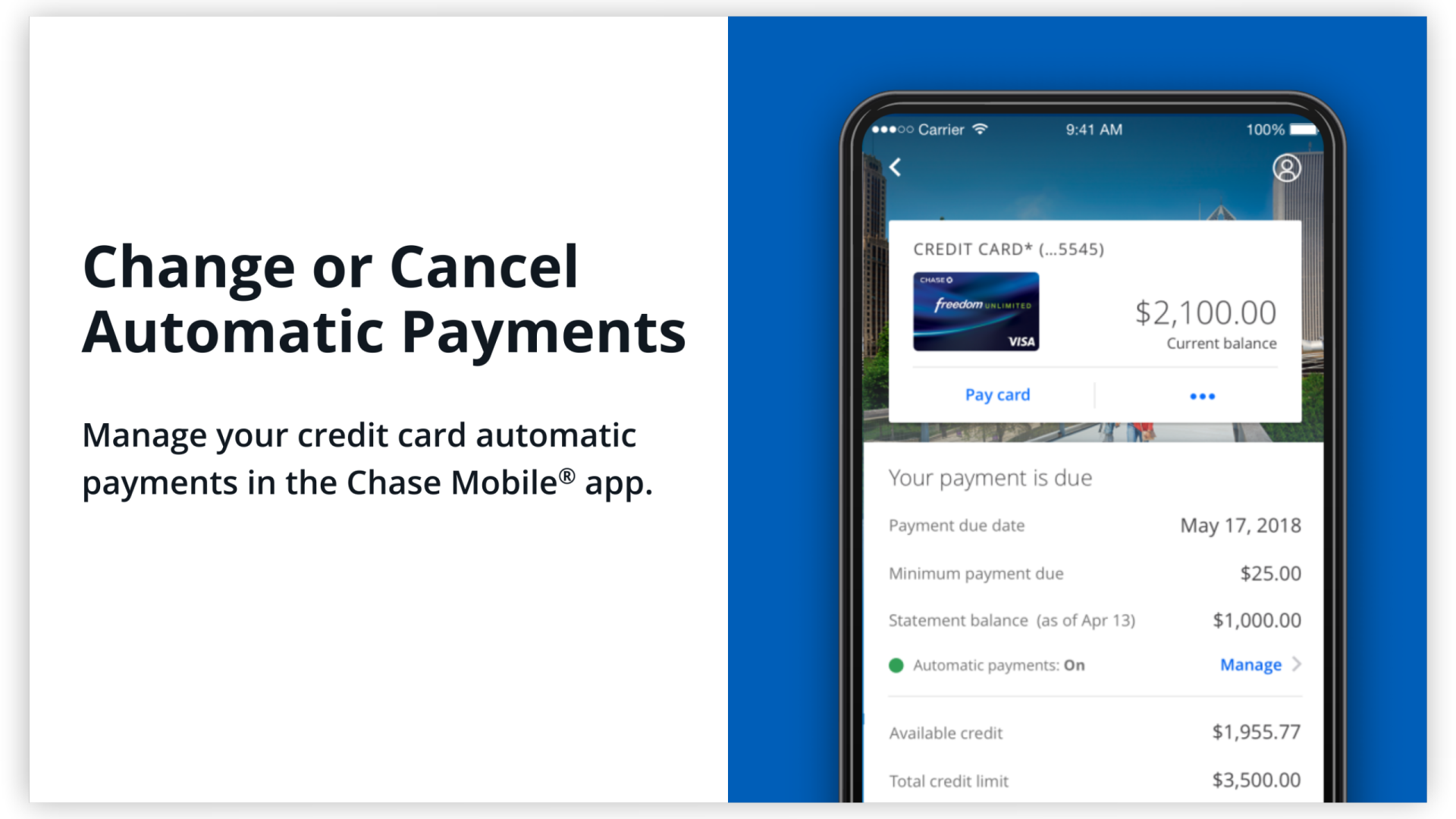
Many individuals link their savings accounts to automatic payments for bills (e.g., mortgage, utilities, credit cards) or subscriptions (e.g., streaming services, gym memberships). It is critical to identify all such recurring transactions linked to your Chase savings account and update them with your new account information. Missing even one automatic payment can lead to late fees, service interruptions, or negative marks on your credit report. Reviewing recent bank statements can help identify all linked services, ensuring no recurring payment is overlooked. Setting up these payments in your new account with sufficient lead time before the Chase account closure is a recommended best practice.
Retrieving Account Statements and Tax Documents
Financial record-keeping is a fundamental aspect of sound personal finance. Before closing your Chase savings account, download or request physical copies of all necessary past account statements, transaction histories, and tax-related documents (e.g., interest income statements like Form 1099-INT). These documents are invaluable for tax preparation, dispute resolution, budgeting, and maintaining a comprehensive financial history. Most banks provide access to digital statements for several years, but ensuring you have copies of all relevant historical data before access is terminated is crucial for future reference and compliance.
Considering Joint Accounts and Beneficiaries
If your Chase savings account is a joint account, all account holders typically need to provide consent for its closure. Discuss the decision to close with all co-owners to avoid misunderstandings or complications. Furthermore, review any designated beneficiaries on the account. While savings accounts usually don’t have complex beneficiary designations like investment accounts, it’s good practice to ensure all such arrangements are properly managed or transferred if necessary, particularly if the funds are intended for specific individuals upon your passing. Understanding the implications for all parties involved is a sign of responsible financial management.
Step-by-Step Guide to Closing Your Chase Savings Account
Chase offers several avenues for closing a savings account, catering to different preferences and levels of convenience. Each method has its own set of requirements, but the underlying principle remains the same: clear communication and verification of identity and intent.
Method 1: In-Person at a Chase Branch
For many, visiting a physical branch offers the highest level of assurance and direct interaction.
- Locate a Branch: Use Chase’s branch locator to find the nearest convenient branch.
- Gather Required Documentation: Bring a valid government-issued photo ID (e.g., driver’s license, passport) and your Chase debit card or account number. If it’s a joint account, all account holders may need to be present and provide ID.
- Speak with a Banker: Inform the banker of your intention to close the savings account. They will guide you through the necessary paperwork.
- Handle Remaining Balance: If there’s a remaining balance, you can typically request it to be transferred to another account (Chase or external), withdrawn as cash (subject to cash limits), or issued as a cashier’s check.
- Obtain Written Confirmation: Always request a written confirmation or receipt that explicitly states the account has been closed and the effective date.
Method 2: Via Phone Banking
Closing an account over the phone can be convenient, especially if a branch visit is not feasible.
- Call Chase Customer Service: Dial Chase’s official customer service number. Be prepared for security verification questions to confirm your identity.
- State Your Intent: Clearly communicate that you wish to close your savings account.
- Provide Account Details: Have your account number, personal information, and any security codes ready.
- Fund Transfer: The representative will guide you on how to transfer any remaining balance. This often involves an ACH transfer to a linked external account.
- Request Confirmation: Ask for an email or postal mail confirmation of the account closure for your records. This is a crucial step to ensure the closure is processed correctly.
Method 3: Through Written Correspondence
While less common for savings accounts, closing via written correspondence is an option, particularly if you are abroad or have specific circumstances.
- Draft a Formal Letter: Clearly state your intention to close the account, include your full name, account number, contact information, and reason for closure.
- Include Identification: Attach a legible photocopy of your government-issued ID.
- Specify Fund Disbursement: Provide clear instructions for the disbursement of any remaining funds, including details of the destination account (bank name, routing number, account number) or request a cashier’s check.
- Send Certified Mail: Send the letter via certified mail with a return receipt requested. This provides proof that Chase received your request.
- Follow Up: Expect a longer processing time and be prepared to follow up with Chase if you do not receive confirmation within a reasonable period.
What to Expect During the Process (Fees, Confirmation)
- Account Balance: Ensure your account balance is positive. If there’s a negative balance, you will need to deposit funds to cover it before closure.
- Closure Fees: While less common for savings accounts, some institutions may levy a fee for closing an account, especially if it’s closed shortly after opening (e.g., within 90 or 180 days). Confirm any potential fees with Chase before proceeding.
- Confirmation: Regardless of the method, always obtain written confirmation (physical or electronic) that your account has been successfully closed. This document is your proof of closure and can be vital if any future discrepancies arise. The process typically takes a few business days to a week to finalize after the request.
Post-Closure Best Practices and Considerations
Closing an account is not the absolute final step. Responsible financial management extends to the period immediately following closure, ensuring that all loose ends are tied up and that your financial profile remains secure and accurate.
Verifying Account Closure
Do not assume the account is closed simply because you submitted the request. Wait for the official confirmation from Chase. Once received, consider a few actions to double-check. Attempt to log into your online banking for that specific account; if it’s truly closed, you should no longer have access. You might also monitor your credit report (more on this below) to ensure the account status is updated. This verification step is a critical safeguard against potential errors or delays in processing.
Monitoring Your Credit Report
Although a savings account does not directly impact your credit score like a loan or credit card, the closure of any financial account can appear on your credit report. It’s prudent to review your credit report from all three major credit bureaus (Equifax, Experian, TransUnion) a few weeks or months after closing the account. Ensure that the Chase savings account is correctly reported as “closed by consumer” or “closed.” Incorrect reporting could indicate a processing error or, in rare cases, identity theft, warranting immediate attention. You are entitled to a free credit report from each bureau annually via AnnualCreditReport.com.
Keeping Records
Maintain a dedicated file, either physical or digital, for all documents related to the account closure. This includes the written confirmation from Chase, copies of your final statements, and any correspondence. This record-keeping serves as a critical reference point if any issues arise in the future regarding the account’s status, unclaimed funds, or tax implications. A well-organized financial archive is a cornerstone of effective personal finance.
Exploring New Savings Options
With your Chase savings account closed, this is an opportune moment to re-evaluate your savings strategy. Explore other financial institutions that might offer higher interest rates, lower fees, or specialized savings tools that better suit your current financial goals. Online-only banks often provide more competitive interest rates than traditional brick-and-mortar banks due to lower overheads. Consider factors like FDIC insurance, ease of access to funds, digital banking features, and customer service reviews when selecting your next savings partner. This proactive approach ensures that your money is working as hard as possible for you, aligning with sound financial planning principles.
Cancelling a Chase savings account, while seemingly minor, is an exercise in meticulous financial management. By following a structured approach that prioritizes preparation, clear communication, and diligent follow-up, individuals can navigate this process with confidence, ensuring a smooth transition and contributing to a healthier, more organized financial life.
aViewFromTheCave is a participant in the Amazon Services LLC Associates Program, an affiliate advertising program designed to provide a means for sites to earn advertising fees by advertising and linking to Amazon.com. Amazon, the Amazon logo, AmazonSupply, and the AmazonSupply logo are trademarks of Amazon.com, Inc. or its affiliates. As an Amazon Associate we earn affiliate commissions from qualifying purchases.