
Managing your financial accounts is a fundamental aspect of personal finance, and knowing how to properly close an account, especially with a major institution like Chase, is an essential skill. Whether you’re consolidating your banking relationships, moving to a new city, or simply seeking better financial services elsewhere, the process of closing an account requires careful consideration and a systematic approach. This guide will walk you through the nuances of closing a Chase account, ensuring a smooth transition and helping you leverage this action for improved financial health.
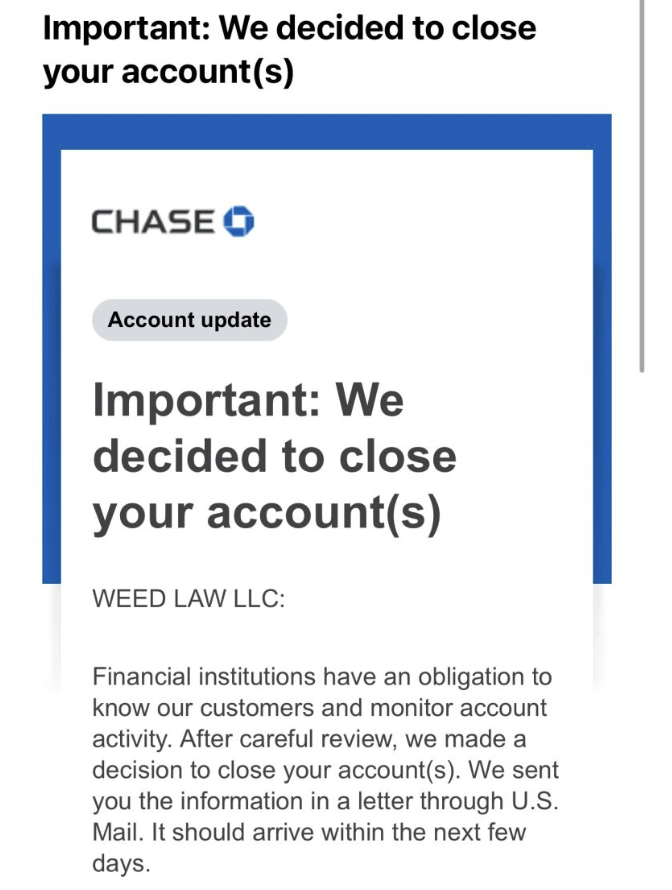
Understanding When and Why to Close a Chase Account
Deciding to close a bank account isn’t a decision to be taken lightly. It’s often a strategic move rooted in a broader financial plan. Understanding the common motivations and potential implications can help you make an informed choice.
Common Reasons for Account Closure
Individuals opt to close their Chase accounts for a variety of valid financial reasons, each stemming from a desire to optimize their personal finance landscape:
- Seeking Better Rates or Fewer Fees: Competitors might offer higher interest rates on savings, lower monthly maintenance fees, or more attractive checking account features. A proactive search for better value often leads to account consolidation or switching.
- Dissatisfaction with Service: Poor customer service experiences, recurring issues, or a lack of desired features can prompt a move to a different banking provider.
- Relocation: Moving to an area where Chase branches are sparse, or where another bank offers more convenient access, can be a practical reason for closure.
- Consolidation of Accounts: Holding multiple accounts with different institutions can complicate financial management. Consolidating accounts into one or two primary banks simplifies tracking, budgeting, and overall financial oversight.
- Life Changes: Major life events such as marriage, divorce, or changes in employment might necessitate a restructuring of financial accounts to better suit new circumstances.
- Inactive Accounts: To avoid potential dormancy fees or simply to tidy up one’s financial portfolio, closing an unused or rarely used account is a common practice.
Potential Implications and Considerations
While closing an account can be beneficial, it’s crucial to be aware of potential pitfalls. Overlooking these details can lead to inconvenience, unexpected fees, or even impacts on your financial standing.
- Direct Deposits and Automatic Payments: The most significant hurdle is often ensuring that all recurring income (paychecks, benefits) and outgoing payments (utilities, subscriptions, loan payments) are redirected to your new account before closing the old one. A missed payment can incur late fees and negatively affect your credit score for loans.
- Linked Accounts: Consider any external accounts linked to your Chase account, such as investment platforms, peer-to-peer payment services (Zelle, Venmo, PayPal), or other bank accounts for transfers. These links will need to be updated.
- Credit Score Impacts (Indirect): While closing a checking or savings account doesn’t directly impact your credit score like a credit card closure, issues arising from failed payments (due to not updating direct debits) could indirectly affect it. Furthermore, closing your only active checking account without a new one in place might raise red flags for future credit applications, as banks often prefer to see an established banking relationship.
- Outstanding Checks or Transactions: Any outstanding checks written from the account or pending transactions must clear before the account can be fully closed.
- Potential Fees: While generally not an issue for established accounts, some banks might charge an early account closure fee if the account is closed within a very short period (e.g., 90-180 days) of opening. Always review your account agreement.
When Not to Close Your Account
In some scenarios, maintaining your Chase account might be more advantageous. If you anticipate needing a specific service only Chase offers, or if you frequently travel and rely on their extensive ATM network, keeping the account open, perhaps as a secondary one, might be wise. Additionally, if you have a complex financial setup with numerous linked services, the administrative burden of switching everything might outweigh the benefits of closing. For individuals looking to maintain a long banking history with a reputable institution, especially if contemplating future loan products with Chase, keeping an account open and active could also be a strategic choice.
Essential Preparations Before Initiating Closure
The key to a seamless account closure lies in meticulous preparation. Rushing this process can lead to significant headaches and financial disruption.
Verify Account Balance and Outstanding Transactions
Before you do anything else, thoroughly review your account statements. Ensure there are no pending transactions, outstanding checks, or automatic transfers that have yet to clear. Ideally, the account balance should be zero or contain only the funds you intend to transfer out. If you have a negative balance, you’ll need to deposit funds to bring it to zero or positive before Chase will process the closure.
Update Direct Deposits and Automatic Payments
This is arguably the most critical step. Create a comprehensive list of all direct deposits (paychecks, government benefits, investment dividends) and automatic payments (utilities, rent/mortgage, insurance, loan payments, subscriptions). Contact each originator of a direct deposit and each payee of an automatic payment to update your banking information with your new account details. Allow ample time for these changes to take effect, typically one to two billing cycles. It’s wise to keep your Chase account open for a short period after initiating these changes to catch any stragglers.
Transfer Funds and Settle Debts
Once all recurring transactions are redirected, transfer the remaining balance from your Chase account to your new bank account. You can do this via an electronic transfer (ACH), wire transfer (though this usually incurs a fee), or by withdrawing cash if it’s a small amount. If you have any outstanding debts linked solely to your Chase account, ensure they are settled before closure to avoid complications.
Save Important Statements and Records
Even after closing, you may need access to past statements for tax purposes, budgeting reviews, or as proof of transactions. Download and save digital copies of at least the past several years of statements. If you prefer physical copies, ensure you have them securely stored. Chase typically retains records, but having your own copies provides immediate access.
Secure Alternative Banking Arrangements
Do not close your primary Chase account until you have a fully functional alternative bank account set up and ready to receive funds and process payments. This new account should have checks, debit cards, and online banking access established. This ensures continuity in your financial life and prevents any period of being unbanked.
Step-by-Step Methods for Closing Your Chase Account
Chase offers a few avenues for account closure, though some methods are more universally applicable than others. Understanding each option will help you choose the most convenient and secure path.
In-Person Closure at a Chase Branch
This is often the most recommended and straightforward method, especially if you have a more complex situation or simply prefer direct interaction.
- Process: Visit any Chase branch during business hours. Inform a personal banker of your intention to close your account.
- What to Bring: You will need a valid government-issued photo ID (driver’s license, passport). Bring your debit card and checkbook (even if unused) related to the account. If you’re closing a joint account, all account holders may need to be present or provide specific documentation.
- Benefits: You can immediately receive any remaining balance in cash or as a cashier’s check. You can ask questions, get immediate confirmation of closure, and ensure all loose ends are tied up on the spot. This method minimizes the risk of issues due to lost mail or delayed processing.
Closing by Phone
For some basic accounts or if you cannot visit a branch, calling customer service might be an option.
- Process: Call Chase customer service at the number listed on their website or on the back of your debit card. Be prepared for security verification questions to confirm your identity.
- Verification: Expect questions about your account number, Social Security number, address, and recent transactions.
- Limitations: While you can initiate the process, Chase may still require a physical signature for certain account types or if the remaining balance needs to be mailed to you. You might need to mail a signed letter confirming your intent to close after the phone call. The final balance will typically be mailed as a check, which adds a time delay.
Closing by Mail
This method is less common and generally only used if other options are unavailable, or for specific types of accounts.
- Process: Write a formal letter to Chase requesting account closure. Include your full name, address, account number, and a clear statement of your intent to close the account. Specify how you wish to receive any remaining balance (e.g., “Please mail a cashier’s check to the address on file”). Sign the letter.
- Required Documents: Include a copy of your government-issued photo ID.
- Address: Send the letter to the appropriate Chase processing center or customer service address (check the Chase website or a recent statement for the correct address).
- Tracking: Always send the letter via certified mail with a return receipt requested. This provides proof that Chase received your request.
- Disadvantage: This is the slowest method and carries the highest risk of delays or lost correspondence. It also lacks the immediate confirmation and problem-solving capability of an in-person visit.
Online Closure (Limitations for Chase)
Unlike some smaller banks or fintech platforms, Chase generally does not offer a direct online option for fully closing a checking or savings account. While you can manage many aspects of your account online, including transfers and viewing statements, final closure usually requires a more secure, verifiable interaction—either in person, by phone, or by mail. If you attempt to find an online closure option and cannot, assume you’ll need to use one of the other methods.
Post-Closure Steps and Best Practices
Your responsibilities don’t end the moment Chase confirms your account is closed. A few additional steps will help secure your financial data and prevent future issues.
Confirm Account Closure
Always request a written confirmation letter or email from Chase stating that your account has been successfully closed with a zero balance. Keep this documentation with your financial records. If you closed in person, ask for a printed confirmation slip.
Monitor for Lingering Transactions
For a few weeks after closure, keep an eye on your new bank account for any unexpected debits or credits related to the old Chase account. While diligent preparation minimizes this, sometimes a forgotten automatic payment or a misdirected direct deposit can surface. If you find one, contact the originator and your new bank immediately.
Destroy Old Cards and Checks Securely
Once the account is confirmed closed, shred your old Chase debit card and any unused checks linked to that account. Do not simply throw them away, as they could still contain sensitive information.
Update Personal Financial Records
Update any personal finance software (e.g., Mint, Quicken, YNAB) or spreadsheets to reflect the closed account and your new banking arrangements. This ensures your financial overview is accurate and up-to-date.
What to Do if You Encounter Issues
If you face difficulties, such as an account not closing correctly, unexpected fees, or problems transferring funds, first contact Chase customer service. Be polite but firm, clearly stating your issue and providing any relevant documentation. If the issue remains unresolved, you can escalate it to a supervisor. For persistent or serious issues, you can file a complaint with the Consumer Financial Protection Bureau (CFPB), which oversees financial products and services in the U.S.
The Financial Perspective: Leveraging Account Closure for Better Financial Health
Closing a bank account isn’t just an administrative task; it can be a strategic move to optimize your financial well-being. By thoughtfully managing your banking relationships, you actively contribute to your overall financial health.
Consolidating Accounts for Simplicity and Savings
Having too many bank accounts can lead to missed fees, forgotten balances, and a fragmented view of your money. Consolidating accounts streamlines your finances, making budgeting and tracking expenses much easier. It also reduces the likelihood of minimum balance fees on multiple accounts.
Switching Banks for Improved Rates or Services
The banking landscape is competitive. By being willing to switch, you empower yourself to seek out institutions that offer higher interest rates on savings, lower fees, superior online banking tools, or more convenient branch access. This proactive approach ensures your money is working harder for you and that you’re receiving the best possible service.
Minimizing Fees and Maximizing Returns
Every dollar saved on fees or earned through higher interest contributes directly to your net worth. Regularly reviewing your banking arrangements and being prepared to move your funds if a better opportunity arises is a cornerstone of effective personal finance management. This continuous evaluation helps you avoid complacency and ensures your banking structure aligns with your financial goals.

Reassessing Your Banking Needs Periodically
Life circumstances change, and so should your financial products. What worked for you as a student may not be ideal for a working professional or someone nearing retirement. Periodically reassess your banking needs, evaluate current market offerings, and don’t hesitate to adjust your banking relationships to ensure they remain the best fit for your evolving financial journey. Closing an account like Chase’s isn’t an end; it’s often a strategic pivot towards more aligned financial solutions.
aViewFromTheCave is a participant in the Amazon Services LLC Associates Program, an affiliate advertising program designed to provide a means for sites to earn advertising fees by advertising and linking to Amazon.com. Amazon, the Amazon logo, AmazonSupply, and the AmazonSupply logo are trademarks of Amazon.com, Inc. or its affiliates. As an Amazon Associate we earn affiliate commissions from qualifying purchases.