
Canceling a credit card, especially one from a major issuer like Chase, might seem like a straightforward task, but it often involves a series of strategic considerations and procedural steps to ensure a smooth transition and avoid unintended financial repercussions. Whether you’re looking to consolidate debt, reduce your credit card footprint, or simply no longer find value in a particular card’s offerings, understanding the process is crucial. This guide provides an insightful, professional, and engaging roadmap for effectively canceling a Chase credit card, focusing strictly on the financial implications and best practices within the realm of personal finance.

For many, credit cards are indispensable financial tools, offering convenience, rewards, and a means to build credit. However, circumstances change. Perhaps a card’s annual fee no longer justifies its benefits, a lifestyle shift reduces the utility of certain reward categories, or a strategic financial decision calls for streamlining accounts. Whatever the motivation, approaching credit card cancellation with diligence is paramount. This isn’t merely about making a phone call; it’s about meticulously managing your financial profile to safeguard your credit score, maximize your remaining benefits, and ensure a clean break.
Pre-Cancellation Checklist: Essential Steps Before You Act
Before you even think about dialing Chase’s customer service, a thorough review of your financial standing and the specific card’s details is indispensable. This preparatory phase is critical for minimizing potential drawbacks and ensuring you leverage any outstanding benefits.
Reviewing Your Account Balance
The golden rule of credit card cancellation is to pay off your balance in full before initiating the cancellation process. While it is technically possible to cancel a card with an outstanding balance, it significantly complicates matters. If you carry a balance, Chase will typically keep the account open for a certain period, or demand immediate payment. Carrying a balance on a closed account can negatively impact your credit utilization ratio, as your total available credit decreases while your outstanding debt remains. This can lead to a dip in your credit score. Furthermore, you will still be responsible for making payments on the outstanding balance, often with interest, until it is fully paid off. It’s always best practice to settle all dues to zero before requesting closure, allowing for a cleaner break and preventing future financial headaches.
Redeeming Rewards Points
Many Chase credit cards are renowned for their lucrative rewards programs, be it Ultimate Rewards points, airline miles, or cashback. Before canceling, ensure you have redeemed all accumulated points or transferred them to another eligible Chase card account (if you have one) that earns Ultimate Rewards. Points tied to a specific card will typically be forfeited upon cancellation if not redeemed or transferred beforehand. This can represent a significant loss of value, especially if you have accumulated a substantial balance. Take the time to log into your Chase account, assess your rewards balance, and explore all redemption options, from statement credits and gift cards to travel bookings, to maximize their value before they vanish.
Setting Up Alternative Payments and Subscriptions
In today’s digital age, many individuals have automated recurring payments or subscriptions linked to their credit cards. Before canceling your Chase card, meticulously review your bank statements and online accounts to identify all services currently charging this card. This includes streaming services, utility bills, gym memberships, insurance premiums, and any other recurring charges. Failure to update your payment information with these providers before cancellation will result in declined transactions, which could lead to service interruptions, late fees, or even penalties. Create a comprehensive list of all linked services and update your payment details well in advance to prevent any service disruptions or financial penalties.
Understanding the Impact on Your Credit Score
Canceling a credit card can have both immediate and long-term implications for your credit score. While it might seem counterintuitive, closing an old, paid-off account can sometimes cause a temporary dip in your score. This is primarily due to two factors: the reduction in your total available credit and the shortening of your average age of credit accounts. A lower total available credit can increase your credit utilization ratio (the amount of credit you’re using compared to your total available credit), which is a significant factor in credit scoring. Furthermore, older accounts contribute positively to your credit history’s length, which is another key scoring element. Before canceling, weigh these factors carefully, especially if you have a limited credit history or are planning a major loan application in the near future. If you have several other credit cards and a robust credit history, the impact might be minimal. However, if this is one of your oldest accounts or one of only a few, consider the potential implications carefully.
Step-by-Step Guide to Canceling Your Chase Card
Once you’ve completed your pre-cancellation checklist, you’re ready to initiate the cancellation process. Chase, like most major financial institutions, requires customers to contact them directly for card closures.
Contacting Chase Customer Service
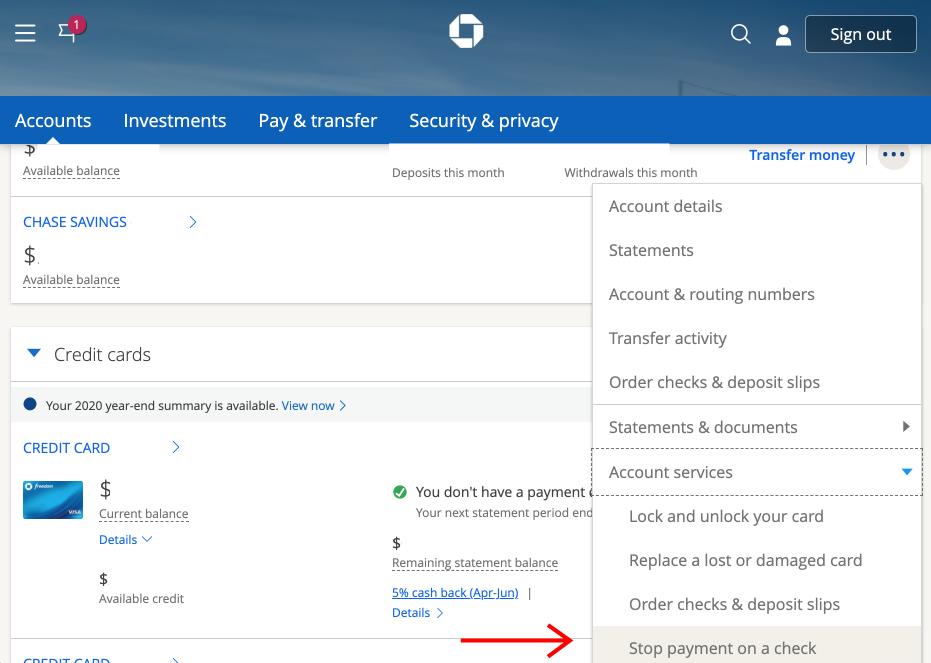
The most direct and effective way to cancel a Chase credit card is by calling their customer service line. Look for the customer service number on the back of your credit card or on your monthly statement. Alternatively, you can find it on the official Chase website under the “Contact Us” section. Be prepared for potentially longer wait times, especially during peak hours. When you connect with a representative, clearly state your intention to cancel your credit card. They will likely ask for your account information to verify your identity. Have your card number, Social Security Number, and other personal identification details readily available. While some financial institutions offer online cancellation options, Chase typically prefers a phone interaction to ensure all aspects are addressed and to offer alternatives.
What to Expect During the Call
When you inform the representative of your decision to cancel, be prepared for a retention effort. Chase, like other issuers, trains its representatives to try and retain customers, especially those with good payment histories or high spending. They might offer incentives such as a waiver of the annual fee for a year, a special low-interest rate, or an upgrade to a different card with better rewards. Listen politely to their offers, but stick to your decision if you’ve thoroughly considered your options and are firm in your intent to cancel. Be prepared to articulate your reasons for cancellation clearly and concisely. This helps the representative understand your needs and process your request more efficiently, even if they can’t change your mind.
Confirming the Cancellation
Once you’ve firmly stated your decision and declined any retention offers, the representative will proceed with the cancellation. It’s crucial to obtain clear confirmation that the card has been closed. Ask for a confirmation number or, even better, request that a written confirmation of the account closure be sent to you via mail or email. This documentation serves as proof that your request was processed and can be invaluable should any discrepancies arise later. Inquire about the effective date of the cancellation and whether any final statement will be issued to confirm a zero balance.
Handling a Card with a Balance
If, despite the recommendations, you proceed to cancel a card with an outstanding balance, the process will differ slightly. The representative will explain your options for paying off the remaining debt. In most cases, you will still be required to make regular payments until the balance is paid in full, often at the existing interest rate. Some issuers might offer a payment plan, but the obligation to pay remains. Be absolutely clear about the payment schedule, the final amount due, and any associated interest. Confirm how you will receive future statements for the outstanding balance. Remember, closing an account doesn’t erase the debt; it simply means you can no longer use that credit line.
Post-Cancellation Considerations: Tying Up Loose Ends
The cancellation process doesn’t end when you hang up the phone. There are a few crucial steps to take afterward to ensure a complete and secure closure of the account.
Monitoring Your Credit Report
Within a month or two of canceling your Chase credit card, it’s advisable to check your credit report with all three major credit bureaus (Equifax, Experian, and TransUnion). You can obtain free copies of your credit report annually from AnnualCreditReport.com. Verify that the Chase account is accurately reported as “closed by grantor” or “closed by consumer” with a zero balance. This step is vital for confirming the cancellation was processed correctly and that there are no lingering errors that could negatively impact your credit score. Any discrepancies should be disputed immediately with both Chase and the respective credit bureau.
Disposing of the Physical Card
Once the account is officially closed and you have confirmation, it’s imperative to securely dispose of the physical credit card. Simply throwing it away can expose you to fraud. Cut the card into multiple pieces, ensuring that the chip, magnetic stripe, and account numbers are thoroughly destroyed. This prevents anyone from retrieving your card information and attempting unauthorized transactions. While the account is closed, the physical card still contains sensitive data that should be protected.
Annual Fee Refunds (Prorated)
If your Chase credit card carried an annual fee, inquire about a potential prorated refund during your cancellation call. Some issuers offer a prorated refund if you cancel within a certain period after the annual fee is charged (e.g., 30 or 60 days). Policies vary, so it’s essential to confirm Chase’s specific policy. If eligible, ensure you understand when and how this refund will be processed and credited back to you. This can be an unexpected bonus, recouping some of the costs associated with the card.
Alternatives to Cancellation: Exploring Other Options
Before making the final decision to cancel, it’s worth considering if there are alternatives that might better suit your financial goals, especially if you value your credit history or the relationship with Chase.
Product Changes/Downgrades
Instead of outright cancellation, you might be eligible to product change or downgrade your existing Chase credit card to a different one. For example, if you have a premium travel card with a high annual fee that you no longer use for travel, you might be able to downgrade it to a no-annual-fee cashback card. This allows you to retain the account history (which benefits your credit score) while eliminating the undesirable annual fee or switching to a card that better fits your current spending habits. Contact Chase customer service to inquire about eligible product changes. They typically allow changes within the same card family (e.g., from one Ultimate Rewards card to another).
Temporary Card Freezing
If your reasons for not using the card are temporary (e.g., you’re trying to curb spending, or you’ve misplaced the card), Chase offers the option to “freeze” your card. This immediately prevents new purchases, balance transfers, and cash advances while keeping your account open and your credit history intact. You can usually freeze and unfreeze your card instantly through the Chase mobile app or online banking portal. This is an excellent solution for short-term control without the permanent impact of cancellation.
Understanding Card Benefits vs. Costs
Periodically reviewing the benefits and costs of your credit cards is a sound financial practice. If you’re considering canceling due to an annual fee, take a moment to tally up the actual value you’ve derived from the card’s perks – travel credits, lounge access, bonus rewards, purchase protection, extended warranties, etc. Sometimes, the soft benefits significantly outweigh the annual fee, even if you don’t use them every day. If the costs consistently outweigh the benefits, then cancellation (or a product change) is likely the right move. This analysis ensures your credit card portfolio aligns with your current financial strategy.
Ultimately, canceling a Chase credit card is a financial decision that requires careful thought and execution. By following this comprehensive guide, from the essential pre-cancellation checks to the vital post-closure actions, you can navigate the process with confidence, safeguarding your credit and ensuring a financially sound transition. Always prioritize your long-term financial health and make informed decisions that align with your broader financial objectives.
aViewFromTheCave is a participant in the Amazon Services LLC Associates Program, an affiliate advertising program designed to provide a means for sites to earn advertising fees by advertising and linking to Amazon.com. Amazon, the Amazon logo, AmazonSupply, and the AmazonSupply logo are trademarks of Amazon.com, Inc. or its affiliates. As an Amazon Associate we earn affiliate commissions from qualifying purchases.