
In the intricate world of personal finance, a routing number stands as a fundamental piece of information, often overlooked until it’s critically needed. Whether you’re setting up direct deposit for your paycheck, arranging an automatic bill payment, or initiating a wire transfer, your bank’s routing number is the unique identifier that ensures your money goes to and comes from the correct financial institution. Despite its vital role, many individuals aren’t entirely sure where to locate this nine-digit code.
This guide aims to demystify the process, providing clear, actionable steps to help you effortlessly find your routing number. We’ll delve into what a routing number is, why it’s so important, and explore the most reliable methods for locating it, along with key considerations to ensure your financial transactions proceed smoothly and securely. Mastering this small piece of financial literacy is a cornerstone of effective money management, enabling you to confidently navigate a wide array of banking activities.

Understanding Your Routing Number: What It Is and Why It Matters
Before diving into how to find your routing number, it’s crucial to grasp its purpose and significance. This seemingly simple nine-digit code is far more than just a random sequence; it’s a critical component of the financial system, facilitating the secure and accurate movement of funds.
The Anatomy of a Routing Number
A routing number, officially known as an ABA Routing Transit Number (ABA RTN), is a nine-digit code developed by the American Bankers Association (ABA) in 1910. Its primary function is to identify the financial institution responsible for clearing a check or processing an electronic transaction. Think of it as your bank’s specific address within the vast network of the U.S. financial system.
Each digit in the nine-digit sequence carries meaning, though you don’t typically need to know the breakdown. What’s important is that this number is unique to your bank and, in some cases, even to specific branches or types of transactions offered by your bank. Without it, electronic funds transfers would be chaotic, risking misdirected payments and delays.
Key Uses of Your Routing Number
The routing number is an unsung hero in many common financial transactions. Understanding where and when it’s used highlights its indispensable nature in your daily financial life:
- Direct Deposits: This is perhaps the most frequent use. To receive your paycheck, government benefits, or tax refunds directly into your bank account, your employer or the issuing agency requires both your routing number and your bank account number.
- Automatic Bill Payments: Many services, from utilities to mortgages, offer automatic payment options that debit your account directly. Your routing number, alongside your account number, links the merchant to your bank for these recurring transactions.
- Wire Transfers: When sending or receiving money via a wire transfer, the routing number ensures the funds are directed to the correct bank. It’s especially critical for international wires, which often involve specific wire routing numbers.
- ACH Transfers (Automated Clearing House): This network handles a massive volume of electronic transactions, including direct deposits, direct debits, and electronic checks. Your routing number is central to identifying your bank within the ACH system.
- Linking Financial Accounts: If you’re connecting a third-party app (like Venmo, PayPal, or a budgeting tool) to your bank account, you’ll typically need to provide your routing number to establish the link for transfers.
- Electronic Funds Transfers (EFTs): Broadly, any electronic movement of money from one bank account to another relies on routing numbers for proper identification.
In essence, your routing number acts as a universal identifier for your financial institution, enabling a wide array of convenient and secure digital transactions that are central to modern personal finance.
Primary Methods for Locating Your Routing Number
Finding your routing number is usually a straightforward process, thanks to several readily available sources. The most common and reliable methods leverage resources you likely already have at hand.
Check Your Checks: The Most Common Method
For those who still use physical checks, this is often the quickest and most iconic way to find your routing number.
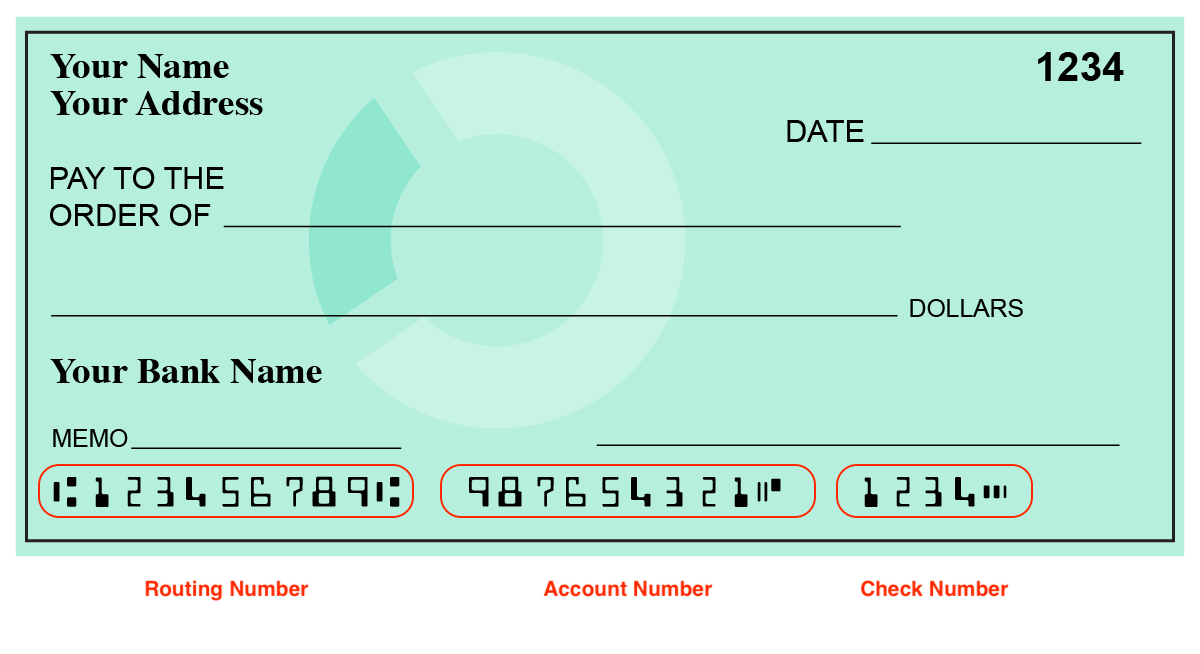
- Where to Look: On the bottom left-hand side of a physical check, you’ll typically find three sets of numbers separated by unique symbols. From left to right, these are generally:
- Routing Number (9 digits): This is your bank’s identification code.
- Account Number (variable digits): This identifies your specific account at that bank.
- Check Number (3-4 digits): This uniquely identifies that particular check.
- Visual Example: Imagine a check with a pattern like this: [ROUTING NUMBER] [ACCOUNT NUMBER] [CHECK NUMBER]. The routing number is almost always the first set of numbers on the far left.
- Caution: While checks are reliable for ACH and direct deposits, some banks use a different routing number specifically for wire transfers. If you’re sending or receiving a wire, it’s always best to verify the wire routing number through another method, such as online banking or by contacting your bank directly.
Dive Into Your Online Banking Portal
In our increasingly digital world, online banking is an incredibly convenient and accurate resource for finding your routing number.
- Log In: Access your bank’s official website or mobile app using your secure credentials.
- Where to Look: Once logged in, the exact location can vary slightly between banks, but common places include:
- Account Details: Click on your checking or savings account. Often, the routing number is displayed prominently alongside your account balance and account number.
- Statements: Access your electronic statements. The routing number is usually printed at the top or bottom of your statement, near your account information.
- “My Profile” or “Account Services” Sections: Some banks list it under personal information or account management.
- “Contact Us” or “FAQs”: Many banks include routing numbers in these sections for quick reference.
- Search Bar: If your bank’s online portal has a search function, simply type “routing number” to be directed to the relevant information.
- Accuracy: Online banking is one of the most reliable sources, as it provides the most up-to-date and specific routing numbers for your particular account and bank.
Consult Your Bank Statements
Whether you receive paper statements in the mail or access them electronically, your bank statement is another reliable source of your routing number.
- Paper Statements: Your routing number is typically printed near your account number and other bank details, usually at the top or bottom of the statement.
- Electronic Statements: If you access statements through your online banking portal, the same information will be present in a downloadable PDF format. This offers a convenient way to confirm the number without needing physical mail.
Utilize Your Bank’s Official Website or Contact Information
If you don’t have access to checks, online banking, or statements, your bank’s public website or direct customer service channels are your next best options.
- Bank’s Public Website:
- Visit your bank’s official homepage.
- Look for sections like “About Us,” “Contact Us,” “FAQs,” or a dedicated “Routing Number” page. Many banks list their routing numbers (often broken down by state or region) in a publicly accessible area. Use the website’s search bar if available.
- Customer Service:
- Call your bank’s customer service line. Be prepared to verify your identity (account number, personal details) before they provide you with your routing number. This is a secure method, though it may involve wait times.
- Visit a Branch:
- If convenient, visiting a local branch of your bank is a guaranteed way to get the correct routing number directly from a teller or bank representative. Bring a form of ID for verification.
Specific Scenarios and Important Considerations
While the basic methods cover most situations, there are a few nuances and specific scenarios to be aware of when dealing with routing numbers. Understanding these can prevent errors and ensure smooth financial operations.
Different Routing Numbers for Different Transactions
This is perhaps the most critical nuance: not all routing numbers are created equal. Some banks, especially larger institutions, use distinct routing numbers for different types of transactions.
- ACH/Direct Deposit Routing Number: This is the most common routing number you’ll find on checks and typically in your online banking account details. It’s used for everyday electronic transfers like paychecks, bill payments, and transfers between your own accounts.
- Wire Transfer Routing Number: Many banks have a separate routing number specifically for incoming wire transfers. This number is usually different from the ACH routing number found on your checks. Using the wrong number for a wire transfer can lead to delays, fees, or even the return of funds.
- How to Verify: Always confirm the correct routing number for the specific transaction type.
- For wire transfers, check your bank’s website for a dedicated “wire transfer instructions” page.
- Look for explicit labeling within your online banking portal (e.g., “ACH Routing Number” vs. “Wire Transfer Routing Number”).
- When in doubt, always call your bank’s customer service and state clearly that you need the routing number for a wire transfer (or direct deposit, etc.).
Finding Routing Numbers for Less Common Accounts
While most people focus on checking accounts, you might need a routing number for other account types.
- Savings Accounts: Often, your savings account shares the same routing number as your checking account, especially if they are linked at the same institution. However, always verify through online banking or by contacting your bank.
- Money Market Accounts: Similar to savings accounts, these typically use the main routing number of the issuing bank. Again, confirm through official channels.
- Credit Union Accounts: Credit unions also use routing numbers, which function identically to those of traditional banks. The methods for finding them remain the same.
What if I Don’t Have Checks or Online Banking?
For individuals who don’t maintain a checking account with physical checks or prefer not to use online banking, alternative solutions are available.
- Phone Customer Service: As mentioned, calling your bank’s customer service line is a reliable option. They can provide the correct routing number after verifying your identity.
- Visit a Bank Branch: An in-person visit to your bank branch allows you to speak directly with a representative who can provide the routing number.
- Bank’s Public Website: Even without online banking access, you can usually find general routing numbers for your bank on its public website, often in the FAQ or contact section. However, double-check if this is the correct number for your specific account or transaction type.
- ATM Receipts: While some ATM receipts might show a partial routing number, it’s generally not a reliable or complete source for all transaction types and should be used with caution, if at all.
Safeguarding Your Financial Information
While a routing number isn’t as sensitive as a full account number or Social Security number, it’s still part of your financial identity. Understanding how to protect it, alongside other banking details, is crucial for financial security.
Why Security Matters
A routing number by itself is generally considered public information; it identifies your bank, not your individual account. In fact, many banks list their general routing numbers openly on their websites. However, when combined with your bank account number, it becomes a powerful tool for initiating financial transactions. This combination is what fraudsters seek to gain unauthorized access to your funds.
Best Practices for Sharing and Storing
Practicing good digital hygiene and common sense can significantly reduce your risk of financial fraud.
- Share Only with Trusted Entities: Only provide your routing and account numbers to legitimate employers, reputable billers, or official financial institutions that require it for direct deposits or legitimate payments.
- Be Wary of Phishing Attempts: Never share your banking information, including routing numbers, in response to unsolicited emails, texts, or phone calls, especially if they claim to be from your bank and ask for verification of personal details. Always initiate contact with your bank through official channels if you suspect an issue.
- Shred Old Documents: Properly shred old checks, bank statements, and any documents containing your routing and account numbers before discarding them.
- Use Secure Online Portals: When inputting banking information online, ensure the website is secure (look for “https://” in the URL and a padlock symbol). Only use your bank’s official website or app.
- Monitor Your Accounts: Regularly check your bank statements and online transaction history for any unauthorized activity. Early detection is key to mitigating potential fraud.
What to Do if You Suspect Fraud
If you believe your routing and account numbers have been compromised, or if you notice suspicious activity:
- Contact Your Bank Immediately: Report the suspicious activity or potential compromise to your bank’s fraud department. They can help you secure your account, investigate the issue, and potentially recover lost funds.
- Change Passwords: Update passwords for your online banking and any linked financial accounts.
- Monitor Credit Reports: Keep an eye on your credit reports for any new accounts opened in your name without your consent.

Conclusion
The routing number, a seemingly simple nine-digit code, is an indispensable element in the architecture of modern financial transactions. From ensuring your paycheck lands safely in your account to facilitating seamless bill payments and crucial wire transfers, its role is fundamental. Knowing how to efficiently locate this essential identifier is a basic yet powerful aspect of personal financial literacy.
By utilizing readily available resources like your physical checks, online banking portal, bank statements, or directly contacting your financial institution, you can quickly and accurately find the routing number you need. Remember to always confirm the specific routing number required for different transaction types, particularly for wire transfers, to avoid delays or errors. Moreover, maintaining vigilance in safeguarding your financial information, including your routing number, is paramount in protecting your assets from potential fraud. With this comprehensive guide, you are now equipped to confidently navigate the process of finding your routing number, empowering you with greater control over your financial world.
aViewFromTheCave is a participant in the Amazon Services LLC Associates Program, an affiliate advertising program designed to provide a means for sites to earn advertising fees by advertising and linking to Amazon.com. Amazon, the Amazon logo, AmazonSupply, and the AmazonSupply logo are trademarks of Amazon.com, Inc. or its affiliates. As an Amazon Associate we earn affiliate commissions from qualifying purchases.