
In the increasingly digital landscape of personal finance, understanding the foundational elements of your banking relationship is paramount. Among these, your bank account number stands as a unique identifier, crucial for a myriad of financial transactions. Far more than just a sequence of digits, this number is the gateway to managing your funds, facilitating payments, and ensuring the smooth operation of your financial life. While often overshadowed by more frequently used debit card numbers or online login credentials, your Chase bank account number holds significant weight, and knowing how to locate it quickly and securely is an essential skill for any account holder.
This comprehensive guide will demystify the process of finding your Chase account number. We’ll explore why this number is so important, delve into various secure methods to retrieve it, and provide crucial insights into safeguarding this vital piece of your financial identity. Whether you’re setting up direct deposit, linking new financial tools, or simply needing to verify details, this article equips you with the knowledge to confidently access your Chase account number whenever the need arises.
Understanding Your Chase Account Number: The Basics
Before diving into the “how-to,” it’s essential to grasp what your bank account number truly represents and why it differs from other numbers associated with your banking. A clear understanding not only aids in locating it but also in appreciating its significance within the broader financial ecosystem.
What is an Account Number?
Your bank account number is a unique string of digits assigned to your specific checking or savings account. Think of it as your account’s individual fingerprint, distinct from every other account at Chase and across the banking world. It typically ranges from 10 to 12 digits for most U.S. banks, including Chase. This number, in conjunction with your bank’s routing number, precisely identifies your financial institution and your specific account within it.
It’s crucial not to confuse your account number with other frequently encountered numbers:
- Routing Number: This is a nine-digit code that identifies your financial institution (Chase Bank, in this case). It specifies which bank branch or data center your account belongs to, facilitating transfers between banks.
- Debit Card Number: The 16-digit number found on the front of your debit card is tied to your card, not directly to your account. While a debit card draws funds from your checking account, its number is used for purchases and ATM transactions, not for direct account-to-account transfers.
- Credit Card Number: Similarly, this 16-digit number is associated with your credit line and is used for credit purchases, entirely separate from your bank account number.
Understanding these distinctions is vital for both accuracy in transactions and for protecting your financial security.
Why Do You Need Your Account Number?
While you might go weeks or even months without needing your full account number, certain financial tasks make it indispensable. Here are some common scenarios where you’ll be prompted to provide it:
- Setting Up Direct Deposit: For receiving your salary, government benefits, or tax refunds directly into your account, your employer or payer will require both your account and routing numbers.
- Automated Bill Payments: When setting up recurring payments directly from your bank account (e.g., utilities, mortgage, loans), you’ll often need to provide these details.
- Linking External Accounts: If you use third-party financial apps or want to link your Chase account to another bank account for transfers, you’ll need to provide your account number.
- Wire Transfers: For sending or receiving large sums of money domestically or internationally, your account number is a key identifier.
- Tax Purposes: The IRS or other tax authorities might require your account number for tax refunds or payments.
- Dispute Resolution or Fraud Reporting: When contacting Chase about a transaction dispute or suspected fraud, providing your account number helps them quickly locate and address the specific issue.
- Applying for Loans or Credit: Some applications might ask for your bank account number to verify your financial standing or set up repayment.
Security Considerations
Given its importance, your bank account number is a sensitive piece of information. While it’s generally considered less risky to share than your Social Security number or debit card details, it still needs to be protected. With your account and routing numbers, a malicious actor could potentially initiate unauthorized debits (though typically more information, like your name and address, would also be needed and fraudulent debits are often reversible). Always exercise caution:
- Only provide your account number to trusted entities (e.g., your employer, known billers, reputable financial institutions).
- Avoid sharing it over unsecured channels, like public Wi-Fi or unencrypted emails.
- Be wary of unsolicited requests for your account number, especially from suspicious emails, texts, or phone calls claiming to be from your bank. Chase will never ask you for your full account number in an unsolicited communication.
Multiple Avenues to Locate Your Chase Account Number
Fortunately, Chase Bank provides several convenient and secure methods to find your account number, catering to both digital natives and those who prefer traditional banking methods.
Checking Your Physical Checks
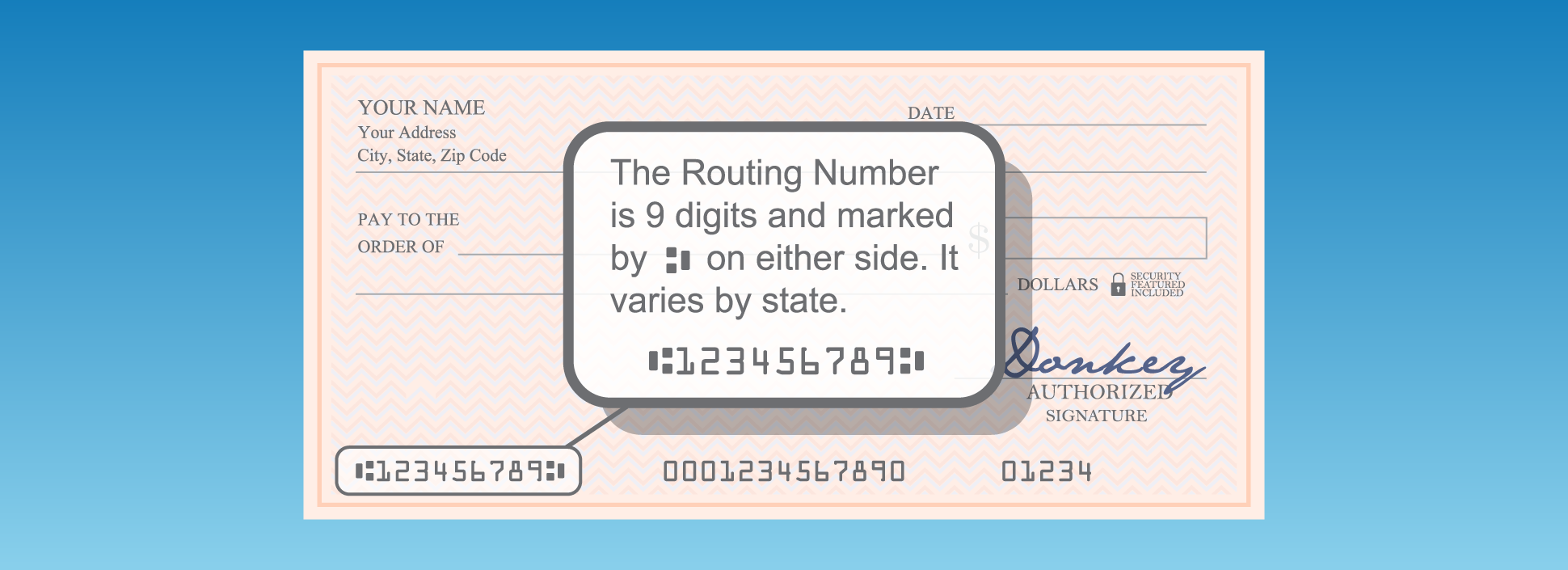
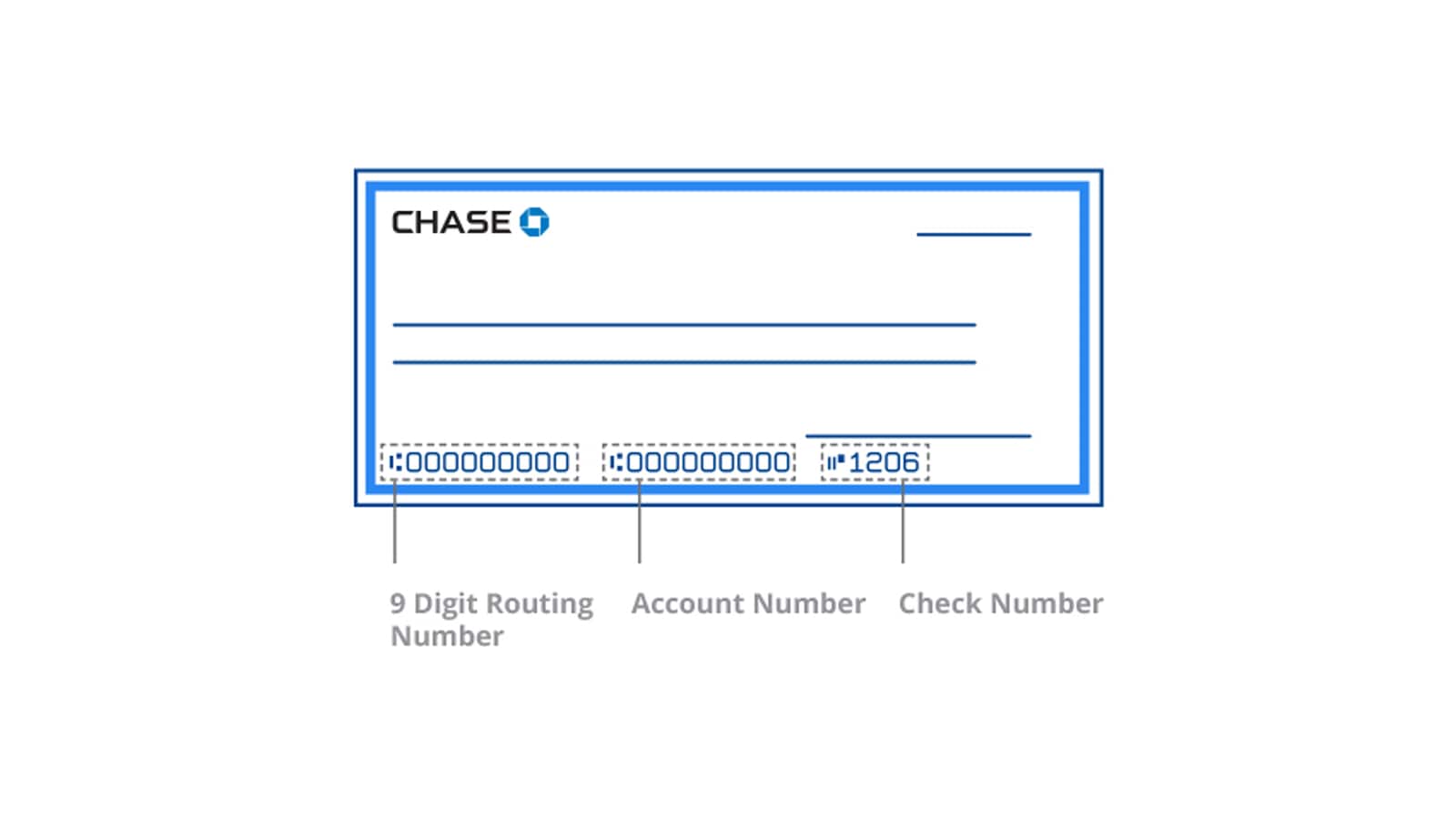
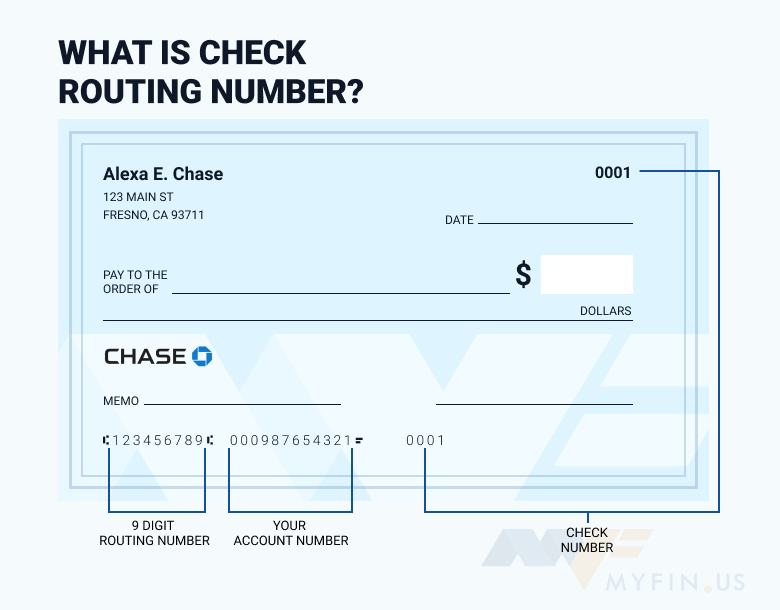
Perhaps the most classic way to find your account number is by looking at a physical check. For personal checks, the numbers printed along the bottom are arranged in a specific order:
- Routing Number: This is the first set of nine digits on the left.
- Account Number: This is the middle set of digits. Its length can vary but is typically 10 to 12 digits for Chase.
- Check Number: The last set of digits, which matches the printed number on the top right of the check.
So, if you have a physical check from your Chase account, simply pick one up and locate the middle sequence of numbers at the bottom. Ensure you’re looking at a personal check, not a deposit slip, as deposit slips might have different numbering conventions.
Utilizing Chase Online Banking
For most Chase customers, online banking is the fastest and most secure way to access account information.
- Log In: Go to the official Chase website (chase.com) and log in to your account using your User ID and Password. If you haven’t set up online banking, you’ll need to enroll first.
- Select Your Account: Once logged in, you’ll see a dashboard listing all your Chase accounts (checking, savings, credit cards, etc.). Click on the specific checking or savings account for which you need the number.
- View Account Details: Look for a section or link that says “Account Details,” “Show Details,” “More Details,” or something similar. This is usually located near the account summary.
- Locate Account Number: Within the account details page, you should see your full account number listed, often alongside your routing number. Chase typically masks some digits for security, requiring you to click a “Show full number” or “Unmask” option, which may prompt for further verification (e.g., a one-time passcode sent to your phone).
Using the Chase Mobile App
The Chase Mobile App offers a highly convenient way to manage your accounts on the go, including finding your account number.
- Open the App and Log In: Launch the Chase Mobile App on your smartphone or tablet and log in using your User ID and Password, or via biometric authentication (fingerprint, face ID) if enabled.
- Select Account: From the app’s home screen, tap on the checking or savings account you need.
- Access Account Details: Look for an icon or text like “Show Details,” “Manage Account,” or tap on the gear/settings icon related to that account. In many app versions, scrolling down on the account summary page will reveal an “Account Details” section.
- Reveal Account Number: Similar to online banking, your account number will be displayed, often partially masked. Tap to reveal the full number, which may require a security step like entering your passcode or confirming your identity.
Referring to Bank Statements
Your monthly or quarterly bank statements are a reliable source for your account information.
- Paper Statements: If you receive paper statements, your account number is typically printed prominently near the top of the statement, usually alongside your name, address, and routing number.
- E-Statements (Online Banking): You can access electronic statements through your online banking portal or mobile app.
- Log in to Chase online banking or the mobile app.
- Navigate to the “Statements & Documents” section.
- Select the desired account and month/year to view a recent statement.
- The e-statement will display your account number in the same location as a paper statement.
Contacting Chase Customer Service
If you’ve exhausted the digital and paper methods, or if you’re experiencing login issues, contacting Chase customer service is always an option.
- Call the Customer Service Line: Dial the general customer service number found on the back of your debit card, on the Chase website (chase.com/contact-us), or your bank statements.
- Prepare for Verification: For security purposes, the representative will ask you several questions to verify your identity. This will typically include your full name, address, date of birth, Social Security number, and potentially answers to security questions or recent transaction details.
- Request Account Number: Once your identity is confirmed, the representative can provide you with your account number. They may not be able to email or text it for security reasons, so be prepared to write it down.
Visiting a Chase Branch
For those who prefer face-to-face assistance or have complex issues, a visit to a local Chase branch is an option.
- Bring Identification: Make sure to bring a valid government-issued photo ID (driver’s license, passport, state ID) and possibly your debit card.
- Speak with a Teller or Banker: A Chase representative at the branch will be able to look up your account details and provide your account number after verifying your identity. This method offers the highest level of security and personal assistance.
Safeguarding Your Financial Information
Finding your Chase account number is just one part of effective financial management; protecting it is equally, if not more, important. In an age where digital threats are ever-present, proactive security measures are non-negotiable.
Best Practices for Account Security
- Strong, Unique Passwords: Use complex passwords for your online banking and mobile app. Combine uppercase and lowercase letters, numbers, and symbols. Never reuse passwords across different platforms.
- Multi-Factor Authentication (MFA): Always enable MFA (also known as two-factor authentication) for your Chase accounts. This adds an extra layer of security, typically requiring a code sent to your phone or email in addition to your password.
- Regularly Monitor Statements: Review your bank statements and online transaction history frequently. Promptly report any suspicious or unauthorized activity to Chase.
- Be Wary of Phishing Attempts: Be extremely cautious of emails, texts, or phone calls that request your account information, passwords, or personal details. Chase will not ask for sensitive information through these channels. Always verify the sender and, if in doubt, contact Chase directly using official contact information.
- Secure Your Devices: Keep your computer and mobile devices updated with the latest security software (antivirus, anti-malware). Use strong passcodes or biometrics to lock your devices.
- Public Wi-Fi Caution: Avoid accessing sensitive financial information while connected to unsecured public Wi-Fi networks, as they can be vulnerable to eavesdropping.
What to Do if Your Information is Compromised
Despite best efforts, data breaches and identity theft can occur. If you suspect your Chase account number or other personal information has been compromised:
- Contact Chase Immediately: Call Chase’s fraud department as soon as possible. They can guide you through the process of securing your accounts, monitoring for suspicious activity, and potentially issuing new account numbers or cards.
- Change Passwords: Update your online banking password and any other passwords that might be linked to your financial accounts.
- Place Fraud Alerts: Consider placing a fraud alert on your credit reports with the three major credit bureaus (Equifax, Experian, TransUnion).
- Monitor Your Credit: Regularly check your credit reports for any unfamiliar accounts or inquiries.
Distinguishing Between Sensitive Numbers
Reiterate the distinction between your account number and other sensitive data. While your account number is important, your Social Security Number (SSN) is the most critical piece of personal data. Never share your SSN unless absolutely necessary and with trusted entities. Similarly, treat your debit and credit card numbers with care, especially the security code (CVV) on the back, which should never be shared online unless with a reputable vendor during a secure transaction.
Common Questions and Troubleshooting
Even with clear instructions, questions can arise. Here are answers to some frequently asked questions about finding your Chase account number.
What if I don’t have checks?
Many people prefer paperless banking and don’t order physical checks. This is perfectly fine! As detailed above, your Chase account number is readily available through your online banking portal, the Chase Mobile App, and on your electronic bank statements. These digital methods are often the quickest and most convenient alternatives.
Is it safe to share my account number?
It’s safe to share your account number with trusted entities for legitimate purposes, such as setting up direct deposit with your employer, paying bills to established service providers, or initiating transfers with another financial institution you trust. However, always exercise discretion and verify the legitimacy of the request. Never share it in response to unsolicited emails, texts, or phone calls from unknown sources, as this could be a phishing attempt. Chase will generally only ask for the last few digits for verification purposes over the phone, not your full number unless you are performing a specific high-security transaction that requires it and you initiated the call.
Can I get my account number over the phone without verification?
No, for your security, Chase will never provide your full account number over the phone without first rigorously verifying your identity. This involves asking personal questions that only you should know, such as your date of birth, address, and answers to security questions, or by sending a verification code to a trusted device. This protocol protects your account from unauthorized access.
What if my online access is locked?
If you are locked out of your Chase online banking or mobile app, you won’t be able to retrieve your account number digitally. In this situation, your best course of action is to:
- Use the “Forgot User ID” or “Forgot Password” links: These are usually available on the login page and will guide you through steps to regain access, often involving identity verification.
- Contact Chase Customer Service: If the online recovery process doesn’t work, call Chase customer service. After verifying your identity, they can help unlock your account or provide your account number directly.
- Visit a Branch: As a last resort, a visit to a Chase branch will allow you to regain access or get your account number after in-person ID verification.
Conclusion
Your Chase bank account number is a critical piece of your financial identity, enabling a wide array of essential transactions and financial management tasks. While it might not be a number you use daily, knowing precisely how and where to find it securely is a fundamental aspect of responsible personal finance.
From the traditional method of checking a physical check to the modern convenience of the Chase online banking portal and mobile app, you have multiple reliable avenues to access this information. Coupled with these retrieval methods is the unwavering importance of safeguarding your financial data. By employing strong security practices and remaining vigilant against potential threats, you empower yourself with both access and protection, ensuring your financial journey with Chase remains secure and seamless. Empower yourself with this knowledge, and navigate your financial world with confidence.
aViewFromTheCave is a participant in the Amazon Services LLC Associates Program, an affiliate advertising program designed to provide a means for sites to earn advertising fees by advertising and linking to Amazon.com. Amazon, the Amazon logo, AmazonSupply, and the AmazonSupply logo are trademarks of Amazon.com, Inc. or its affiliates. As an Amazon Associate we earn affiliate commissions from qualifying purchases.