
Navigating the world of personal finance can be complex, but choosing the right credit card is a pivotal step towards building financial health and achieving your monetary goals. Among the myriad of options available, Chase credit cards consistently stand out, offering a diverse portfolio ranging from robust travel rewards to lucrative cash back programs and essential business financing solutions. However, the application process for a Chase card, while straightforward for many, involves critical steps and considerations that can significantly impact your approval odds and future financial trajectory. This comprehensive guide will walk you through everything you need to know, from understanding Chase’s offerings to successfully submitting your application and beyond, ensuring you approach this financial decision with confidence and strategic foresight.

Understanding Chase Credit Cards: A Strategic Choice
Chase Bank has cemented its position as a dominant force in the credit card industry, appealing to a broad spectrum of consumers and businesses. Their reputation stems from a combination of diverse product offerings, competitive rewards structures, and a generally strong customer experience. Before diving into the application, it’s crucial to understand why Chase might be the right choice for you and which of their many cards best aligns with your financial habits and aspirations.
Why Chase Stands Out in the Credit Card Landscape
Chase’s appeal lies in its extensive ecosystem of credit cards, often featuring premium benefits, flexible redemption options, and strategic partnerships. For instance, their Ultimate Rewards program is widely lauded for its versatility, allowing points to be transferred to various airline and hotel loyalty programs, often at a 1:1 ratio. This flexibility can unlock significant value, particularly for avid travelers. Beyond rewards, Chase cards often come with robust security features, purchase protection, extended warranty benefits, and travel insurance, providing a safety net that adds substantial value beyond the points themselves.
Popular Chase Credit Card Categories
Chase strategically segments its card portfolio to cater to distinct financial needs:
- Travel Cards: Cards like the Chase Sapphire Preferred® and Chase Sapphire Reserve® are cornerstones for travelers, offering elevated rewards on travel and dining, comprehensive travel insurance, and valuable sign-up bonuses. The Reserve, in particular, caters to premium travelers with airport lounge access and significant travel credits.
- Cash Back Cards: For those who prefer direct savings, cards such as the Chase Freedom Unlimited® and Chase Freedom Flex® provide excellent cash back rates on everyday spending categories. The Freedom Flex, with its rotating quarterly bonus categories, can be particularly rewarding for strategic spenders.
- Business Cards: Chase also offers a strong suite of business credit cards, including the Ink Business Preferred®, Ink Business Cash®, and Ink Business Unlimited®. These cards are tailored to small business owners, offering rewards on business-specific expenses like internet, cable, phone services, and advertising, alongside valuable benefits for managing business finances.
- Co-branded Cards: Through partnerships with brands like Southwest Airlines, United Airlines, Marriott Bonvoy, and Hyatt, Chase offers co-branded cards that provide industry-leading rewards and perks specific to those brands, ideal for loyal customers.
Aligning a Chase Card with Your Financial Goals
The initial step in any credit card application should always be self-assessment. Are you looking to earn travel rewards for your next vacation, maximize cash back on groceries, or manage business expenses more efficiently? Do you typically carry a balance (in which case a low APR card might be preferable) or pay off your statement in full each month (making rewards programs more appealing)? Understanding your spending habits, financial objectives, and current credit profile will guide you toward the Chase card that offers the most significant value and aligns perfectly with your financial journey.
Key Considerations Before You Apply
Applying for a credit card is a formal process that requires a certain level of preparedness. Before you hit “submit,” it’s vital to assess your eligibility, understand Chase’s specific rules, and gather all necessary documentation. This pre-application diligence can significantly enhance your chances of approval and prevent unnecessary inquiries on your credit report.
Assessing Your Creditworthiness: The Credit Score Imperative
Chase credit cards, especially their premium offerings, generally require good to excellent credit. This typically translates to a FICO score of 670 or higher, with the most sought-after cards often requiring scores in the 700s. Before applying, it’s wise to check your credit score and review your credit report for any inaccuracies. Services like Credit Karma, Experian, TransUnion, or Equifax allow you to access your scores and reports for free. A strong credit score demonstrates to lenders your reliability and responsible financial behavior.
Gathering Essential Information and Documentation
The application form will ask for personal and financial information. Having these details readily available will streamline the process:
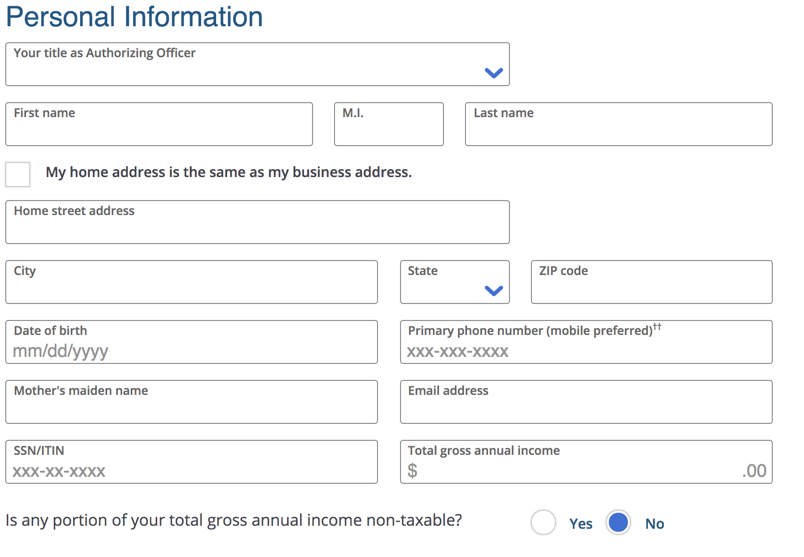
- Personal Information: Full name, date of birth, Social Security Number (SSN), citizenship status, and contact information (address, phone, email).
- Financial Information: Employment status, annual gross income (including all sources like salary, bonuses, investments, eligible government benefits), monthly housing payment, and bank account details.
- Business Information (for Business Cards): Business name, legal structure, industry, number of employees, annual business revenue, and Employer Identification Number (EIN) if applicable. Even sole proprietors without an EIN can often use their SSN.
Understanding Chase’s 5/24 Rule
One of the most critical rules for Chase applicants is the “5/24 rule.” This unofficial, yet widely enforced, policy dictates that Chase will generally deny you for most of their credit cards if you have opened five or more personal credit card accounts across any issuer in the past 24 months. Certain business cards, and co-branded cards, are sometimes exempt, but for the majority of their popular offerings, this rule is a firm barrier. It’s imperative to count your recently opened accounts before applying to avoid a hard inquiry and a likely denial.
Pre-qualification vs. Full Application
Some financial institutions offer a “pre-qualification” tool that allows you to see if you’re likely to be approved for a card without a hard inquiry on your credit report. While Chase may offer pre-qualified offers directly to existing customers, their public tools for new customers are less common. A pre-qualification is not a guarantee of approval but can provide insight into your chances. Always check if a pre-qualification involves a soft or hard credit pull.
The Step-by-Step Chase Application Process
Once you’ve done your homework and chosen the perfect Chase card, the application itself is relatively straightforward. Most individuals apply online, benefiting from the convenience and often immediate decision-making.
Navigating the Online Application Portal
The most common way to apply for a Chase credit card is directly through the Chase website. Navigate to the “Credit Cards” section and select the specific card you wish to apply for. Click the “Apply Now” button to begin the digital application. The process is typically user-friendly, guiding you through each section.
Completing the Application Form Accurately
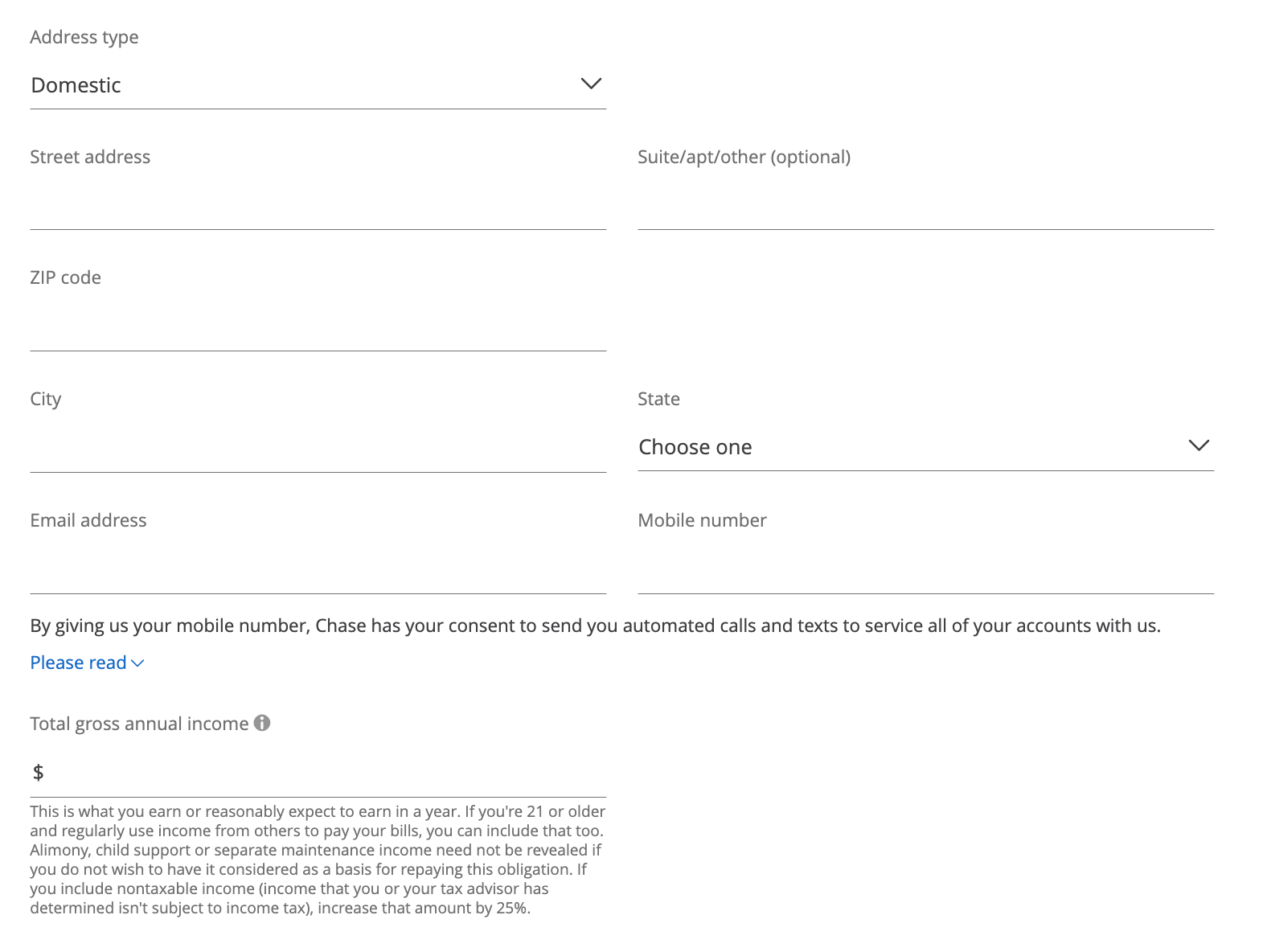
The online form will ask for all the personal and financial details you gathered previously. Be meticulous in entering this information. Even minor errors, such as typos in your address or SSN, can lead to delays or outright denial. Ensure your reported income is accurate and verifiable, as Chase may request documentation to confirm it. For business cards, accurately representing your business revenue and structure is equally vital.
Reviewing and Submitting Your Application
Before the final submission, you’ll be presented with a summary of your application. Take this opportunity to double-check all entered information, paying close attention to contact details, income figures, and the specific card product. Read the terms and conditions carefully, understanding the annual fee, APR, rewards program details, and other critical clauses. Once you’re confident everything is correct, click “Submit Application.”
Applying In-Branch: A Personal Touch
While less common now, you can also apply for a Chase credit card at a physical Chase branch. This can be beneficial if you prefer face-to-face assistance or have complex questions that a representative can answer. Branch representatives can often guide you through the application and may even have access to targeted offers not available online. However, the decision-making process for in-branch applications is often the same as online submissions.
What Happens After You Apply?
The period immediately following your application can be filled with anticipation. Understanding the possible outcomes and what steps to take next is crucial, especially if the decision isn’t instantaneous.
Monitoring Your Application Status
After submitting your application online, you will usually receive an immediate confirmation message. Sometimes, an instant approval or denial will be displayed. If a decision isn’t immediate, you can typically check the status of your application online via Chase’s application status tool, which usually requires your SSN and zip code. This tool will inform you if your application is pending, approved, or denied. It’s common for applications to go into “pending” status if Chase needs more time to review your information or verify details.
The Instant Approval vs. Further Review Scenarios
- Instant Approval: Congratulations! If approved instantly, you’ll typically receive an email confirmation with details about your credit limit and an estimated arrival date for your physical card. You can usually add the card to your digital wallet immediately for online or in-store purchases.
- Pending/Further Review: This is a common scenario. It means Chase needs additional time to verify your information, pull more credit reports, or assess your overall financial profile. They might request additional documents, such as income verification or proof of address. Be prepared to respond promptly to any such requests to avoid delays.
- Instant Denial: If you’re instantly denied, Chase will send you an adverse action notice within 7-10 business days explaining the reasons for the denial. It’s crucial to review this letter carefully, as it provides insights into areas you might need to improve for future applications.
Strategies for Reconsideration (If Denied)
A denial isn’t always the final word. Chase has a reconsideration line, which is a dedicated phone number (often found by searching “Chase reconsideration line”) you can call to speak with a credit analyst. If your application was denied, calling this line can be a powerful strategy. Be prepared to politely and concisely explain your financial situation, highlight reasons why you’d be a good customer, and address any specific reasons for denial cited by Chase. You might emphasize your strong payment history, stable income, or why this particular Chase card aligns with your spending habits. A successful reconsideration call can sometimes overturn an initial denial.
Preparing for Your New Card’s Arrival
If approved, your new Chase credit card typically arrives via mail within 7-10 business days. It will be sent to the mailing address provided in your application. Along with your card, you’ll receive important documents including your cardholder agreement, summary of benefits, and instructions for activation.
Maximizing Your Chase Card Benefits from Day One
Receiving your new Chase credit card is just the beginning. To truly leverage its potential, you must activate it, understand its features, and integrate it responsibly into your financial management strategy.
Activating Your New Card and Setting Up Online Access
The first step upon receiving your card is to activate it. This can usually be done online through the Chase website, via the Chase mobile app, or by calling the activation number provided on the card or in the accompanying literature. Once activated, immediately set up online account access. This allows you to monitor your balance, make payments, track rewards, and access digital statements. Consider enrolling in paperless statements and setting up autopay to ensure you never miss a payment.
Understanding Your Rewards Program and How to Earn
Each Chase credit card comes with a unique rewards structure. Familiarize yourself with how to earn points or cash back, paying close attention to bonus categories, spending caps, and any restrictions. For instance, some cards offer 3x points on dining, while others might give 5% cash back on rotating categories. Understanding these nuances allows you to optimize your spending and maximize your earnings. Also, learn about the redemption options – whether it’s transferring points to travel partners, redeeming for cash back, or using them through the Chase Ultimate Rewards portal.
Responsible Credit Card Management Practices
A credit card is a powerful financial tool, and responsible usage is paramount. Always strive to pay your statement balance in full and on time each month to avoid interest charges and late fees. This also helps maintain a healthy credit score. Keep your credit utilization ratio low (ideally below 30% of your total credit limit) and regularly review your statements for any unauthorized charges. Using your card responsibly not only saves you money but also builds a positive credit history, opening doors to better financial products in the future.
Leveraging Chase’s Financial Tools and Customer Support
Chase offers a suite of digital tools through its website and mobile app to help you manage your finances. These can include budgeting tools, spending trackers, and fraud alerts. Familiarize yourself with these features. Should you encounter any issues or have questions, Chase’s customer support, accessible via phone or secure message through your online account, is there to assist. Don’t hesitate to reach out for clarification on rewards, billing inquiries, or any other card-related concerns.
Applying for a Chase credit card is a deliberate decision that can significantly enhance your financial capabilities. By carefully considering your financial goals, understanding the eligibility requirements, meticulously completing the application, and committing to responsible card management, you can successfully acquire and leverage a Chase card to achieve your personal and financial aspirations.
aViewFromTheCave is a participant in the Amazon Services LLC Associates Program, an affiliate advertising program designed to provide a means for sites to earn advertising fees by advertising and linking to Amazon.com. Amazon, the Amazon logo, AmazonSupply, and the AmazonSupply logo are trademarks of Amazon.com, Inc. or its affiliates. As an Amazon Associate we earn affiliate commissions from qualifying purchases.