
Opening a savings account is a fundamental step toward building a secure financial future, and for many, Chase Bank stands out as a top contender due to its widespread presence, diverse offerings, and robust digital platforms. Whether you’re a seasoned saver looking for a new home for your funds or a first-timer eager to embark on your financial journey, understanding the process of opening a savings account with Chase is key. This comprehensive guide will walk you through everything you need to know, from selecting the right account to completing your application, ensuring you can confidently take control of your financial growth.

Navigating Chase Savings Account Options
Before diving into the application process, it’s crucial to understand the types of savings accounts Chase offers. While the core purpose of saving remains the same, different accounts come with varying features, benefits, and requirements designed to suit diverse financial goals and activity levels. Identifying the best fit for your specific needs is the first, most important step.
Chase Savings vs. Chase Premier Savings
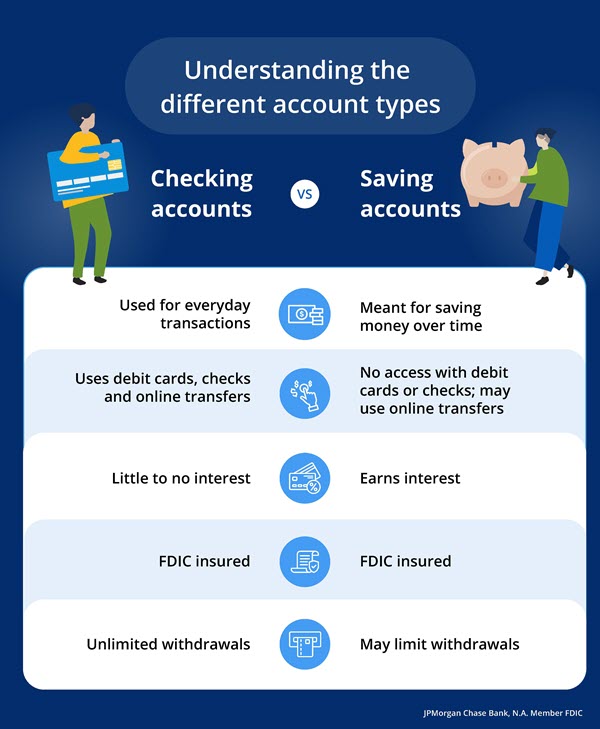
Chase primarily offers two main types of savings accounts: the standard Chase Savings account and the more premium Chase Premier Savings account. Each is designed with a particular user in mind, and understanding their distinctions will help you make an informed choice.
-
Chase Savings: This is Chase’s basic savings option, ideal for individuals who are just starting their savings journey or those who prefer a straightforward, no-frills account. It typically comes with a manageable minimum balance requirement or simple ways to waive monthly service fees, such as maintaining a certain daily balance, having linked checking accounts with qualifying direct deposits, or being under a certain age. While its interest rates may not be the highest on the market, it provides a reliable and accessible platform for everyday saving, offering the convenience of Chase’s extensive branch network and digital tools.
-
Chase Premier Savings: Designed for those with larger balances and more sophisticated financial needs, Chase Premier Savings offers tiered interest rates, meaning you could earn more as your balance grows. This account also typically comes with higher minimum balance requirements to waive monthly service fees, often linked to combined balances across eligible Chase accounts. The Premier account is often a good choice for individuals who have already accumulated significant savings and are looking for a slightly better return, or those who frequently utilize other Chase banking services and can easily meet the combined balance thresholds. It represents a step up in the saving experience, aligning with customers who have a broader relationship with Chase.
Key Features, Benefits, and Considerations
Beyond the basic account types, it’s vital to look at the broader picture of what a Chase savings account entails.
-
Accessibility and Convenience: Chase boasts one of the largest branch networks in the United States, alongside a highly-rated mobile app and online banking platform. This ensures that managing your savings, depositing funds, or withdrawing cash is convenient, whether you prefer in-person service or digital self-management. The ability to easily transfer funds between linked Chase accounts is a significant perk.
-
FDIC Insurance: All Chase savings accounts are insured by the Federal Deposit Insurance Corporation (FDIC) up to the maximum legal limit, currently $250,000 per depositor, per insured bank, for each account ownership category. This provides peace of mind, knowing your hard-earned money is protected.
-
Automatic Savings Tools: Chase’s online banking and mobile app offer features like automatic transfers from your checking account to your savings account. This is an invaluable tool for consistent saving, allowing you to “set it and forget it” and build your balance steadily over time without manual effort.
-
Interest Rates and Fees: While Chase’s interest rates for standard savings accounts are generally modest compared to some online-only banks, they are competitive within the traditional brick-and-mortar banking space. It’s crucial to always check the most current rates directly on Chase’s website. Furthermore, be mindful of potential monthly service fees. As mentioned, both Chase Savings and Premier Savings accounts have clear criteria for waiving these fees, often involving maintaining a minimum daily balance, setting up direct deposits into a linked checking account, or meeting age requirements. Understanding these criteria upfront can help you avoid unnecessary charges.
By carefully evaluating your financial situation, saving goals, and the specific features of Chase’s offerings, you can confidently choose the account that best aligns with your needs.
Eligibility Requirements and What You’ll Need
Once you’ve decided which Chase savings account is right for you, the next step involves gathering the necessary documentation and ensuring you meet Chase’s eligibility criteria. Being prepared can significantly streamline the application process, whether you apply online or in person.
Personal Information and Identification
Chase, like all financial institutions, is required by law to verify the identity of its customers. To open an account, you will typically need to provide:
- Government-Issued Photo ID: This could be a valid driver’s license, state-issued ID card, or passport. The ID must be current, not expired.
- Social Security Number (SSN) or Individual Taxpayer Identification Number (ITIN): This is essential for tax reporting purposes and identity verification.
- Proof of Address: This might be required if your current address is not on your ID, or if you apply online. A utility bill, lease agreement, or another official document showing your name and address can serve this purpose.
- Date of Birth: You must be at least 18 years old to open an individual savings account. For minors, a joint account with an adult custodian is usually an option.
- Contact Information: A valid phone number and email address are necessary for account communication and verification.
Minimum Opening Deposit
Both Chase Savings and Chase Premier Savings accounts require a minimum deposit to open. This amount can vary, so it’s always best to check the most current requirements on Chase’s official website or by speaking with a Chase representative. Typically, the standard Chase Savings account has a relatively low minimum opening deposit, making it accessible to most individuals. The Premier Savings account might have a slightly higher initial deposit requirement, aligning with its target audience of savers with larger balances. You can fund this initial deposit in several ways, including a transfer from an existing Chase account, a debit card transfer from another bank, or a deposit of cash or a check if applying in person.
Age and Residency Requirements
As noted, applicants must generally be at least 18 years old to open an individual savings account. For minors, special youth accounts or joint accounts with a parent or guardian are available. Furthermore, you must be a U.S. citizen or a resident alien with a valid U.S. address to open an account with Chase. Chase does not open accounts for individuals residing outside the United States. Meeting these fundamental requirements ensures a smooth application experience.
Step-by-Step Guide to Opening Your Account
With your chosen account type and necessary documents in hand, you’re ready to proceed with the application. Chase offers two primary methods for opening a savings account: online or in person at a branch. Both are straightforward, but understanding the nuances of each can help you choose the most convenient option.
Online Application Process
Opening a Chase savings account online is often the quickest and most convenient method for many people.
- Visit the Chase Website: Navigate to Chase.com and look for the “Accounts” or “Savings Accounts” section. Select the specific savings account you wish to open (e.g., Chase Savings or Chase Premier Savings).
- Review Account Details: Carefully read through the account features, fees, interest rates, and minimum balance requirements. Ensure you understand all terms and conditions.
- Click “Open Account”: This button will initiate the application.
- Provide Personal Information: You’ll be prompted to enter your personal details, including your full name, address, date of birth, Social Security Number, phone number, and email address. Have your government-issued ID ready, as you may need to enter information from it.
- Review and Consent: Go through your application to ensure all information is accurate. You’ll then need to agree to Chase’s terms and conditions, privacy policy, and electronic disclosure agreements.
- Fund Your Account: Choose how you’d like to make your initial deposit. Options typically include transferring funds from an existing Chase account, linking an external bank account, or using a debit card. Follow the prompts to complete the funding.
- Submit Application: Once all steps are completed, submit your application. In many cases, Chase can approve your application instantly. If further verification is needed, they will contact you. You may receive an email confirmation with your new account number and details shortly after approval.
In-Branch Application Walkthrough
For those who prefer a more personal touch or require assistance, opening an account at a Chase branch is an excellent option.
- Locate a Branch: Use the Chase website or mobile app to find the nearest Chase bank branch.
- Schedule an Appointment (Optional but Recommended): While walk-ins are welcome, scheduling an appointment can minimize wait times and ensure a banker is available to assist you.
- Gather Documents: Bring all necessary identification and information as outlined in the “Eligibility Requirements” section. It’s wise to bring more than one form of ID.
- Meet with a Banker: A Chase representative will guide you through the application process. They can answer any questions you have, explain account features in detail, and help you select the best account for your needs.
- Complete Paperwork: You’ll fill out and sign the necessary forms with the banker’s assistance.
- Make Initial Deposit: You can fund your account with cash, a check, or by transferring funds from another account. The banker will facilitate this process.
- Receive Account Information: Once the application is complete and approved, you’ll receive your new account number, debit card (if applicable), and information on how to access online banking.
What Happens After Application Submission
Regardless of how you apply, once your application is submitted, Chase will typically review it quickly. If approved, your account will be active, and you can begin using it to save. You’ll receive a welcome kit, either electronically or via mail, containing important information about your account, including how to access online banking, set up alerts, and manage your funds. If for any reason your application is denied, Chase is required to provide you with an explanation.
Maximizing Your Chase Savings Account
Opening the account is just the beginning. To truly harness the power of your Chase savings account, it’s important to utilize its features and integrate it seamlessly into your overall financial strategy.
Linking to a Chase Checking Account
One of the most significant advantages of banking with Chase is the ease of linking multiple accounts. If you already have a Chase checking account, linking your new savings account simplifies transfers, allows you to potentially waive monthly service fees on your savings account (if your checking account meets certain criteria), and provides a holistic view of your finances through the Chase app and online portal. This integration makes it effortless to move money between accounts, helping you manage day-to-day expenses while steadily growing your savings.
Setting Up Automatic Transfers
Consistency is key to effective saving. Chase’s online banking platform allows you to set up recurring automatic transfers from your checking account to your savings account. You can choose the amount, frequency (weekly, bi-weekly, monthly), and even the specific date of the transfer. This “pay yourself first” strategy ensures that a portion of your income is automatically allocated to your savings before you have a chance to spend it, making your savings goals much more attainable. This feature is particularly powerful for building an emergency fund, saving for a down payment, or reaching any specific financial target.
Leveraging Online Banking Tools
Chase’s digital tools are designed to empower you. Through the Chase mobile app and online banking, you can:
- Monitor Your Balance: Keep a close eye on your savings balance and track your progress towards your goals.
- View Transaction History: Review all deposits, withdrawals, and interest earned.
- Set Up Alerts: Receive notifications for low balances, large deposits, or withdrawals, helping you stay informed about your account activity.
- Deposit Checks: Use the mobile app to deposit checks simply by taking a photo, saving you a trip to the ATM or branch.
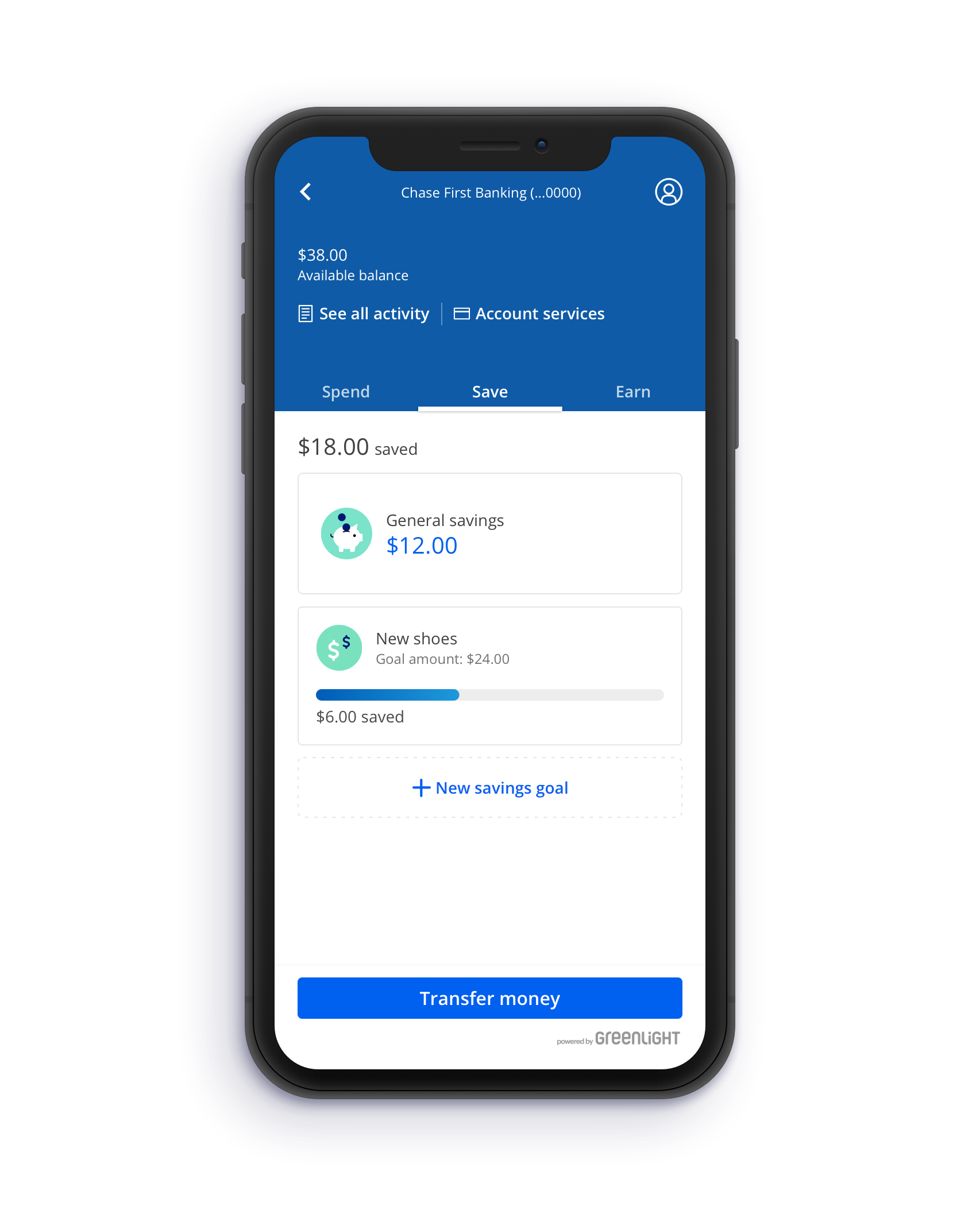
- Manage Goals: Some online platforms allow you to set specific savings goals and track your progress visually, adding an element of motivation to your saving efforts.
Understanding FDIC Insurance
While mentioned previously, it bears repeating: your Chase savings account is protected by FDIC insurance. This federal insurance agency protects your deposits up to $250,000 per depositor, per insured bank, for each account ownership category. This means that even in the unlikely event of a bank failure, your money up to that limit is safe. This assurance is a cornerstone of trust in the banking system and an important factor when choosing where to keep your savings.
Common Questions and Troubleshooting
Even with a detailed guide, questions can arise. Here are answers to some frequently asked questions and tips for troubleshooting common issues when dealing with your Chase savings account.
What if I don’t meet the minimum balance?
If your savings account falls below the required minimum daily balance to waive the monthly service fee, Chase will typically charge that fee. It’s crucial to understand these requirements and track your balance. If you find yourself consistently below the minimum, you might consider:
- Adjusting your automatic transfers: Increase the amount or frequency to build your balance faster.
- Consolidating funds: If you have small amounts spread across multiple accounts, consolidating them into your Chase savings might help meet the minimum.
- Re-evaluating your account choice: If meeting the minimum is a persistent challenge, you might consider if the current Chase savings product is the best fit for you, or if a different account with lower or no minimums might be more suitable.
- Leveraging linked accounts: Remember that meeting certain criteria with a linked Chase checking account (like direct deposits) can also waive savings account fees.
How to find a branch near me?
Chase’s website and mobile app both have a robust “ATM & Branch Locator” tool. Simply enter your zip code or current location, and it will display nearby branches with their addresses, hours of operation, and available services.
Contacting Chase Customer Service
If you encounter any issues, have specific questions about your account, or need personalized assistance, Chase offers several ways to contact customer service:
- Phone: Call the customer service number listed on their website or the back of your debit card. Be prepared to verify your identity.
- Secure Message: Log in to your Chase online banking account and send a secure message. This is often convenient for non-urgent inquiries.
- In-Branch: Visiting a local branch allows for face-to-face interaction and personalized support.
- Social Media: For general inquiries or quick information, Chase often has active customer service teams on platforms like X (formerly Twitter).
Opening a savings account with Chase is a straightforward process that can significantly benefit your financial health. By understanding your options, preparing your documents, and utilizing Chase’s robust banking tools, you can establish a strong foundation for future financial growth and security. Take the first step today and pave your way to achieving your savings goals.
aViewFromTheCave is a participant in the Amazon Services LLC Associates Program, an affiliate advertising program designed to provide a means for sites to earn advertising fees by advertising and linking to Amazon.com. Amazon, the Amazon logo, AmazonSupply, and the AmazonSupply logo are trademarks of Amazon.com, Inc. or its affiliates. As an Amazon Associate we earn affiliate commissions from qualifying purchases.