
Healthcare costs are a significant concern for many individuals and families, often presenting unexpected financial burdens. From routine check-ups and essential dental work to elective procedures and emergency veterinary care, the expenses can quickly accumulate. This is where specialized financing tools like the CareCredit card come into play, offering a dedicated solution for managing these diverse healthcare expenditures. Unlike traditional credit cards, CareCredit is designed specifically for health, wellness, and personal care needs, allowing cardholders to access a broad network of providers and often benefit from promotional financing options.
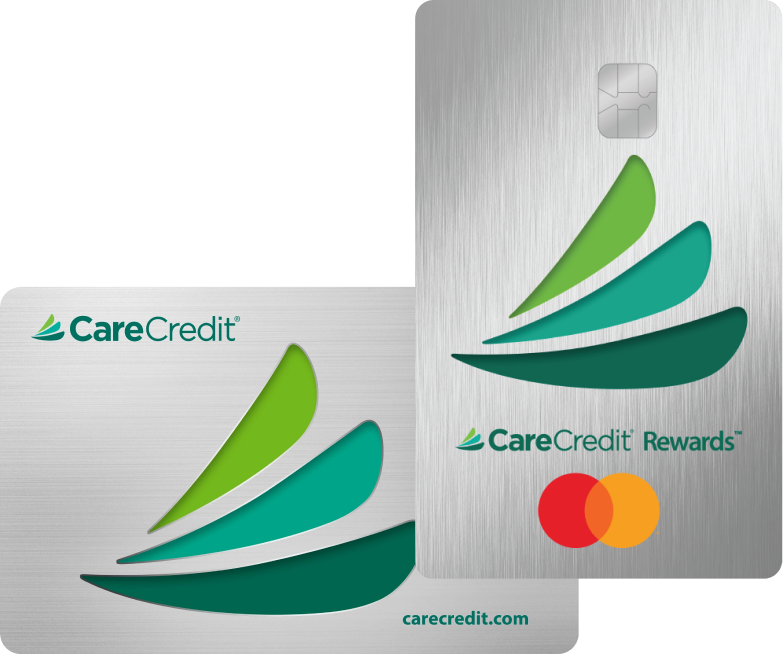
Understanding where and how you can utilize your CareCredit card is crucial for maximizing its benefits and effectively managing your healthcare budget. This guide will delve into the extensive range of services and providers that accept CareCredit, explore the financial mechanisms behind its use, and help you determine if it’s the right financial tool for your personal and family health needs.
Understanding CareCredit: More Than Just a Credit Card
At its core, CareCredit operates similarly to a conventional credit card, offering a line of credit that you can draw upon for approved expenses. However, its specialized nature sets it apart, positioning it as a unique financial instrument tailored exclusively for the healthcare sector. This distinction is vital for anyone considering or already holding a CareCredit card.
What is CareCredit?
CareCredit is a healthcare credit card issued by Synchrony Bank. Its primary purpose is to help consumers pay for health, wellness, and beauty care needs that may not be covered by insurance or might require out-of-pocket payments. When you apply and are approved for CareCredit, you receive a credit limit that can be used at participating providers across various medical and health-related fields.
The fundamental difference between CareCredit and a general-purpose credit card lies in its specific utility. While a Visa or Mastercard can be used for virtually any purchase, CareCredit is restricted to a network of healthcare providers. This specialization allows it to offer features unique to the medical financing landscape, most notably its promotional financing options. These often include short-term interest-free periods, which can be a significant advantage for managing larger medical bills without incurring immediate interest, provided the balance is paid in full within the specified timeframe.
Key Benefits of CareCredit
The allure of CareCredit stems from its ability to provide immediate access to necessary healthcare services, bridging the gap between what insurance covers and what you can afford out-of-pocket.
One of the most compelling advantages is its specialized financing for healthcare. Instead of draining savings or relying on high-interest personal loans, CareCredit provides a dedicated avenue for funding medical, dental, vision, and even veterinary care. This focus means that the terms and conditions are structured around the realities of healthcare costs, rather than general retail purchases.
Another major benefit is the availability of short-term promotional financing, often advertised as 0% APR for periods ranging from 6 to 24 months. For significant expenses, this can be incredibly helpful, allowing you to pay off a substantial bill in manageable monthly installments without added interest, as long as the full amount is paid before the promotional period expires. This feature is particularly beneficial for planned procedures or unexpected emergencies where immediate full payment is challenging.
Furthermore, CareCredit offers convenience and flexibility for unexpected medical costs. Health issues rarely arrive with a warning, and having a pre-approved line of credit specifically for such eventualities can alleviate a great deal of stress. It empowers individuals to make healthcare decisions based on need rather than immediate financial constraints, ensuring timely access to treatments that might otherwise be delayed or forgone.
A Comprehensive Guide to Where CareCredit is Accepted
The breadth of services and providers that accept CareCredit is one of its most valuable attributes. It extends far beyond basic medical doctor visits, encompassing a wide array of health and wellness sectors. This extensive network means that many of your family’s healthcare needs, from routine check-ups to specialized treatments, can potentially be covered by your CareCredit card.
Dental Care Providers
Dental health is a cornerstone of overall well-being, and dental services are among the most common uses for CareCredit. Many people find their dental insurance plans have limits, leaving significant out-of-pocket expenses. CareCredit can be used at a vast majority of dental practices for:
- Routine check-ups, cleanings, and X-rays: Basic preventive care.
- Orthodontics: Braces, clear aligners (like Invisalign), retainers for both children and adults.
- Cosmetic dentistry: Veneers, teeth whitening, bonding, gum contouring.
- Oral surgery: Wisdom teeth removal, dental implants, gum grafts, root canals, crowns, and bridges.
- Periodontal care: Treatment for gum disease.
Vision Care Services
Maintaining good eyesight is essential, and vision care expenses can range from routine prescriptions to complex surgeries. CareCredit is widely accepted at optometrists, ophthalmologists, and optical centers for:
- Eye exams, glasses, and contact lenses: Essential vision correction and eye health assessments.
- LASIK and other vision correction surgeries: Procedures to reduce or eliminate the need for glasses or contacts.
- Cataract surgery: Necessary procedures to restore vision impaired by cataracts.
- Treatment for eye conditions: Glaucoma, dry eye, and other medical eye care.
Veterinary Services
Our beloved pets are family members, and their healthcare can be just as, if not more, expensive than human healthcare. CareCredit is a popular choice for pet owners across the nation for a variety of animal care needs, including:
- Emergency pet care: Unexpected accidents or sudden illnesses.
- Routine check-ups, vaccinations, and preventive care: Annual exams, parasite control.
- Surgeries and specialized treatments: Procedures for injuries, chronic conditions, and advanced diagnostics.
- Prescription medications for pets: Veterinary-prescribed drugs.
- Dental care for pets: Cleanings and extractions.
Medical & Surgical Procedures
Beyond the more common uses, CareCredit’s acceptance extends to a significant range of medical and surgical specialties, often covering procedures that might be partially covered or entirely elective.
- Dermatology: Treatment for acne, eczema, psoriasis, skin cancer removal, mole removal, and other skin conditions.
- Elective cosmetic procedures: Plastic surgery (e.g., breast augmentation, rhinoplasty, facelifts, tummy tucks), injectables (Botox, fillers), laser treatments, and other aesthetic enhancements.
- Audiology: Hearing tests, hearing aids, and fitting services.
- Chiropractic care and physical therapy: Treatments for back pain, injuries, rehabilitation services.
- Podiatry: Foot and ankle care, including bunion surgery, ingrown toenail treatment, and custom orthotics.
- Weight loss programs: Medically supervised weight management programs (not typically for gym memberships or basic diet plans).

Other Health & Wellness Services
The versatility of CareCredit also reaches into a broader spectrum of wellness and personal care services, reflecting a holistic approach to health.
- Med spas: A variety of aesthetic treatments such as laser hair removal, chemical peels, microdermabrasion, and skin rejuvenation treatments.
- Sleep apnea treatments: Continuous positive airway pressure (CPAP) machines and related accessories.
- Fertility treatments: While often expensive and sometimes not fully covered by insurance, CareCredit can be an option for managing costs associated with IVF and other fertility services.
- Pharmacies: In some cases, participating pharmacies may accept CareCredit for specific health-related products or prescriptions not covered by insurance. It’s crucial to confirm this directly with the pharmacy.
It is always advisable to use the “Acceptance Locator” tool on the official CareCredit website or to directly ask your healthcare provider if they accept CareCredit before scheduling services. This ensures that you are fully aware of your payment options.
Maximizing Your CareCredit Experience: Financial Considerations
While CareCredit offers unparalleled access to healthcare financing, its effective use hinges on a clear understanding of its financial mechanisms, particularly its promotional financing options and standard interest rates. Responsible management is key to leveraging its benefits without incurring unnecessary costs.
Navigating Promotional Financing Periods
The most attractive feature of CareCredit for many users is its promotional financing offers, often advertised as 0% APR for a specific duration (e.g., 6, 12, 18, or 24 months). These offers can be incredibly beneficial for larger expenses, allowing you to spread out payments without interest. However, it’s critical to understand the fine print.
Many of these promotional periods operate under a deferred interest model. This means that if you fail to pay the entire promotional balance by the end of the specified term, interest will be retroactively applied to the original full purchase amount from the date of the transaction. This can result in a significant, unexpected charge, as the standard interest rate for CareCredit can be quite high.
To avoid deferred interest, create a clear payment plan from the outset. Divide the total promotional balance by the number of months in the promotional period to determine the minimum monthly payment required to pay it off in time. Always aim to pay more than the minimum required by CareCredit to ensure the balance is cleared well before the deadline. Setting up automatic payments can also help ensure you never miss a payment and stay on track.
Beyond Promotional Periods: Standard Interest Rates
Should you carry a balance beyond the promotional period or if your purchase does not qualify for promotional financing, your balance will accrue interest at CareCredit’s standard Annual Percentage Rate (APR). This rate is typically quite high, often in the range of 26.99% or higher, which is comparable to or sometimes higher than many general-purpose credit cards.
It is crucial to be aware of this high standard APR. Carrying a balance at this rate can quickly make even a modest medical bill much more expensive. Before using CareCredit, especially for expenses that won’t be fully paid off during a promotional period, consider alternative financing options like personal loans with lower interest rates, payment plans directly with your provider, or using a traditional credit card with a lower APR if available. CareCredit is best utilized when you have a solid plan to pay off the promotional balance in full before interest kicks in.
Finding Participating Providers
Locating healthcare providers that accept CareCredit is straightforward. The official CareCredit website features a comprehensive “Acceptance Locator” tool. By entering your zip code and the type of service you need (e.g., dentist, vet, dermatologist), you can find a list of participating providers in your area.
While the online tool is very helpful, it’s always a good practice to confirm acceptance directly with the provider’s office when you schedule your appointment or before receiving services. Provider networks can change, and direct confirmation ensures there are no surprises at the time of payment. Additionally, inquire about which CareCredit promotional offers they participate in, as these can vary.
Is CareCredit Right for You? Pros and Cons
Deciding whether to use your CareCredit card involves weighing its distinct advantages against potential drawbacks. Like any financial tool, it serves a specific purpose, and its suitability depends on your individual financial situation and healthcare needs.
Advantages of Using CareCredit
- Immediate Access to Necessary Care: Perhaps the most significant advantage is the ability to obtain immediate treatment for medical, dental, vision, or veterinary needs without having to wait until you save up the full amount. This is especially critical in emergency situations or for time-sensitive treatments.
- Budgeting Tool for Large Expenses: For expensive procedures, CareCredit provides a structured way to pay off a significant bill over time, making it more manageable than a lump-sum payment.
- Access to Interest-Free Financing (If Managed Correctly): The promotional 0% APR periods can be incredibly valuable, allowing you to receive care now and pay for it later without added interest, provided you adhere strictly to the payment terms.
- Broad Network of Providers: Its wide acceptance across numerous health and wellness categories makes it a versatile card for various family needs, from pet care to cosmetic procedures.
- Separate from General Credit: Keeping medical expenses on a dedicated healthcare credit card can help keep your general-purpose credit lines open for other purchases, potentially offering better financial organization.
Potential Drawbacks and Alternatives
- High Deferred Interest Rates If Not Paid Off: This is the primary risk. Failing to pay the full promotional balance by the deadline can lead to substantial retroactive interest charges, turning an interest-free loan into a very expensive one.
- Impact on Credit Score: Applying for CareCredit involves a hard inquiry on your credit report, which can temporarily lower your score. Additionally, high utilization of your credit limit or missed payments can negatively affect your credit score, just like with any other credit card.
- High Standard APR: If you carry a balance beyond the promotional period, or for purchases that don’t qualify for 0% APR, the standard interest rate is typically very high, making it costly to maintain a balance.
- Limited Use: It can only be used at participating healthcare providers, lacking the universal acceptance of traditional credit cards.
Alternatives to Consider:
- Health Savings Accounts (HSAs) and Flexible Spending Accounts (FSAs): These tax-advantaged accounts allow you to save money specifically for healthcare expenses, often through payroll deductions, providing a pre-funded option.
- Personal Loans: For large, planned expenses, a personal loan from a bank or credit union might offer a lower, fixed interest rate and predictable monthly payments, without the deferred interest risk.
- Payment Plans Directly with Providers: Many healthcare providers offer their own in-house payment plans, allowing you to pay over several months without interest. Always inquire about this option.
- Traditional Credit Cards: If you have a credit card with a very low interest rate or a 0% APR introductory offer (without deferred interest clauses), it might be a more cost-effective option for certain medical expenses.
- Savings: Building an emergency fund specifically for healthcare costs is always the most financially sound long-term strategy.
Conclusion
The CareCredit card stands as a powerful and widely accepted financial tool for managing a broad spectrum of health, wellness, and personal care expenses. Its reach extends from routine dental check-ups and vision correction to critical veterinary care and elective medical procedures, offering a unique solution for costs often not fully covered by insurance. For those facing significant medical bills, the prospect of promotional 0% APR financing can provide invaluable flexibility, making necessary treatments more accessible and manageable.
However, to truly leverage its benefits, a thorough understanding of its terms is paramount. The deferred interest clause, in particular, demands careful attention and disciplined payment strategies to avoid high retroactive interest charges. By diligently planning your payments and ensuring balances are cleared within promotional periods, CareCredit can serve as an exceptionally effective bridge to quality healthcare.
Ultimately, the decision to use your CareCredit card should be an informed one, balancing immediate access to care with responsible financial planning. By understanding where it’s accepted, how its financing works, and by considering your alternatives, you can make the best choice for your personal financial health and ensure your well-being, and that of your loved ones and pets, remains a priority.
aViewFromTheCave is a participant in the Amazon Services LLC Associates Program, an affiliate advertising program designed to provide a means for sites to earn advertising fees by advertising and linking to Amazon.com. Amazon, the Amazon logo, AmazonSupply, and the AmazonSupply logo are trademarks of Amazon.com, Inc. or its affiliates. As an Amazon Associate we earn affiliate commissions from qualifying purchases.