
Applying for a credit card is a significant financial decision that can open doors to new purchasing power, build your credit history, and offer valuable rewards. Among the myriad of credit card issuers, Discover stands out for its unique blend of competitive cashback programs, robust customer service, and a commitment to helping consumers manage their finances responsibly. For those considering stepping into the world of credit or expanding their existing financial toolkit, understanding how to apply for a Discover credit card is a crucial first step. This guide will walk you through the process, from understanding what Discover offers to the intricacies of the application itself, all within the overarching framework of sound personal finance.
Understanding Discover Credit Cards: A Smart Financial Tool
Before you even consider filling out an application, it’s essential to understand what makes Discover a compelling choice in the credit card market and how its products align with your personal financial goals. Discover has carved out a niche by offering transparent terms, consumer-friendly features, and a variety of card options tailored to different financial needs.
What Makes Discover Cards Unique?
Discover distinguishes itself with several key features that often resonate with a broad spectrum of cardholders, from those new to credit to seasoned financial managers.
- Exceptional Cashback Programs: Many Discover cards, most notably the Discover it® Cash Back, offer rotating 5% cashback categories (on up to a quarterly maximum, then 1%) and unlimited 1% cashback on all other purchases. What truly sets them apart is their “Cashback Match” for new cardmembers, where Discover automatically matches all the cashback you’ve earned at the end of your first year. This effectively doubles your first year’s rewards without extra effort.
- No Annual Fees: A significant portion of Discover’s card portfolio comes with no annual fee, making them an attractive option for those who want to avoid recurring costs while still enjoying rewards and credit-building opportunities. This aligns with a smart personal finance strategy of minimizing expenses.
- Renowned Customer Service: Discover consistently ranks highly for customer satisfaction. Their U.S.-based customer service is known for being responsive and helpful, providing peace of mind, especially when dealing with financial inquiries or potential issues.
- Free FICO® Score Access: Discover empowers its cardholders by providing free access to their FICO® Score on their monthly statements and online. This is an invaluable tool for monitoring your credit health and understanding how your financial actions impact your score.
- Fraud Protection: With features like Freeze it® to instantly freeze your account if your card is lost or stolen, and 24/7 monitoring, Discover provides robust security measures to protect your finances.
Types of Discover Cards
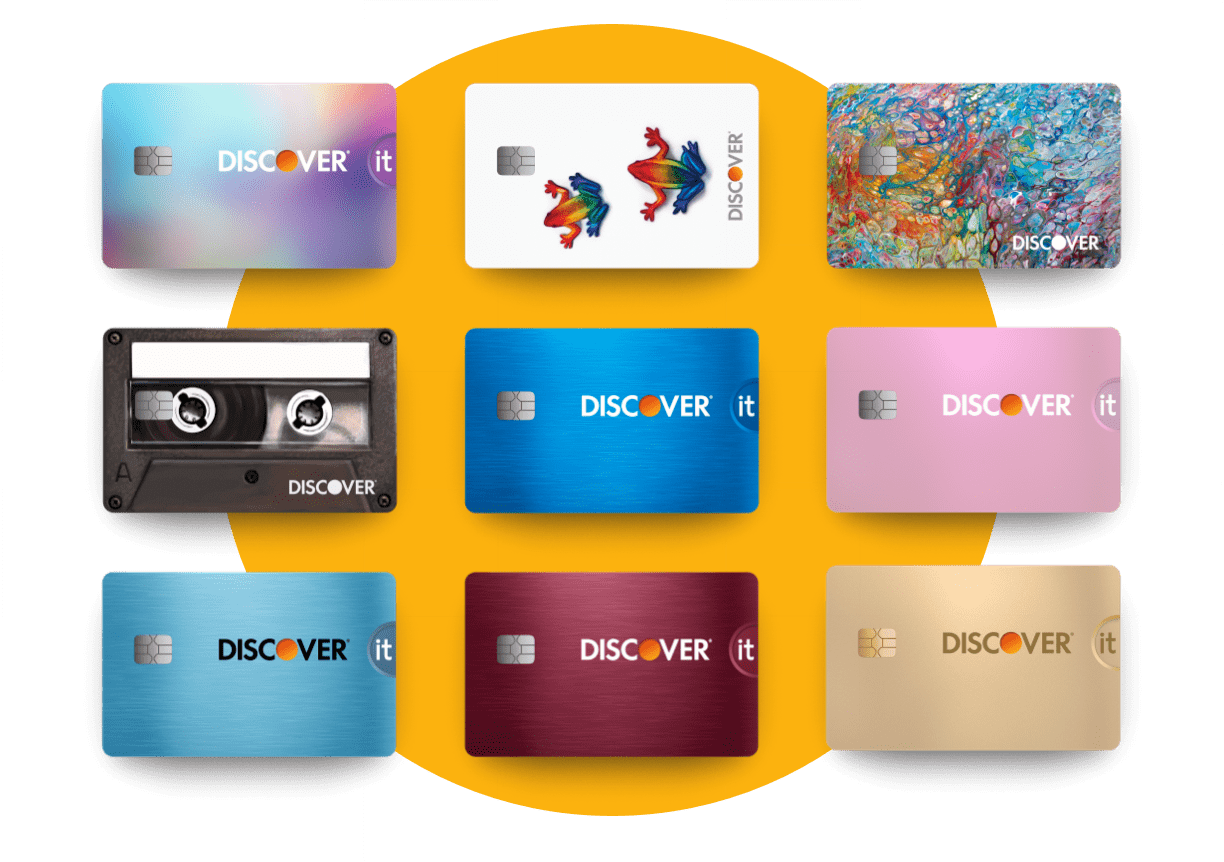
Discover offers a diverse range of credit cards designed to cater to various financial situations and goals. Understanding these options is key to choosing the card that best fits your needs.
- Discover it® Cash Back: This is their flagship product, known for the rotating 5% cashback categories and unlimited 1% on everything else, plus the first-year Cashback Match. It’s ideal for those who want to maximize rewards on everyday spending.
- Discover it® Student Cash Back: Specifically designed for college students, this card helps young adults build credit while earning rewards. It shares many features with the regular Discover it® Cash Back but often has more forgiving approval requirements for those with limited credit history.
- Discover it® Secured Credit Card: For individuals with no credit history or poor credit, the secured card is a crucial stepping stone. It requires a security deposit, which typically becomes your credit limit. This card helps rebuild credit responsibly, with the potential to graduate to an unsecured card over time. It also offers cashback rewards, a rare feature for secured cards.
- Discover it® Miles: This card offers unlimited 1.5x miles on every dollar spent on all purchases. Miles can be redeemed for travel credit, cash, or gift cards. It’s a solid choice for those who prefer simple, flat-rate travel rewards without complex redemption schemes.
- Discover it® Chrome: This card provides 2% cashback at gas stations and restaurants (on up to a quarterly maximum, then 1%) and 1% on all other purchases. It’s a good option for those whose spending habits align with these categories but prefer a simpler rewards structure than the rotating categories.
Choosing the right card involves evaluating your spending habits, credit history, and what kind of rewards or financial benefits you prioritize.
Preparing for Your Discover Card Application
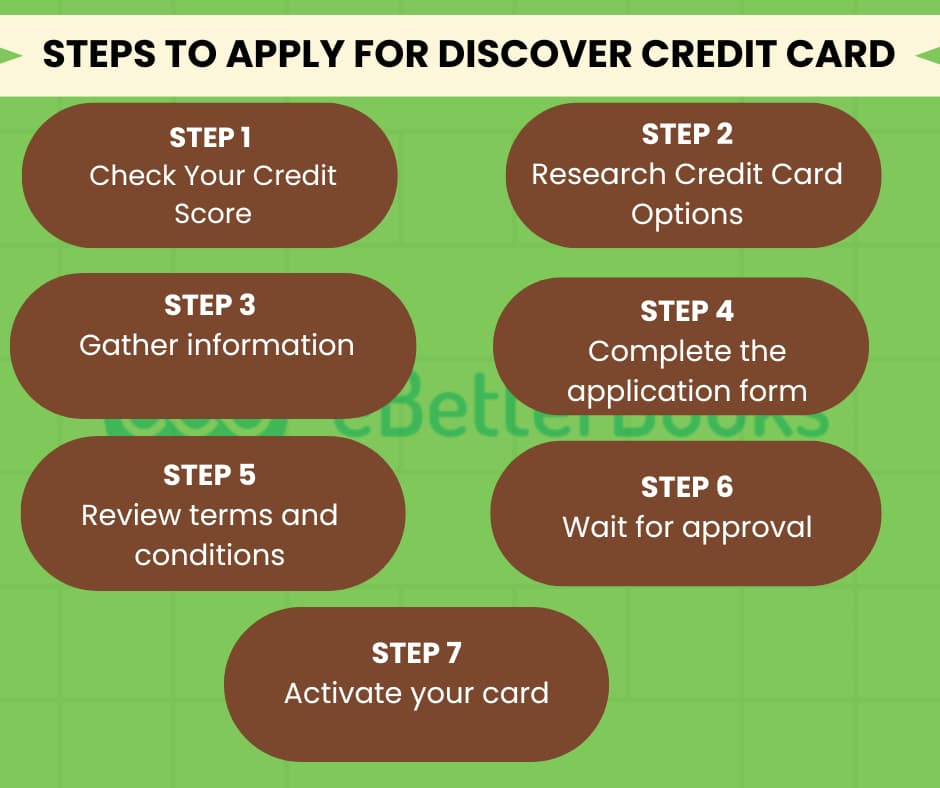
Applying for any credit card, including a Discover card, requires some preparation. This stage is crucial for increasing your chances of approval and ensuring you’re making an informed financial decision. It involves understanding the criteria for approval and gathering all necessary information.
Essential Eligibility Criteria
Credit card issuers like Discover evaluate several factors when you apply, primarily to assess your creditworthiness and ability to repay debt.
- Age: You must be at least 18 years old to apply for a credit card in the United States.
- Residency: You typically need to be a U.S. citizen or a permanent resident with a valid Social Security Number (SSN) or Individual Taxpayer Identification Number (ITIN).
- Income: Discover will assess your income to ensure you have the means to make payments. This includes not just your salary but also other verifiable sources of income (e.g., investment income, retirement benefits, social security, legitimate allowances, or income from a shared household that you have reasonable access to).
- Credit Score and History: This is perhaps the most critical factor. For Discover’s unsecured cards (like Discover it® Cash Back or Miles), a “good” to “excellent” credit score (typically FICO scores above 670) is generally required. Student cards may be more lenient, and secured cards are specifically designed for those with limited or poor credit. Your credit history, including the length of your credit accounts, payment history, and credit utilization, all play a role.
Gathering Necessary Information
To streamline the application process, have the following information readily available before you start:
- Personal Information: Full legal name, date of birth, Social Security Number (SSN) or Individual Taxpayer Identification Number (ITIN).
- Contact Information: Current street address (physical address, not a P.O. Box), phone number, and email address.
- Financial Information: Your total gross annual income (before taxes), employment status (employed, self-employed, retired, student, etc.), and monthly housing payment (rent or mortgage).
- Bank Account Information (Optional): While not always required for the application itself, having your bank account details can be useful for setting up automatic payments later.
Checking Your Credit Score: A Prudent First Step
Before applying, especially for an unsecured card, it’s highly advisable to check your credit score. This provides a realistic expectation of your approval chances and allows you to address any inaccuracies or issues on your credit report.
- Why it Matters: A higher credit score signals lower risk to lenders, increasing your likelihood of approval for better interest rates and higher credit limits. Knowing your score helps you determine if you’re ready for an unsecured card or if a secured card might be a more suitable starting point.
- How to Check: You can obtain your FICO Score for free from various sources, including Discover’s Credit Scorecard (even if you’re not a cardholder), other credit card companies, or financial institutions. You are also entitled to a free copy of your credit report from each of the three major credit bureaus (Equifax, Experian, TransUnion) annually via AnnualCreditReport.com. Reviewing your credit report helps identify any errors that could negatively impact your score.
The Step-by-Step Discover Application Process
Once you’ve done your homework and gathered all the necessary information, the actual application process for a Discover credit card is typically straightforward and can be completed online in a matter of minutes.
Navigating the Online Application Portal
Discover strongly encourages online applications, as they are generally faster and more efficient.
- Visit Discover’s Official Website: Start by going directly to Discover.com. Navigate to the “Credit Cards” section to view their full range of products.
- Select Your Desired Card: Click on the card you’ve decided is the best fit for your financial situation. You’ll find detailed information about its features, rewards, interest rates, and fees.
- Initiate Application: Look for a prominent “Apply Now” or similar button on the card’s product page. This will take you to the secure online application form.
Filling Out the Application Form Accurately
The online application form will ask for the information you’ve already gathered. Accuracy is paramount to avoid delays or potential denial.
- Personal Details: Enter your full legal name, date of birth, and Social Security Number (or ITIN) exactly as they appear on official documents.
- Contact Information: Provide your current residential address, phone number, and email address. Ensure they are up-to-date.
- Financial and Employment Information: This section is critical.
- Employment Status: Select from options like employed, self-employed, student, retired, unemployed, etc.
- Employer Name and Occupation (if applicable): Provide details if you are employed.
- Total Gross Annual Income: Be honest and accurate. This is your income before taxes and deductions. Include all verifiable sources.
- Monthly Housing Payment: Enter your current monthly rent or mortgage payment.
- Review Your Information: Before proceeding, meticulously review every field for any typos or errors. Even a small mistake can lead to your application being denied or delayed.
Understanding the Terms and Conditions
Before submitting, you’ll be presented with the credit card’s specific terms and conditions. While it can be tempting to quickly scroll through, it’s financially prudent to read and understand them.
- Annual Percentage Rate (APR): This is the interest rate you’ll be charged on balances you carry over from month to month. Understand the purchase APR, balance transfer APR, and cash advance APR. Note any introductory APR offers.
- Fees: Check for any potential fees, such as late payment fees, returned payment fees, or cash advance fees. While many Discover cards have no annual fee, other fees can apply.
- Rewards Programs: Familiarize yourself with how your chosen card’s rewards program works – how you earn points/cashback and how you can redeem them.
- Cardholder Agreement: This legally binding document outlines your rights and responsibilities as a cardholder.
Submitting Your Application and Awaiting a Decision
After reviewing all the information and agreeing to the terms, you’ll submit your application.
- Instant Decision: Many applicants receive an instant decision, especially if their credit profile is strong and straightforward. You might be approved immediately, denied, or receive a message that your application is under further review.
- Pending Review: If your application goes into “pending review,” it means Discover needs more time to verify information or conduct a more in-depth assessment. This doesn’t necessarily mean denial; you might receive a decision within a few business days, often via email or postal mail. Discover might also request additional documentation.
What Happens After You Apply?
The application doesn’t end with hitting the submit button. Understanding the possible outcomes and your next steps is crucial for a smooth onboarding and responsible card management.
Instant Approval, Pending Review, or Denial
Each outcome carries its own implications:
- Instant Approval: Congratulations! You’ll typically receive information about your credit limit and an estimated arrival date for your physical card. You can often start using a virtual card number for online purchases almost immediately.
- Pending Review: As mentioned, this means a human reviewer will assess your application. Be prepared for potential requests for additional information (e.g., income verification documents). You can usually check the status of your application online using your Social Security Number.
- Denial: If your application is denied, Discover is legally required to send you an Adverse Action Notice explaining the specific reasons for the denial. This notice is invaluable. It helps you understand what aspects of your credit profile or financial situation led to the decision, allowing you to address them for future applications. Common reasons include insufficient income, too many recent credit applications, high existing debt, or a low credit score.
Understanding Your Credit Card Agreement
Upon approval, you’ll receive a detailed cardholder agreement along with your card.
- Activation: Once your physical card arrives, you’ll need to activate it, usually through Discover’s website or by phone. This is a critical security step.
- Setting Up Online Account: Immediately set up your online account with Discover. This allows you to monitor your balance, track rewards, make payments, and access important features like your free FICO score.
- Reviewing the Agreement: Even though you reviewed the terms during the application, take the time to read the full cardholder agreement. It contains all the legal details of your relationship with Discover.
Responsible Credit Card Use
A credit card is a powerful financial tool, but its benefits are maximized only through responsible use.
- Payment Strategies:
- Pay in Full: The golden rule of credit card use is to pay your statement balance in full every month by the due date. This avoids interest charges altogether, making your credit card a free rewards-earning and credit-building tool.
- On-Time Payments: If paying in full isn’t always possible, at least make the minimum payment on time. Late payments can incur fees and severely damage your credit score. Consider setting up automatic payments.
- Avoiding Debt: Use your credit card for purchases you can genuinely afford to pay off. Avoid treating your credit limit as an extension of your income. High credit card debt can quickly lead to accumulating interest and a stressful financial burden.
- Building Credit: Consistent, responsible use—paying on time and keeping your credit utilization low (ideally below 30% of your credit limit)—is the most effective way to build a strong credit score, which is vital for future financial endeavors like loans or mortgages.
Maximizing Your Discover Credit Card Benefits
Being approved for a Discover card is just the beginning. To truly leverage this financial tool, you need to understand how to maximize its benefits and integrate it into your broader financial strategy.
Leveraging Cashback and Rewards Programs
Discover’s reward programs are a major draw, and understanding how to use them effectively can lead to significant savings.
- Strategic Spending: For cards like the Discover it® Cash Back, pay attention to the quarterly 5% cashback categories. Plan your spending to align with these categories (e.g., using your card at grocery stores when they are a 5% category). Activate these categories each quarter to ensure you earn the higher rate.
- Redemption Options: Discover offers flexible redemption options. You can redeem your cashback for a statement credit, direct deposit into your bank account, or gift cards (often with added value). For miles cards, redemption for travel credits or cash is straightforward. Choose the option that best serves your current financial needs.
- Cashback Match: Remember that first-year Cashback Match. This makes the initial year particularly rewarding, so make sure to take full advantage of earning as much cashback as possible.
Utilizing Discover’s Customer Service and Tools
Beyond rewards, Discover provides several tools and services that can enhance your financial management.
- Mobile App: Download the Discover mobile app. It provides convenient access to your account, allows you to monitor transactions, make payments, activate cashback categories, and even use features like Freeze it® to lock and unlock your card.
- Free FICO® Score: Regularly check your free FICO® Score provided by Discover. Use this to track your credit-building progress and understand the factors influencing your score.
- 24/7 U.S.-Based Customer Service: Don’t hesitate to reach out to Discover’s customer service with any questions or issues. Their highly-rated support is a valuable resource for cardholders.
- Fraud Protection: Actively use features like Freeze it® if you misplace your card. Be vigilant about reviewing your statements for suspicious activity, and report any unauthorized transactions immediately. Discover’s zero fraud liability policy protects you from unauthorized purchases.
Tips for Building and Maintaining a Healthy Credit Score with Discover
A Discover card is an excellent instrument for credit building. Here’s how to ensure it contributes positively to your financial health:
- Pay Your Bills On Time, Every Time: Payment history is the most significant factor in your credit score. Always make at least the minimum payment by the due date.
- Keep Credit Utilization Low: This refers to the amount of credit you’re using compared to your total available credit. Aim to keep your utilization below 30% on each card and across all your credit accounts. For example, if you have a $5,000 credit limit, try to keep your balance below $1,500.
- Avoid Closing Old Accounts (Unless Necessary): The length of your credit history positively impacts your score. Keeping older accounts open, even if you don’t use them frequently, can help your credit age.
- Monitor Your Credit Report: Regularly check your credit reports for errors or signs of identity theft. You can get free annual reports from AnnualCreditReport.com.
Applying for a Discover credit card is a strategic move for many individuals looking to enhance their personal finance capabilities. By understanding the card options, preparing diligently, navigating the application process accurately, and committing to responsible card management, you can unlock a world of rewards and steadily build a strong financial foundation. Remember, a credit card is a tool; wielded wisely, it can be a powerful asset on your journey toward financial well-being.
aViewFromTheCave is a participant in the Amazon Services LLC Associates Program, an affiliate advertising program designed to provide a means for sites to earn advertising fees by advertising and linking to Amazon.com. Amazon, the Amazon logo, AmazonSupply, and the AmazonSupply logo are trademarks of Amazon.com, Inc. or its affiliates. As an Amazon Associate we earn affiliate commissions from qualifying purchases.