
Cancelling a credit card, especially one from a specific issuer like Credit One, is a decision that often comes with a mix of anticipation and apprehension. While it might seem like a straightforward task, there are numerous financial implications and procedural steps that savvy consumers should understand before making the call. This isn’t merely about cutting up a piece of plastic; it’s about making an informed personal finance decision that could impact your credit score, future borrowing capacity, and overall financial health. This guide will walk you through the process, the potential pitfalls, and the best practices for strategically closing your Credit One credit card account.

Understanding the Financial Implications of Credit Card Cancellation
Before you pick up the phone, it’s crucial to grasp the potential ripple effects of closing a credit card account. While freeing yourself from an unwanted card can feel liberating, an ill-considered cancellation can inadvertently set back your financial goals.
Impact on Credit Score
One of the most significant concerns when cancelling a credit card is its effect on your credit score. Two primary factors are at play here:
- Credit Utilization Ratio: This ratio compares the amount of credit you’re using to your total available credit. Closing a card reduces your total available credit. If your outstanding balances on other cards remain the same, your credit utilization ratio will increase, which can negatively impact your score. Ideally, keep your overall utilization below 30%, and even better, below 10%.
- Length of Credit History: The age of your credit accounts contributes to your credit score. Closing an old account means that account’s history might eventually fall off your report, potentially shortening the average age of your credit accounts and thus lowering your score. It’s generally advisable to keep your oldest accounts open if possible, especially if they are in good standing.
For these reasons, cancelling your Credit One card is typically less impactful if it’s a relatively new card and you have several other older, well-managed accounts. If it’s one of your only or oldest cards, proceed with extra caution.
Outstanding Balances and Interest
You cannot cancel a credit card account with an outstanding balance and expect to be free of that debt. You will still be responsible for paying off any remaining balance, and interest charges will continue to accrue until the debt is fully settled. Credit One, like other issuers, will expect full payment. Failing to pay will lead to late fees, further interest, and severe damage to your credit report. It’s always best practice to pay off your balance in full before initiating the cancellation process.
Rewards and Benefits Forfeiture
Many credit cards offer rewards programs, cashback, or other benefits. Credit One cards often include rewards. When you close your account, any accumulated, unredeemed rewards points, cashback, or benefits are typically forfeited. Review your card’s terms and conditions or check your online account to see if you have any rewards waiting to be redeemed. Make sure to cash them out or use them before you proceed with cancellation.
The Importance of a Strategic Approach
Closing a credit card should be a strategic financial move, not an impulsive one. Consider why you want to cancel the card: Is it due to high fees, unsatisfactory service, a desire to simplify your finances, or part of a broader debt reduction strategy? Understanding your motivation will help you weigh the pros and cons and ensure you’re making the best decision for your financial future.
Preparing for Credit One Card Cancellation
A little preparation can save you a lot of headaches during and after the cancellation process. Taking these steps ensures a smoother transition and protects your financial standing.
Settle Your Balance
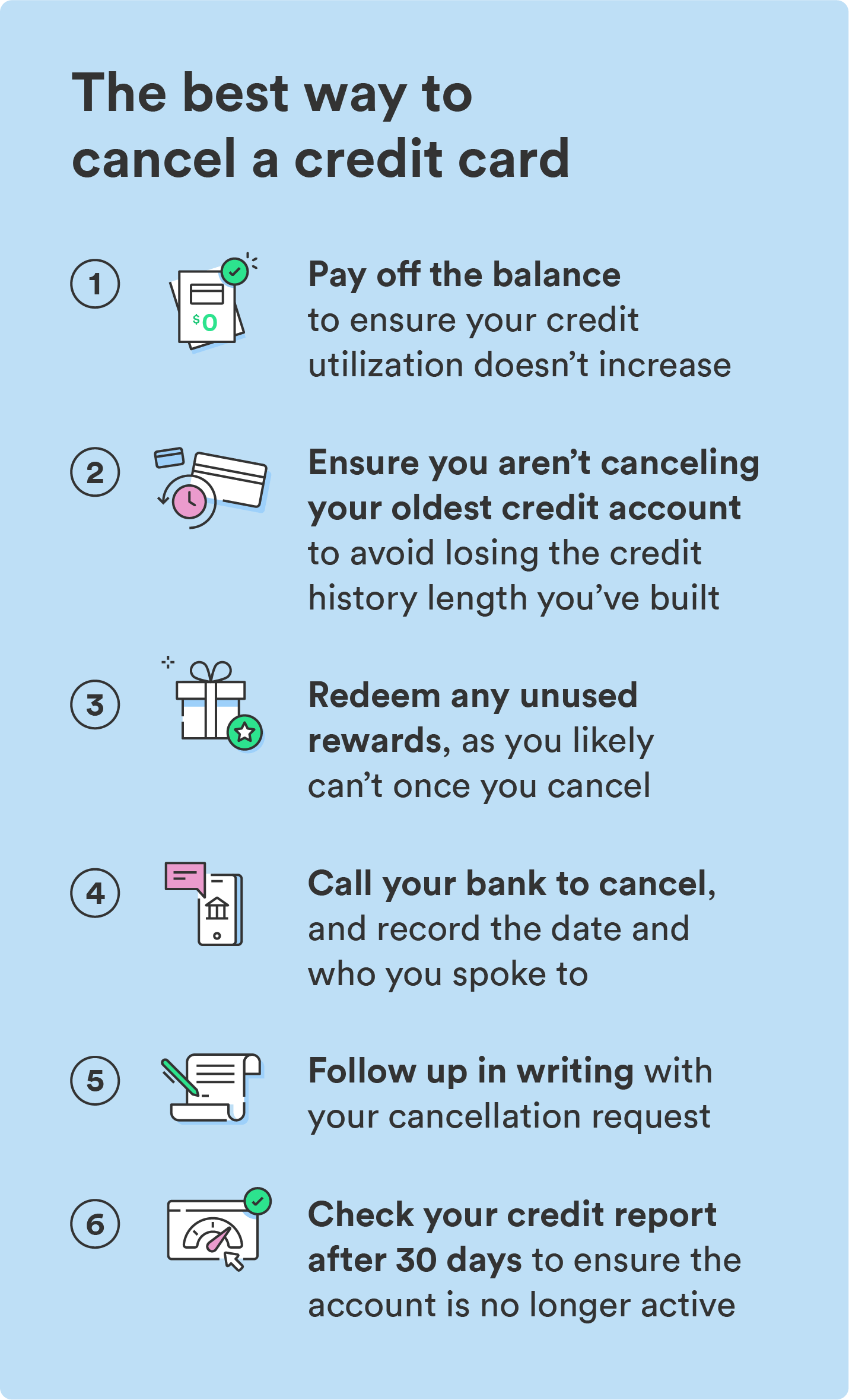
As mentioned, the golden rule is to pay off your entire outstanding balance before contacting Credit One to close your account. This prevents ongoing interest charges, simplifies the process, and ensures you aren’t stuck with unexpected payments after thinking the account is closed. Make sure the payment has fully cleared and posted to your account statement before proceeding.
Redeem Rewards
Log into your Credit One online account or call their customer service number to check for any unredeemed rewards points, cashback, or other benefits. Many programs have an expiration date for points upon account closure. Don’t leave money on the table; use or redeem everything you’re entitled to.
Update Recurring Payments
Many people use credit cards for recurring charges like streaming services, utility bills, gym memberships, or subscription boxes. If your Credit One card is linked to any of these, you must update your payment information with each vendor before cancelling the card. Failure to do so can lead to missed payments, service interruptions, and potentially late fees from the service providers. Create a comprehensive list of all recurring charges to ensure nothing is missed.
Obtain Your Credit Report
It’s a good idea to pull your free credit report from AnnualCreditReport.com before you cancel. This gives you a baseline of your credit score and current accounts. After a few months, you can check it again to see how the cancellation has impacted your report. This step also helps you identify if there are any errors or fraudulent activities that need to be addressed before closing an account.
Gather Necessary Information
When you call Credit One, you’ll need to verify your identity. Have your account number, Social Security Number, and any other relevant personal identification information readily available. This will expedite the call and prevent unnecessary delays.
Step-by-Step Guide to Cancelling Your Credit One Card
Once you’ve completed your preparatory steps, you’re ready to initiate the cancellation process. Credit card companies prefer you call them directly rather than merely cutting up the card or stopping payments.
Contacting Credit One Customer Service
Credit One typically requires you to call them to close an account. You usually cannot do it online. Look for the customer service number on the back of your card, on your statement, or on the official Credit One website.
- Credit One Customer Service Number: Typically, 1-877-825-3242 (verify on their official website for the most current number).
- Business Hours: Be mindful of their operating hours to avoid extended wait times.
When you connect with a representative, clearly state your intention to close your credit card account. Be polite but firm.
What to Expect During the Call
The representative’s primary goal will often be to retain you as a customer. They might:
- Ask for your reason: Be prepared to explain why you’re cancelling. You don’t need to go into excessive detail, but a concise reason (e.g., “I’m simplifying my finances,” “I have too many cards,” “I’m not using the card”) can be helpful.
- Offer retention incentives: They may offer to waive annual fees, provide lower interest rates, or offer bonus rewards to convince you to keep the card open. If your primary reason for cancelling is something they can address (like a high annual fee), consider if their offer genuinely changes your desire to close the account. However, if your decision is firm, politely decline.
- Remind you of the implications: They might reiterate points about your credit score or forfeiture of rewards. This is often part of their script to make you reconsider. Reaffirm that you understand these implications and still wish to proceed.
- Confirm Zero Balance: They will check if your account has a zero balance. If it doesn’t, they will instruct you on how to pay it off and might ask you to call back once the payment has cleared.
Ensure the representative explicitly states that your account is being closed at your request.
Requesting a Confirmation Letter
This is a critical step for your financial records. Before ending the call, ask the representative to send you a written confirmation of the account closure. This could be an email or a physical letter. This document serves as proof that you requested the closure and that Credit One processed it. Keep this confirmation safe with your other important financial documents.
Monitoring Your Account After Cancellation
The process isn’t truly over until you’ve verified the closure.
- Check Online Account: For a few weeks after the call, try to log into your Credit One online account. If it’s truly closed, you should no longer be able to access it or see an “account closed” status.
- Review Credit Statements: Continue to monitor any final statements from Credit One for a few billing cycles to ensure no new charges appear and that the balance remains zero.
- Check Your Credit Report: Approximately 1-2 months after cancellation, pull a new copy of your credit report from one of the three major bureaus (Equifax, Experian, TransUnion). Verify that the Credit One account is reported as “closed at consumer’s request” or a similar status, and that the balance is $0. If you find any discrepancies, contact Credit One immediately.
Common Pitfalls and Best Practices
Avoiding common mistakes can save you a lot of grief when cancelling a credit card.
Don’t Just Cut Up the Card
While physically destroying the card is a good security measure, it does not cancel the account. The account remains open and active, potentially accruing fees, interest, or being susceptible to fraud if the number is compromised. Always follow the official cancellation process by contacting Credit One directly.
Be Wary of Retention Offers
While some retention offers can be genuinely beneficial, don’t let them sway you if your core reasons for cancelling remain unaddressed. If you’re closing the card because of high fees or a desire to reduce your overall credit burden, a temporary bonus might not be worth keeping an account you don’t want. Stick to your decision if it aligns with your long-term financial strategy.
Document Everything
Keep meticulous records. Note the date and time of your cancellation call, the name of the representative you spoke with, any confirmation numbers given, and details of any offers or discussions. Save the confirmation email or letter they send you. This documentation is invaluable if any issues arise later.
Understand the “Why” Behind Your Decision
Your reason for cancelling should be clear. Is it to reduce debt, simplify your finances, avoid annual fees, improve your credit utilization by strategically managing other cards, or remove a temptation? A clear “why” helps you stay firm during retention pitches and ensures the cancellation is part of a broader, positive financial strategy.
Alternative Options to Cancellation
Sometimes, closing a credit card isn’t the only, or even the best, solution. Consider these alternatives before making a final decision.
Product Change (Card Downgrade)
In some cases, if your primary concern is an annual fee or high interest, you might be able to request a “product change” or “card downgrade.” This involves switching to a different card product offered by Credit One, potentially one with no annual fee or different terms, while keeping the same account open. This preserves your credit history with that account and avoids the potential negative impact on your credit utilization ratio. Always inquire if this is an option and if the new card truly meets your needs.
Balance Transfer
If you’re cancelling due to high interest rates on an outstanding balance, a balance transfer to a lower-interest or 0% APR introductory card could be a better option. This allows you to pay down the debt more aggressively without accumulating new interest, while keeping the Credit One account open if it benefits your credit history. Be mindful of balance transfer fees and the introductory period’s end date.

Debt Management Strategies
If you’re overwhelmed by credit card debt across multiple cards, simply cancelling one might not address the root problem. Consider comprehensive debt management strategies, such as consulting a non-profit credit counseling agency, exploring debt consolidation loans, or developing a strict budget to pay down debt systematically.
In conclusion, cancelling your Credit One credit card is a financial decision that requires careful thought and execution. By understanding the implications, preparing thoroughly, following the correct steps, and keeping meticulous records, you can ensure the process is as smooth and beneficial to your financial health as possible. Remember, every financial decision is a step towards your overall financial well-being.
aViewFromTheCave is a participant in the Amazon Services LLC Associates Program, an affiliate advertising program designed to provide a means for sites to earn advertising fees by advertising and linking to Amazon.com. Amazon, the Amazon logo, AmazonSupply, and the AmazonSupply logo are trademarks of Amazon.com, Inc. or its affiliates. As an Amazon Associate we earn affiliate commissions from qualifying purchases.