
In the vast and often intricate world of finance, understanding the ownership structure of a bank is more than just a trivial pursuit; it’s a critical component of comprehending its operations, strategic direction, and overall stability. For consumers, investors, and industry observers alike, peeling back the layers of corporate ownership can reveal much about a financial institution’s priorities, risk appetite, and market position. Credit One Bank, a prominent issuer of credit cards, frequently prompts curiosity regarding its ultimate ownership. Unlike many publicly traded banking giants, Credit One Bank operates under a different, less commonly understood ownership model, making this question particularly pertinent for those seeking clarity in their financial engagements.

This article delves into the specifics of Credit One Bank’s ownership, exploring the holding company that stands behind it and the implications of this structure. We will navigate the complexities of financial institution ownership, examine Credit One Bank’s unique business model, and discuss what its ownership means for its strategic direction, its customers, and the broader financial landscape. By shedding light on these often-opaque structures, we aim to provide a professional, insightful, and engaging understanding of “who owns Credit One Bank” within the context of the money and finance sector.
The Complexities of Financial Institution Ownership
Before pinpointing the specific owners of Credit One Bank, it’s essential to understand the various models of ownership prevalent within the financial sector. The landscape of banking ownership is diverse, ranging from publicly traded giants with millions of shareholders to privately held entities controlled by a select few. Each model carries distinct advantages and disadvantages, influencing everything from regulatory compliance to long-term strategic planning.
Public vs. Private Ownership Models
The most recognized ownership model for large financial institutions is public ownership. These banks are publicly traded companies, meaning their shares are bought and sold on stock exchanges (like the NYSE or NASDAQ). Ownership is distributed among a vast number of shareholders, ranging from institutional investors (pension funds, mutual funds) to individual retail investors. Publicly traded banks are subject to stringent regulatory requirements, including regular financial disclosures, quarterly earnings reports, and scrutiny from financial analysts and the media. This model emphasizes maximizing shareholder value, often leading to a focus on short-term financial performance and growth metrics.
In contrast, private ownership means the bank is not publicly traded. Its shares are held by a limited number of individuals, families, private equity firms, or other non-public entities. Privately held banks are often less transparent about their financials and operations due to fewer public reporting requirements. This structure can allow for greater strategic autonomy, long-term planning without the pressure of quarterly earnings, and potentially more flexibility in decision-making. However, it also means less public scrutiny and often less liquidity for owners seeking to sell their stakes.
The Role of Bank Holding Companies
A significant number of banks, whether public or private, operate under a bank holding company (BHC) structure. A BHC is a corporation that owns or controls one or more banks. This structure is common because it provides several strategic and regulatory advantages. For instance, it allows the parent company to engage in a broader range of financial activities beyond traditional banking, such as investment banking, insurance, or wealth management, often through non-bank subsidiaries. From a regulatory perspective, BHCs are supervised by the Federal Reserve, which ensures the safety and soundness of the entire financial enterprise, not just the individual bank subsidiary. Understanding this structure is crucial, as the ultimate “owner” of a bank is often the holding company that controls it.
Regulatory Oversight and Transparency
Regardless of their ownership model, all banks in the United States are subject to extensive regulatory oversight. This includes various federal agencies such as the Federal Reserve, the Office of the Comptroller of the Currency (OCC), and the Federal Deposit Insurance Corporation (FDIC), as well as state banking departments. These regulators mandate certain levels of capital, ensure consumer protection, and monitor for financial stability. While privately held banks have fewer public disclosure requirements regarding their financial performance than their publicly traded counterparts, they are still subject to rigorous audits and examinations by regulatory bodies to ensure they meet banking standards and protect depositors.
Pinpointing the Owners of Credit One Bank
When the question “who owns Credit One Bank” is posed, the answer points not to a publicly traded corporation, but to a privately held entity that operates behind the scenes: Sherman Financial Group LLC.
Credit One Bank’s Private Holding Company: Sherman Financial Group LLC
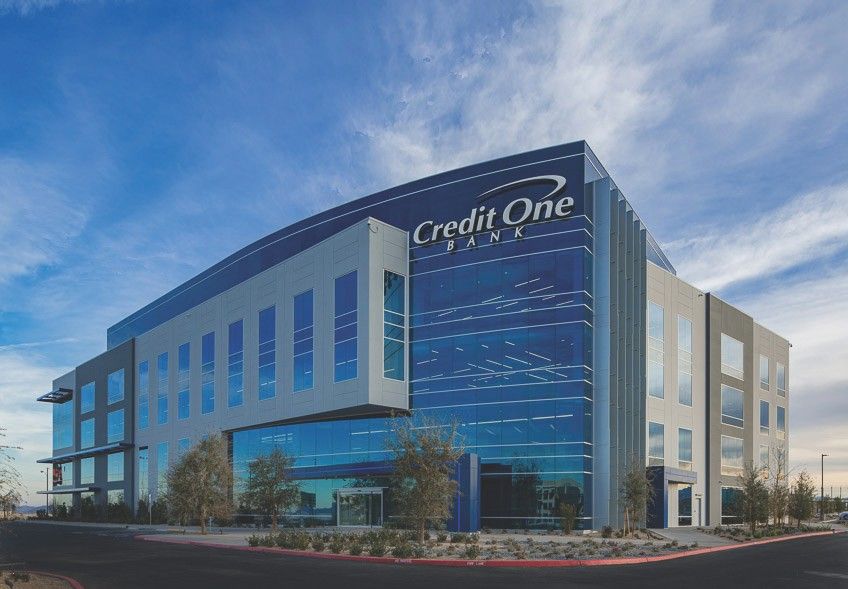
Credit One Bank, N.A. (National Association), a federally chartered bank, is a wholly-owned subsidiary of Sherman Financial Group LLC. This makes Sherman Financial Group the ultimate parent company and, effectively, the owner of Credit One Bank. Unlike many of its competitors which are divisions of large, publicly traded financial conglomerates, Credit One Bank’s ownership is consolidated under this private holding company. This structure allows Sherman Financial Group to exert direct control over Credit One Bank’s strategic decisions, financial management, and operational priorities without the quarterly pressures and public scrutiny that come with being listed on a stock exchange.
Sherman Financial Group: A Closer Look
Sherman Financial Group LLC is a private financial services company based in Las Vegas, Nevada. The group has historically focused on various aspects of the credit market, including credit card issuing, consumer finance, and the acquisition and management of distressed debt portfolios. Its operations are characterized by a specialized approach to the credit industry, often targeting segments of the population that may be underserved by traditional prime lenders. The group’s strategy revolves around leveraging data analytics and sophisticated risk assessment models to manage credit exposure across its diverse portfolio of financial products and services. While less visible to the general public than its banking subsidiary, Sherman Financial Group plays a pivotal role in shaping Credit One Bank’s offerings and market strategy.
The Visionary Behind the Empire
The driving force behind Sherman Financial Group and, by extension, Credit One Bank, is its founder, Richard W. Sherman. As the founder and Chairman, Richard Sherman has been instrumental in building the financial empire that includes Credit One Bank. His vision and leadership have guided the group’s strategy, particularly its focus on specific segments of the consumer credit market. Sherman’s business philosophy emphasizes leveraging advanced analytics and proprietary scoring models to identify and serve consumers who may have rebuilding credit or limited credit histories, a niche that Credit One Bank has effectively capitalized on. Under his stewardship, the organization has grown to be a significant player in the non-prime credit card sector.
Credit One Bank’s Business Model and Market Strategy
Understanding Credit One Bank’s ownership is incomplete without examining its core business model and market strategy, which are heavily influenced by its parent company’s objectives and expertise in consumer credit.
Specialization in Credit Cards
Credit One Bank’s primary business revolves around the issuance of credit cards, predominantly targeting consumers with average to below-average credit scores, often referred to as the subprime or near-prime market. This specialization distinguishes it from universal banks that offer a full suite of financial products and services. By focusing on this niche, Credit One Bank aims to provide credit access to individuals who might otherwise struggle to obtain credit from mainstream lenders. Its product portfolio includes a range of Visa and Mastercard products, often characterized by features such as annual fees, high-interest rates, and sometimes secured card options, tailored to the risk profile of its target demographic.
Revenue Streams and Profitability
The bank’s profitability largely stems from two primary revenue streams inherent in its business model: interest income and fee income. Given its focus on subprime and near-prime borrowers, Credit One Bank typically charges higher annual percentage rates (APRs) on its credit card balances compared to cards for prime borrowers. This higher interest income compensates for the increased risk associated with its customer base. Furthermore, various fees, including annual fees, cash advance fees, late payment fees, and over-limit fees, contribute significantly to its revenue. This structure allows Credit One Bank to manage risk and generate profit even within a higher-risk lending environment.
Competitive Landscape and Market Position
In the competitive landscape of credit card issuance, Credit One Bank competes with other specialized lenders as well as the subprime divisions of larger banks. Its market position is defined by its strong brand recognition within its niche, fueled by significant marketing efforts. While not a top-tier issuer in terms of overall market share, it holds a substantial presence in the non-prime segment. The bank differentiates itself through its aggressive marketing, often featuring pre-qualified offers, and its continuous refinement of underwriting models to expand credit access while managing risk effectively. This strategic focus ensures its relevance and continued growth within a specific, yet considerable, portion of the consumer credit market.
Understanding the Impact of Private Ownership
The private ownership structure under Sherman Financial Group LLC has profound implications for Credit One Bank’s operations, strategic decisions, and overall corporate culture, distinguishing it significantly from publicly traded financial institutions.
Strategic Autonomy and Long-Term Vision
One of the most significant advantages of private ownership is the strategic autonomy it affords. Without the constant pressure to meet quarterly earnings expectations from public shareholders, Credit One Bank can focus on a longer-term strategic vision. Decisions can be made with a multi-year horizon, allowing for investments in technology, infrastructure, and market expansion that might not yield immediate returns but contribute to sustainable growth. This autonomy allows the bank to be more nimble and responsive to market changes, particularly within its specialized niche, without having to appease a diverse shareholder base that might prioritize short-term gains.
Fewer Public Disclosures and Scrutiny
A direct consequence of private ownership is reduced transparency compared to publicly traded companies. Credit One Bank, as a subsidiary of a private entity, is not required to file detailed financial reports with the Securities and Exchange Commission (SEC), nor does it conduct public earnings calls. While it is still subject to rigorous regulatory oversight by banking authorities, the public and financial analysts have less access to its detailed financial performance, operational metrics, and executive compensation. This reduced scrutiny can be a double-edged sword: it allows the company to operate with more privacy, but it can also lead to less public accountability and make it harder for external parties to assess its financial health or governance practices.
Investor Focus vs. Shareholder Value
The focus of a private owner like Sherman Financial Group is typically on maximizing the value of the entire enterprise for its private equity holders or founders, rather than maximizing shareholder value for a dispersed public shareholder base. This often translates into a keen emphasis on profitability, efficient capital allocation, and risk management that aligns with the long-term objectives of the controlling interests. While public companies must balance the interests of a vast and often transient shareholder group, a private owner can pursue a more focused strategy, often prioritizing cash flow, debt reduction, or strategic acquisitions that solidify its market position without needing to consider the immediate impact on stock price or dividend payouts. This fundamental difference in investor focus dictates many of the strategic and operational decisions made within Credit One Bank.
What This Means for Consumers and the Financial Sector
The ownership and business model of Credit One Bank have tangible implications for both its customers and the broader financial sector. Understanding these dynamics can help consumers make more informed decisions about their banking relationships and offer insights into the varied landscape of financial services.
Consumer Products and Service Offerings
Credit One Bank’s specialized approach, driven by its private ownership, directly influences its product offerings. By targeting the subprime and near-prime markets, the bank fills a crucial gap for consumers who are looking to build or rebuild their credit. This means that while some of its products may come with higher fees or interest rates, they provide an essential gateway to credit for segments of the population that might otherwise be excluded. For consumers, knowing that Credit One Bank is part of a privately held group specializing in credit solutions can help contextualize its product design, customer service approach, and overall business philosophy. They are dealing with an institution primarily geared towards a specific credit risk profile, which shapes the terms and conditions they encounter.
Stability and Growth of the Institution
The stability and growth of Credit One Bank are intrinsically linked to the financial health and strategic direction of Sherman Financial Group. Private ownership can foster stability by allowing for consistent leadership and a long-term vision, insulated from the short-term fluctuations of public markets. However, it also means that the bank’s fortunes are more closely tied to the financial capabilities and strategies of a single, less transparent entity. The continued growth of Credit One Bank reflects its ability to effectively serve its niche market and manage risk within that segment, contributing to the overall strength of its parent company. For the financial sector, Credit One Bank represents a successful model of specialized lending that caters to a distinct and often large demographic, influencing how other institutions might approach similar market segments.

Evaluating Banks: Beyond Just Brand Recognition
Ultimately, understanding who owns Credit One Bank encourages a more comprehensive approach to evaluating financial institutions. Consumers often interact with banks based on brand recognition, marketing, or specific product features. However, delving into the ownership structure – whether a bank is publicly traded, a credit union, or privately held like Credit One Bank – can provide deeper insights into its mission, its financial health, its regulatory environment, and how it might treat its customers. For the financially savvy consumer, this knowledge is power, enabling them to choose financial partners whose structures and philosophies align with their personal financial goals and expectations. In an increasingly complex financial world, looking beyond the surface is not just recommended, it’s essential.
aViewFromTheCave is a participant in the Amazon Services LLC Associates Program, an affiliate advertising program designed to provide a means for sites to earn advertising fees by advertising and linking to Amazon.com. Amazon, the Amazon logo, AmazonSupply, and the AmazonSupply logo are trademarks of Amazon.com, Inc. or its affiliates. As an Amazon Associate we earn affiliate commissions from qualifying purchases.