
Renting a car for a short period, such as two days, can be an essential part of a business trip, a weekend getaway, or simply a temporary solution when your primary vehicle is unavailable. While the concept seems straightforward, the actual cost can fluctuate significantly based on a myriad of factors, often leaving consumers perplexed. Understanding these variables and adopting a strategic approach can help you manage expenses effectively and ensure you get the best value for your money. This guide delves into the financial intricacies of a 2-day car rental, providing insights to help you budget wisely and avoid unexpected outlays.

Deconstructing the Core Costs of a 2-Day Car Rental
The sticker price you initially see for a car rental is rarely the final amount you’ll pay. A comprehensive understanding of the components that make up the total cost is crucial for accurate financial planning.
The Base Rental Rate: A Starting Point
The base rate is the foundational charge for using the vehicle itself. This figure is influenced by several primary factors:
- Car Type and Size: Economy cars are invariably cheaper than SUVs, luxury vehicles, or specialty cars. The smaller the car, generally the lower the daily rate. For a 2-day rental, consider if you truly need the extra space or features, as upgrading even slightly can disproportionately increase the total cost.
- Location of Rental: Renting from a major city airport often incurs higher rates due to convenience fees and higher operating costs for the rental agencies. Downtown locations or suburban branches might offer more competitive pricing. Prices also vary significantly between different cities and countries based on local demand and economic conditions.
- Time of Year and Demand: Peak travel seasons (holidays, summer months, spring breaks) naturally drive up prices due to increased demand. Renting during the off-season or on weekdays can often yield substantial savings. Even within a week, renting from Tuesday to Thursday might be cheaper than a Friday to Sunday rental.
- Rental Company: Major players like Hertz, Avis, Enterprise, Budget, and National generally offer a wide range of vehicles and robust customer service, but their base rates can sometimes be higher than smaller, local rental agencies or budget-focused brands like Thrifty or Dollar. It’s always wise to compare across different providers.
- Length of Rental: While this article focuses on 2 days, it’s worth noting that daily rates can sometimes decrease slightly with longer rental periods due to package deals or weekly rates. However, for just two days, you’re squarely in the short-term rental bracket, which often has higher per-day costs compared to weekly rentals.
Mandatory Fees and Taxes: The Unavoidable Add-ons
Beyond the base rate, several fees and taxes are standard, often increasing the total cost by 15-30% or more. These are typically non-negotiable and include:
- Airport Surcharges (Concession Recovery Fees): If you rent from an airport location, you’ll almost certainly pay an airport concession fee, which helps cover the rental company’s cost of operating at the airport. These can range from 10% to over 20% of the base rate.
- Vehicle License Fees and Road Surcharges: These are often small daily fees levied by states or municipalities to cover vehicle registration, inspection, and infrastructure costs.
- State and Local Sales Taxes: Standard sales tax applies to car rentals in most jurisdictions, adding a percentage to the overall cost.
- Energy Surcharges or Environmental Fees: Some companies impose small, fixed daily fees to cover energy costs or environmental initiatives.
While individually these fees may seem minor, their cumulative effect can significantly impact your 2-day rental budget.
Insurance Options: Protecting Your Wallet and Your Ride
One of the most financially impactful decisions when renting a car is regarding insurance. Rental companies offer various types of coverage, each with its own cost and implications.
- Collision Damage Waiver (CDW) / Loss Damage Waiver (LDW): This waives the rental company’s right to pursue you for damage to the rental car, up to the value of the vehicle, or loss (theft). It typically costs $20-$40 per day.
- Supplemental Liability Insurance (SLI): This provides additional liability coverage beyond the minimum required by law, protecting you if you cause an accident that injures others or damages their property. This can add $10-$20 per day.
- Personal Accident Insurance (PAI) / Personal Effects Coverage (PEC): PAI covers medical costs for you and your passengers in an accident, while PEC covers personal belongings stolen from or damaged in the car. These are often combined and add another $5-$10 daily.
- Roadside Assistance: While some basic roadside help might be included, enhanced packages (e.g., flat tire service, lost key replacement) are often an upsell.
Before opting for these, always check your existing financial safety nets:
- Personal Auto Insurance Policy: Your existing car insurance may extend coverage to rental cars, especially for collision and liability. Verify the extent of this coverage and any deductibles.
- Credit Card Benefits: Many premium credit cards offer secondary (or sometimes primary) collision/loss damage waiver coverage for rental cars when you use the card to pay for the rental. This can be a significant money-saver, potentially eliminating the need for the rental company’s CDW/LDW. However, be aware that credit card coverage usually doesn’t include liability insurance.
- Third-Party Rental Car Insurance: You can often purchase cheaper, comprehensive rental car insurance from independent providers before your trip, which can cover both collision and liability.
Declining unnecessary insurance can save a significant portion of your 2-day rental cost, but doing so without confirming existing coverage is a substantial financial risk.
Beyond the Base: Understanding Variable Expenses and Hidden Charges
While mandatory fees are generally transparent, other variable expenses and potential hidden charges can inflate your 2-day rental cost if not anticipated.
Fuel Policies: Full-to-Full vs. Pre-paid Options
Fuel is a major variable expense. Rental companies offer different fuel policies:
- Full-to-Full: You pick up the car with a full tank and return it full. This is almost always the most cost-effective option, as you pay local gas station prices.
- Pre-paid Fuel: You buy a tank of gas at the rental counter, often at a slightly inflated price, and return it empty. This can be convenient if you’re in a hurry, but rarely saves money.
- Return Empty (Rental Company Refuels): If you return the car with less than a full tank and haven’t opted for pre-paid fuel, the rental company will refuel it and charge you a hefty premium per gallon, often double or triple the market rate, plus a service fee.
For a 2-day rental, planning to return the car full is the best financial strategy.
Optional Extras: Convenience at a Price
Rental agencies offer various add-ons that can add up quickly over just two days:
- GPS Navigation System: Often $10-$15 per day. Your smartphone likely has superior GPS capabilities for free.
- Child Safety Seats: Can cost $10-$20 per day, potentially exceeding the cost of buying a new, basic booster seat for longer trips. For a 2-day rental, consider bringing your own if feasible.
- Toll Pass/Transponder: For areas with electronic tolls, rental companies offer devices that automatically charge tolls to your credit card, plus a daily service fee (e.g., $5-$10 per day, even on days you don’t use tolls). If you anticipate using tolls, consider buying your own temporary pass or paying cash where available.
- Additional Drivers: Charging an extra $10-$15 per day per additional driver is common. Evaluate if you truly need another driver on such a short trip. Spouses/domestic partners are sometimes exempt, but always confirm.
Age Surcharges and Driver Restrictions
Younger drivers (typically under 25) face significant surcharges, often $25-$35 per day, which can double the cost of a 2-day rental. Some companies also have maximum age limits or require specific driving experience for certain vehicle classes. International travelers may also need an International Driving Permit in addition to their home country license, with potential associated costs.
Mileage Limits and Geographic Restrictions
Most major rental companies offer unlimited mileage, especially for short rentals. However, always confirm, particularly with budget brands or in certain regions. Going over a mileage limit can incur per-mile charges. Geographic restrictions (e.g., not driving out of state, or surcharges for cross-border travel) are also common and must be adhered to to avoid penalties.
Savvy Strategies for Economical 2-Day Car Rentals
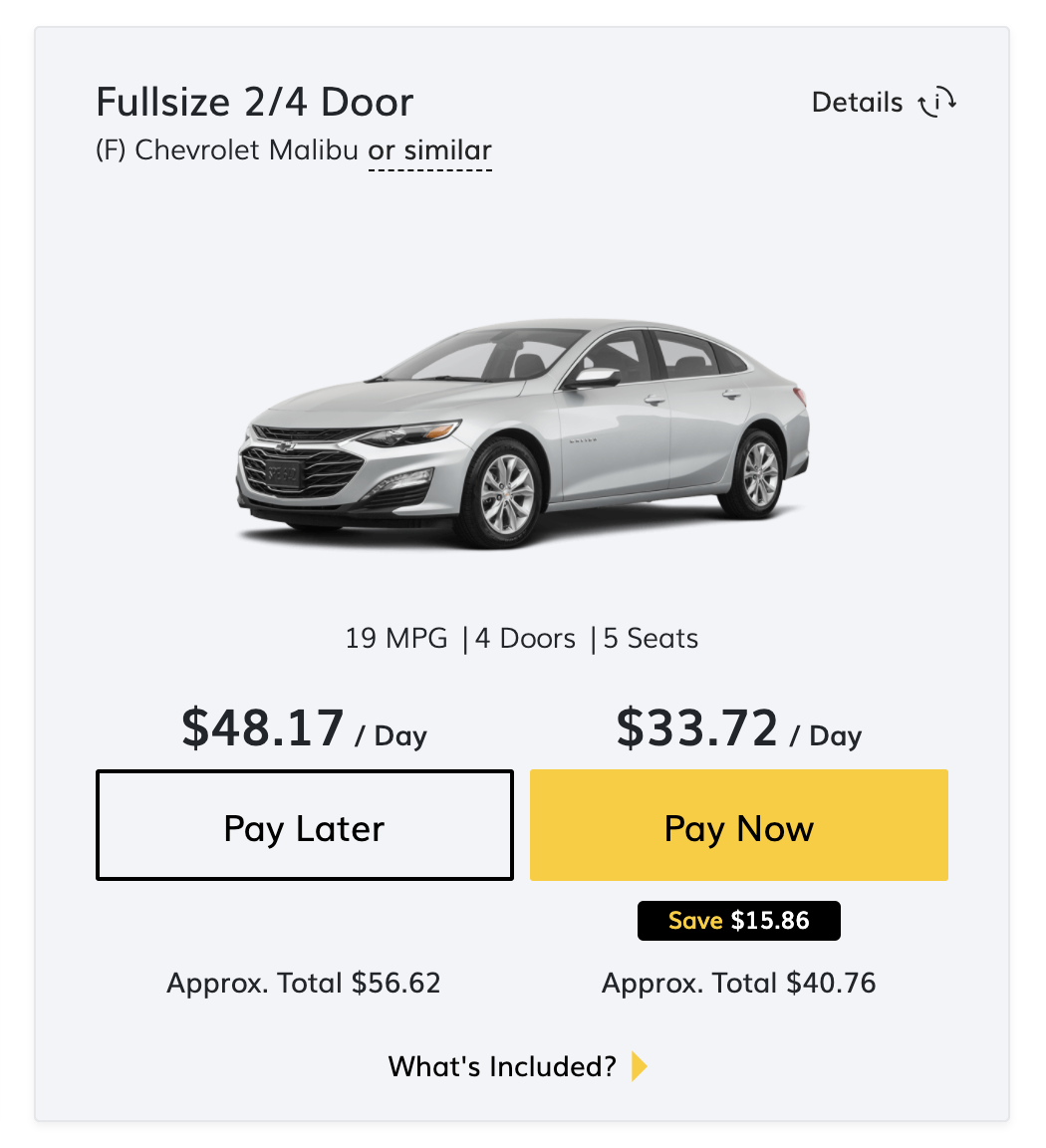
With a clear understanding of the costs, you can employ several strategies to minimize your financial outlay for a 2-day car rental.
Early Booking and Off-Peak Timing: Capitalizing on Demand Fluctuations
- Book in Advance: Like airline tickets, car rental prices often increase closer to the pick-up date, especially for popular car types. Booking several weeks or even months ahead can lock in a lower rate. You can often cancel without penalty if you find a better deal later.
- Avoid Peak Periods: If your travel dates are flexible, aim to rent outside major holidays, school breaks, and busy convention times. Weekday rentals (Monday-Thursday) are typically cheaper than weekend rentals.
- Consider Off-Airport Locations: While less convenient, renting from a downtown or suburban branch can bypass airport surcharges, potentially saving 10-20% on the total bill, even if it requires a short taxi or ride-share to get there.
Comparison Shopping and Discount Codes: Leveraging Digital Financial Tools
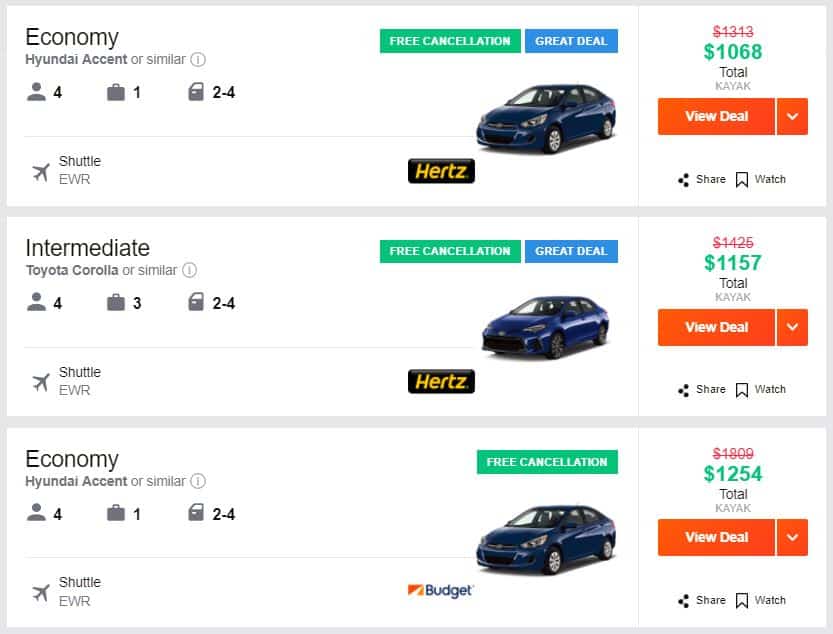
- Utilize Aggregator Websites: Sites like Kayak, Expedia, Priceline, and RentalCars.com allow you to compare prices across multiple rental companies simultaneously. This is a crucial first step in finding the best base rate.
- Check Direct Company Websites: After comparing, visit the direct websites of the most competitive companies. Sometimes they offer exclusive deals or loyalty program discounts not available elsewhere.
- Look for Discount Codes: Search for promotional codes, coupon codes, or corporate discounts. Many organizations (AAA, AARP, Costco, airlines, credit card companies) have partnerships with rental agencies offering members significant savings. Always input these codes during the booking process.
- Join Loyalty Programs: If you rent frequently, joining a rental company’s loyalty program can lead to benefits like faster pick-up, free upgrades, or discounted rates after a certain number of rentals.
Optimizing Car Choice: Size, Fuel Efficiency, and Need vs. Want
- Rent the Smallest Car You Need: Resist the urge to upgrade. An economy or compact car will almost always be the cheapest option in terms of base rate and fuel consumption.
- Consider Fuel Efficiency: For a 2-day rental, especially if you anticipate significant driving, a car with better gas mileage can lead to noticeable savings at the pump, particularly when comparing different models within the same class.
- Manual vs. Automatic: In some regions, manual transmission cars are cheaper to rent than automatics. If you’re comfortable driving stick shift, this could be a minor cost-saver.
Understanding Fuel Management: Pre-trip Planning for Savings
- Locate Gas Stations Near Drop-off: Before returning the car on the second day, use a mapping app to find nearby gas stations, especially those a short distance from the airport or rental branch, which often have lower prices than those immediately adjacent to the facility.
- Fill Up Just Before Return: Aim to fill the tank as close to the rental return time as possible to avoid being charged the premium refueling fee by the rental company.
The Financial Impact: When Does a 2-Day Rental Make Sense?
Beyond just securing the cheapest rate, it’s vital to perform a personal financial analysis to determine if a 2-day rental is the most cost-effective solution for your specific needs.
Cost-Benefit Analysis: Rental vs. Ride-Sharing vs. Public Transport
- Ride-Sharing (Uber/Lyft): For very short distances, or if you only need a car for a few specific trips over two days, ride-sharing might be cheaper than a rental, especially when factoring in parking, gas, and insurance for a rental.
- Public Transportation: In cities with excellent public transport networks, this is often the most budget-friendly option.
- Break-Even Point: Calculate your estimated rental cost (including all fees, gas, and insurance) and compare it to the likely cost of ride-sharing or public transport for the same itinerary. The break-even point helps you decide which mode of transport offers better financial value. For two days, if your mileage is low and you’re mostly staying in one area, alternatives might be superior.
Budgeting for Unexpected Incidents: A Financial Safety Net
Even with careful planning, unexpected events can incur costs.
- Damage/Accidents: If you’ve waived the rental company’s CDW/LDW and rely on personal insurance or a credit card, you might still be responsible for a deductible or processing fees. Ensure your emergency fund can cover potential out-of-pocket expenses.
- Traffic Fines/Tolls: Unpaid tolls or parking tickets will eventually be traced back to the rental company, which will then charge your credit card, often with an additional administrative fee. Be diligent about adhering to local traffic laws and paying tolls promptly.
- Extended Rental: If unforeseen circumstances force you to keep the car for a third day, be aware of the increased charges. It’s often cheaper to extend the rental officially rather than just return it late.
Rental Car Insurance: A Deep Dive into Coverage Decisions
This decision is paramount for your financial security. Don’t assume.
- Call Your Insurance Provider: Confirm what your personal auto policy covers for rentals (collision, liability, deductibles, geographic limits).
- Contact Your Credit Card Company: Understand the specific terms of their rental car insurance benefit (primary vs. secondary, types of vehicles covered, maximum rental duration, what’s not covered like liability).
- Consider Third-Party Options: For around $5-$15 per day, independent insurance providers can offer comprehensive rental car coverage that is often cheaper than the rental company’s offerings and can sometimes provide primary coverage. This might be a wise investment for peace of mind over two days.
Financial Tools and Practices for Seamless Car Rental Budgeting
Managing the costs of a 2-day car rental is ultimately about smart personal finance practices.
Utilizing Rental Cost Calculators and Budgeting Apps
- Online Calculators: Many rental comparison sites offer tools that estimate the total cost, including taxes and fees, if you input your desired dates and location.
- Personal Finance Apps: Integrate your estimated car rental costs into your overall travel budget using apps like Mint, YNAB (You Need A Budget), or custom spreadsheets. This helps visualize the expense within your broader financial picture. Track the actual cost after the rental to refine future budgeting.
Reading the Fine Print: Protecting Your Financial Interests
Before signing any rental agreement, meticulously read the contract. Pay close attention to:
- Fuel Policy: Reconfirm whether it’s full-to-full or another option.
- Mileage Limits: Ensure it’s unlimited if that’s what you expect.
- Insurance Charges: Verify that only the insurance you agreed to (or declined) is listed.
- Cancellation Policy: Understand any fees for changing or canceling your reservation.
- Drop-off Policy: Clarify any charges for returning the car to a different location or after hours.
Disputes often arise from unread contractual terms. Protecting your financial interests means understanding what you’re agreeing to.
Post-Rental Financial Review: Learning for Future Savings
Once your 2-day rental is complete, take a moment to review the final invoice against your initial booking and budget.
- Compare Estimated vs. Actual Costs: Did you over-budget or under-budget? Why?
- Identify Areas for Improvement: Were there fees you could have avoided (e.g., opting out of GPS, filling the tank yourself)?
- Evaluate Insurance Decisions: Was your insurance coverage sufficient and cost-effective?
This financial review helps you learn from each rental experience, allowing you to become a savvier and more economical renter in the future, optimizing your personal finance strategies for all your transportation needs.
Ultimately, renting a car for two days doesn’t have to be a budget-buster. By understanding the cost components, leveraging comparison tools, making informed choices about extras and insurance, and meticulously planning your fuel strategy, you can secure the mobility you need without compromising your financial well-being.
aViewFromTheCave is a participant in the Amazon Services LLC Associates Program, an affiliate advertising program designed to provide a means for sites to earn advertising fees by advertising and linking to Amazon.com. Amazon, the Amazon logo, AmazonSupply, and the AmazonSupply logo are trademarks of Amazon.com, Inc. or its affiliates. As an Amazon Associate we earn affiliate commissions from qualifying purchases.