
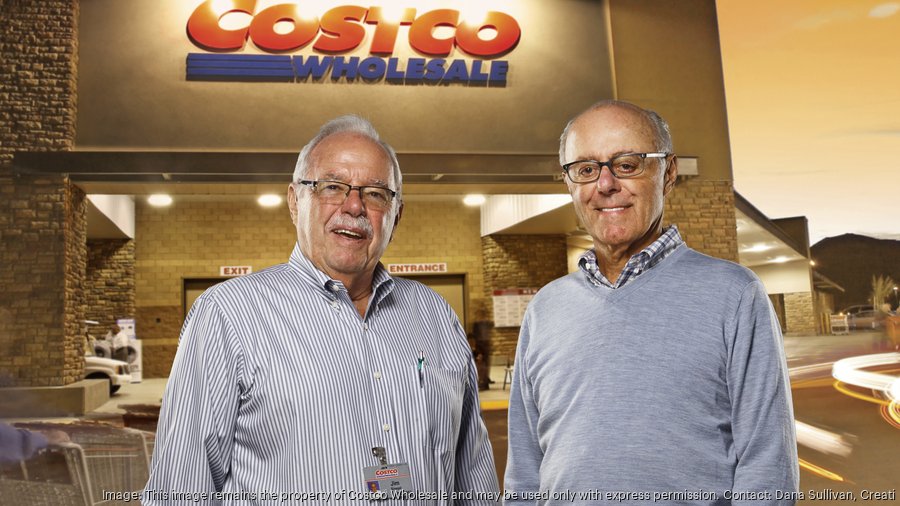
Costco Wholesale Corporation stands as an undisputed titan in the global retail landscape, synonymous with bulk savings, high-quality private-label goods, and a unique membership-based shopping experience. Its vast warehouses, offering everything from fresh produce to electronics, have become an integral part of consumer life for millions worldwide. Yet, behind this colossal brand, with its distinctive corporate identity and unwavering market strategy, lie the foundational visions of its creators. Understanding “who is the founder of Costco” is not merely a historical inquiry; it is a deep dive into the origins of a brand whose core values and operational philosophy were meticulously crafted from day one by two remarkable individuals: James Sinegal and Jeffrey Brotman. Their foresight, commitment to value, and innovative approach to retail fundamentally shaped Costco’s brand strategy, distinguishing it in a fiercely competitive market and cementing its legacy as a retailing powerhouse. This article explores the lives and contributions of these founders, tracing how their shared vision became the bedrock of one of the world’s most recognizable and revered brands.

The Visionaries Behind a Retail Giant: James Sinegal and Jeffrey Brotman
The narrative of Costco’s brand genesis is intrinsically linked to the distinct yet complementary talents of its co-founders. While many associate the brand with its operational excellence and customer-centric approach, the roles played by James Sinegal and Jeffrey Brotman were pivotal in establishing its corporate identity and defining its enduring marketing philosophy.
James Sinegal: The Operations Maestro
James “Jim” Sinegal is often lauded as the operational genius behind Costco. His career in retail began humbly, working as a bagger for Fed-Mart, a pioneering discount department store chain founded by Sol Price. It was under Price’s mentorship that Sinegal honed his understanding of the wholesale club model, learning the intricate dance of merchandising, inventory management, and customer service in a high-volume, low-margin environment. Price’s philosophy of offering quality goods at razor-thin margins, combined with an unwavering focus on efficiency and employee welfare, deeply influenced Sinegal. This formative experience instilled in him a belief in the power of a lean operation, a curated product selection, and a commitment to treating both customers and employees with respect – principles that would become cornerstones of the Costco brand. Sinegal’s hands-on approach and dedication to the customer experience were instrumental in translating a business model into a tangible brand promise.
Jeffrey Brotman: The Strategic Architect
Jeffrey Brotman, on the other hand, brought a different but equally crucial skillset to the partnership. A seasoned Seattle attorney and businessman with a keen eye for real estate and corporate strategy, Brotman recognized the immense potential of the warehouse club concept. While Sinegal focused on the day-to-day operational blueprint and the tangible customer experience, Brotman was the strategic mind, navigating the legal, financial, and logistical complexities of launching and scaling a large-scale retail enterprise. His expertise in business development, governance, and market positioning was vital in securing the necessary capital, establishing the corporate structure, and defining the brand’s expansion strategy. Brotman’s ability to see the bigger picture and lay the groundwork for sustainable growth provided the robust framework upon which Sinegal’s operational vision could flourish.
The Unifying Vision: Bridging Retail Philosophy and Business Acumen
The magic of Costco’s foundation lies in the synergy between Sinegal’s deep retail operational knowledge and Brotman’s strategic business acumen. They shared a unifying vision: to create a membership warehouse club that prioritized value for both its members and its employees, believing that happy employees lead to satisfied customers. This shared philosophy wasn’t just a business model; it was a brand ethos. It articulated Costco’s distinct corporate identity – a company committed to delivering superior products at the lowest possible prices, fostered by a high-performing and well-compensated workforce. Their partnership was a powerful example of how diverse expertise, channeled by a common purpose, can forge an incredibly strong and resilient brand from its very inception.
From Concept to Colossus: The Formative Years and Brand Genesis
The journey from a nascent idea to a global retail phenomenon is rarely straightforward, but for Costco, the early years were characterized by strategic foresight and a clear understanding of market opportunity. The brand’s identity was not an afterthought; it was woven into every decision from the ground up, drawing heavily on lessons learned from industry pioneers.
The Price Club Precedent: Learning from the Pioneer
Before Costco, there was Price Club, founded by Sol Price in San Diego in 1976. Sol Price is often considered the “father of the warehouse club concept,” and his influence on James Sinegal was profound. Price’s model was revolutionary: sell a limited selection of products in bulk, keep overheads low, charge a membership fee, and pass the savings directly to the customer. This was more than just a business model; it was a disruptive brand strategy, challenging traditional retail by offering unparalleled value and convenience to small businesses and savvy consumers. Sinegal, having worked extensively under Price, absorbed these foundational brand principles. The Price Club experience taught Sinegal that a brand built on transparency, efficiency, and direct value proposition could cultivate immense loyalty and differentiate itself from conventional retailers. This education was critical in shaping Costco’s subsequent brand DNA.
Laying the Foundation: The First Costco Warehouse
Armed with this invaluable insight and a shared conviction, Sinegal and Brotman opened the first Costco warehouse in Seattle, Washington, on September 15, 1983. Their initial brand promise was simple yet powerful: offer businesses and a select group of members top-quality, brand-name merchandise at substantially lower prices than traditional wholesalers or retailers. From its inaugural location, Costco distinguished itself with a no-frills, utilitarian aesthetic that was purposeful. The warehouse format itself became part of the brand experience – signaling efficiency, bulk savings, and a direct-to-consumer approach that cut out unnecessary frills and costs. Every decision, from the choice of location to the layout of the shelves, was designed to reinforce this brand message of value and efficiency.
The Strategic Merger: Uniting Forces for Market Dominance
The narrative of Costco’s brand evolution took a pivotal turn in 1993 with the merger of Costco Wholesale Corporation and Price Club. This wasn’t merely a business transaction; it was a strategic consolidation of the two leading players in the nascent warehouse club industry, effectively creating an unrivaled market leader. Price/Costco, as it was initially known, combined the strengths of both brands: Price Club’s established presence and pioneering spirit with Costco’s rapid growth and strong operational management. The merger, orchestrated with strategic precision, allowed the combined entity to leverage economies of scale, optimize supply chains, and expand its geographical reach dramatically. More importantly, it solidified a unified brand identity that integrated the best practices and values of both organizations, ultimately leading to the re-establishment as Costco Wholesale Corporation in 1997. This strategic move was instrumental in consolidating its brand power and setting the stage for its global dominance.
Crafting a Unique Brand Identity: Pillars of the Costco Experience

Costco’s enduring success and its strong brand loyalty are not accidental. They are the direct result of a meticulously crafted brand strategy, built upon a few core pillars established by its founders. These elements have become synonymous with the Costco experience and form the backbone of its corporate identity.
The Membership Model: Fostering Loyalty and Exclusivity
At the heart of Costco’s brand strategy is its membership model. This seemingly simple requirement transforms a casual shopper into a committed “member,” creating a sense of exclusivity and shared value. By charging an annual fee, Costco essentially prescreens its customers, ensuring a base of engaged shoppers who are serious about bulk purchasing and long-term value. This model not only generates a significant, predictable revenue stream but also fosters a powerful bond between the brand and its customers. Members feel a sense of belonging and trust that Costco is delivering superior value in exchange for their loyalty. This strategy, pioneered by Sol Price and embraced by Sinegal and Brotman, is a fundamental differentiator that reinforces Costco’s brand promise of exceptional value.
Value-Driven Product Strategy: The Kirkland Signature Advantage
A critical component of Costco’s brand appeal is its product strategy, particularly the iconic Kirkland Signature private label. The founders understood that simply selling brand-name items at a discount wasn’t enough; true brand strength would come from offering unparalleled value. Kirkland Signature products are known for their high quality, often comparable to or exceeding national brands, but at significantly lower prices. This strategy reinforces Costco’s brand message of quality and value, building immense trust with its members. When a customer sees the Kirkland Signature label, they associate it with reliability and smart purchasing, further cementing their loyalty to the Costco brand itself. It’s a testament to the founders’ commitment to putting the member first, ensuring that every purchase delivers maximum benefit.
The “Treasure Hunt” Aesthetic: Beyond Basic Retailing
The physical experience of shopping at Costco is another distinctive element of its brand identity. Unlike traditional supermarkets with predictable layouts, Costco warehouses offer a “treasure hunt” atmosphere. The limited, ever-changing selection of general merchandise, often interspersed with high-end luxury items, creates a sense of discovery and urgency. This intentional strategy, rooted in Sinegal’s operational philosophy, transforms a mundane shopping trip into an engaging adventure. It encourages members to explore, to make impulse buys, and to return frequently to see what new “treasures” might be available. This experiential aspect is a subtle yet powerful brand differentiator that keeps members engaged and excited about their visits, making Costco more than just a store – it’s a destination.
Employee-Centric Culture: A Foundation for Brand Strength
Perhaps one of the most remarkable aspects of Costco’s corporate identity, and a direct reflection of its founders’ values, is its employee-centric culture. From the outset, Sinegal and Brotman believed in paying employees fair wages and providing comprehensive benefits, often surpassing industry standards. This philosophy wasn’t just about social responsibility; it was a strategic brand decision. They understood that well-compensated, respected employees are more productive, loyal, and provide better customer service. This internal brand strength translates directly into a positive external perception. Costco’s reputation as a good employer enhances its overall brand image, attracting top talent and fostering a positive shopping environment where employees are genuinely invested in the company’s success. This commitment to its people is a powerful, yet often understated, pillar of the Costco brand.
The Enduring Legacy: How Founders’ Principles Shape Today’s Brand
The principles and vision established by James Sinegal and Jeffrey Brotman continue to reverberate through Costco’s operations and brand strategy today. Their initial blueprint for success has proven remarkably resilient, guiding the company through economic shifts and evolving consumer landscapes.
Consistency in a Changing Market: Upholding Core Values
In an era of rapid technological advancement and shifting consumer preferences, Costco’s brand consistency stands out. While the retail industry is constantly reinventing itself, Costco has largely adhered to its core values: high quality, low prices, and efficient operations. This unwavering commitment, rooted in the founders’ original vision, has built immense trust and predictability into the brand. Members know what to expect when they walk into a Costco warehouse, and this reliability is a powerful brand asset. Even as the company embraces e-commerce, it does so in a way that aligns with its value proposition, ensuring that its digital strategy complements, rather than detracts from, its established brand identity.
Customer Trust and Brand Equity: The Long-Term Return
The founders’ focus on long-term value over short-term profits has cultivated extraordinary customer trust and brand equity. By consistently delivering on its promise of quality and savings, Costco has fostered a loyal membership base that sees the brand as an essential part of their household budgeting. This trust is arguably Costco’s most valuable brand asset, allowing it to maintain strong renewal rates and attract new members through word-of-mouth. The brand equity built over decades, through adherence to the founders’ principles, makes Costco resilient to competitive pressures and economic downturns.
Costco as a Case Study in Brand Resilience
Costco serves as a powerful case study in brand resilience and the enduring power of foundational vision. Its corporate identity, defined by its membership model, value proposition, and employee-centric culture, has enabled it to navigate the turbulent waters of retail. The foresight of Sinegal and Brotman in building a brand rooted in genuine value and respect—for both customers and employees—has allowed Costco to maintain its relevance and appeal. It demonstrates that a strong brand is not just about marketing campaigns; it’s about deeply embedded values that dictate every aspect of a company’s operation.
Conclusion: The Undeniable Imprint of Visionary Leadership
In answering “who is the founder of Costco,” we uncover more than just names; we reveal the architects of a brand whose principles have profoundly shaped the modern retail landscape. James Sinegal and Jeffrey Brotman, through their complementary expertise and shared commitment to value, established a corporate identity that prioritizes efficiency, quality, and respect. Their legacy is evident in every aspect of Costco’s operation, from its strategic product selection and distinctive membership model to its renowned employee-centric culture. The Costco brand today is a testament to their visionary leadership, proving that a strong, consistent brand built on clear, ethical foundations can achieve extraordinary and lasting success. Their story is a compelling reminder that the genesis of a brand often holds the key to its enduring power and unique market position.
aViewFromTheCave is a participant in the Amazon Services LLC Associates Program, an affiliate advertising program designed to provide a means for sites to earn advertising fees by advertising and linking to Amazon.com. Amazon, the Amazon logo, AmazonSupply, and the AmazonSupply logo are trademarks of Amazon.com, Inc. or its affiliates. As an Amazon Associate we earn affiliate commissions from qualifying purchases.