
The question “Where is the first Costco?” might seem like a simple historical query, a search for a singular point of origin for a retail behemoth. Yet, for those delving into brand strategy and corporate identity, it unlocks a far richer narrative. It’s not just about a geographical pinpoint, but a story of visionary leadership, strategic mergers, and the foundational principles that shaped one of the world’s most recognizable and enduring retail brands. While the direct answer points to Seattle, Washington, in 1983, a complete understanding of Costco’s brand genesis requires acknowledging an earlier, equally influential predecessor: Price Club, founded in San Diego, California, in 1976. This dual origin story, culminating in a monumental merger, is crucial to dissecting the DNA of the Costco brand we know today.

The Genesis of a Retail Giant: More Than Just a Location
Understanding “where” Costco began isn’t merely about coordinates; it’s about the ideological and strategic landscapes from which its unique brand identity emerged. The journey to becoming a global force in wholesale retail involved two distinct, yet ultimately converging, paths that laid the groundwork for its revolutionary approach to commerce and customer loyalty.
Price Club’s Pioneering Vision (Pre-Merger Roots)
Long before the Costco name became synonymous with bulk buying and membership-only shopping, there was Sol Price and his groundbreaking venture, Price Club. Established in San Diego, California, in 1976, Price Club wasn’t just a store; it was a radical re-imagination of retail. Sol Price, often credited as the “father of the warehouse club,” recognized an untapped market: small businesses and large families seeking significant value through bulk purchases. His model was deceptively simple yet profoundly effective: offer a limited assortment of high-quality goods at razor-thin margins, compensate for it with high sales volume, and require a membership fee. This fee was not merely a revenue stream; it was a psychological commitment, a barrier to entry that filtered for serious shoppers and fostered a sense of exclusivity and shared purpose.
Price Club’s brand promise was clear: unparalleled value and efficiency. This wasn’t achieved through flashy advertising or elaborate store designs; instead, it was delivered through stark, no-frills warehouses, palletized displays, and an unwavering focus on operational efficiency. The brand’s identity was built on trust, transparency, and a relentless pursuit of cost savings that were passed directly to the consumer. This pioneering spirit in creating a new retail format – one that prioritized functionality and value above all else – laid an indelible blueprint for the warehouse club industry and, critically, for Costco’s own nascent strategy. The brand equity Price Club built was rooted in its innovative business-to-business (B2B) approach, even though individuals quickly discovered its benefits, fundamentally shifting consumer expectations for bulk purchasing.
Costco Wholesale’s Inception and Immediate Impact
A few years later, in 1983, James Sinegal and Jeffrey Brotman opened the very first Costco Wholesale warehouse in Seattle, Washington. While Price Club had already blazed the trail for the warehouse club concept, Sinegal and Brotman brought their own distinct vision and operational excellence to the table. Sinegal, having worked under Sol Price at FedMart (Price’s earlier discount retail venture), deeply understood the intricacies and potential of the model. Costco’s brand strategy from day one mirrored many of Price Club’s successful tenets: a focus on high-volume sales, low overhead, and a membership structure. However, Costco also sought to refine and perhaps broaden the appeal of the warehouse club, catering not just to businesses but also to a burgeoning segment of affluent individual consumers seeking value and quality for their households.
The brand identity of early Costco emphasized quality and selection within its limited SKU count. They were not just selling generic bulk; they were curating a collection of sought-after national brands alongside a rapidly developing private label strategy. This blend immediately positioned Costco as a premium value proposition, distinct from traditional discount stores. The physical location of the first Costco in Seattle quickly became a hub for local businesses and families, demonstrating the scalability and broad appeal of the warehouse model when executed with a keen understanding of consumer needs and an unwavering commitment to operational excellence. The immediate impact was the validation that the warehouse club model, with subtle refinements, could thrive and expand beyond its initial market.
The Strategic Rationale Behind the Merger
The coexistence of Price Club and Costco, while initially competitive, inevitably led to the recognition of powerful synergies. Both companies were immensely successful, yet operated with similar philosophies and target demographics. The logical culmination of their parallel journeys occurred in 1993 with the merger of Price Club and Costco Wholesale Corporation, forming Price/Costco Inc. This was not merely a financial transaction; it was a landmark moment in retail brand strategy, uniting two titans and consolidating their market leadership.
The strategic rationale was multifaceted. From a brand perspective, the merger created an undeniable powerhouse. It eliminated fierce competition, pooled resources, and allowed for economies of scale that neither could achieve alone. Combining their purchasing power meant even better deals with suppliers, which directly translated to superior value for members—a core tenet of both brands. Furthermore, the merger allowed for the consolidation of best practices from both organizations. Price Club brought its pioneering spirit and deep understanding of the wholesale model, while Costco contributed its refined approach to merchandise curation, private label development, and strong employee culture. The integration of their brand identities, eventually leading to the sole “Costco Wholesale Corporation” name, leveraged the existing brand equity of both, creating a unified, stronger, and more globally recognizable brand that could scale with unprecedented efficiency. This strategic consolidation was critical in solidifying the foundation for Costco’s future dominance and its unique brand position in the global retail landscape.
Building the Brand Pillars: Beyond Low Prices
While the pursuit of value remains central, Costco’s enduring brand success stems from a sophisticated strategy that transcends mere low prices. Its brand pillars are meticulously constructed to foster deep customer loyalty, reinforce its unique market position, and cultivate a distinct corporate identity that resonates with both consumers and employees.
The Membership Model: Cultivating Loyalty and Exclusivity
The membership model, inherited from Price Club and refined by Costco, is perhaps its most defining brand pillar. Far from being a mere gatekeeping mechanism, the annual membership fee is a powerful tool for cultivating loyalty, creating exclusivity, and reinforcing perceived value. For the consumer, paying an upfront fee transforms a casual shopping trip into an investment. This psychological commitment creates a higher propensity to shop frequently and maximize the value derived from the membership, thereby increasing customer lifetime value. It signals to members that they are part of an exclusive club, accessing deals and products unavailable to the general public.
From a brand strategy perspective, the membership fee provides a consistent, predictable revenue stream that allows Costco to operate with incredibly low merchandise markups (typically around 14%, compared to 25-50% at traditional retailers). This financial stability enables them to maintain their core brand promise of offering the highest quality goods at the lowest possible prices. Moreover, the membership data provides invaluable insights into consumer behavior, allowing for highly targeted inventory management and product selection, further enhancing the personalized feel of the brand experience for its members. This model isn’t just about revenue; it’s about building a community of loyal, engaged customers who view their membership as an asset.
Curated Selection and Treasure Hunt Experience
In an era of endless choice, Costco’s brand strategy boldly embraces constraint. Its limited SKU count (around 4,000 unique items, compared to 40,000+ at a typical supermarket) is not a weakness but a distinct brand advantage. This highly curated selection streamlines the shopping experience, signaling to members that every item on the shelf has been rigorously vetted for quality and value. It removes decision fatigue and builds trust: if it’s at Costco, it’s likely a good product at a good price. This strategic limitation allows Costco to negotiate aggressively with suppliers, ensuring the best possible terms and product quality.
Complementing this curated selection is the “treasure hunt” experience—a brilliant element of brand engagement. Costco frequently rotates a small percentage of its inventory, introducing seasonal items, unique finds, and limited-time offers. This creates a sense of urgency and discovery, encouraging members to visit frequently, not just for their staples, but to see what new “treasures” they might uncover. This element of surprise and delight makes each shopping trip more than a chore; it transforms it into an enjoyable exploration, deepening the emotional connection between the member and the brand. It’s a subtle yet powerful marketing tactic that drives repeat visits and fosters word-of-mouth enthusiasm.
Employee-Centric Culture as a Brand Differentiator
A critical, often overlooked, brand pillar for Costco is its deeply ingrained employee-centric culture. While many retailers are known for low wages and high turnover, Costco stands out by offering industry-leading wages, comprehensive benefits, and significant opportunities for internal promotion. This philosophy, championed by co-founder James Sinegal, is not just altruism; it’s a shrewd brand strategy. High employee morale translates directly into exceptional customer service. Engaged, well-compensated employees are more likely to be knowledgeable, helpful, and committed to providing a positive shopping experience. They become brand ambassadors, reflecting Costco’s values directly to its members.
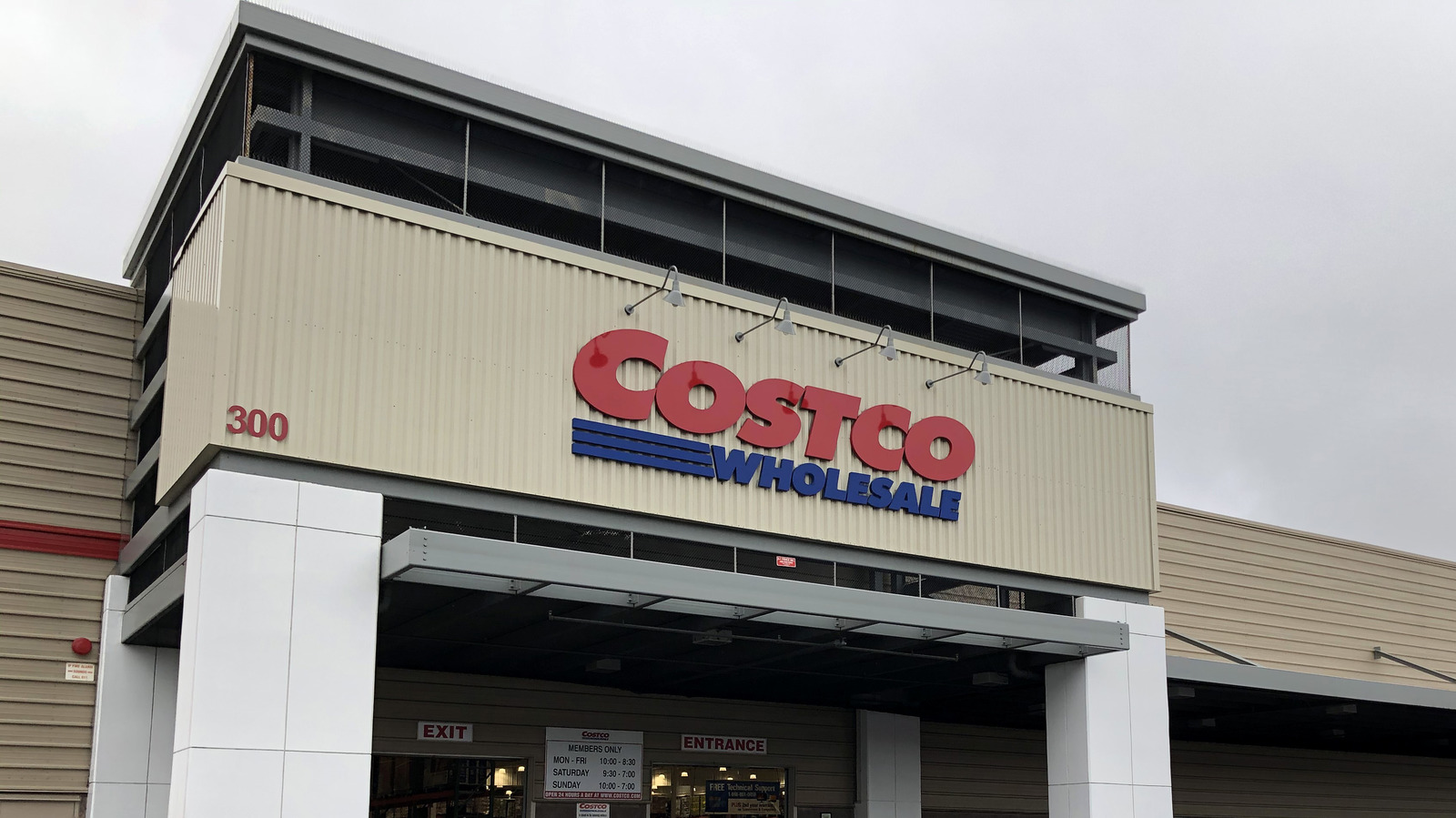
The low employee turnover rate at Costco stands in stark contrast to the retail industry average, leading to a highly experienced and dedicated workforce. This stability and expertise contribute significantly to the consistent quality of service and efficient operations, both of which are intrinsic to the Costco brand promise. Investing in its people reinforces Costco’s identity as a responsible, ethical corporation, which in turn enhances its reputation and strengthens its appeal to a socially conscious consumer base. This internal brand-building translates seamlessly into external brand perception, creating a virtuous cycle where positive employee experiences directly fuel positive customer experiences and reinforce the brand’s integrity.
From Regional Origin to Global Brand Powerhouse
The journey from a single warehouse in Seattle (and its ancestral Price Club) to an international retail giant with hundreds of locations spanning multiple continents is a testament to Costco’s robust brand strategy and its ability to scale while maintaining its core identity.
Strategic Expansion and Market Penetration
Costco’s expansion has been characterized by a blend of aggressive growth and careful market selection. Unlike some retailers that rapidly saturate markets, Costco meticulously researches potential locations, focusing on demographics that align with its membership model and bulk-buying appeal. Its brand strategy for market penetration involves identifying regions with high population density, sufficient disposable income, and a pre-existing appreciation for value and quality. This strategic selectivity ensures that each new warehouse has the highest probability of success, reinforcing the brand’s reputation for smart growth.
Internationally, Costco has demonstrated a remarkable ability to adapt its brand while retaining its core essence. Whether in Canada, Mexico, the UK, Japan, Korea, Australia, or China, the fundamental elements of the Costco brand – the membership model, the curated selection, the treasure hunt, and the commitment to value – remain consistent. However, the specific product offerings are intelligently localized to cater to regional tastes and preferences. This balance between global consistency and local relevance is a hallmark of successful international brand expansion, allowing Costco to resonate with diverse consumer bases without diluting its distinct identity. This careful approach to scaling is fundamental to how the brand has grown exponentially without losing its foundational appeal.
Adapting Without Diluting: The Consistency Challenge
One of the greatest challenges for any brand scaling globally is maintaining consistency without becoming rigid or irrelevant. Costco has mastered this delicate balance. Its brand promise of “quality merchandise at the lowest possible prices” is universally understood and delivered, regardless of geography. The physical layout of its warehouses, the efficiency of its operations, and the ethos of its employee culture are remarkably consistent across its global footprint. This creates a predictable and reliable brand experience for members, fostering a sense of familiarity and trust whether they are shopping in Seattle or Seoul.
Yet, this consistency is not achieved through identical offerings. Instead, Costco’s brand strategy allows for intelligent adaptation. For example, the types of fresh produce, specialty foods, and even clothing items will vary significantly between a store in California and one in Taiwan, reflecting local culinary habits and fashion trends. Similarly, services like optical centers or gas stations might be more prevalent in some regions than others based on local market conditions. This intelligent localization ensures the brand remains relevant and appealing to local tastes, preventing dilution of its core values while embracing cultural nuances. This ability to adapt without compromising its fundamental brand identity is a key driver of its sustained international success.
The Kirkland Signature Phenomenon: Private Label as Brand Amplifier
The Kirkland Signature brand is arguably one of the most successful private labels in retail history, and a powerful amplifier of Costco’s overall brand. Launched in 1995, Kirkland Signature was conceived not as a generic, cheaper alternative, but as a premium house brand designed to meet or exceed the quality of leading national brands, but at a significantly lower price point. This was a bold brand strategy, aiming to build trust directly with the consumer in Costco’s ability to source and produce high-quality goods.
The success of Kirkland Signature lies in its unwavering commitment to quality and transparency. Costco often works directly with top-tier manufacturers that also produce national brands, sometimes even using the exact same facilities. This ensures that a Kirkland Signature product like coffee, olive oil, or batteries is not just “good enough,” but often exemplary. For members, Kirkland Signature has become synonymous with exceptional value and trusted quality, reinforcing the overall Costco brand promise. It deepening member loyalty, as customers learn to trust that anything bearing the Kirkland label will deliver. Moreover, it gives Costco greater control over its supply chain and product innovation, further solidifying its market position and brand reputation. Kirkland Signature isn’t just a product line; it’s a testament to Costco’s brand integrity and a powerful competitive differentiator.
The Enduring Legacy of the First Store’s Spirit
While the first Costco in Seattle (and its ancestral Price Club) are now part of a vast global network, the spirit and principles upon which they were founded continue to anchor the brand’s identity and guide its evolution in a rapidly changing retail landscape.
Anchoring Brand Identity in Founding Principles
The brand identity of Costco is deeply anchored in the founding principles of both Sol Price and the Costco co-founders, James Sinegal and Jeffrey Brotman. These principles revolve around an unwavering commitment to offering exceptional value, maintaining operational efficiency, fostering a positive employee culture, and building lasting relationships with members. Even as Costco has grown into a multinational corporation with billions in revenue, these core tenets remain the blueprint for every strategic decision. The “Costco Way” emphasizes simplicity, transparency, and a relentless focus on the member, rather than short-term profits.
This adherence to foundational values ensures brand consistency across all touchpoints, from the in-store experience to its digital presence. It allows Costco to navigate market fluctuations and competitive pressures by relying on a deeply embedded philosophy that has proven successful for decades. The brand’s integrity, forged in its origins, continues to be its most valuable asset, ensuring that its identity remains distinct and trusted in a crowded retail environment. It’s a powerful example of how a clear and consistent brand identity, rooted in strong foundational principles, can drive sustained success over the long term.
Evolving the Brand Experience for the Modern Consumer
Despite its commitment to traditional values, Costco is not stagnant. Its brand strategy actively embraces evolution to remain relevant for the modern consumer, particularly in the digital age. While the physical “treasure hunt” experience remains central, Costco has significantly invested in enhancing its digital presence and e-commerce capabilities. Its website and app now offer a convenient way for members to browse, purchase, and receive products, extending the brand experience beyond the warehouse walls. This digital integration is crucial for reaching younger demographics and catering to the growing preference for online shopping.
However, Costco carefully balances digital expansion with the enduring allure of its physical stores. The brand understands that its unique in-store experience—the large-scale displays, the diverse product sampling, the sheer volume of goods—is a powerful differentiator that cannot be fully replicated online. Therefore, the digital experience is designed to complement, rather than replace, the physical one, providing convenience for repeat purchases while encouraging visits for discovery. This thoughtful evolution ensures that the Costco brand continues to meet consumer expectations without losing the unique charm and value proposition that defined it from the outset.

Future-Proofing the Warehouse Model
In an increasingly competitive retail landscape, future-proofing its unique warehouse model is a continuous imperative for Costco. This involves leveraging its established brand equity to explore new revenue streams and service offerings while staying true to its core identity. Beyond groceries and general merchandise, Costco has successfully expanded into services like optical, pharmacy, tire centers, and even travel, all under the umbrella of its trusted brand. These ancillary services further enhance member value and reinforce the brand’s position as a comprehensive solution provider for its members’ needs.
Furthermore, Costco continually innovates its product selection and supply chain logistics to maintain its competitive edge. This includes a growing emphasis on sustainable sourcing, organic products, and technology integration to improve efficiency. The brand’s ability to constantly optimize its operations, negotiate favorable deals, and adapt its product mix ensures that the value proposition remains compelling. By staying true to its founding spirit of efficiency and value while strategically adapting to new consumer demands and technological advancements, Costco continues to solidify its future as a dominant and cherished brand in global retail. The journey from that first warehouse in Seattle, and before that, San Diego, serves not just as a historical marker, but as a living blueprint for resilient brand building.
aViewFromTheCave is a participant in the Amazon Services LLC Associates Program, an affiliate advertising program designed to provide a means for sites to earn advertising fees by advertising and linking to Amazon.com. Amazon, the Amazon logo, AmazonSupply, and the AmazonSupply logo are trademarks of Amazon.com, Inc. or its affiliates. As an Amazon Associate we earn affiliate commissions from qualifying purchases.