
Managing your finances effectively is a cornerstone of personal financial health, and that includes understanding how to responsibly manage and pay your credit card bills. For many homeowners and professionals, a Home Depot credit card can be a valuable tool for project financing, purchases, and managing expenses. However, the convenience it offers is only beneficial when coupled with timely and accurate payments. This guide will walk you through the various methods available to pay your Home Depot credit card, offering insights into best practices to ensure your financial well-being.
The Home Depot credit card, typically issued by Citibank Retail Services, provides purchasing power for a wide array of products and services available at the popular home improvement retailer. Whether you hold a consumer card for personal projects, a project loan for larger renovations, or a commercial account for business needs, the principle of timely payment remains paramount. Missing a payment can lead to late fees, increased interest charges, and a negative impact on your credit score, all of which can erode the benefits of having the card in the first place.

This article aims to demystify the payment process, providing clear, actionable steps for each method and offering strategic advice for maintaining a healthy financial relationship with your Home Depot credit card. By understanding your options and adopting sound financial habits, you can leverage your card’s benefits without falling prey to common pitfalls.
Understanding Your Home Depot Credit Card Options
Before diving into payment methods, it’s essential to understand which type of Home Depot credit card you hold, as this can sometimes influence how you interact with your account and the specific benefits or terms associated with it. While the payment process is largely universal across their card offerings, knowing your card type helps in managing your account expectations and understanding your statements.
The Consumer Credit Card
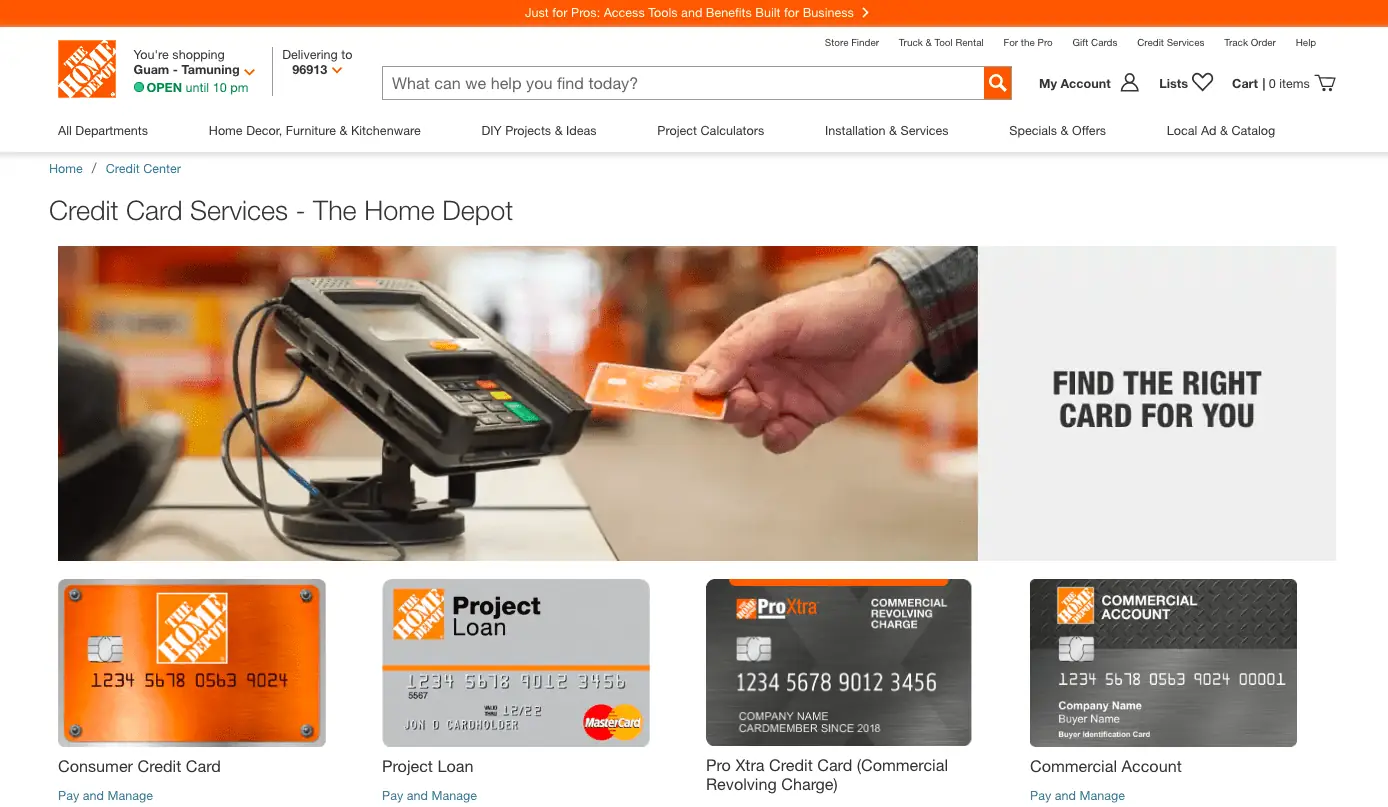
The most common Home Depot credit card is designed for individual consumers tackling home improvement projects, big or small. This card often comes with special financing offers for larger purchases, deferred interest promotions, or exclusive discounts. It’s a revolving credit line, meaning you can carry a balance from month to month, subject to interest charges. Understanding your statement’s minimum payment due, total balance, and due date is crucial for effective management. This card is typically managed through the Citibank Retail Services online portal.
The Project Loan Card
For substantial home renovation or construction projects, the Home Depot Project Loan card offers a different financing structure. Instead of a revolving line of credit, it’s often a fixed-term loan with a specific borrowing limit and repayment schedule. Payments for a Project Loan are generally structured differently than a standard credit card, often with fixed monthly installments. While still issued under the Home Depot banner, its terms are tailored for longer-term, larger-scale financing, making consistent and timely payments even more critical to avoid disrupting project budgets and timelines.
The Commercial Credit Card
Aimed at contractors, businesses, and professionals, the Home Depot Commercial Credit Card comes in a few variants, including a revolving charge card and a commercial account. These cards offer features like purchase tracking, employee cards, and extended payment terms designed to support business operations. The payment responsibility for a commercial card often involves more complex accounting and budgeting, but the methods for making payments remain similar to consumer cards, primarily managed through the Citibank portal. Understanding your statement and reconciling it with business expenses is key for financial accuracy.
Key Details for Payment
Regardless of your card type, several elements on your statement are universally important for payment. Your statement cycle defines the period for which transactions are billed. The due date is the deadline by which your payment must be received to avoid late fees and interest accrual. The minimum payment is the lowest amount you can pay to keep your account in good standing, though paying only the minimum will result in more interest paid over time. Finally, understanding your interest rate and how it applies to any outstanding balance is vital for comprehending the true cost of your purchases. Regularly reviewing these details on your monthly statement empowers you to make informed financial decisions.
Multiple Convenient Ways to Pay Your Bill
Paying your Home Depot credit card bill doesn’t have to be a chore. Thanks to modern financial services, you have several flexible and secure options to ensure your payment reaches its destination on time. Choosing the method that best fits your lifestyle and financial habits is key to consistent payment management.
Online Payment (Recommended Method)
For most users, paying online is the most convenient, fastest, and most recommended method. The online portal, managed by Citibank Retail Services (the issuer of the Home Depot credit card), offers a comprehensive suite of tools for account management.
- Access the Online Portal: Navigate to the official Home Depot credit card website (usually serviced by Citibank Retail Services). You’ll typically find a link to “Manage Your Account” or “Make a Payment.”
- Log In or Register: If you’re a new user, you’ll need to register your account using your credit card number and personal information. Existing users can simply log in with their username and password.
- Link Your Bank Account: Before making a payment, you’ll need to link your checking or savings account. This usually involves providing your bank’s routing number and your account number. This information is securely stored for future payments.
- Make a One-Time Payment: Once logged in and your bank account is linked, select the option to “Make a Payment.” You can choose the amount (minimum, statement balance, or a custom amount) and select the date you wish the payment to be processed. Confirm all details before submitting.
- Set Up Recurring Payments (Auto-Pay): To ensure you never miss a due date, consider setting up automatic payments. You can typically choose to pay the minimum due, the full statement balance, or a fixed amount on a specific date each month. This feature is a powerful tool for maintaining good credit health, but remember to ensure sufficient funds are available in your linked bank account.
Benefits of Online Payment: Speed, instant confirmation, access to payment history, ability to view statements digitally, and the flexibility to schedule payments at your convenience.
Pay by Phone
If online payment isn’t an option or you prefer speaking to a representative, paying by phone is a viable alternative. This method offers a direct way to ensure your payment is processed.
- Locate the Customer Service Number: The dedicated customer service number for your Home Depot credit card (Citibank Retail Services) can typically be found on the back of your physical card, on your monthly statement, or on the official Home Depot credit card website.
- Automated System or Representative: You’ll likely be greeted by an automated system first. Follow the prompts to make a payment. You’ll need your credit card number, your bank account details (routing and account numbers), and possibly your Social Security number for verification. If you prefer, you can usually navigate the prompts to speak with a customer service representative who can assist you directly.
- Confirm Payment Details: Whether automated or with a representative, carefully confirm the payment amount, the date it will be processed, and the bank account from which funds will be drawn. Request a confirmation number for your records.
Considerations: Some card issuers may charge a small fee for making a payment over the phone, especially if you opt for an expedited payment or choose to speak with a representative. Be mindful of operating hours if you need to speak to someone directly.
Pay by Mail
For those who prefer traditional methods or have specific circumstances, paying by mail remains an option. However, it’s crucial to account for mailing time to ensure your payment arrives before the due date.
- Retrieve Payment Address: The correct mailing address for payments will always be listed on your monthly paper statement. It’s typically a PO Box managed by Citibank Retail Services. Do not send payments to a Home Depot store address.
- Prepare Your Payment: Write a check or obtain a money order payable to “Home Depot Credit Card” or “Citibank Retail Services” for the desired payment amount.
- Include Payment Stub: Detach the payment stub provided with your monthly statement and include it with your check. This stub contains essential information (like your account number) that helps the processing center correctly apply your payment.
- Mail Early: Send your payment several business days before your due date. Mail can be delayed, and payments are typically credited on the date they are received, not postmarked. Factor in weekends and holidays.
Drawbacks: This is the slowest method, carries the risk of mail delays or loss, and doesn’t offer immediate confirmation. It also lacks the flexibility of online or phone payments.
Bill Pay through Your Bank
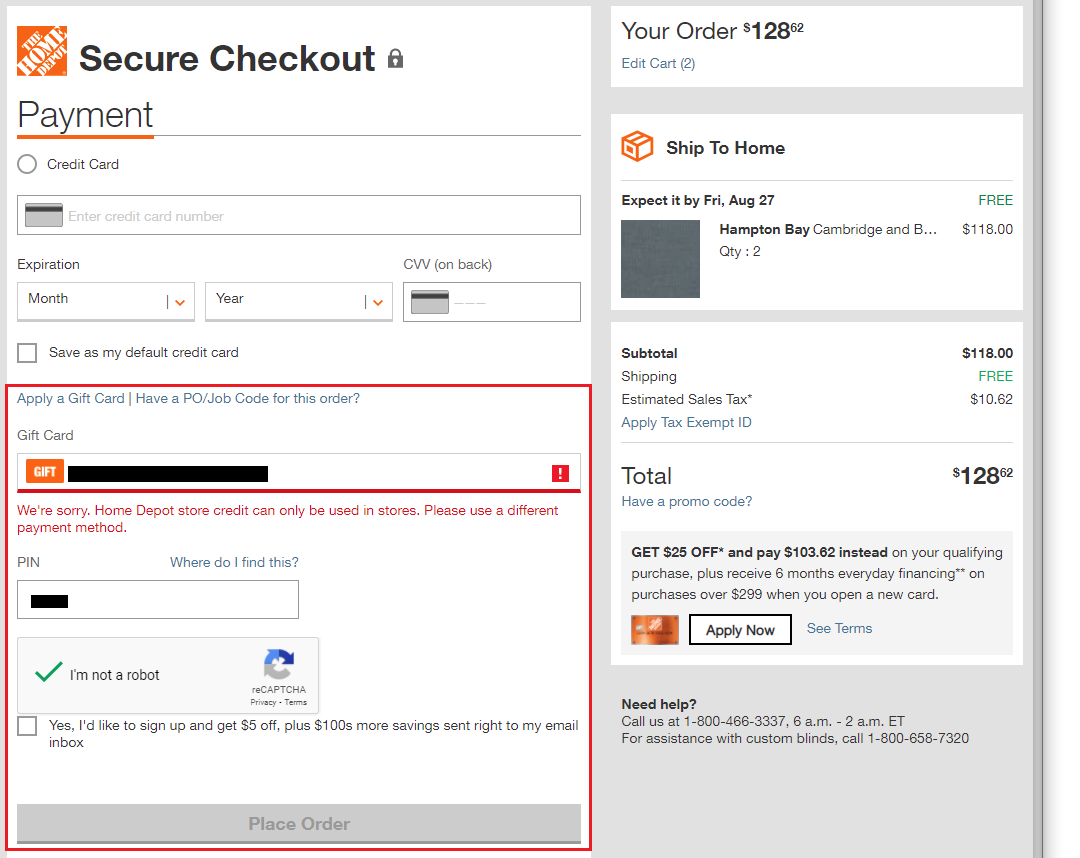
Most banks and credit unions offer an online bill pay service that allows you to manage all your payments from a single platform. This can be a convenient way to integrate your Home Depot credit card payment into your existing financial management system.
- Add Payee: Log in to your bank’s online banking portal. Navigate to the “Bill Pay” section and add a new payee.
- Enter Payee Details: You will typically need to provide the payee name (e.g., “Home Depot Credit Card” or “Citibank Retail Services”), the payment mailing address (from your statement), and your Home Depot credit card account number.
- Schedule Payment: Once the payee is set up, you can schedule one-time or recurring payments directly from your bank account. Your bank will then send the payment (either electronically or via check) to Citibank Retail Services.
Advantages: Centralized management of all your bills. Disadvantages: The processing time can vary, as your bank may send a physical check. Always check your bank’s estimated delivery time to ensure your payment arrives by the due date.
Best Practices for Managing Your Home Depot Credit Card Payments
Effective credit card management extends beyond simply making payments; it involves strategic habits that protect your financial health and maximize the utility of your card. By adopting a few best practices, you can ensure your Home Depot credit card remains an asset, not a liability.
Set Up Auto-Pay
Automating your payments is perhaps the most impactful step you can take to manage your Home Depot credit card responsibly. By setting up auto-pay through the Citibank Retail Services online portal, you eliminate the risk of forgetting a payment, which can lead to late fees and damage to your credit score. You can typically choose to pay the minimum amount due, the full statement balance, or a custom fixed amount. While paying the full statement balance is ideal to avoid interest, even automating the minimum payment ensures your account remains in good standing. Always ensure your linked bank account has sufficient funds to cover the auto-payment.
Pay More Than the Minimum
While paying the minimum keeps your account current, it’s generally not the most cost-effective strategy. Credit card interest rates, especially on store cards, can be relatively high. Paying only the minimum means you’re primarily covering interest charges, and your principal balance reduces very slowly. By paying more than the minimum — ideally, the full statement balance each month — you significantly reduce the amount of interest you pay over time and accelerate your path to becoming debt-free. This strategy not only saves you money but also frees up your credit limit for future needs.
Understand Your Statement
Your monthly statement is a treasure trove of financial information. Don’t just glance at the “amount due” and “due date.” Take the time to understand:
- Transaction Details: Review all purchases to ensure accuracy and identify any unauthorized charges.
- Interest Charges: Understand how much interest you’ve been charged and how it’s calculated.
- Payment History: Verify that your previous payments have been applied correctly.
- Account Summary: Note your credit limit, available credit, and current balance.
- Promotional Offers: Keep an eye on any special financing periods or deferred interest offers, noting their expiration dates. Mismanaging deferred interest can lead to significant retroactive charges.
A thorough understanding of your statement empowers you to identify discrepancies, manage your spending, and make informed payment decisions.
Monitor Your Credit Score
Your Home Depot credit card activity directly impacts your credit score. Timely payments, keeping your credit utilization low (the amount of credit you use compared to your available credit limit), and avoiding new debt contribute positively to your score. Conversely, missed payments, high balances, and frequent new credit applications can harm it. Regularly monitoring your credit score (available through various free services or your bank) allows you to track the impact of your payment habits and identify any potential issues early. A healthy credit score is vital for future borrowing, securing better interest rates, and overall financial stability.
What to Do If You Miss a Payment
Despite best intentions, sometimes a payment might be missed. If this happens, act quickly:
- Pay Immediately: Make the payment as soon as you realize it’s late. The sooner you pay, the less likely it is to incur significant late fees or be reported to credit bureaus.
- Contact Customer Service: Call Citibank Retail Services (the card issuer) immediately. Explain your situation. They may be willing to waive a first-time late fee, especially if you have a good payment history. They can also advise on avoiding further penalties.
- Understand Consequences: Be aware of potential late fees, increased interest rates (penalty APR), and the possibility of a negative mark on your credit report if the payment is more than 30 days past due.
Proactive communication and swift action can mitigate the damage of a missed payment.
The Financial Implications of Timely Payments
Beyond the immediate goal of paying a bill, the consistent and timely management of your Home Depot credit card payments has far-reaching positive implications for your overall financial health. It’s not just about avoiding penalties; it’s about building a strong financial foundation.
Maintaining a Healthy Credit Score
Your credit score is a numerical representation of your creditworthiness, reflecting your ability to manage debt responsibly. Payment history is the single most important factor in calculating your FICO score, accounting for 35% of the total. Every on-time payment you make to your Home Depot credit card contributes positively to this history. A healthy credit score (generally 700 or above) opens doors to better financial products, including lower interest rates on mortgages, car loans, and other credit cards. It can also influence insurance premiums, rental applications, and even employment opportunities, as many employers review credit reports.
Avoiding Late Fees and Penalties
This is perhaps the most obvious benefit. Late fees are a direct financial penalty for missing your due date. These fees can range from $25 to $40 per instance, and they quickly add up, needlessly increasing the cost of your purchases. Furthermore, if a payment is significantly past due (e.g., 60 days), your interest rate might increase to a penalty APR, which is substantially higher than your standard rate. This can make it much harder to pay down your balance, trapping you in a cycle of debt. Timely payments completely eliminate these avoidable costs.
Managing Interest Charges
Credit cards are convenient, but that convenience comes with a cost: interest. If you carry a balance from month to month, interest is applied to that outstanding amount. By paying your full statement balance on time, you typically avoid interest charges altogether, effectively making your purchases interest-free (within your grace period). Even if you can’t pay the full balance, paying as much as you can above the minimum significantly reduces the principal amount subject to interest, saving you money over the long term. Understanding how interest accrues and actively working to minimize it is a core principle of sound personal finance.
Impact on Your Overall Financial Well-being
Responsible management of your Home Depot credit card, and all your credit accounts, contributes to a broader sense of financial well-being. It reduces financial stress by ensuring you’re not constantly worrying about looming due dates or mounting debt. It builds a history of reliability that can be leveraged for future financial goals, whether that’s buying a home, starting a business, or simply having a financial safety net. A well-managed credit portfolio signifies discipline, foresight, and an understanding of financial principles, all of which are invaluable assets in navigating life’s economic landscape.
Conclusion
Paying your Home Depot credit card bill is a straightforward task with multiple convenient options, but it’s also a critical component of your overall financial health. Whether you choose the speed and efficiency of online payments, the directness of a phone call, or the traditional route of mail, the key is consistency and timeliness.
By understanding the different types of Home Depot cards, leveraging online tools like auto-pay, diligently reviewing your statements, and consistently striving to pay more than the minimum, you transform your credit card from a potential burden into a powerful financial tool. These practices not only help you avoid unnecessary fees and interest but also significantly contribute to building and maintaining a strong credit score. In turn, a robust credit score unlocks better financial opportunities and provides greater peace of mind, reinforcing your journey towards lasting financial stability. Choose the payment method that best fits your needs, commit to responsible habits, and empower your financial future.
aViewFromTheCave is a participant in the Amazon Services LLC Associates Program, an affiliate advertising program designed to provide a means for sites to earn advertising fees by advertising and linking to Amazon.com. Amazon, the Amazon logo, AmazonSupply, and the AmazonSupply logo are trademarks of Amazon.com, Inc. or its affiliates. As an Amazon Associate we earn affiliate commissions from qualifying purchases.