
In the landscape of personal finance, managing credit cards is a critical skill. While opening a new card can seem exciting, the decision to close one often comes with more questions and considerations. This guide focuses specifically on how to close your Best Buy credit card, offering a detailed, step-by-step approach rooted in sound financial principles. Whether you’re consolidating debt, simplifying your financial life, or simply no longer shopping at Best Buy, understanding the process and its implications is paramount to maintaining a healthy credit profile.
Best Buy offers two primary credit card options, both issued by Synchrony Bank: the My Best Buy® Visa® Card and the My Best Buy® Credit Card (a store-only card). While the specific benefits differ, the process for closing either account follows a similar financial protocol. This isn’t just a transactional guide; it’s an exploration of the financial nuances involved, designed to equip you with the knowledge to make an informed decision and execute it flawlessly.
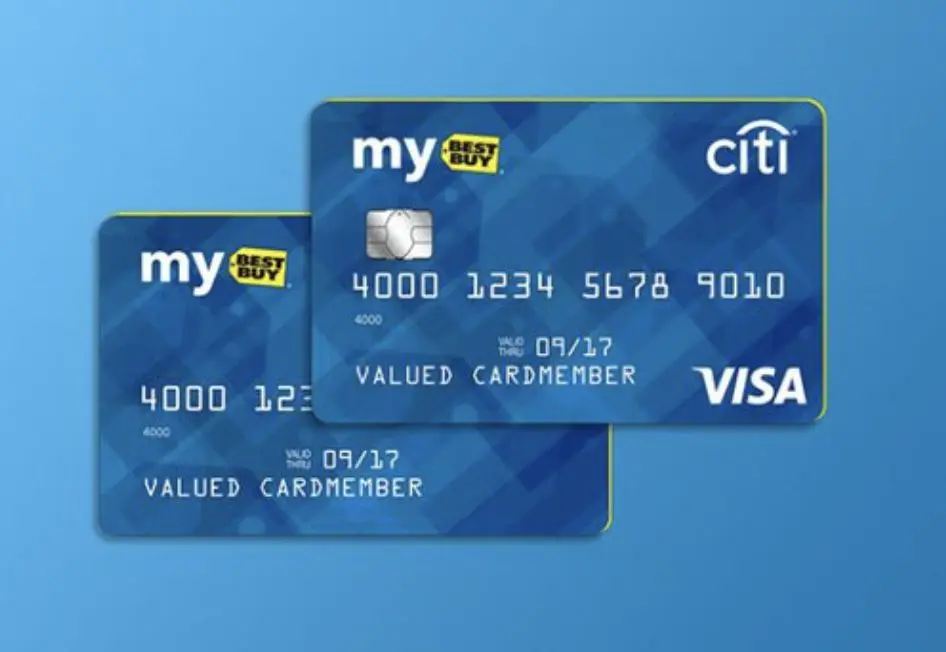
Understanding Your Best Buy Credit Card: Before You Close
Before initiating any steps to close your Best Buy credit card, it’s essential to have a clear understanding of the card itself, your financial standing, and the potential reasons driving your decision. This preparatory phase ensures you approach the closure strategically, mitigating any unforeseen financial drawbacks.
Synchrony Bank’s Role and Card Types
Both Best Buy credit card products are issued and managed by Synchrony Bank. This means that while the branding is Best Buy, the account is held with Synchrony, and they will be your primary point of contact for closure.
- My Best Buy® Credit Card (Store Card): This card can only be used for purchases at Best Buy stores or BestBuy.com. It often comes with specific financing offers on Best Buy purchases and rewards points tied to the My Best Buy program.
- My Best Buy® Visa® Card: This is a general-purpose credit card that can be used anywhere Visa is accepted, in addition to Best Buy. It typically offers stronger rewards earning potential both inside and outside of Best Buy, along with the same special financing options.
The distinction is important because store cards, while having a narrower utility, can sometimes be easier to let go of without a significant impact on your overall credit profile if you have other, more robust credit lines. However, closing any credit card can affect your credit score, regardless of its type.
Why People Consider Closing Store Cards
The decision to close a Best Buy credit card, or any store card, often stems from several common financial motivations:
- No Longer Shopping at Best Buy: If your purchasing habits have shifted, and you no longer frequent Best Buy, holding onto a card that offers no benefit outside the store might seem redundant.
- Simplifying Financial Management: Juggling multiple credit cards can be cumbersome. Consolidating your accounts and reducing the number of cards you manage can streamline your budget and payment schedule.
- High Interest Rates: Store cards often come with higher Annual Percentage Rates (APRs) compared to traditional bank-issued cards. If you carry a balance, the interest charges can accumulate rapidly.
- Debt Consolidation Efforts: As part of a larger strategy to reduce debt, closing accounts you no longer use or that tempt you to spend can be a crucial step.
- Improving Credit Utilization: While counterintuitive, if you have a very low credit limit on a store card and carry a balance, it can negatively impact your credit utilization ratio. Closing it might be part of a broader plan to optimize your credit limits across all cards.
- Lack of Value: If the rewards or financing offers no longer provide significant value to your purchasing habits, the card might become a financial dead weight.
The Importance of a Strategic Approach
Closing a credit card isn’t just about making a phone call; it’s a strategic financial decision. A rushed or ill-informed closure can inadvertently ding your credit score, making future borrowing more expensive or difficult. Therefore, understanding the “why” behind your decision and preparing thoroughly is the first step towards a financially intelligent closure. Consider the potential impact on your credit utilization, average age of accounts, and the total available credit you possess before taking action.
The Step-by-Step Process to Close Your Account
Once you’ve decided that closing your Best Buy credit card is the right financial move, executing the process correctly is crucial. This involves careful preparation, direct communication, and meticulous documentation.
Preparing Your Account for Closure
Before you even think about contacting Synchrony Bank, ensure your account is in perfect order.
- Pay Down Your Balance to Zero: This is the most critical step. You cannot close an account that has an outstanding balance. Pay off every cent, including any pending interest charges or fees. If you have any promotional financing balances, ensure those are also fully paid. Do not make any new purchases once you’ve decided to close the account.
- Redeem All Rewards: If you have a My Best Buy Visa or Store Card, you likely accrue My Best Buy rewards certificates. Before closing, ensure you redeem all available certificates. Once the account is closed, any unredeemed rewards will typically be forfeited. Check your My Best Buy account online or contact Best Buy customer service directly to confirm your reward balance and redemption options.
- Cancel Autopay and Recurring Charges: If you have any subscriptions or recurring payments linked to your Best Buy credit card, update them to a different payment method before closing the card. Forgetting this step can lead to missed payments on those services and potential fees, even after your card is closed.
- Wait for the Final Statement: After paying off your balance, wait for one final statement to ensure no lingering charges or interest have accrued. Verify that the balance is indeed zero on this statement.
Choosing Your Closure Method
Synchrony Bank typically prefers phone calls for account closure requests, as it allows them to confirm your identity and potentially offer retention incentives.
- Phone Call (Recommended): This is generally the most efficient method.
- Find the Right Number: Locate the customer service number on the back of your credit card, on your monthly statement, or on the Synchrony Bank website for Best Buy credit cards. It’s often 1-888-BEST BUY (1-888-237-8289) for general inquiries, but specifically for Synchrony Bank for Best Buy cards, it might be a different number (e.g., 1-888-750-2495 for My Best Buy Visa, or 1-800-410-0610 for My Best Buy Credit Card – always verify the current numbers on Synchrony’s official website).
- Be Prepared: Have your account number, personal identification information, and a clear statement that you wish to close your account.
- Stay Firm: Customer service representatives are often trained to try and retain customers. They might offer incentives like lower interest rates, special promotions, or temporary statement credits. If your decision is firm, politely decline these offers and reiterate your desire to close the account.
- Written Request (Optional, for Documentation): While not always required as the primary closure method, sending a written request via certified mail can serve as excellent documentation.
- Include Key Information: Your full name, account number, address, and a clear statement requesting account closure.
- Mail to Synchrony Bank: Find the correct mailing address for account correspondence on your statement or Synchrony’s website.
- Keep Records: Keep a copy of the letter and the certified mail receipt.
What to Expect During the Call
When you call Synchrony Bank to close your Best Buy credit card, be prepared for a specific conversation flow:
- Identity Verification: The representative will ask several questions to confirm your identity.
- Reason for Closure: They will inquire about why you wish to close the account. You don’t need to provide an elaborate explanation; a simple “I no longer need the card” or “I am simplifying my finances” is sufficient.
- Retention Offers: Expect to be offered incentives to keep the card open. These might include balance transfer offers, special financing, or points bonuses. If you’re resolute in your decision, politely decline.
- Confirmation of Zero Balance: The representative will verify that your balance is zero. If there’s any discrepancy, address it immediately.
- Verbal Confirmation of Closure: Ensure you receive clear, verbal confirmation that the account will be closed.
- Request Written Confirmation: Ask if a written confirmation of closure can be mailed to you. This is crucial for your records.
The Importance of Documentation

Maintain meticulous records throughout this process.
- Date and Time of Call: Note the exact date and time you called.
- Representative’s Name/ID: Record the name or ID number of the representative you spoke with.
- Confirmation Number: If provided, note any closure confirmation number.
- Written Confirmation: Keep the written confirmation letter from Synchrony Bank once it arrives.
- Credit Report Check: After a few weeks (typically 30-60 days), check your credit report to ensure the account is reported as “closed by consumer” or “closed at consumer’s request” with a zero balance.
Navigating the Financial Implications of Closure
Closing a credit card, even a store card like Best Buy’s, has financial repercussions that extend beyond just stopping future purchases. The primary impact is on your credit score, which is a vital component of your overall financial health.
Impact on Your Credit Score
Your FICO and VantageScore credit scores are determined by several factors, and closing a credit card can affect a few of them:
- Length of Credit History (15% of FICO Score): When you close an older account, it doesn’t immediately disappear from your credit report. It typically remains on your report for up to 10 years and continues to contribute to your average age of accounts during that time. However, eventually, it will fall off, which can reduce the average age of your active accounts if it was one of your oldest. A longer credit history is generally better for your score. If your Best Buy card is one of your oldest accounts, consider this impact carefully.
- Credit Utilization (30% of FICO Score): This is the ratio of your total credit used to your total available credit. Closing a credit card reduces your total available credit. If you have balances on other cards, reducing your overall available credit can suddenly increase your utilization ratio, which can negatively impact your score. For example, if you have $10,000 in available credit across three cards and use $2,000 (20% utilization), closing a card with a $3,000 limit would drop your total available credit to $7,000. If you still use $2,000, your utilization jumps to almost 29%, which is a less favorable ratio.
- Total Number of Accounts (Less Direct Impact): Having too many open accounts can sometimes be seen as a risk, but the impact of closing one is usually minor compared to utilization and history.
Considerations: If your Best Buy card has a very low credit limit, closing it might not significantly impact your overall available credit. If it’s your oldest credit account, the impact on your average age of accounts might be more pronounced in the long term. A general rule of thumb is to avoid closing your oldest credit cards if possible, especially if you have high balances on other cards.
Understanding Your Credit Report Post-Closure
After closing your account, it’s crucial to monitor your credit report.
- Verification: Ensure that the account is reported as “closed” with a zero balance. This confirms that Synchrony Bank has accurately processed your request.
- Closed by Consumer: Ideally, the report should state “closed by consumer” or “closed at consumer’s request.” This distinguishes it from an account closed by the issuer, which can be viewed less favorably.
- Dispute Errors: If you find any discrepancies, such as an outstanding balance or an incorrect closure status, dispute it immediately with both Synchrony Bank and the credit bureaus (Experian, Equifax, TransUnion).
Avoiding Future Debt and Managing Your Finances Proactively
Closing a credit card is often a step towards better financial health. Take this opportunity to reinforce good habits:
- Budgeting: Create or refine a personal budget to track your income and expenses. This helps prevent reliance on credit cards for everyday spending.
- Emergency Fund: Build a robust emergency fund to cover unexpected expenses, reducing the temptation to open new credit lines.
- Responsible Credit Use: If you maintain other credit cards, commit to using them responsibly, paying balances in full each month, and avoiding unnecessary debt.
- Financial Goals: Revisit your short-term and long-term financial goals. Closing a card can be a part of a larger strategy to save for a home, retirement, or educational expenses.
Best Practices for Credit Card Management Post-Closure
Closing your Best Buy credit card isn’t the end of your credit management journey; rather, it’s a pivot point. The period following closure is an opportune time to reassess your overall financial strategy and solidify practices that will foster long-term credit health.
Monitoring Your Credit Report
Regularly monitoring your credit report is not just a good practice, it’s an essential one. After closing your Best Buy card, you should make a point to check all three major credit reports (Experian, Equifax, and TransUnion) within 30-60 days to ensure the closure has been accurately reflected.
- Annual Free Reports: Remember, you are entitled to one free credit report from each of the three major bureaus annually via AnnualCreditReport.com. Staggering these requests throughout the year (e.g., Experian in January, Equifax in May, TransUnion in September) allows for consistent monitoring.
- Verify Accuracy: Confirm that the Best Buy credit card account now shows a “closed” status, with a “zero” balance, and ideally, “closed at consumer’s request.”
- Identify Discrepancies: Should you find any lingering balance, an incorrect closure status (e.g., “closed by issuer”), or any unauthorized activity, immediately contact both Synchrony Bank and the relevant credit bureau to dispute the error. Timely action is key to preventing potential damage to your credit score.
Building a Stronger Credit Profile
Closing one credit card can be an opportunity to strategically rebuild or enhance your credit profile. This involves thoughtful management of your remaining credit accounts and continuous responsible financial behavior.
- Optimize Existing Credit: Focus on maintaining low utilization on your remaining credit cards. Aim to keep your total credit utilization ratio below 30%, with lower being better for prime scores. Pay down high-interest balances aggressively.
- Maintain Timely Payments: Payment history is the most significant factor in your credit score. Ensure all your credit accounts, loans, and bills are paid on time, every time. Set up automatic payments or reminders to avoid missed due dates.
- Diversify Your Credit Mix: A healthy credit profile often includes a mix of credit types, such as revolving credit (credit cards) and installment credit (mortgages, auto loans, personal loans). If appropriate for your financial situation, consider opening a different type of credit account if your current mix is too narrow. However, only do this if you genuinely need the credit and can manage it responsibly, as opening new accounts temporarily lowers your average age of accounts.
- Avoid Unnecessary New Credit: While diversifying can be good, avoid opening new credit accounts purely for the sake of it, especially shortly after closing another. Each new application can result in a hard inquiry on your credit report, which can slightly lower your score for a short period. Only apply for credit when genuinely needed.

When to Consider Other Financial Products
The decision to close your Best Buy credit card might highlight a broader need for different financial products that better align with your current lifestyle and financial goals.
- Rewards Cards: If you still desire a credit card that offers rewards but provides more flexibility than a store card, explore general-purpose rewards credit cards (e.g., cash back, travel points) from major issuers. Choose one that aligns with your spending habits.
- Low-Interest Cards: If your primary concern with the Best Buy card was its high APR, consider a credit card with a lower ongoing interest rate, especially if you anticipate needing to carry a balance occasionally.
- Secured Credit Cards: For those looking to rebuild severely damaged credit, a secured credit card can be an excellent stepping stone. You provide a deposit, which often becomes your credit limit, helping you establish a positive payment history.
- Debt Consolidation Loans: If closing the Best Buy card is part of a larger debt reduction strategy, a personal loan for debt consolidation might be a viable option to roll multiple high-interest debts into a single, lower-interest payment.
- Budgeting Tools and Apps: Beyond credit cards, explore various financial tools and apps that can help you manage your budget, track spending, and save money effectively. Many offer robust features for categorizing expenses, setting financial goals, and monitoring your net worth.
Closing your Best Buy credit card is a manageable financial task when approached with diligence and understanding. By preparing thoroughly, following the correct procedure, and being mindful of the financial implications, you can ensure a smooth transition and emerge with a stronger, more intentionally managed financial life. Remember, every financial decision, big or small, contributes to your overall financial well-being, and taking control of your credit is a powerful step in that journey.
aViewFromTheCave is a participant in the Amazon Services LLC Associates Program, an affiliate advertising program designed to provide a means for sites to earn advertising fees by advertising and linking to Amazon.com. Amazon, the Amazon logo, AmazonSupply, and the AmazonSupply logo are trademarks of Amazon.com, Inc. or its affiliates. As an Amazon Associate we earn affiliate commissions from qualifying purchases.