
In an era increasingly dominated by streaming services and high-definition home entertainment systems, the cinematic experience faces the perennial challenge of proving its unique value. Movie theaters continually innovate, pushing the boundaries of technology to offer something truly exceptional that cannot be replicated in a living room. Among these innovations, “XD Cinema” has emerged as a prominent player, often presented as a premium, technologically advanced format designed to deliver an unparalleled immersive viewing experience. But what exactly is XD Cinema, and what technological marvels lie beneath its impressive moniker? This article delves into the technical fabric of XD Cinema, situating it within the broader landscape of cinematic innovation and exploring the technologies that make it a compelling choice for moviegoers seeking an elevated theatrical adventure.
The Evolution of Cinematic Immersion: A Journey Through Technology
The history of cinema is fundamentally a history of technological advancement. From its nascent stages, filmmakers and exhibitors have continuously sought to enhance the sensory engagement of the audience, striving to transport them from their seats into the heart of the story. XD Cinema stands as a contemporary testament to this enduring quest.
From Monochromatic Silents to Digital Spectacles
The journey began with silent films, where the magic lay in moving images alone. The introduction of synchronized sound in the late 1920s revolutionized the medium, adding a crucial auditory dimension. Color films further enriched the visual palette, followed by widescreen formats like Cinemascope in the 1950s, which aimed to create a more expansive and encompassing visual field. Each step was a technological leap, requiring new cameras, projectors, and exhibition standards.
The transition from analog film projection to digital cinema in the early 21st century marked perhaps the most significant paradigm shift. Digital projection offered pristine image quality, consistency, and unparalleled flexibility, paving the way for advanced formats. This digital revolution laid the groundwork for the modern era of premium cinema experiences, including XD.
The Quest for Sensory Overload
Beyond merely showing a film, the goal of premium cinema has always been to envelop the viewer, engaging as many senses as possible to create a heightened sense of presence. Early attempts at “smell-o-vision” or vibrating seats in the mid-20th century were often gimmicky, but they highlighted a persistent desire to break through the conventional two-dimensional screen.
Today, this quest for sensory immersion is far more sophisticated, leveraging cutting-edge digital technologies to meticulously control visual and auditory stimuli. The aim is not just to see and hear, but to feel the film in a way that transcends passive viewing, transforming it into an active, visceral experience. This philosophy is central to what XD Cinema strives to achieve.
The Rise of Premium Large Formats (PLFs)
Before delving into XD Cinema specifically, it’s crucial to understand the broader context of Premium Large Form Formats (PLFs). PLFs are essentially auditoriums distinguished by their larger screens, enhanced projection, and superior sound systems compared to standard theaters. IMAX is arguably the most recognizable and longest-standing PLF, renowned for its massive screens and proprietary projection and sound technologies. Other notable PLFs include Dolby Cinema, known for its Dolby Vision HDR projection and Dolby Atmos immersive audio, and various proprietary offerings by cinema chains themselves.
XD Cinema, as offered by chains like Cinemark (where XD stands for “Extreme Digital”), falls into this category of proprietary PLFs. It represents a specific exhibitor’s commitment to delivering a premium experience designed to compete with or complement other high-end formats, leveraging a suite of advanced technologies that define its unique offering.
Decoding XD Cinema: Technology at Its Core
At its heart, XD Cinema is a technological package designed to elevate every aspect of the movie-watching experience. While the specific components can vary slightly between different cinema chains that offer an “XD” branded experience, the fundamental principles revolve around superior projection, advanced audio, and an optimized viewing environment.
What “XD” Truly Stands For
Unlike globally standardized formats such as IMAX or Dolby Cinema, “XD” is often a proprietary designation used by specific cinema exhibitors to brand their own premium auditoriums. For instance, Cinemark’s XD stands for “Extreme Digital” and signifies their top-tier, custom-designed PLF. This means there isn’t one universal technical specification for all “XD” cinemas across the world. However, the common thread is a commitment to a significantly enhanced digital cinema experience that surpasses standard auditoriums in key technological metrics.
Generally, an XD auditorium implies a combination of:
- Largest Screens: The biggest screens within that specific cinema multiplex.
- State-of-the-Art Digital Projection: Often featuring 4K resolution, dual projectors, and potentially laser illumination for superior brightness and contrast.
- Immersive Audio Systems: Advanced object-based or multi-channel surround sound that goes beyond traditional 5.1 or 7.1 setups.
- Enhanced Seating and Acoustics: Designed for optimal comfort and sound delivery.
High-Definition Projection Systems
The visual cornerstone of any XD Cinema is its projection system. Standard digital cinema projectors typically operate at 2K resolution. XD auditoriums, however, almost universally boast 4K resolution projection. This translates to a staggering 8.8 million pixels (3840 x 2160) on screen, offering four times the detail of a 2K image. This increased pixel density ensures greater sharpness, finer detail, and a more lifelike image, especially noticeable on the large screens characteristic of XD.
Furthermore, many XD systems employ dual-projector setups or laser projection technology. Dual projectors provide increased brightness, which is crucial for maintaining vibrant images on very large screens, and can also enhance 3D presentations by delivering a brighter image to each eye. Laser projection, on the other hand, offers unparalleled brightness, superior contrast ratios (the difference between the darkest darks and brightest whites), and a wider color gamut (more vibrant and accurate colors) compared to traditional xenon lamp projectors. The result is a stunningly clear, bright, and colorful picture that draws the viewer deeper into the cinematic world.
Advanced Audio Technologies
Sound is arguably half of the cinematic experience, and XD Cinema invests heavily in advanced audio technologies to deliver a truly immersive soundscape. While specific implementations can vary, the goal is always to move beyond traditional channel-based surround sound (like 5.1 or 7.1) towards a more three-dimensional, object-based audio experience.
Commonly, XD auditoriums feature immersive sound formats such as Dolby Atmos or DTS:X, or proprietary systems that emulate their capabilities. These technologies allow sound designers to place and move individual sound “objects” anywhere within a three-dimensional space, including overhead. This is achieved through a significantly increased number of speakers strategically placed around the auditorium walls and ceiling. Instead of sound being mixed to specific channels (e.g., left front, right rear), it is mixed as discrete objects that can be rendered dynamically by the system to the available speakers, creating a more realistic and enveloping auditory environment. Explosions can boom from above, whispers can emanate from a specific corner, and rain can sound like it’s truly falling around you.
Optimized Viewing Environments
Beyond the core projection and sound systems, XD Cinema auditoriums are meticulously designed to optimize the overall viewing environment. This includes:
- Larger, Wall-to-Wall Screens: These screens typically span from floor to ceiling and wall to wall, filling the viewer’s peripheral vision and minimizing distractions from the surrounding room.
- Stadium Seating: All seats are elevated and tiered, ensuring an unobstructed view of the screen for every patron, regardless of where they sit or who is in front of them.
- Enhanced Seating Comfort: Premium, often wider, seats with ample legroom are standard, sometimes including recliners, to ensure comfort during longer films.
- Acoustic Design: The auditorium itself is engineered with specific acoustic treatments to minimize reverberation, prevent sound bleed, and ensure that the advanced audio system performs optimally, delivering crisp dialogue and impactful effects.
The Technological Components Behind the XD Experience
To fully appreciate the “Extreme Digital” experience of XD Cinema, it’s beneficial to delve a little deeper into the specific hardware and software components that power its immersive capabilities.

Visual Prowess: Projectors and Screens
The heart of XD’s visual impact lies in its sophisticated projection and screen technologies.
- Projector Technology: As mentioned, 4K resolution is a baseline. Many XD systems deploy high-lumen digital projectors, often from manufacturers like Barco, Christie, or NEC. These projectors are capable of outputting tens of thousands of lumens, ensuring incredible brightness even on very large screens. When dual projectors are used, their outputs are meticulously aligned and calibrated to create a single, seamless, and super-bright image. Laser projection, specifically RGB laser projection, is increasingly being adopted. Unlike older xenon lamp projectors, RGB lasers can produce a much wider spectrum of colors (Rec. 2020 color space), leading to incredibly vibrant and accurate hues, along with a significantly higher contrast ratio, making blacks deeper and whites brighter.
- Screen Materials: The screen itself is not just a white canvas. XD screens are often made from specialized materials with high gain (reflectivity) to maximize the perceived brightness and uniformity across the entire viewing surface. For 3D presentations, specific silver screens are used to preserve polarized light, essential for creating the stereoscopic effect. The sheer size, often over 70 feet wide, is engineered to fill the viewer’s field of vision, eliminating distractions and creating a truly expansive vista.
Aural Mastery: Sound Systems and Acoustics
The audio experience in an XD auditorium is a complex interplay of cutting-edge sound processing, powerful amplification, and precise speaker placement.
- Object-Based Audio Processors: Systems like the Dolby Atmos CP950 or Datasat AP25 are central. These processors take the object-based audio metadata from the film’s soundtrack and dynamically render it to the specific speaker configuration of the XD auditorium. This allows for unparalleled precision in sound placement and movement.
- Enhanced Speaker Arrays: An XD auditorium will feature a significantly higher number of speakers than a standard theater. Beyond the traditional front, side, and rear surrounds, there are often multiple rows of side and rear surround speakers, and critically, numerous overhead speakers mounted on the ceiling. These overhead speakers are key to creating the vertical dimension of object-based audio. Each speaker, or group of speakers, is powered by dedicated amplifiers, ensuring clear, distortion-free sound even at high volumes.
- Room Calibration: A crucial technological aspect is the precise calibration of the entire sound system. Technicians use specialized microphones and software to measure the acoustic response of the auditorium and adjust the level, delay, and equalization of each speaker. This ensures that the sound is balanced, clear, and impactful in every seat, compensating for the unique acoustic properties of the room.
The User Experience: Why Choose XD?
With so much technology packed into an XD auditorium, the ultimate question for the moviegoer is: what does it mean for my experience? The answer lies in the profound difference these integrated technologies make to cinematic immersion.
Unparalleled Immersion
The combination of a massive, crystal-clear screen and a dynamic, three-dimensional soundscape creates an unparalleled sense of immersion. The film no longer feels like a window to another world; it feels like you are within that world. The sheer scale and detail of the visuals, paired with sound that originates from every direction, including above, trick the senses into believing the environment is real. This visceral connection makes the emotional impact of the story far more potent.
Enhanced Detail and Clarity
The 4K resolution and high contrast ratios of XD projection ensure that every intricate detail intended by the filmmakers is visible. From the subtle textures on a character’s costume to the vast expanses of a meticulously crafted CGI landscape, everything appears sharper, clearer, and more defined. This level of visual fidelity allows for a deeper appreciation of the artistry and technical prowess involved in filmmaking.
A Dynamic Soundscape
Traditional surround sound can be impressive, but object-based audio in XD Cinema takes it a step further. The ability to place sounds precisely in space means that a helicopter flying overhead genuinely sounds like it’s passing directly above you, or a character’s footsteps behind you feel startlingly real. This dynamic soundscape doesn’t just fill the room; it enhances narrative tension, heightens dramatic moments, and makes action sequences more thrilling.
Distinguishing XD from Other Premium Formats (PLFs)
It’s important to differentiate XD Cinema from other premium formats like IMAX and Dolby Cinema. While all aim for a superior experience, they achieve it through slightly different proprietary technologies and branding.
- IMAX: Known for its extremely large, often curved screens, proprietary film formats (historically 70mm, now also digital laser), and specific sound systems.
- Dolby Cinema: Emphasizes Dolby Vision HDR projection (renowned for incredible contrast and brightness) and Dolby Atmos immersive audio, often in auditoriums with very dark, non-reflective interiors.
- XD Cinema (e.g., Cinemark XD): Represents a specific cinema chain’s commitment to outfitting its largest auditoriums with a robust package of 4K/laser projection, immersive object-based audio (often Dolby Atmos), and optimized viewing environments. It’s their unique take on a premium large format, designed to be competitive and provide a step up from their standard auditoriums.
Choosing XD means opting for a theater chain’s most technologically advanced offering, ensuring a top-tier experience often at a slightly lower price point than some other branded PLFs, while still delivering significant improvements over standard auditoriums.
The Future of XD and Cinematic Technology
The landscape of cinematic technology is in constant flux, and XD Cinema, like all premium formats, must continue to evolve to stay relevant and exciting.
Continuous Innovation in Projection and Sound
The relentless pursuit of perfection in visual and auditory fidelity will continue. We can anticipate even higher resolutions beyond 4K, brighter and more energy-efficient laser projection systems, and advancements in HDR (High Dynamic Range) capabilities that bring unprecedented realism to the screen. On the audio front, advancements in spatial audio algorithms and even more sophisticated speaker designs could further blur the line between recorded sound and reality, potentially incorporating haptic feedback more widely into seating.
The Role of AI in Cinematic Presentation
Artificial intelligence is poised to play an increasing role behind the scenes. AI algorithms could optimize projection calibration in real-time, adjust audio levels dynamically based on audience acoustics, or even personalize aspects of the experience (though this raises privacy concerns). Predictive maintenance powered by AI could minimize downtime and ensure systems are always performing at peak efficiency.
The Blurring Lines: Cinema, VR, and AR
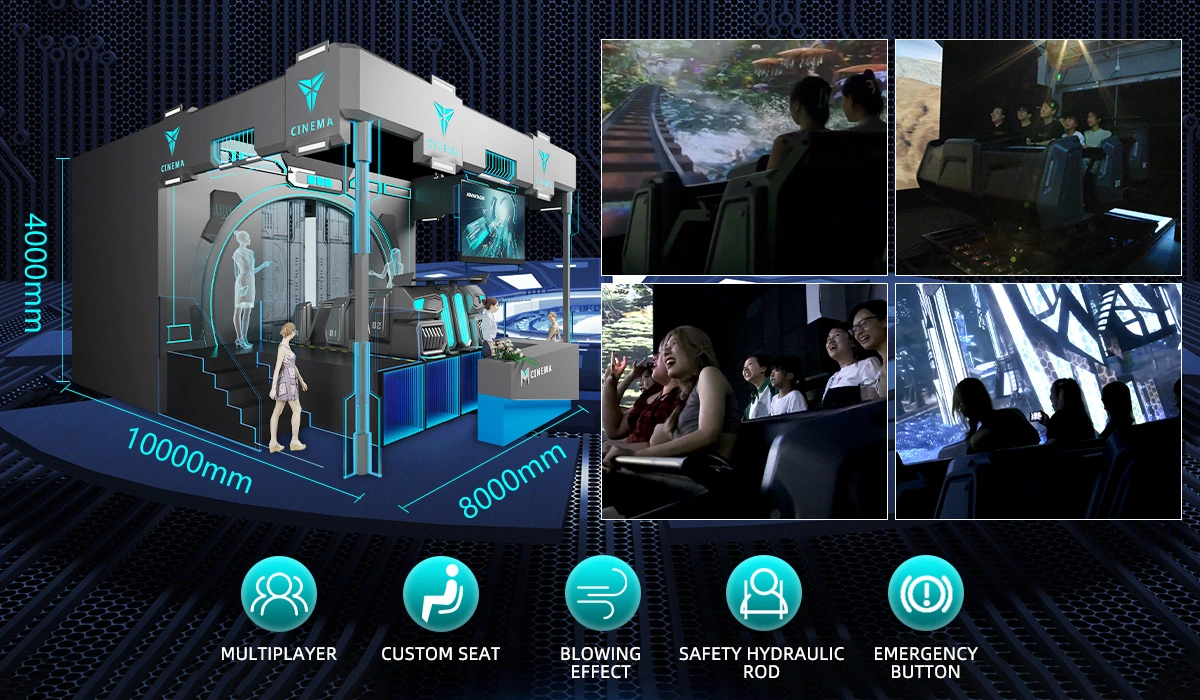
While XD Cinema focuses on a communal, shared experience, the technological advancements driving VR (Virtual Reality) and AR (Augmented Reality) could influence future cinematic formats. While true VR cinema is fundamentally an individual experience, elements of AR could enhance pre-show experiences or interactive elements within certain films, though the core focus of XD will likely remain on enhancing the traditional communal theatrical presentation. Dedicated “4D” or “5D” cinemas already exist, incorporating motion seats, wind, and scents, and while XD typically focuses on sight and sound, the underlying technological frameworks could potentially integrate such elements more seamlessly in the future for specific content.
Sustainability in High-Tech Cinema
As technology advances, so does the awareness of environmental impact. Future innovations in XD Cinema will likely emphasize energy efficiency for powerful projectors and sound systems, sustainable materials for auditorium construction, and more eco-friendly operational practices.

Conclusion
XD Cinema represents a significant leap forward in the theatrical experience, meticulously engineered to engage audiences with unparalleled visual and auditory immersion. By combining high-resolution 4K or laser projection, advanced object-based audio systems, and optimized viewing environments, it transforms a simple movie outing into an extraordinary event. As technology continues its relentless march, XD Cinema stands as a testament to the enduring power of the big screen, constantly innovating to ensure that the magic of the movies remains vibrant, compelling, and utterly unforgettable in an increasingly competitive entertainment landscape. It’s more than just a cinema; it’s a carefully crafted technological spectacle designed to push the boundaries of cinematic storytelling.
aViewFromTheCave is a participant in the Amazon Services LLC Associates Program, an affiliate advertising program designed to provide a means for sites to earn advertising fees by advertising and linking to Amazon.com. Amazon, the Amazon logo, AmazonSupply, and the AmazonSupply logo are trademarks of Amazon.com, Inc. or its affiliates. As an Amazon Associate we earn affiliate commissions from qualifying purchases.