
In an increasingly interconnected world, the concept of financial support has evolved beyond traditional bank transfers and physical checks. Digital payment platforms like Cash App have revolutionized how individuals send, receive, and manage money, making it incredibly convenient to “sponsor” or financially support someone. Whether you’re sending a thoughtful gift, contributing to a friend’s endeavor, supporting a burgeoning content creator, or simply helping out a family member in need, understanding how to leverage Cash App for these purposes is a critical skill in modern personal finance.
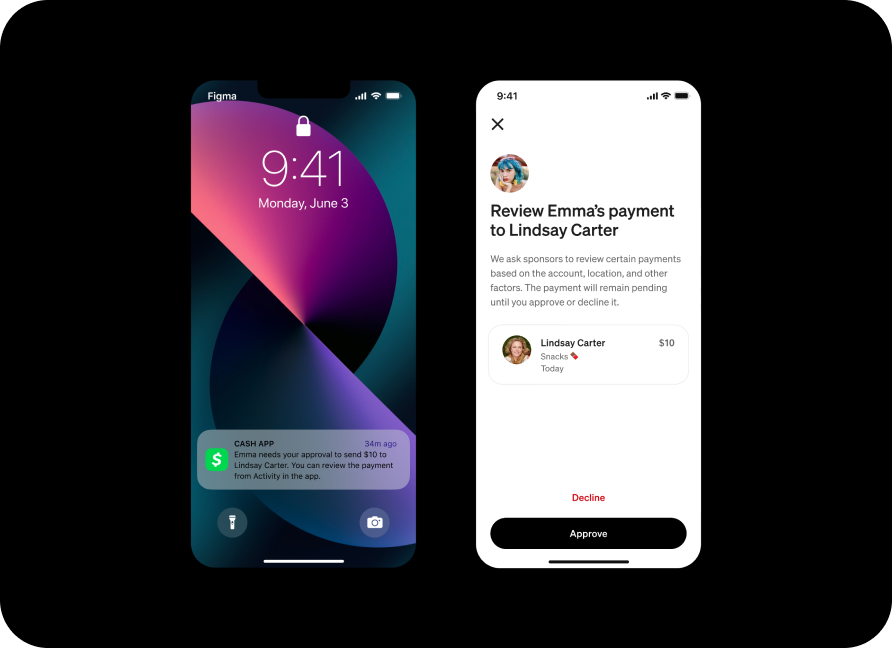
This guide will navigate the practicalities, financial considerations, and broader implications of using Cash App for digital sponsorship. It’s not just about clicking a button; it’s about making informed financial decisions, ensuring security, and understanding the financial tool at your disposal to foster connections and support communities in the digital age.
Understanding “Sponsorship” in the Cash App Context
The term “sponsorship” can conjure images of large corporations backing major events or athletes. However, in the context of personal finance and digital platforms like Cash App, it takes on a much more democratic and accessible meaning. It refers to any voluntary financial contribution made to an individual, often without a direct expectation of return, purely out of support, appreciation, or generosity.
More Than Just a Transaction: Types of Digital Sponsorship
On Cash App, “sponsoring” someone can encompass a wide array of financial interactions, each carrying its own weight in personal finance and the broader online economy:
- Personal Gifting: This is perhaps the most common form. Sending money for birthdays, holidays, graduations, or just as a gesture of kindness. From a personal finance perspective, this falls under discretionary spending or a dedicated “gifting” budget line item.
- Mutual Aid and Community Support: In times of crisis or for ongoing support, individuals use Cash App to contribute to crowdfunding efforts for medical bills, housing assistance, or other urgent needs within their social circles. This highlights Cash App’s role as a vital financial tool for immediate, direct aid, often bypassing more formal charitable structures.
- Supporting Content Creators and Freelancers: The rise of the gig economy and creator economy has made direct financial support crucial. Artists, musicians, streamers, writers, and small business owners often use Cash App as a tip jar or a direct payment method for services. For the sponsor, this is an investment in content or services they value, often fitting into a personal entertainment or professional development budget. For the recipient, it’s a critical source of online income.
- Reimbursements and Cost-Sharing: While not strictly “sponsorship,” Cash App is frequently used to quickly settle debts among friends, split bills, or reimburse someone for an expense. These are fundamental personal finance transactions that benefit from the app’s speed and convenience.
Each of these scenarios underscores Cash App’s utility as a flexible financial instrument. For the sender, it represents a conscious allocation of personal funds. For the receiver, it can be a lifesaver, a source of income, or a convenient way to manage shared expenses.
Why Cash App is a Preferred Tool for Digital Gifting and Support
Cash App’s popularity as a financial tool for sponsorship and direct payments stems from several key features that align perfectly with modern financial needs:
- Ease of Use: The app boasts a clean, intuitive interface, making it straightforward for almost anyone to send and receive money. This low barrier to entry encourages widespread adoption, enhancing its utility as a peer-to-peer financial network.
- Instant Transfers: Unlike traditional bank transfers that can take days, Cash App payments are typically instant, allowing for immediate financial relief or gratification. This speed is invaluable in urgent situations or for spontaneous acts of generosity.
- Widespread Adoption: With millions of users, the likelihood that your intended recipient already uses Cash App is high. This network effect makes it a go-to platform, reducing the friction of finding a mutually compatible payment method.
- No Fees for Standard Transfers: Sending money from your linked bank account or Cash App balance is generally free, which makes it an attractive option compared to some other platforms that charge fees for personal transfers. (Note: Instant deposits to a bank account from Cash App may incur a small fee, which is a key financial detail for recipients.)
- Integration with Everyday Spending: The optional Cash Card (a customizable debit card) allows users to spend their Cash App balance directly, further integrating the platform into daily personal finance management for recipients.
These advantages collectively position Cash App as an efficient and accessible financial tool, fostering a culture of instant digital support and making various forms of sponsorship more feasible for the average individual.
Practical Steps to Sponsoring Someone Via Cash App
Leveraging Cash App for financial support is straightforward, but understanding the precise steps ensures your funds reach the intended recipient securely and efficiently. This section outlines the practical aspects of initiating a sponsorship payment.
Setting Up Your Cash App for Seamless Transfers
Before you can sponsor someone, ensure your Cash App account is fully functional and secure. This foundational step is crucial for responsible personal finance.
- Download and Create an Account: If you haven’t already, download Cash App from your device’s app store. Follow the prompts to create an account using your phone number or email address.
- Link a Funding Source: To send money, you’ll need to link a debit card or bank account.
- Tap the “Banking” tab (the house icon) on the bottom left.
- Tap “Link Bank” and follow the instructions to securely connect your bank account.
- Alternatively, you can link a debit card directly from the “Linked Banks” section.
- Financial Insight: Linking a debit card allows for quick transfers, while linking a bank account offers more flexibility for larger sums, though direct bank transfers can sometimes take longer to process initially depending on verification.
- Verify Your Identity (for Higher Limits): For larger transactions or to access all features, Cash App may require identity verification (e.g., your full name, date of birth, and the last four digits of your Social Security Number). This is a standard financial security measure to comply with regulations and protect users. It also increases your sending and receiving limits.
Initiating a Sponsorship Payment: A Step-by-Step Guide
Once your account is set up, sending money to sponsor someone is quick and easy:
- Open Cash App: Launch the application on your smartphone.
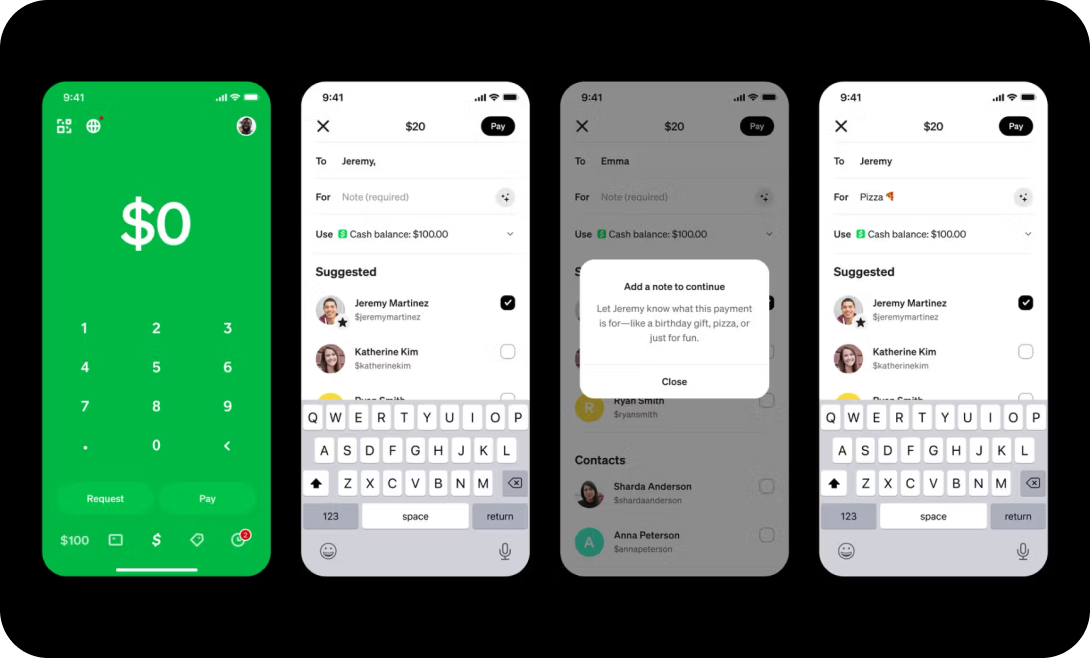
- Enter the Amount: On the main screen, enter the dollar amount you wish to send.
- Tap “Pay”: After entering the amount, tap the “Pay” button (often represented by an arrow or a dollar sign within a circle).
- Enter Recipient Details: You’ll be prompted to enter the recipient’s
$Cashtag(their unique Cash App username), phone number, or email address.- Financial Best Practice: Always double-check the recipient’s details. A single typo can send your money to the wrong person, and Cash App transactions are typically irreversible once sent. Confirm the
$Cashtagvisually or ask the recipient to confirm it directly.
- Financial Best Practice: Always double-check the recipient’s details. A single typo can send your money to the wrong person, and Cash App transactions are typically irreversible once sent. Confirm the
- Add a Note (Optional but Recommended): In the “For” field, add a concise note explaining the purpose of the payment (e.g., “Birthday gift,” “Support for your art,” “Help with bills”). This provides clarity for both parties and is good for personal financial record-keeping.
- Confirm and Send: Review all details – amount, recipient, and note. If everything is correct, tap “Pay” again to confirm the transaction. You may need to enter your PIN or use Touch ID/Face ID for security.
The funds will typically be transferred instantly from your linked funding source to the recipient’s Cash App balance.
Strategic Regular Support: Leveraging Cash App for Consistent Gifting
While Cash App doesn’t offer a built-in “recurring payment” feature in the same vein as subscription services, it can still be effectively used for regular, consistent financial support. This requires a bit more active management on your part, tying directly into personal budgeting strategies.
- Manual Scheduled Payments: If you plan to send a fixed amount regularly (e.g., monthly support for a family member or a recurring tip for a creator), simply set a reminder in your personal finance calendar or phone. On the designated day, follow the steps above to manually send the payment.
- Budgeting for Consistency: Integrate these regular “sponsorships” into your monthly budget. Allocate a specific amount for digital giving or support, treating it as a fixed expense. This ensures you consistently have the funds available without overextending your personal finances.
- Communication is Key: If you’re providing ongoing support, communicate with the recipient about your intentions (e.g., “I’ll send you $50 on the first of each month”). This creates predictability for their online income or personal budgeting.
By treating Cash App as a flexible tool for planned, manual transfers, you can establish consistent patterns of financial support that benefit both your recipients and your own disciplined personal finance approach.
Financial Considerations and Best Practices for Digital Sponsoring
While the convenience of Cash App is undeniable, responsible digital sponsoring requires careful attention to financial considerations and security. Being smart about your money means protecting it and making sure it serves its intended purpose.
Budgeting for Generosity: Integrating Sponsorship into Your Personal Finances
Generosity is a commendable trait, but unchecked giving can derail your personal financial goals. It’s vital to integrate digital sponsorship into a well-structured budget:
- Allocate a “Giving” or “Discretionary” Fund: Create a specific budget category for gifts, donations, and direct support. This ring-fences funds, preventing you from dipping into essential savings or bill payments.
- Set Limits: Decide on a monthly or annual limit for your digital sponsorships. Just like any other expense, it’s easy to overspend if you don’t track your contributions.
- Prioritize: If funds are limited, prioritize your sponsorships. Is it a critical need for a family member, or a discretionary tip for a creator? Understanding your priorities helps manage your financial resources effectively.
- Review Regularly: Periodically review your Cash App transaction history to see where your money is going. This self-audit is a cornerstone of good personal finance management and helps you adjust your giving habits if necessary.
Security and Fraud Prevention: Protecting Your Financial Assets
The ease of digital payments can sometimes expose users to risks. Protecting your financial assets is paramount:
- Verify Recipients: As mentioned, always double-check the
$Cashtag, phone number, or email. Fraudsters often create similar-looking$Cashtagsto trick unsuspecting givers. - Be Skeptical of Unsolicited Requests: If someone you don’t know well (or even someone you do, acting unusually) requests money via Cash App, exercise extreme caution. Verify their identity through another channel (e.g., a phone call) before sending funds. Common scams involve promises of exaggerated returns for a small initial payment.
- Use Strong Security Measures:
- Strong PIN: Use a unique, difficult-to-guess PIN for your Cash App transactions.
- Biometrics: Enable Touch ID or Face ID for an added layer of security.
- Two-Factor Authentication (2FA): If Cash App offers it (it uses phone number or email verification, which acts as a form of 2FA), utilize it to protect your account.
- Monitor Your Account: Regularly check your Cash App activity and bank statements for any unauthorized transactions. Report suspicious activity to Cash App support and your bank immediately.
- Understand Chargebacks: Cash App transactions are generally instant and final. There isn’t a robust chargeback mechanism like with credit cards, meaning recovering funds sent in error or to a scammer can be very difficult. This underscores the importance of due diligence before sending.
Tracking Your Digital Contributions: Personal Finance Management
For good personal finance, it’s essential to track all your expenditures, including digital sponsorships:
- Cash App Activity Feed: The app provides a detailed activity feed of all your transactions. This is your primary record for all money sent and received.
- Categorization for Budgeting Software: If you use budgeting software (e.g., Mint, YNAB), periodically import your bank transactions and categorize your Cash App payments. This helps you understand where your “giving” budget stands.
- Tax Implications (Minor for Individuals): For most personal gifts, there are no direct tax implications for the sender unless the amount is very large (exceeding annual gift tax exclusion limits, which are high for individuals). For recipients, money received as a gift is generally not taxable income. However, if you are sending money as payment for goods or services (e.g., to a freelancer), it might be considered taxable income for the recipient. While beyond the scope of this article, it’s a financial detail to be aware of, particularly if your “sponsorship” crosses into a business transaction for the recipient. Keeping clear notes on transactions helps distinguish between gifts and payments for services.
The Broader Impact of Digital Sponsorship on Personal Finance and the Online Economy
The ability to easily sponsor someone via Cash App extends beyond individual transactions. It has a significant impact on how people manage their personal finances, create income, and participate in a new, more direct online economy.
Empowering Individuals and Supporting the Gig Economy
Cash App is a powerful enabler for a decentralized online economy:
- Direct Income for Creators: For artists, musicians, gamers, and other online content creators, Cash App provides a direct pipeline for fans and followers to offer financial support. This can be a vital component of their online income, allowing them to monetize their passion without relying solely on advertising or complex subscription models.
- Facilitating Side Hustles and Small Businesses: From selling crafts online to offering local services, individuals running side hustles or small businesses can use Cash App as a simple, low-cost payment processor. This lowers the barrier to entry for entrepreneurship, allowing more people to generate online income and improve their personal financial standing.
- Financial Inclusion: For individuals who might be unbanked or underbanked, Cash App can provide a crucial financial tool, allowing them to receive payments and manage money digitally, fostering greater financial inclusion.
By making payments instant and accessible, Cash App directly contributes to the fluidity and growth of the gig and creator economies, empowering individuals to take control of their income streams.
The Evolution of Charitable Giving and Mutual Aid
The simplicity of Cash App has also influenced how individuals engage in charitable giving and mutual aid:
- Informal Aid Networks: Cash App is frequently used in informal mutual aid networks, allowing communities to quickly pool resources for those in immediate need. This hyper-local, direct financial support can be more agile than traditional charities in certain situations.
- Transparency and Direct Impact: Sponsors often appreciate the directness of Cash App donations, as they can see precisely where their money is going, often to a specific individual or family, fostering a sense of immediate impact.
- Micro-Donations: The ease of sending small amounts means people are more likely to offer micro-donations, which can collectively add up to substantial support, democratizing generosity.
This shift underscores how financial tools like Cash App are not just about personal transactions, but also about building and sustaining community financial health, adapting traditional concepts of giving to the speed and connectivity of the digital age.

Conclusion
Sponsoring someone on Cash App is a powerful demonstration of how financial technology can facilitate generosity, support, and connection in the modern world. It’s a versatile financial tool that enables everything from thoughtful gifts and urgent aid to consistent support for creators and small businesses. However, like all financial activities, it demands a blend of convenience, security, and responsible personal finance practices.
By understanding the types of digital sponsorship, mastering the practical steps for sending money, diligently budgeting for your contributions, and adhering to strict security protocols, you can confidently and effectively use Cash App to empower individuals, bolster communities, and participate meaningfully in the evolving digital economy. In doing so, you’re not just sending money; you’re leveraging a sophisticated financial tool to build bridges and foster financial well-being, one secure, instant payment at a time.
aViewFromTheCave is a participant in the Amazon Services LLC Associates Program, an affiliate advertising program designed to provide a means for sites to earn advertising fees by advertising and linking to Amazon.com. Amazon, the Amazon logo, AmazonSupply, and the AmazonSupply logo are trademarks of Amazon.com, Inc. or its affiliates. As an Amazon Associate we earn affiliate commissions from qualifying purchases.