
In an increasingly digitized financial landscape, mobile payment applications have transcended their initial role as mere transaction facilitators, evolving into comprehensive platforms offering a spectrum of financial services. Among these, Cash App, Square (now Block Inc.)’s popular mobile payment service, has expanded its offerings to include savings features. For many, the convenience of managing money from a smartphone is undeniable, but a critical question lingers: how reliable is Cash App Savings when it comes to safeguarding your hard-earned money and delivering on its promises as a financial tool?
This deep dive aims to dissect the various facets of Cash App Savings’ reliability, examining its underlying security infrastructure, regulatory compliance, practical advantages, and potential drawbacks. For individuals navigating the complexities of personal finance in the digital age, understanding the nuances of such platforms is paramount to making informed decisions about where and how to save.
Understanding Cash App Savings: More Than Just a Digital Wallet
Cash App’s journey from a peer-to-peer payment service to a multi-faceted financial tool reflects a broader trend in fintech – the convergence of traditional banking services with the agility and user-friendliness of mobile technology. Its venture into savings isn’t just an added feature; it signifies an ambition to become a primary financial hub for its users.
The Evolution of Mobile Banking and Savings
The advent of smartphones revolutionized how we interact with our money. Mobile banking applications from traditional financial institutions made managing checking and savings accounts accessible on the go. However, a new breed of fintech companies, like Cash App, Chime, and Revolut, emerged, promising an even more seamless and often less bureaucratic experience. These platforms capitalized on technological innovation to offer services that were once exclusive to brick-and-mortar banks, from direct deposits and debit cards to, more recently, investing and savings accounts.
This evolution has been driven by consumer demand for convenience, speed, and often, lower fees. For many, especially younger demographics or those underserved by traditional banking, these digital platforms offer an intuitive entry point into financial management. Savings features within these apps are particularly appealing because they integrate directly into the existing user experience, encouraging financial discipline without the need for a separate banking relationship.
Cash App’s Foray into Savings: Features and Accessibility
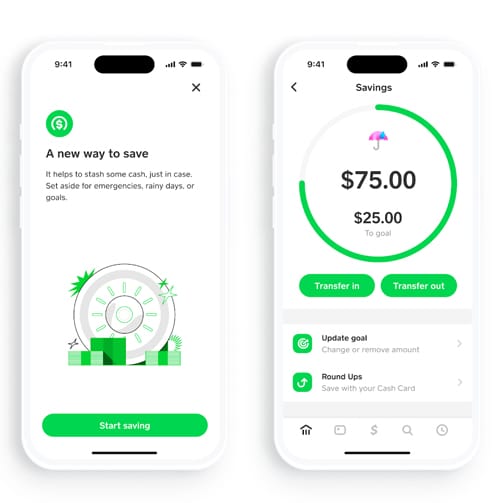
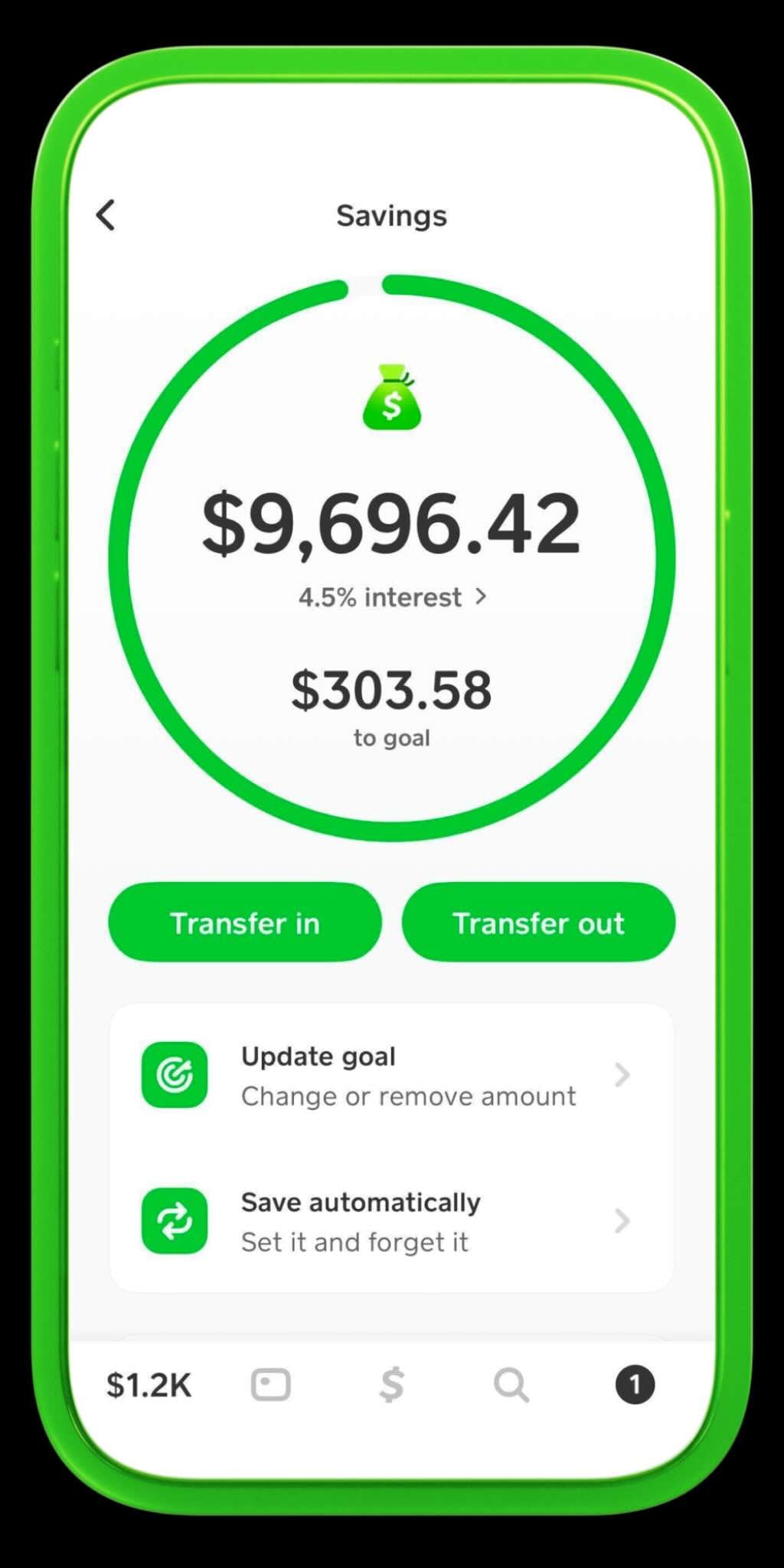
Cash App’s “Savings” feature allows users to set aside money within the app, separate from their primary Cash App balance. The intention is to provide a simple, accessible way to save for specific goals or build an emergency fund. Users can easily transfer funds between their main balance and their savings, often with just a few taps.
Key aspects of Cash App Savings include:
- Ease of Setup: Users can typically enable the savings feature directly within the app without extensive paperwork.
- Goal Setting: While not always as robust as dedicated budgeting apps, it allows users to mentally (or sometimes explicitly) designate funds for specific purposes.
- Automatic Savings: Some users leverage recurring transfers from their main balance to their savings, fostering consistent saving habits.
- Direct Integration: The biggest draw is its integration within the existing Cash App ecosystem, meaning users don’t need another app or account to start saving.
However, it’s crucial to understand that Cash App itself is not a bank. This distinction is vital when discussing reliability, particularly concerning how deposits are held and protected.
Assessing the Pillars of Reliability: Security and Regulation
The ultimate reliability of any financial product hinges on two primary factors: the security measures in place to protect your funds and personal information, and the regulatory framework that governs its operations. For Cash App Savings, these elements are particularly critical given its status as a non-bank fintech service.
FDIC Insurance: The Gold Standard for Savings Protection
For traditional banks and credit unions in the United States, Federal Deposit Insurance Corporation (FDIC) insurance is the bedrock of reliability. It protects depositors’ money, up to $250,000 per depositor per insured bank, in the event of the bank’s failure. This government-backed guarantee provides unparalleled peace of mind.
The critical question for Cash App Savings is: Is it FDIC insured?
Cash App, as a fintech company, is not a bank and therefore does not directly hold FDIC insurance itself. However, for its banking services (including the funds held in your Cash App balance and sometimes associated with its savings feature), Cash App partners with FDIC-insured banks. This means that your funds held within Cash App are typically swept into these partner banks and are then eligible for FDIC pass-through insurance up to the standard limits.
It is absolutely essential for users to verify the specific terms and conditions for their Cash App Savings. Companies like Cash App often use different partner banks for different services or at different times. Users should always confirm that their specific funds, including those designated for savings, are indeed held at an FDIC-insured institution and are covered by pass-through insurance. This detail is usually found in the terms of service or FAQs. Without this pass-through insurance, your savings would be exposed to the risk of the partner bank’s failure.
Cash App’s Security Protocols: Encryption and Fraud Prevention
Beyond regulatory insurance, the immediate reliability of a digital platform rests on its cybersecurity infrastructure. Cash App employs a range of security measures designed to protect user accounts and transactions:
- Data Encryption: All data transmitted between your device and Cash App’s servers is encrypted, making it difficult for unauthorized parties to intercept sensitive information.
- Multi-Factor Authentication (MFA): Users can enable MFA (e.g., PIN, fingerprint, facial recognition, or SMS codes) to add an extra layer of security beyond just a password, significantly reducing the risk of unauthorized access.
- Fraud Detection and Monitoring: Cash App utilizes sophisticated algorithms and monitoring systems to detect and prevent fraudulent transactions. They actively watch for suspicious activity and may block transactions or accounts if irregularities are detected.
- PCI Data Security Standard (PCI DSS) Compliance: This standard applies to companies that handle credit card information, ensuring a secure environment for processing payments.
- Security Lock: Users can enable a security lock requiring a PIN, Touch ID, or Face ID for all Cash App payments, adding an immediate barrier to unauthorized spending.
While these measures are robust, no system is entirely impervious to sophisticated attacks, and the human element remains a significant vulnerability.
User Responsibility in Maintaining Account Security
A reliable financial platform is a two-way street. While Cash App implements strong security, users bear a substantial responsibility in maintaining the security of their accounts:
- Strong, Unique Passwords: Using complex, unique passwords and regularly updating them is fundamental.
- Enabling MFA: Always enable two-factor or multi-factor authentication whenever possible.
- Beware of Phishing and Scams: Be vigilant against unsolicited messages (emails, texts) purporting to be from Cash App, asking for personal information or login credentials. Cash App will never ask for your PIN or sign-in code outside of the app.
- Secure Device: Keep your device’s operating system and apps updated, and use reputable antivirus/anti-malware software.
- Monitor Account Activity: Regularly review your Cash App transaction history and savings balance for any unauthorized activity. Report suspicious transactions immediately.
- Protect Your PIN/Login: Never share your Cash App PIN, password, or sign-in codes with anyone.
Neglecting these basic security practices can compromise even the most secure platforms, undermining the reliability of your Cash App Savings.

Pros and Cons of Utilizing Cash App for Savings
Like any financial tool, Cash App Savings comes with its own set of advantages and disadvantages that prospective users must weigh against their personal financial goals and habits.
Advantages: Convenience, Accessibility, and Potential Incentives
- Unmatched Convenience: For existing Cash App users, the ability to shift funds between spending and savings within a single app is highly convenient. This can reduce friction in the saving process, making it easier to consistently set money aside.
- Low Barrier to Entry: Opening a savings feature often requires less bureaucracy than a traditional bank account, making it accessible to a wider demographic, including those who may struggle with traditional banking requirements.
- Instant Transfers: Funds can often be moved between your main balance and savings almost instantly, providing immediate access if an emergency arises or a goal is met.
- Potential for Incentives: While not always guaranteed, fintech platforms sometimes offer promotions, bonuses, or even slight interest yields to attract and retain users for their savings features. However, these are often introductory or tied to specific conditions.
Disadvantages: Interest Rates, Limitations, and Customer Support
- Low or No Interest Rates: A significant drawback for Cash App Savings, compared to dedicated high-yield savings accounts from traditional or online banks, is the potential for very low or even no interest earned on saved funds. If your goal is to grow your money through interest, Cash App may not be the optimal choice.
- Limited Financial Tools: Unlike comprehensive budgeting apps or full-service banks, Cash App’s savings feature might lack advanced goal-setting tools, budgeting features, or integration with broader financial planning strategies.
- Customer Service Challenges: Fintech companies sometimes receive criticism regarding the accessibility and responsiveness of their customer support, especially for complex issues. While Cash App offers in-app support, phone support might be less readily available than with traditional banks.
- Focus on Transactions: Cash App’s primary design focus is on peer-to-peer payments and instant transactions. While convenient, this transactional mindset might inadvertently discourage long-term, disciplined saving habits for some users.
- Withdrawal/Transfer Limits: Like most financial platforms, Cash App has limits on how much you can send, receive, or withdraw over certain periods, which could impact access to larger savings amounts.
Comparing Cash App Savings to Traditional and Neobank Offerings
When evaluating Cash App Savings, it’s useful to compare it to alternatives:
- Traditional Banks: Offer robust financial ecosystems, physical branches, diverse product ranges (loans, mortgages), and often very high levels of customer support. Their savings accounts are FDIC-insured, but they might have lower interest rates on basic savings and higher fees.
- High-Yield Online Savings Accounts (HYSA): Offered by online-only banks or dedicated financial institutions, HYSAs typically provide significantly higher interest rates than traditional savings accounts, often with minimal fees and FDIC insurance. They are designed specifically for growing savings.
- Neobanks/Challenger Banks: (e.g., Chime, Varo) These are digital-first banks that also partner with FDIC-insured institutions. They often offer a blend of convenience, user-friendly apps, and sometimes better interest rates or unique savings features than Cash App, while still being digital-only.
Cash App Savings sits somewhere between a casual savings pot within a payment app and a formal savings account. It prioritizes instant access and integration over maximizing interest growth or providing advanced financial planning tools.
Best Practices for Maximizing Your Savings Reliability with Cash App
If you choose to use Cash App for some of your savings, adopting best practices can help mitigate potential risks and enhance its overall reliability as part of your financial strategy.
Diversifying Your Savings Portfolio
The adage “don’t put all your eggs in one basket” holds true for savings. While Cash App can be a convenient place for short-term goals or an emergency fund, it’s generally not advisable to keep all your life savings there.
- Layered Approach: Consider using Cash App for smaller, more immediate savings goals (e.g., a vacation fund or a specific purchase).
- Strategic Allocation: For larger, long-term savings or funds intended to grow significantly, dedicated high-yield savings accounts, Certificates of Deposit (CDs), or investment accounts (e.g., Roth IRAs, 401ks) will likely be more appropriate and offer better returns.
- Emergency Fund Split: You might keep a portion of your emergency fund in Cash App for instant access, but the bulk in a high-yield savings account that still offers relatively quick access but higher growth potential.
Diversification not only spreads risk but also allows you to optimize different pots of money for different financial objectives.
Setting Realistic Expectations and Goals
Understanding what Cash App Savings is designed for, and what its limitations are, is key to its reliable use.
- Short-Term Focus: View it primarily as a tool for short-to-medium-term savings goals or as a highly accessible buffer.
- Don’t Expect High Returns: Recognize that it’s unlikely to offer competitive interest rates compared to other savings vehicles. Its value lies in convenience, not capital growth through interest.
- Integrate with a Broader Plan: Treat Cash App Savings as one component of your overall financial strategy, not the entirety of it.
Staying Informed and Proactive with Account Monitoring
Active engagement with your account and awareness of the platform’s policies are crucial for maintaining reliability.
- Read the Terms and Conditions: Regularly review Cash App’s updated terms, especially regarding FDIC insurance, fees, limits, and how your savings are held.
- Monitor Statements: Check your Cash App activity regularly for unauthorized transactions or discrepancies in your savings balance.
- Stay Updated on Security Practices: Keep abreast of best practices for digital security and implement them across all your financial accounts.
- Contact Support When Needed: Don’t hesitate to reach out to Cash App customer support for clarification on features or to report issues, though temper expectations regarding response times and channels.
Is Cash App Savings Right for Your Financial Journey?
Ultimately, the reliability of Cash App Savings isn’t a universal constant; it’s contextual and depends heavily on your individual financial needs, goals, and risk tolerance.
Identifying Your Financial Needs and Risk Tolerance
- For the Tech-Savvy and Convenience-Driven: If you’re comfortable with digital platforms, prioritize ease of use, and are an active Cash App user, its savings feature can be a reliable and highly convenient option for certain goals.
- For Small, Immediate Goals: If you’re saving for a quick purchase, a weekend trip, or a small, accessible emergency fund, Cash App’s instant nature might be perfectly reliable.
- For Those Prioritizing Growth: If your primary objective is to grow your savings through interest, or if you’re building a substantial long-term fund, then Cash App Savings, with its potentially low interest rates, may not be the most reliable choice for maximizing your returns.
- For Large Sums: While FDIC insurance offers protection up to $250,000, some individuals may feel more secure holding very large sums in traditional or online banks specifically designed and regulated for high-value deposits.
The Role of Digital Platforms in a Comprehensive Financial Strategy
Cash App and similar fintech platforms are powerful tools that have democratized access to financial services. Their reliability is often tied to their specific use case within a broader financial strategy. For many, Cash App can reliably serve as a convenient payment tool and a supplementary savings vehicle.
A truly reliable financial strategy often involves a diversified approach: using Cash App for transactional needs and small, short-term savings, leveraging a high-yield online savings account for core emergency funds and medium-term goals, and investing in traditional brokerage accounts or retirement plans for long-term wealth building. By understanding the strengths and limitations of each tool, including Cash App Savings, you can construct a financial framework that is not only convenient but also robust and reliable for all your financial aspirations.
aViewFromTheCave is a participant in the Amazon Services LLC Associates Program, an affiliate advertising program designed to provide a means for sites to earn advertising fees by advertising and linking to Amazon.com. Amazon, the Amazon logo, AmazonSupply, and the AmazonSupply logo are trademarks of Amazon.com, Inc. or its affiliates. As an Amazon Associate we earn affiliate commissions from qualifying purchases.