
In the intricate world of personal finance, investing, and business, percentages are more than just mathematical expressions; they are the universal language of financial performance, growth, and risk. Whether you’re a seasoned investor, a budding entrepreneur, or simply managing your household budget, understanding “how we can get percentage” is central to making informed decisions that lead to financial prosperity. This isn’t merely about calculating a number, but rather about strategically identifying, acquiring, and leveraging these crucial financial indicators to achieve your monetary goals. From the subtle shifts in interest rates to the monumental gains in market share, percentages offer a clear, standardized lens through which to view and interact with the financial landscape.

The Foundational Power of Percentages in Financial Literacy
At its core, financial literacy hinges on the ability to interpret and utilize percentages. These relative values provide context, allowing us to compare disparate figures and understand their true impact, regardless of their absolute magnitude. Without percentages, the financial world would be a confusing jumble of large, incomparable numbers.
More Than Just a Number: Understanding the “Why” Behind Percentages
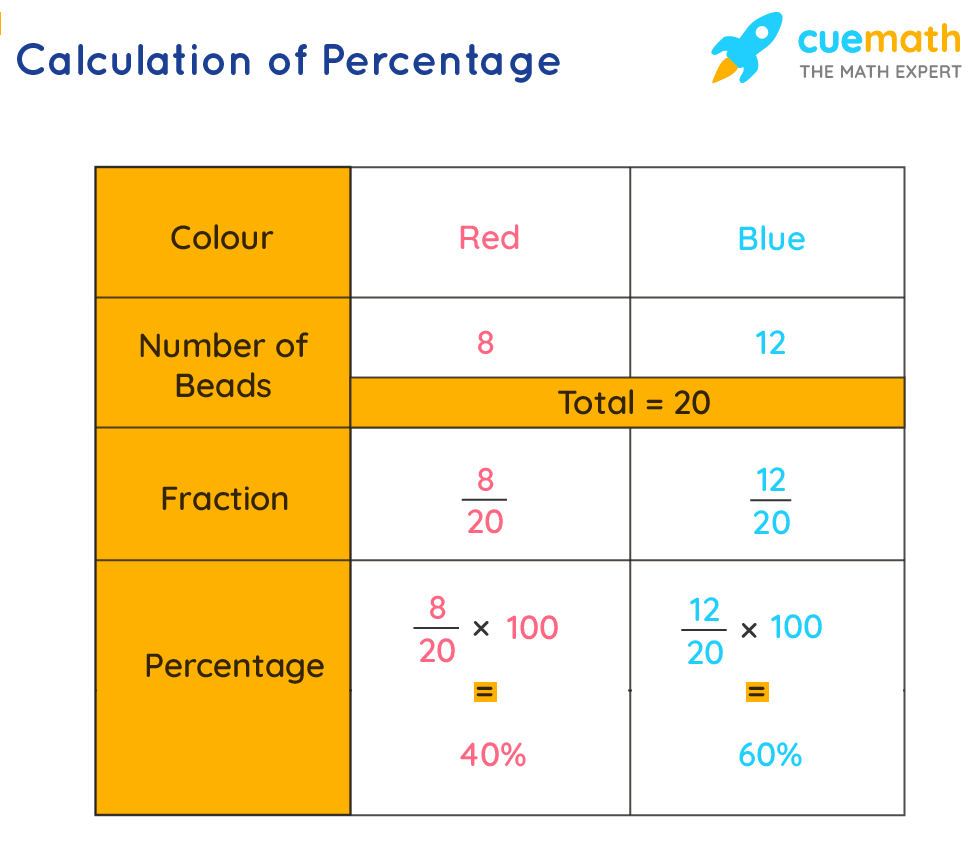
Percentages standardize comparison. A $100 profit might seem significant, but if it’s from a $100,000 investment, it’s a mere 0.1% return. Conversely, a $10 profit on a $50 investment represents a robust 20% return. Percentages strip away the raw scale of figures, allowing for a clearer assessment of efficiency, growth, and proportional value. They enable us to grasp concepts like “half off,” “double-digit growth,” or “minority shareholder” with immediate clarity. This ability to normalize data makes percentages indispensable for financial analysis, planning, and communication across all scales of financial activity. They tell a story of proportion, relativity, and impact that absolute figures often obscure, making complex financial information accessible and actionable.
Everyday Applications: From Discounts to Debt
Percentages are woven into the fabric of our daily financial lives, often without us consciously realizing their pervasive influence. Consider a retail sale: a “25% off” sticker instantly communicates the savings you’ll achieve. When you swipe your credit card, you’re implicitly agreeing to an Annual Percentage Rate (APR) on your outstanding balance, a critical percentage that determines the cost of your debt. Savings accounts boast interest rates, typically expressed as an Annual Percentage Yield (APY), showcasing the percentage return on your deposited funds. Even mundane tasks like tipping at a restaurant involve calculating a percentage of the bill. Understanding these everyday percentages is the first step toward gaining control over your personal financial narrative, allowing you to make smarter choices that impact your spending, saving, and borrowing habits.
The Language of Growth and Loss
In the world of finance, percentages serve as the primary idiom for communicating success and failure, progress and regression. Investment portfolios are judged by their percentage gains or losses over time. Economic reports frequently cite percentage changes in GDP, inflation rates, or unemployment figures to convey the health of an economy. Businesses analyze their quarterly earnings reports, focusing on percentage growth in revenue, percentage increases in profit margins, or percentage reductions in operating costs. An appreciation of 10% in property value versus an inflation rate of 3% tells a story of real gain. Conversely, a stock dropping 15% offers a stark measure of capital erosion. This consistent reliance on percentages provides a standardized framework for evaluating performance, setting goals, and understanding the trajectory of financial entities, whether they are individual assets, entire markets, or national economies.
Earning Your Percentage: Strategies for Growing Your Wealth
When people ask, “how can we get percentage?”, they are often referring to how they can acquire a percentage of return or profit. This pursuit is central to wealth creation, and various avenues exist for earning percentages that contribute to financial growth.
Investing for Percentage Returns
Investing is perhaps the most direct way to actively “get percentage” in the form of returns. The goal is to deploy capital strategically to generate a greater percentage of capital back over time.
- Stock Market Growth: Investing in stocks offers two primary ways to earn percentages: capital appreciation and dividends. Capital appreciation is the percentage increase in a stock’s value from its purchase price. Dividends, on the other hand, are a percentage of a company’s earnings paid out to shareholders, often expressed as a dividend yield (dividend per share / share price). Both contribute to the overall percentage return on investment.
- Fixed-Income Assets: Bonds, Certificates of Deposit (CDs), and money market accounts represent fixed-income investments. These assets pay a predetermined percentage interest over a specified period. While generally offering lower percentage returns than stocks, they provide a more predictable income stream and are vital for portfolio diversification and risk management.
- Real Estate: Property investments can generate percentages through rental yield and capital appreciation. Rental yield is the annual income generated from rent as a percentage of the property’s purchase price. Capital appreciation, similar to stocks, is the percentage increase in the property’s market value over time. Both contribute significantly to long-term wealth building.
Maximizing Savings and Interest
Even seemingly small percentages can accumulate substantially, especially when it comes to savings and the power of compounding.
- High-Yield Savings Accounts: While traditional savings accounts offer negligible interest, high-yield savings accounts (HYSAs) provide a significantly higher Annual Percentage Yield (APY). Choosing an HYSA means your money earns a larger percentage just by sitting there, accelerating your savings goals without additional effort on your part.
- Compound Interest: The Power of Percentage Reinvestment: Compound interest is often called the “eighth wonder of the world” because it allows your earnings to generate further earnings. Instead of just earning a percentage on your initial principal, you also earn a percentage on the accumulated interest. This snowball effect, where percentages build upon percentages, is crucial for long-term investments like retirement accounts and can dramatically multiply wealth over decades.
Income Generation and Profit Margins
For individuals and businesses alike, percentages are key indicators of financial success and efficiency in income generation.
- Salary Increases & Bonuses: Many employees negotiate salary raises or receive bonuses expressed as a percentage of their current earnings. Understanding the impact of a 5% raise versus a 10% bonus is essential for career and financial planning.
- Business Profitability: For entrepreneurs and business owners, profit margins are critical percentages. Gross profit margin (gross profit / revenue) and net profit margin (net profit / revenue) indicate how efficiently a business converts sales into actual profit. Higher profit percentages mean more money available for reinvestment, expansion, or owner distribution.
Calculating and Controlling Your Percentage: Mastering Financial Management
Beyond earning, effective financial management involves actively calculating and controlling percentages across various aspects of your financial life. This proactive approach helps in budgeting, debt reduction, and tax optimization.
Budgeting and Expense Allocation
Effective budgeting is fundamentally a percentage-based exercise, allocating portions of your income to different categories.
- The 50/30/20 Rule and Beyond: This popular budgeting guideline suggests allocating 50% of your after-tax income to needs, 30% to wants, and 20% to savings and debt repayment. Such percentage-based frameworks provide a simple yet powerful structure for managing cash flow and ensuring financial goals are met.
- Tracking Spending: By categorizing and tracking expenses, you can determine what percentage of your income goes towards housing, food, entertainment, and other categories. This insight is crucial for identifying areas where spending can be reduced or reallocated to align with financial objectives.
Debt Management and Reduction
Debt, particularly high-interest debt, can be a major impediment to financial growth. Understanding the percentages involved is key to effective management.
- Understanding Interest Rates: The Annual Percentage Rate (APR) on loans, credit cards, and mortgages is the percentage cost of borrowing money. A higher APR means a larger percentage of your payment goes towards interest, increasing the total cost of the debt. Savvy individuals prioritize paying down debts with the highest interest percentages first.
- Accelerated Debt Repayment: Making extra payments, even small ones, can significantly reduce the total percentage of interest paid over the life of a loan. By paying down the principal faster, you effectively shorten the borrowing period and save a substantial amount in interest charges, freeing up capital for other financial goals.
Tax Planning and Optimization
Taxes are an unavoidable percentage of our income and earnings. Strategic planning can help optimize these percentages.
- Tax Brackets and Effective Rates: Understanding the progressive nature of tax brackets, where different portions of your income are taxed at varying percentages, is crucial. Your effective tax rate – the actual percentage of your total income paid in taxes – provides a clearer picture than just your top marginal bracket.
- Deductions and Credits: Leveraging available tax deductions and credits can reduce your taxable income or directly decrease your tax liability. This effectively lowers the percentage of your income that goes to taxes, maximizing your take-home pay or increasing your tax refund.
Leveraging Percentages for Strategic Financial Decisions
Beyond day-to-day management, percentages are powerful tools for strategic planning, risk assessment, and performance evaluation in the financial realm.
Risk Assessment and Diversification
Percentages play a pivotal role in managing investment risk and constructing a balanced portfolio.
- Asset Allocation: This strategy involves deciding what percentage of your investment portfolio to allocate to different asset classes, such as stocks, bonds, and real estate. Your optimal asset allocation percentage typically depends on your age, financial goals, and risk tolerance. A younger investor might opt for a higher percentage in growth-oriented stocks, while someone closer to retirement might shift a larger percentage to lower-risk bonds.
- Risk vs. Reward: Every investment carries a degree of risk, often expressed as a percentage chance of loss. By evaluating the potential percentage gains against the percentage risks involved, investors can make more informed decisions aligned with their financial objectives and comfort levels with volatility.
Performance Measurement and Benchmarking
Percentages provide a standardized method for evaluating the success of investments and business operations.
- Portfolio Performance: Investors regularly compare their portfolio’s percentage returns against established market benchmarks, such as the S&P 500’s percentage growth. This helps assess whether their investments are outperforming, underperforming, or matching the broader market.
- Business Metrics: Beyond profit margins, businesses track a multitude of percentage-based metrics: sales growth percentage, customer retention percentage, market share percentage, and conversion rates. These percentages provide invaluable insights into operational efficiency, market position, and overall business health, guiding strategic adjustments.
The Impact of Inflation and Deflation
Macroeconomic percentages significantly impact purchasing power and investment strategies.
- Inflation: The annual percentage increase in the cost of goods and services erodes the purchasing power of money. Understanding inflation’s percentage rate is critical for planning, as a 5% return on an investment is only a 2% real return if inflation is 3%.
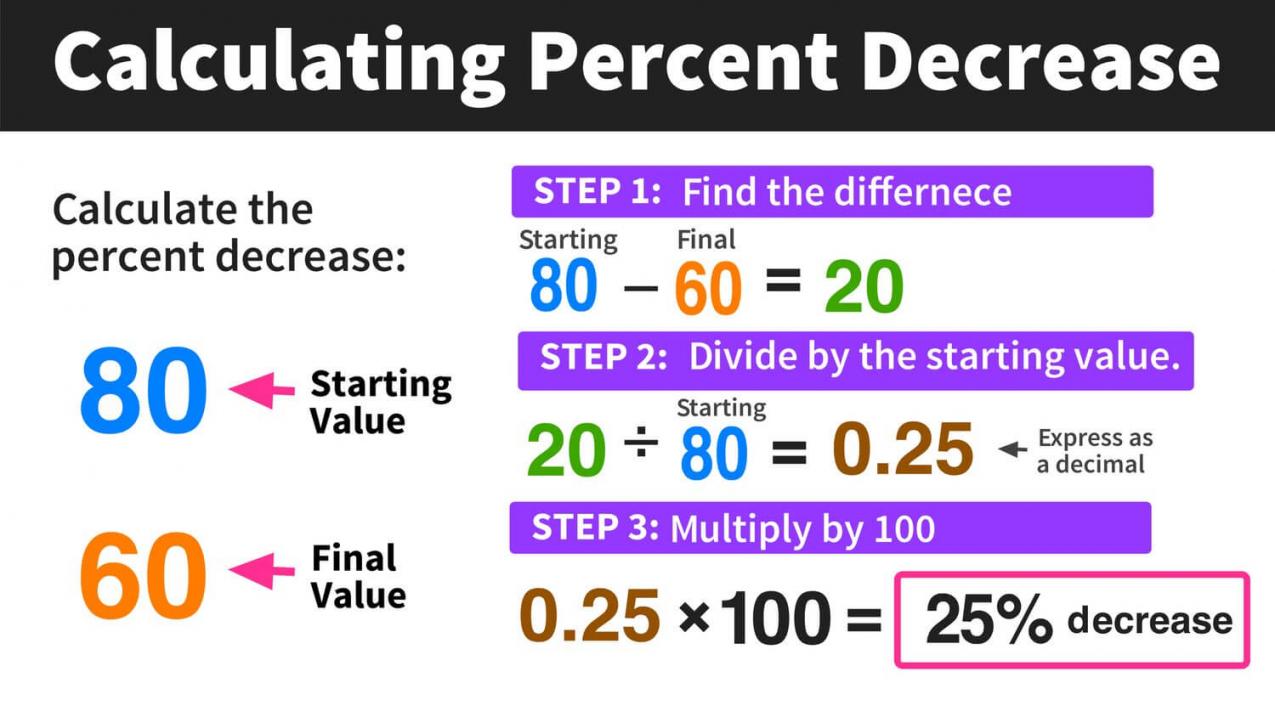
- Deflation: While less common, deflation (a percentage decrease in prices) can also impact economic activity and investment values, highlighting the need to consider these broader economic percentages in financial forecasting.
Tools and Mindset: Cultivating a Percentage-Driven Financial Approach
Mastering “how can we get percentage” in finance requires not only theoretical understanding but also practical tools and a proactive mindset.
Essential Financial Tools
Modern technology provides an array of tools to help you visualize, calculate, and manage percentages effectively. Spreadsheets like Microsoft Excel or Google Sheets are indispensable for creating budgets, tracking investments, and performing complex financial calculations. Dedicated financial calculators, budgeting apps (e.g., Mint, YNAB), and investment platforms (e.g., Fidelity, Vanguard) offer user-friendly interfaces to monitor performance, project growth, and analyze the impact of various financial percentages on your wealth. These tools demystify complex calculations, making it easier to apply percentage thinking to your financial life.
The Power of Financial Education
The financial landscape is ever-evolving, and continuous learning is paramount. Staying informed about economic trends, market conditions, and new financial products helps you better understand and apply percentage concepts to your advantage. Reading financial news, taking online courses, or consulting with financial advisors can deepen your comprehension of how percentages influence different financial instruments and strategies, enabling you to make more astute decisions.
A Proactive Mindset
Ultimately, cultivating a percentage-driven financial approach means shifting from passive observation to active engagement. It involves regularly reviewing your financial statements, analyzing investment performance, scrutinizing interest rates, and consistently seeking opportunities to optimize your percentages – whether that’s increasing your savings percentage, negotiating a better loan percentage, or boosting your profit margins. This proactive mindset transforms percentages from abstract numbers into actionable insights that empower you to take charge of your financial destiny.
Conclusion
The question “how can we get percentage” is a gateway to a deeper understanding of financial mechanics and opportunities. Percentages are the bedrock of financial literacy, providing the essential context for evaluating growth, understanding risk, and making informed decisions across personal finance, investing, and business. By mastering their calculation, actively seeking their strategic application, and maintaining a proactive, educated approach, individuals and businesses can unlock significant financial potential, pave the way for sustainable growth, and confidently navigate the complexities of the monetary world. Embracing percentage thinking isn’t just about numbers; it’s about empowerment and control over your financial future.
aViewFromTheCave is a participant in the Amazon Services LLC Associates Program, an affiliate advertising program designed to provide a means for sites to earn advertising fees by advertising and linking to Amazon.com. Amazon, the Amazon logo, AmazonSupply, and the AmazonSupply logo are trademarks of Amazon.com, Inc. or its affiliates. As an Amazon Associate we earn affiliate commissions from qualifying purchases.