
In an increasingly digital world, mobile payment applications have become indispensable tools for managing personal finances, facilitating quick transactions, and streamlining the way we interact with money. Among these, Cash App stands out as a prominent player, celebrated for its user-friendly interface and multifaceted functionalities. However, to unlock its full potential – from sending money to friends, paying bills, to investing in stocks or Bitcoin – the foundational step is to understand precisely how to add money to your Cash App balance. This guide will delve into the various methods available, offer insights into best practices, and help you navigate the technological landscape of funding your digital wallet efficiently and securely.
Understanding Cash App’s Core Functionality for Funding
Before diving into the mechanics of adding funds, it’s crucial to grasp what Cash App is and why a well-funded account is the bedrock of its utility. Understanding its technological design helps users appreciate the seamless experience it aims to provide.
What is Cash App?
At its core, Cash App is a mobile payment service developed by Block, Inc. (formerly Square, Inc.), designed to enable peer-to-peer money transfers via a mobile application. Beyond its initial purpose, it has evolved into a comprehensive financial technology platform offering a range of services including direct deposit, a free customizable debit card (the Cash Card), and even basic brokerage services for investing in stocks and Bitcoin. Its appeal lies in its simplicity, speed, and integrated approach to various financial actions, making it a popular choice for millions seeking a streamlined digital banking experience directly from their smartphone. The app serves as a digital wallet, accessible 24/7, linking your personal finances to a flexible, mobile-first interface.
The Importance of a Funded Account
A funded Cash App account is essentially the gateway to leveraging all the platform’s advanced features. Without funds, the app primarily functions as a receiving mechanism. A positive balance enables you to:
- Send money to others: Instantly transfer funds to friends, family, or merchants who also use Cash App.
- Use your Cash Card: Make purchases online or in physical stores, just like a traditional debit card, drawing directly from your Cash App balance.
- Invest: Purchase fractional shares of stocks or acquire Bitcoin directly through the app, with funds drawn from your balance.
- Pay bills: Some services allow direct payment from your Cash App balance.
- Withdraw cash: Utilize ATMs with your Cash Card to access your digital funds in physical currency (though fees may apply).
In essence, a funded account transforms Cash App from a mere concept into a powerful, active financial tool within the technological ecosystem of your daily life. It’s the essential fuel that powers its various digital engines, facilitating everything from micro-transactions to more significant financial engagements.
Diverse Methods for Adding Funds to Your Cash App Balance
Cash App provides several flexible options to ensure users can fund their accounts conveniently, catering to different financial situations and preferences. Each method leverages distinct technological integrations to ensure secure and efficient transfers.
Linking a Bank Account or Debit Card
The most common and technologically integrated method for adding money to Cash App is by linking an external bank account or a debit card. This process relies on secure API connections and bank-grade encryption to facilitate transfers.
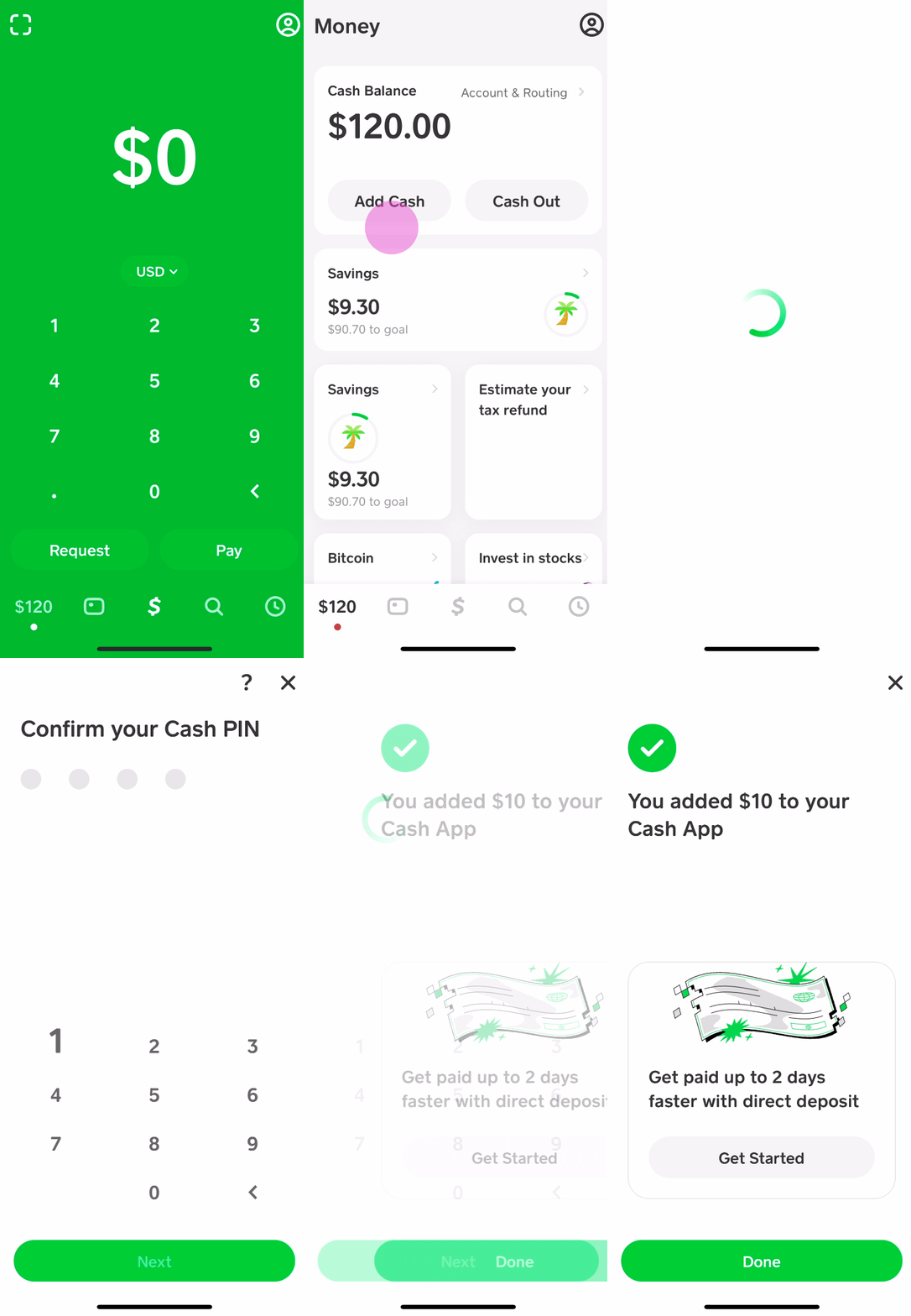
- Open Cash App: Launch the application on your smartphone.
- Navigate to the Banking Tab: Look for the icon that resembles a house or a bank building (often labeled “Banking” or “Money” or simply showing your current balance) on the main screen.
- Tap “Add Cash”: This option will be prominently displayed.
- Enter Amount: Input the specific amount you wish to transfer from your linked account to your Cash App balance.
- Select Source: Confirm the linked bank account or debit card as the source of funds. If you haven’t linked one yet, the app will guide you through the process, requiring your bank login credentials (for instant verification) or card details (card number, expiration date, CVV). This typically involves secure third-party authentication services that don’t store your bank login details directly within Cash App, adding an extra layer of digital security.
- Confirm Transaction: Review the details and tap “Add” or “Confirm.” The funds are usually transferred instantly, making them immediately available in your Cash App balance.
This method is popular due to its speed and direct digital integration, relying on established financial technology infrastructures for secure data exchange and transaction processing.
Adding Cash at Retail Stores
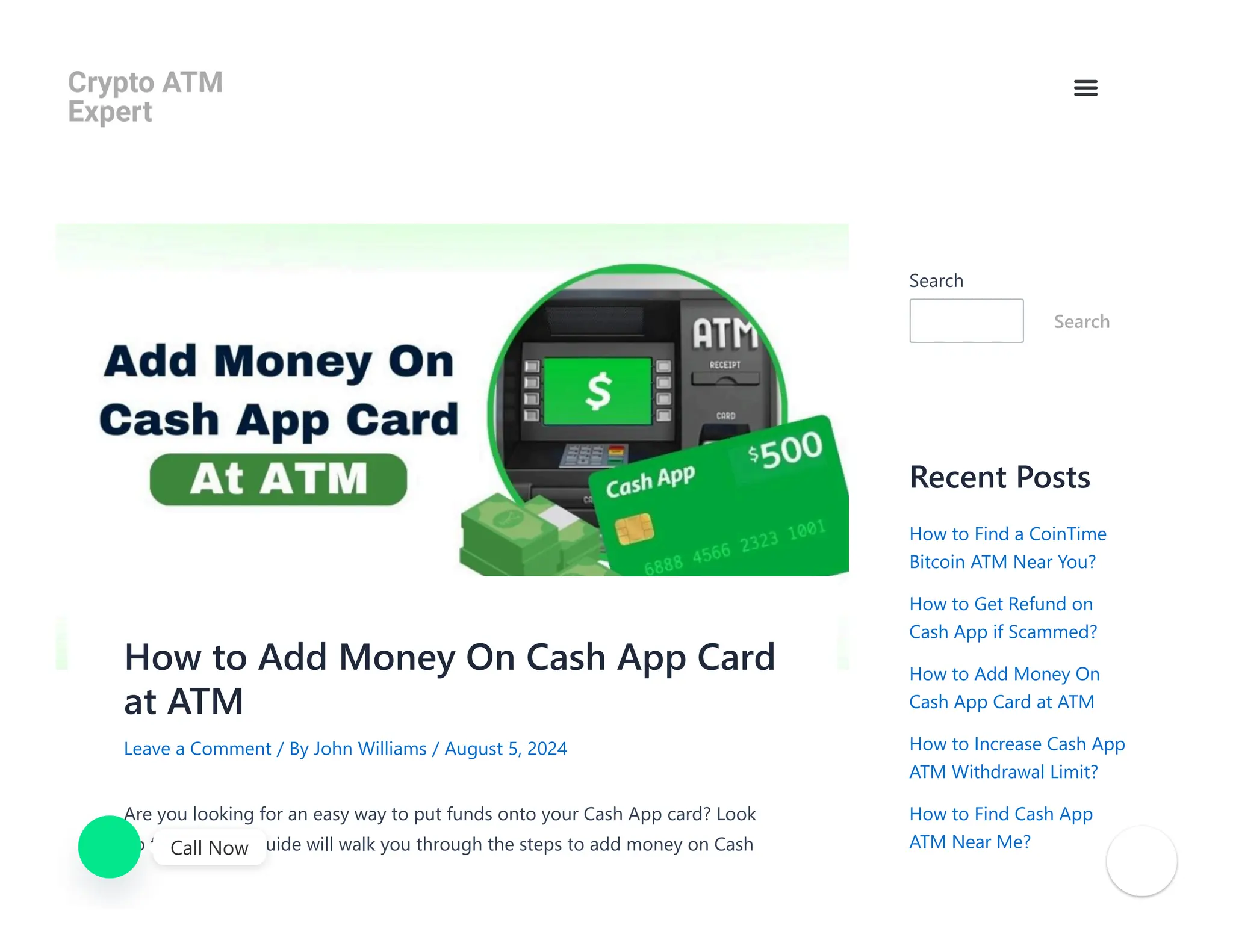
For users who prefer to deal with physical cash or do not have a linked bank account, Cash App offers a “Paper Money” deposit feature, utilizing a network of participating retail locations. This bridges the gap between traditional cash-based transactions and the digital wallet.
- Open Cash App and Navigate: Go to the “Banking” tab.
- Tap “Paper Money”: This option specifically caters to physical cash deposits.
- Find a Location: The app will use your device’s location services to show you nearby participating retailers (e.g., Walmart, Walgreens, CVS, 7-Eleven). This feature leverages mapping and geolocation technology to provide convenience.
- Generate Barcode: Once at a participating store, tap “Show Barcode” in the app. This generates a unique, scannable barcode linked to your Cash App account.
- Present to Cashier: Hand your cash and the barcode to the cashier. They will scan the barcode, and you’ll hand over the desired amount of cash.
- Confirm Deposit: The cashier will process the transaction, and the funds will typically appear in your Cash App balance immediately. Note that retailers might have daily or weekly limits on cash deposits, and some may charge a small service fee for this convenience.
This method exemplifies Cash App’s effort to make its digital services accessible to a broader demographic, including the unbanked, by integrating with existing physical retail infrastructures.
Receiving Money from Others
While not a direct “add cash” function in the same vein as the previous methods, receiving money from other Cash App users or via direct deposit is a significant way to increase your balance. This relies purely on the app’s peer-to-peer and financial institution integration capabilities.
- Peer-to-Peer Transfers: If a friend or family member sends you money via Cash App, the funds are automatically added to your balance. This process is instantaneous, utilizing Cash App’s internal transaction processing system. You’ll receive a notification, and the balance update will be reflected immediately.
- Direct Deposit: Cash App provides account and routing numbers, allowing users to set up direct deposit for paychecks, tax refunds, unemployment benefits, or other regular payments. This integrates Cash App into the broader Automated Clearing House (ACH) network, a sophisticated electronic funds transfer system. By providing these details to your employer or benefits provider, funds are deposited directly into your Cash App balance, often faster than traditional banks. This leverages the financial technology infrastructure that underpins most electronic bank transfers.
These methods highlight Cash App’s role as a comprehensive digital banking alternative, not just a simple payment app.
Navigating Potential Challenges and Optimizing Your Funding Experience
While Cash App generally offers a smooth experience, users might occasionally encounter technical glitches or questions regarding security. Addressing these proactively ensures a consistently reliable funding process.
Troubleshooting Common Funding Issues
Technological platforms, despite their robustness, can sometimes present challenges. Understanding common issues can help users quickly resolve funding problems.
- Bank Verification Failures: Sometimes, linking a bank account might fail due to incorrect login credentials, bank system outages, or security blocks from your bank. Double-check your information, try again later, or contact your bank’s support. Cash App relies on secure third-party services like Plaid for bank linking, and issues with these services can also cause temporary disruptions.
- Card Declined Issues: If a debit card transfer is declined, it could be due to insufficient funds in your linked bank account, your bank flagging the transaction as suspicious (common for new digital transactions), an expired card, or daily limits imposed by your bank. Contacting your bank is often the quickest resolution.
- Transaction Limits: Cash App, like most financial platforms, imposes limits on how much money can be added or sent within specific timeframes (e.g., daily, weekly). These limits are often increased once your identity is fully verified using personal information like your SSN. If you hit a limit, you’ll need to wait for the period to reset.
- Incorrect Account Details: When setting up direct deposit, ensure the account and routing numbers are precisely entered. A single incorrect digit can lead to delayed or failed deposits.
For persistent issues, Cash App’s in-app support or official customer service channels, accessible via the app, are designed to help diagnose and resolve technical problems.
Security Best Practices for Funding
Security is paramount when dealing with digital finance. Cash App employs robust encryption and security protocols, but user vigilance is also crucial.
- Strong, Unique Passwords/PINs: Use complex passwords for your smartphone and Cash App, and enable PIN protection for transactions. Avoid easily guessable combinations.
- Two-Factor Authentication (2FA): Always enable 2FA for your Cash App account. This adds an extra layer of security, requiring a code from your phone or email in addition to your password, making unauthorized access significantly harder. This relies on secure token generation and verification technology.
- Beware of Scams: Be highly skeptical of unsolicited messages or calls claiming to be from Cash App support, especially those asking for your PIN, login details, or to send money. Cash App support will never ask you for your PIN or to send money to “verify” your account. Phishing attempts are a constant threat in the digital realm, and recognizing them is a critical user skill.
- Monitor Activity: Regularly review your Cash App transaction history. Report any unfamiliar transactions immediately to Cash App support. The app’s activity feed provides a transparent, real-time log of all financial movements.
- Secure Device: Ensure your smartphone is protected with a screen lock, and keep the Cash App updated to the latest version to benefit from the newest security patches and feature enhancements.
By adopting these best practices, users can significantly reduce their exposure to digital threats and maintain the integrity of their funds.
Maximizing Funding Efficiency and Cost-Effectiveness
Smart usage of Cash App’s funding mechanisms can lead to a more efficient and cost-effective experience.
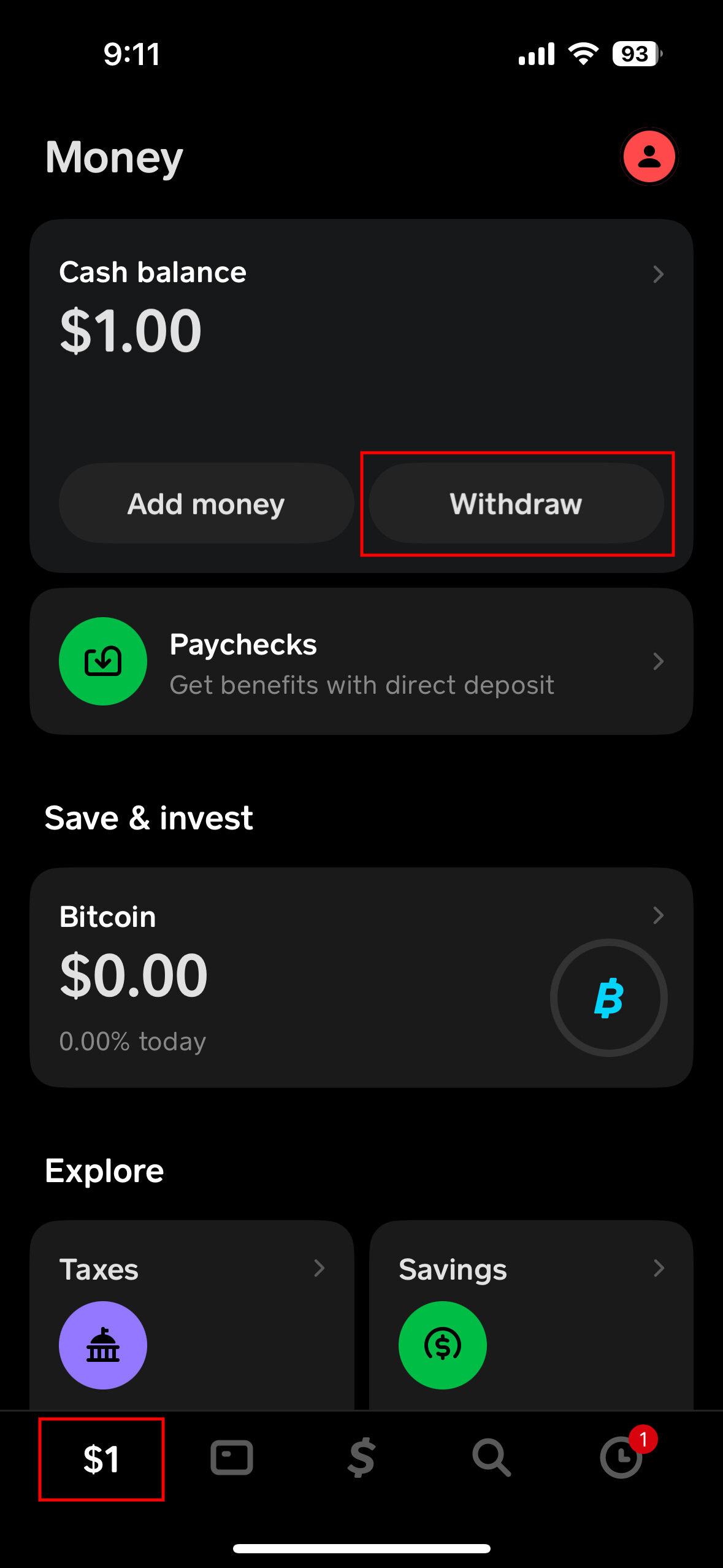
- Understand Instant vs. Standard Deposits: While adding money from a linked bank account is usually instant, transferring money from Cash App to your bank can be instant (for a small fee) or standard (1-3 business days, free). Plan your withdrawals to avoid unnecessary fees.
- Leverage Direct Deposit: For regular income, setting up direct deposit is the most efficient and often fastest way to get funds into your Cash App, bypassing intermediate steps and potential transfer fees from other banks.
- Optimize Retail Deposits: Be aware of any fees charged by retail partners for cash deposits. While convenient, these small charges can add up over time if used frequently.
- Stay Within Limits: Being aware of Cash App’s transaction limits (and having a verified account to access higher limits) prevents interruptions in your ability to add or send money.
These insights help users make informed decisions, ensuring their digital financial management is as seamless and economical as possible within the Cash App ecosystem.
Beyond Basic Funding: The Ecosystem of a Funded Cash App Account
Once your Cash App account is funded, it becomes a versatile tool within the broader financial technology landscape. The ability to add money transforms the app from a simple peer-to-peer service into a robust personal finance platform.
Leveraging Your Cash App Balance
A well-funded Cash App balance opens up a world of possibilities within the app’s ecosystem:
- Seamless Transactions: Sending and receiving money becomes instantaneous, ideal for splitting bills, paying for services, or supporting friends. The simplicity of using a $Cashtag for transfers exemplifies intuitive tech design.
- Everyday Spending with Cash Card: The customizable Cash Card links directly to your balance, allowing you to use your funds for daily purchases online, in stores, and even at ATMs. It functions like a standard debit card, extending the reach of your digital wallet into the physical world. This bridges digital funds with traditional payment terminals.
- Accessible Investing: Cash App’s integrated investment features allow users to buy and sell fractional shares of stocks and Bitcoin directly from their balance. This democratizes investing, making it accessible even with small amounts of capital, thanks to simplified user interfaces and direct access to market data within the app.
- Financial Management: Beyond transactions, Cash App increasingly offers features for tracking spending and managing budgets, providing a holistic view of your digital finances.
Future of Digital Wallets and Cash App’s Role
The evolution of digital wallets like Cash App is indicative of a broader trend in financial technology. These apps are continually integrating more services, blurring the lines between traditional banking, investment platforms, and payment processors. Cash App, with its user-centric design and expanding feature set, is at the forefront of this movement. Its focus on accessibility, speed, and comprehensive financial tools positions it as a key player in shaping how individuals manage their money in an increasingly digital and interconnected world. The future will likely see even deeper integrations with e-commerce, more personalized financial insights driven by AI, and enhanced security features, further cementing digital wallets as central components of our financial lives.
Conclusion
Adding money to your Cash App account is a fundamental yet straightforward process that unlocks a vast array of digital financial functionalities. Whether through linking a bank account, making a cash deposit at a retail store, or receiving direct transfers, Cash App provides multiple technologically sound pathways to fund your digital wallet. By understanding these methods, troubleshooting common issues, and adhering to robust security practices, users can ensure a seamless, efficient, and secure experience. As financial technology continues to advance, mastering the basics of apps like Cash App empowers you to take full advantage of the convenience and capabilities of modern digital money management, transforming your smartphone into a powerful personal finance hub.
aViewFromTheCave is a participant in the Amazon Services LLC Associates Program, an affiliate advertising program designed to provide a means for sites to earn advertising fees by advertising and linking to Amazon.com. Amazon, the Amazon logo, AmazonSupply, and the AmazonSupply logo are trademarks of Amazon.com, Inc. or its affiliates. As an Amazon Associate we earn affiliate commissions from qualifying purchases.