
In today’s fast-paced digital economy, peer-to-peer payment applications like Cash App have become indispensable tools for managing personal finances. Whether you’re splitting a dinner bill, paying a freelancer, or sending money to family, Cash App offers a convenient and rapid way to move funds. However, a common question arises for both new and seasoned users: “How much money can you send through Cash App?” Understanding these transaction limits is not merely a technicality; it’s a critical component of effective personal financial planning, budgeting, and ensuring seamless money management.
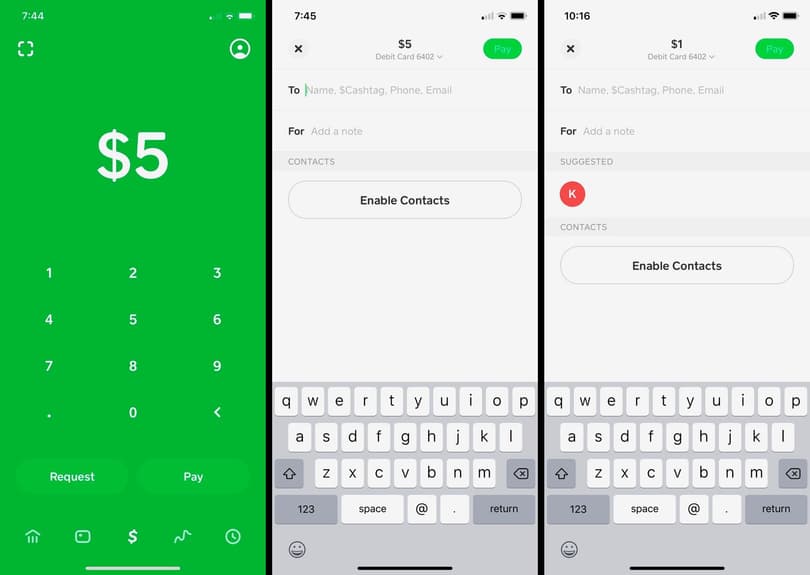
Ignoring these thresholds can lead to unexpected delays, failed transactions, and frustration, especially when dealing with time-sensitive payments or larger sums. This comprehensive guide will delve into the intricacies of Cash App’s sending and receiving limits, explain the verification process that unlocks higher thresholds, explore the factors influencing your personal limits, and provide strategic advice for managing your financial flows effectively within the platform. By grasping these details, you can leverage Cash App more confidently and integrate it smoothly into your broader financial strategy.
Demystifying Cash App’s Basic Transaction Thresholds
Cash App, like all financial tools, operates within a framework of regulatory compliance and security protocols designed to protect users and prevent fraud. These safeguards manifest as transaction limits, which vary depending on the status of your account. Understanding these foundational thresholds is the first step toward mastering your Cash App usage.
Understanding Unverified Account Restrictions
When you first sign up for Cash App, your account starts as “unverified.” This means you haven’t provided the personal identifying information that financial institutions typically require. For unverified users, the transaction limits are intentionally conservative. Typically, an unverified Cash App user can send up to $250 within any 7-day period and receive up to $1,000 within any 30-day period.
These limits are not arbitrary. They are put in place primarily for security reasons and to comply with Anti-Money Laundering (AML) and Know Your Customer (KYC) regulations, albeit in a lighter form for initial onboarding. By restricting the flow of funds for unverified accounts, Cash App reduces the risk associated with anonymous transactions and potential illicit activities. While sufficient for small, infrequent transfers, these low limits can quickly become a bottleneck for anyone looking to use Cash App for more significant financial interactions.
The Gateway to Higher Limits: Account Verification
The key to unlocking substantially higher transaction limits on Cash App is to verify your identity. This process is standard across most financial services and is a crucial step towards becoming a fully recognized and compliant user. Verification demonstrates to Cash App that you are a legitimate individual, thereby reducing perceived risk and enabling the platform to offer you greater financial flexibility.
The verification process typically involves providing some basic but essential personal information. This usually includes your full legal name, date of birth, and the last four digits of your Social Security Number (SSN). For users outside the U.S., equivalent identification might be required. Once this information is submitted and successfully processed, your account transitions from unverified to verified, fundamentally changing your transaction capabilities.
Typical Verified Account Limits for Sending and Receiving
For verified Cash App users, the transaction limits expand dramatically, transforming the app into a much more robust financial tool. While exact figures can sometimes be dynamic and subject to internal algorithms based on user history, a verified Cash App account generally allows you to send up to $7,500 per week. On the receiving end, the good news is even better: verified accounts typically have unlimited receiving capabilities.
This significant increase in limits empowers users to handle a broader range of financial activities, from larger personal transfers to regular payments for services or goods. It positions Cash App as a viable option for managing substantial portions of one’s personal income and expenditures, providing a seamless experience for those who rely on digital payments for their everyday financial interactions. Understanding this contrast between unverified and verified limits underscores the importance of taking that simple step to confirm your identity.
The Verification Process: Unlocking Your Cash App’s Full Financial Potential
The decision to verify your Cash App account is a pivotal moment that significantly expands its utility, moving it from a casual payment tool to a more comprehensive financial instrument. This process is straightforward and designed to meet regulatory requirements while ensuring user security.
A Step-by-Step Guide to Verification
Verifying your Cash App account is a simple, guided process that can be completed directly within the app:
- Initiate a Higher Transaction: Often, the app will prompt you to verify your identity when you attempt to send a sum exceeding your unverified limit. Alternatively, you can proactively seek out the verification option.
- Access Your Profile: Tap the profile icon (usually a silhouette or your photo) in the top right corner of the Cash App home screen.
- Navigate to Personal Information: Scroll down and select “Personal” or “Privacy & Security.”
- Enter Required Details: You will be asked to provide your full legal name, your date of birth, and the last four digits of your Social Security Number (SSN). Ensure all information is accurate and matches official records to prevent delays.
- Submit and Await Confirmation: Once submitted, Cash App will typically review your information quickly. You’ll usually receive a notification within a few minutes to a few days confirming your account has been verified.
The provision of your SSN is not for tax collection at this stage but is a standard requirement for financial institutions to verify identity and comply with federal regulations like the Bank Secrecy Act and the Patriot Act, which aim to combat financial crime.
Why Verification Matters: Beyond Just Increased Limits
While higher sending and unlimited receiving limits are the most immediate and tangible benefits of verification, the advantages extend much further, profoundly impacting your overall financial experience with Cash App.
- Access to Core Financial Features: Verification unlocks access to Cash App’s broader suite of financial services. This includes ordering a Cash Card (a customizable, free debit card linked to your Cash App balance), setting up Direct Deposit for paychecks or government benefits, and engaging in stock and Bitcoin investing directly within the app. Without verification, these robust features remain inaccessible.
- Enhanced Security and Fraud Protection: A verified account provides an additional layer of security. In cases of unauthorized transactions or account issues, having a verified identity makes it significantly easier for Cash App support to assist you, resolve disputes, and protect your funds. It also deters fraudulent actors from attempting to exploit your account.
- Regulatory Compliance: By verifying your identity, you enable Cash App to remain compliant with strict financial regulations. This ensures the platform’s longevity and reliability, fostering a safer ecosystem for all users. It positions Cash App as a legitimate and trustworthy financial tool, crucial for any personal finance strategy.
Ensuring a Smooth Verification Experience
To ensure your verification process is seamless, double-check that all the information you provide is absolutely accurate and consistent with your official documents. Even minor discrepancies can cause delays. If you encounter issues, Cash App’s support channels are available, though verifying common data entry errors first can save time. By successfully completing this step, you transform Cash App into a much more versatile and powerful instrument for managing your personal finances.
Key Factors Influencing Your Personal Cash App Limits
While Cash App outlines general transaction limits for unverified and verified accounts, it’s important to recognize that these are not always absolute ceilings. Several dynamic factors can subtly influence your specific limits, often based on your individual usage patterns and the platform’s internal risk assessment algorithms. Understanding these nuances can help you optimize your Cash App experience.
Your Transaction History and Account Standing
Cash App, like many other financial technology platforms, employs sophisticated algorithms to monitor user behavior and assess risk. Your transaction history plays a significant role in how these algorithms perceive your account:
- Consistent, Legitimate Usage: Accounts with a long history of regular, legitimate transactions, without any flags for suspicious activity, may, over time, see their limits subtly adjusted upwards by Cash App’s internal systems. This isn’t a guaranteed increase beyond the stated verified limits, but it can contribute to a smoother experience and potentially higher dynamic limits in certain contexts.
- Flagged Activity: Conversely, sudden spikes in transaction volume, transfers to unusual recipients, or reported disputes can trigger automatic reviews. This might lead to temporary reductions in limits, a hold on funds, or requests for additional information to confirm the legitimacy of your transactions. Maintaining a transparent and consistent transaction pattern is key to a healthy account standing.
- Age of Account: Older, more established accounts that have consistently adhered to terms of service tend to be viewed more favorably, as they’ve demonstrated a sustained pattern of reliable usage.
Geographic and Regulatory Nuances
Cash App primarily operates in the United States and the United Kingdom. While the core limits and verification processes are largely consistent across these regions, minor variations in local financial regulations could theoretically lead to slight differences. For the vast majority of users, particularly within the US, the general limits discussed above hold true. However, it’s always wise to consult Cash App’s official support pages for the most precise and up-to-date information pertaining to your specific region, as regulatory landscapes can evolve.
Specific Feature Limitations
Beyond general sending and receiving limits, certain specialized features within Cash App may have their own distinct transaction thresholds, which are important financial considerations:
- Cash Card ATM Withdrawals: If you use your Cash Card to withdraw cash from an ATM, there are typically daily and weekly limits (e.g., $310 per transaction, $1,000 per day, $1,000 per week). These are designed to manage physical cash flow and security risks associated with ATM access.
- Bitcoin Transactions: While verified users can buy and sell Bitcoin on Cash App, there are often specific limits on how much Bitcoin you can buy or sell within a given period, and sometimes on how much you can withdraw to an external Bitcoin wallet. These limits are subject to cryptocurrency market volatility and regulatory oversight.
- Instant Deposits: While not a “sending” limit, the ability to instantly transfer your Cash App balance to an external bank account might have limits on the maximum amount you can instantly deposit at once, separate from standard bank transfer limits.

Understanding these specific limits within the broader Cash App ecosystem is crucial for comprehensive financial planning, especially for users who leverage the app for more than just peer-to-peer payments. By being aware of these influencing factors, you can anticipate potential bottlenecks and plan your financial activities accordingly.
Strategic Approaches for Managing Large-Value Transactions
Even with increased limits for verified accounts, you might occasionally encounter situations where a single transaction or a series of transactions approaches or exceeds your Cash App thresholds. Strategic planning and an awareness of alternative solutions are vital for managing larger sums of money effectively.
Proactive Planning and Preparation
The most effective strategy for managing large transactions on Cash App is proactive preparation. Do not wait until the last minute to send a significant sum to realize your account is unverified or your limits are insufficient.
- Verify Your Account Early: If you anticipate needing to send or receive substantial amounts of money, verify your Cash App account well in advance. The verification process, while usually quick, can sometimes take a few days, and waiting can cause significant delays.
- Understand Your Current Limits: Regularly check Cash App’s official support documentation or your in-app profile to stay informed about your current sending and receiving limits. These can sometimes be dynamic based on your usage and other factors.
When to Split Payments
If a single payment exceeds your weekly sending limit for verified accounts, or if you need to send money that would push you past a specific daily threshold, consider splitting the payment.
- Divide and Conquer: Break down the larger sum into multiple smaller transactions that fit within your daily or weekly limits. For example, if you need to send $10,000 and your weekly limit is $7,500, you could send $7,500 in the current week and the remaining $2,500 in the following week.
- Communicate with the Recipient: Always communicate clearly with the recipient when splitting payments to manage expectations and ensure they understand why they are receiving multiple transfers over a period of time. Also, be mindful of their receiving limits, though for verified accounts, receiving is usually unlimited.
Identifying When to Use Alternative Financial Channels
While Cash App is excellent for many transactions, it’s not always the most suitable tool for extremely large transfers (e.g., sums in the tens of thousands or hundreds of thousands). For such high-value transactions, traditional banking methods remain more appropriate due to their higher inherent limits and robust regulatory frameworks.
- Bank Transfers (ACH): For transfers within the US, Automated Clearing House (ACH) transfers through your bank are often free or very low-cost and can handle much larger sums, though they typically take 1-3 business days.
- Wire Transfers: For urgent, very large, or international transfers, wire transfers through your bank are an option. They are generally more expensive but offer higher limits and faster processing, sometimes completing within hours.
- Other Digital Payment Platforms: Some other digital payment services might offer higher specific limits for certain types of transactions, though it’s crucial to compare fees and security features.
Understanding Cash App’s strengths and limitations allows you to choose the most efficient and secure financial tool for each specific need, integrating it thoughtfully into your broader personal finance strategy.
Prioritizing Security with High-Value Transfers
When conducting any transaction, especially those approaching your limits or involving larger sums, security should always be paramount.
- Double-Check Recipient Details: Always verify the recipient’s $Cashtag, phone number, or email address before initiating a transfer. A mistake here can be difficult or impossible to reverse.
- Enable Two-Factor Authentication (2FA): Ensure 2FA is enabled on your Cash App account for an extra layer of security.
- Be Wary of Scams: High-value transactions are often targets for scammers. Never send money to someone you don’t know personally or for questionable reasons (e.g., “winning a lottery,” “secret shopper” scams). Cash App transfers are instant and often irreversible.
By adopting these strategic approaches, you can confidently navigate Cash App’s limits, ensuring your money flows smoothly and securely, aligning with your financial goals and responsibilities.
Comprehensive Financial Considerations for Cash App Users
Beyond the act of sending and receiving money, integrating Cash App into your personal finance strategy requires a holistic understanding of its associated financial aspects. This includes fees, potential tax implications, and how it fits into your overall money management.
Understanding Cash App Fees and Their Impact
While Cash App prides itself on offering many free services, certain features come with fees, and being aware of these is crucial for accurate financial planning:
- Standard Transfers: Sending money from your Cash App balance or linked bank account to another Cash App user is typically free.
- Instant Deposits: If you choose to instantly transfer funds from your Cash App balance to your linked debit card (for immediate access in your bank account), Cash App charges a fee, usually 0.5% to 1.75% of the transaction amount, with a minimum fee often around $0.25. Standard deposits to your bank account (which take 1-3 business days) are free.
- Cash Card ATM Withdrawals: Using your Cash Card at an ATM incurs a $2.50 fee from Cash App, in addition to any fees charged by the ATM operator. This highlights that while convenient, frequent ATM use with Cash App can add up.
- Bitcoin Transactions: Buying and selling Bitcoin on Cash App usually involves a service fee and a small spread built into the purchase price. These fees are transparently displayed before you confirm your transaction.
- Credit Card Fees: If you use a linked credit card to send money, Cash App charges a 3% fee to cover the processing costs. To avoid this, use a linked debit card or your Cash App balance.
These fees, while often small individually, can accumulate over time and impact your overall budget. Always review transaction details before confirming to ensure you understand any associated costs.
The Crucial Role of Tax Implications
For individuals who use Cash App extensively, particularly for receiving payments related to business activities, online income, or side hustles, tax implications are a significant financial consideration.
- 1099-K Reporting: If you receive business or commercial payments through Cash App exceeding a certain threshold, Cash App is legally obligated to report these transactions to the IRS using Form 1099-K. Historically, this threshold was $20,000 and 200 transactions. However, there have been legislative changes (e.g., the American Rescue Plan Act of 2021) that aimed to lower this to $600 for any number of transactions. While implementation for this lower threshold has faced delays and new legislation is being considered, it’s vital to stay informed.
- Income Reporting: Regardless of whether you receive a 1099-K, all income, including that received via Cash App for goods or services, is generally taxable and must be reported on your income tax return. This applies to payments for freelance work, selling goods, or any other form of taxable income.
- Consult a Tax Professional: For complex financial situations or if you anticipate high volumes of business-related transactions on Cash App, it is highly recommended to consult with a qualified tax professional. They can provide personalized advice, help you track your income and expenses, and ensure you remain compliant with tax laws.
Understanding these tax considerations is paramount for responsible financial management and avoiding potential penalties from tax authorities.
Integrating Cash App into Your Overall Personal Finance Strategy
Finally, consider how Cash App fits into your broader personal finance ecosystem. It’s a powerful tool, but it should complement, not replace, traditional banking and investment strategies for most users.
- Budgeting Tool: Use Cash App for specific budget categories, like dining out with friends (for splitting bills) or managing payments for a particular side gig.
- Emergency Fund vs. Spending: Remember that money held in your Cash App balance is readily accessible, which can be great for daily spending but less ideal for long-term savings or emergency funds, which typically yield interest in a traditional bank account.
- Diversify Financial Tools: While convenient, relying solely on a single payment app for all your financial needs might not be the most robust strategy. Diversify your financial tools to manage different aspects of your money effectively.
By considering fees, tax implications, and its role in your budget, you can fully integrate Cash App as a valuable and efficient component of your comprehensive personal finance strategy.

Conclusion
Navigating the financial landscape of digital payment apps begins with a clear understanding of their inherent capabilities and limitations. For Cash App users, knowing “how much money you can send through Cash App” is far more than a simple inquiry; it’s a fundamental aspect of efficient personal finance management. From the initial restrictive limits of unverified accounts to the expansive thresholds unlocked by verification, the journey highlights the importance of identity confirmation in the digital financial world.
We’ve explored the straightforward process of verification, emphasizing its role not just in increasing transaction capacities but also in accessing a wider array of financial features like the Cash Card, direct deposit, and investment opportunities. Furthermore, we’ve delved into the dynamic factors influencing individual limits, offered strategic advice for handling larger transactions through planning and alternative channels, and underscored the critical financial considerations of fees and tax implications.
Ultimately, Cash App is a versatile and powerful tool that, when understood and utilized wisely, can streamline everyday financial interactions, facilitate online income, and seamlessly integrate into your personal budget. By embracing proactive planning, understanding the nuanced limits, and maintaining a vigilant approach to security and tax responsibilities, you can harness Cash App’s full potential and make informed financial decisions that support your broader monetary goals.
aViewFromTheCave is a participant in the Amazon Services LLC Associates Program, an affiliate advertising program designed to provide a means for sites to earn advertising fees by advertising and linking to Amazon.com. Amazon, the Amazon logo, AmazonSupply, and the AmazonSupply logo are trademarks of Amazon.com, Inc. or its affiliates. As an Amazon Associate we earn affiliate commissions from qualifying purchases.