
In an increasingly digital financial landscape, peer-to-peer payment applications like Cash App have revolutionized how individuals send, receive, and manage money. From splitting bills with friends to receiving wages or payouts from online gigs, Cash App serves as a vital financial tool for millions. However, the ultimate goal for many users often revolves around converting their digital balance into tangible cash or moving it to a traditional bank account. This process, commonly known as “cashing out,” is a fundamental aspect of managing your personal finances within the Cash App ecosystem.
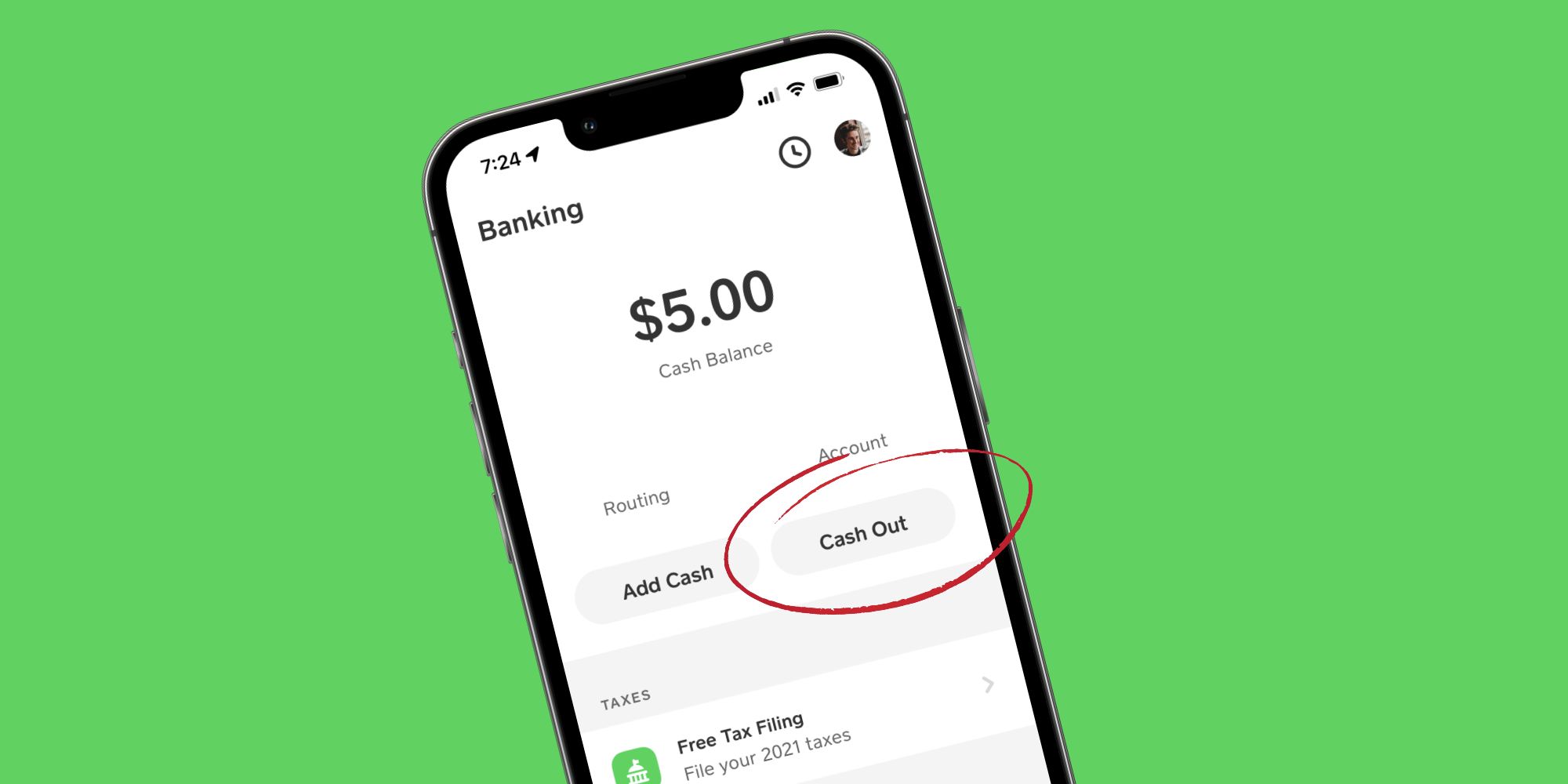
This guide delves deep into the various methods for cashing out from Cash App, offering a professional and insightful look at the processes, associated costs, limitations, and best practices. Understanding these nuances is crucial for effectively managing your funds, ensuring timely access, and making informed financial decisions.
Understanding Cash App’s Cashing Out Mechanisms
Before diving into the mechanics, it’s important to grasp what “cashing out” truly entails within the context of Cash App and why it’s a necessary function for many users. It’s more than just a transaction; it’s a bridge between your digital wallet and the broader financial world.
The Basics: What “Cashing Out” Means on Cash App
Cashing out on Cash App refers to the process of transferring funds from your Cash App balance to an external bank account or withdrawing physical cash. Unlike simply sending money to another Cash App user, cashing out involves moving your funds off the platform. This transformation of digital credit into accessible funds allows users to pay bills not directly supported by Cash App, make purchases at establishments that don’t accept Cash App, or simply have physical cash on hand for various expenditures.
The underlying principle is straightforward: your Cash App balance represents funds held digitally by the platform. To use these funds outside of the Cash App network (e.g., paying rent via check, withdrawing cash from an ATM, or making a deposit into a savings account), they must first be transferred to a linked bank account or accessed through your Cash Card.
Why You Might Need to Cash Out
The reasons for cashing out are as diverse as Cash App’s user base. For many, it’s about seamlessly integrating their digital income with their traditional financial obligations.
- Paying Bills: Many essential bills—rent, mortgages, utility payments—still require transfers from a traditional bank account or physical checks. Cashing out allows users to consolidate funds from Cash App into their primary banking institution for these payments.
- Budgeting and Savings: For individuals managing their finances across multiple platforms, cashing out enables them to move funds into designated savings accounts or consolidate money into a central checking account for better budgetary control.
- Emergency Funds: In urgent situations, immediate access to cash can be critical. Knowing how to efficiently cash out provides a safety net, allowing users to quickly access funds stored in their Cash App balance.
- Large Purchases: While the Cash Card offers significant utility, for very large purchases or investments, transferring funds to a bank account might be preferred for security or processing reasons.
- Side Hustle Payouts: Many independent contractors, freelancers, and individuals engaged in the gig economy receive payments directly through Cash App. Cashing out is essential for converting these earnings into usable funds for daily living expenses or reinvestment.
Understanding these motivations highlights the importance of mastering the various cashing out methods, ensuring financial flexibility and control.
Step-by-Step Guide to Withdrawing Funds
Cash App offers several pathways to cash out, each with its own advantages regarding speed and cost. Choosing the right method depends on your urgency and willingness to incur fees.
Standard Deposit (1-3 Business Days)
This is the most common and cost-effective method for transferring funds from your Cash App balance to your linked bank account. It’s ideal for situations where immediate access to funds isn’t critical.
Process:
- Open Cash App: Launch the Cash App on your mobile device.
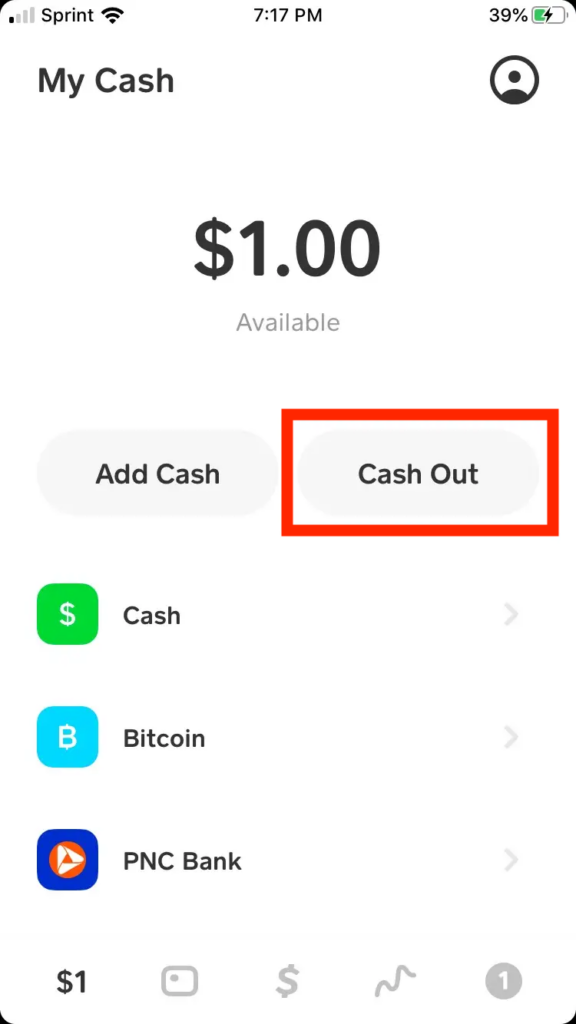
- Navigate to the Banking Tab: Tap the “Banking” tab (the house icon) on the home screen. This will display your Cash App balance.
- Tap “Cash Out”: Below your balance, you’ll see a “Cash Out” button. Tap it.
- Enter Amount: Input the specific amount you wish to transfer to your linked bank account.
- Select Standard Speed: On the next screen, you will be prompted to choose between “Standard” and “Instant.” Select “Standard.”
- Confirm Transfer: Review the details and confirm the transfer.
Financial Implications: This method is free of charge. Funds typically arrive in your linked bank account within 1 to 3 business days. This timeframe can vary slightly depending on your bank’s processing times and whether the transfer is initiated on a weekend or public holiday. It’s an excellent option for routine transfers and managing your personal budget without incurring additional costs.
Instant Deposit (Immediate Access)
For those times when you need immediate access to your funds, Cash App offers an instant deposit option. This convenience comes with a small fee, which is a common trade-off in financial services for expedited transactions.
Process:
- Follow Steps 1-4 for Standard Deposit: Navigate to the Banking tab, tap “Cash Out,” and enter the desired amount.
- Select Instant Speed: On the transfer speed selection screen, choose “Instant.”
- Review Fee: Cash App will clearly display the applicable fee (usually 0.5% to 1.75% of the transaction amount). This fee will be deducted from your Cash App balance.
- Confirm Transfer: Review the final amount (after fee) and confirm the instant transfer.
Financial Implications: While instant, this method incurs a fee, typically ranging from 0.5% to 1.75% of the transferred amount, with a minimum fee of $0.25. This means for every $100 transferred instantly, you might pay between $0.50 and $1.75. This is a crucial financial consideration. While convenient, frequent use for small amounts can accumulate significant fees over time. It’s a strategic choice for emergencies or when time-sensitive financial obligations outweigh the small cost.
Using Your Cash Card at ATMs
Your Cash Card, a customizable debit card linked to your Cash App balance, provides another direct way to access your funds as physical cash. This acts much like any traditional debit card.
Process:
- Activate Cash Card: Ensure your physical Cash Card is activated within the Cash App.
- Find an ATM: Locate an ATM that accepts Visa (as the Cash Card is a Visa debit card).
- Insert Card and Enter PIN: Insert your Cash Card and enter your PIN.
- Select “Withdrawal”: Choose the “Withdrawal” option from the ATM menu.
- Select Account Type: Choose “Checking” when prompted for account type, as your Cash Card effectively draws from your Cash App balance as if it were a checking account.
- Enter Amount and Confirm: Input the desired withdrawal amount and confirm the transaction.
Financial Implications: Cash App charges a $2 fee for ATM withdrawals. Additionally, many ATM operators levy their own fees (surcharge fees), which can range from $2.50 to $5.00 per transaction. This means an ATM withdrawal can easily cost you $4.50 to $7.00 per transaction. To mitigate these costs, Cash App offers a feature to waive ATM fees for users who receive at least $300 in direct deposits into their Cash App account each month. This perk can significantly reduce the cost of accessing physical cash, making Cash App a more attractive option for managing income and expenses. Always check for network ATMs that might be surcharge-free for Visa cards, although the $2 Cash App fee will still apply unless you qualify for the waiver.
Navigating Fees, Limits, and Timelines
Effective financial management with Cash App necessitates a clear understanding of the costs, daily/weekly limits, and processing times associated with cashing out. These factors directly impact your ability to access and utilize your money efficiently.
Understanding Deposit Fees
As outlined, fees are primarily associated with instant deposits and ATM withdrawals.
- Standard Deposit: Free. This is your most financially prudent option if time permits.
- Instant Deposit: 0.5% to 1.75% of the transaction amount (minimum $0.25). This fee is a cost for immediate liquidity. Financial literacy dictates weighing this cost against the benefit of instant access. For example, if you need $500 instantly, a 1.5% fee would be $7.50. Is that $7.50 worth the immediate access for your specific financial need?
- ATM Withdrawal: $2 from Cash App, plus potential third-party ATM fees. Without the direct deposit waiver, ATM withdrawals can be quite expensive, making them less ideal for frequent cash access.
Being aware of these fees allows you to budget accordingly and choose the most cost-effective method for your financial situation. Regularly reviewing your financial habits might even lead you to adjust how you receive funds to qualify for fee waivers.
Daily and Weekly Withdrawal Limits
Cash App imposes limits on how much you can cash out, which are in place for security and regulatory compliance. These limits can vary based on whether your account is verified.
- Unverified Accounts: Typically have lower limits, such as cashing out $25,000 per week.
- Verified Accounts: Enjoy significantly higher limits, often allowing cashing out up to $25,000 per week, with daily limits often around $2,500. Verification usually involves providing your full name, date of birth, and the last four digits of your Social Security Number. For some, a full SSN and home address might be required.
Understanding these limits is vital for financial planning, especially if you deal with larger sums, perhaps from business transactions or significant payouts. If you anticipate needing to transfer large amounts, ensure your account is fully verified well in advance to avoid any unexpected hurdles in accessing your funds.
Transaction Speeds Explained
The speed at which your funds become available varies considerably depending on the chosen method:
- Standard Deposit: 1 to 3 business days. This means if you initiate a transfer on a Friday, the funds might not be available until Tuesday or Wednesday of the following week, accounting for weekend non-processing. Plan accordingly.
- Instant Deposit: Immediate. Funds are typically available in your linked bank account within minutes. This is crucial for urgent financial needs but remember the associated fee.
- ATM Withdrawal: Immediate. Cash is dispensed directly from the ATM.
The variance in speed highlights the need for strategic decision-making in personal finance. For routine transfers, the standard option saves money. For critical, time-sensitive needs, the instant option (despite fees) or an ATM withdrawal offers immediate liquidity.
Enhancing Security and Troubleshooting Common Issues
While Cash App offers immense convenience, ensuring the security of your funds during the cash-out process is paramount. Furthermore, knowing how to address potential issues can save time and prevent financial distress.
Best Practices for Secure Cash Outs
Protecting your financial assets on Cash App requires vigilance and adherence to security best practices.
- Verify Linked Accounts: Always double-check that your correct bank account is linked before initiating any cash-out. A simple typo can send funds to an unintended destination, leading to significant delays and complications in recovery.
- Use Strong, Unique Passwords/PINs: Safeguard your Cash App account with a strong, unique PIN or password. Enable two-factor authentication (2FA) for an added layer of security.
- Be Wary of Phishing Scams: Cash App will never ask for your PIN, sign-in code, or full SSN via phone, email, or social media. Be suspicious of any communications purporting to be from Cash App that ask for this sensitive information. Scammers often target users during cash-out periods.
- Monitor Your Account Regularly: Periodically review your transaction history. Promptly report any suspicious or unauthorized activity to Cash App support.
- Secure Your Mobile Device: Your phone is the gateway to your Cash App. Keep your device secured with a passcode, fingerprint, or facial recognition. Be cautious about using Cash App on public Wi-Fi networks.
These practices aren’t just about protecting your Cash App balance; they are fundamental principles of digital financial security that apply across all your online financial interactions.
What to Do If a Transaction Fails or is Delayed
Despite best efforts, issues can sometimes arise during cash-out transactions. Knowing the appropriate steps can expedite resolution.
- Check Your Bank Account: For standard and instant deposits, first confirm with your bank if the funds have arrived. Sometimes there’s a delay in your bank’s system displaying the deposit even if Cash App has processed it.
- Review Cash App Activity: Go to the “Activity” tab in Cash App to check the status of your cash-out transaction. It should indicate if it’s pending, completed, or failed.
- Verify Bank Details: Double-check that the linked bank account details in Cash App are correct. Incorrect routing or account numbers are common causes of failed transfers.
- Contact Cash App Support: If the transaction status is unclear, or if a significant delay occurs beyond the stated timeframe, contact Cash App support directly through the app or their official website. Provide them with all relevant transaction details.
- Contact Your Bank: If Cash App confirms the transfer was successful but your bank claims no record, you may need to involve both parties to trace the funds.
Patience is key, but proactive communication with both Cash App and your bank is crucial for resolving any transfer issues swiftly.
Protecting Your Account from Fraud
Fraud prevention is an ongoing responsibility. Be aware of common scams such as fake customer support numbers, “cash flipping” schemes (where someone promises to multiply your money), and requests for money to “unlock” funds. Never share your sign-in code or PIN with anyone, even if they claim to be from Cash App support. Legitimate support will never ask for this information. By staying informed and exercising caution, you significantly reduce your risk of falling victim to financial fraud.
Maximizing Your Cash App Experience
Beyond simply cashing out, Cash App can be integrated into a broader personal finance strategy, offering more than just transactional utility.
Integrating Cash App into Your Personal Finance Strategy
For the financially astute, Cash App can be more than a simple money transfer tool; it can be an active component of your financial management.
- Budgeting Tool: If you primarily receive income or conduct specific types of transactions through Cash App, it can serve as a separate budgeting category. For instance, designating all “side hustle” income to flow through Cash App and then strategically cashing it out can help delineate income streams.
- Emergency Fund Component: For some, maintaining a small emergency fund within their Cash App balance, accessible instantly via instant deposit or Cash Card, provides quick financial relief for unexpected costs.
- Savings Integration: While Cash App doesn’t offer high-yield savings accounts, you can use its easy cash-out features to regularly transfer funds to a dedicated savings account at your primary bank, automating or facilitating regular contributions.
- Monitoring Spending: The activity tab offers a clear record of transactions, which can be useful for tracking specific spending patterns if a portion of your financial life flows through the app.
By viewing Cash App as one of several financial tools, you can strategically leverage its features to complement your overall financial goals, whether that’s saving, budgeting, or managing specific income streams.
Leveraging Cash App for Business and Side Hustles
For entrepreneurs, freelancers, and those with side hustles, Cash App has become an indispensable platform for receiving payments.
- Streamlined Payments: Cash App’s ease of use makes it a popular choice for clients to pay for services, simplifying the collection of income.
- Quick Access to Earnings: The ability to cash out instantly means earnings from a gig can be quickly converted into usable funds for business expenses, personal needs, or reinvestment.
- Record Keeping: The app’s transaction history provides a basic record of income received, which can be valuable for tax purposes (though it’s always recommended to keep more robust records for business).
- Business Cash Card: Cash App also offers business accounts and dedicated Cash Cards, which can help separate personal and business expenses, a fundamental principle of sound business finance.
Successfully navigating the cash-out process on Cash App is a critical skill for anyone using the platform. By understanding the different methods, their associated costs, limits, and security considerations, you can ensure your digital funds are always accessible when and how you need them. This comprehensive understanding empowers you to make smarter financial decisions, protect your assets, and fully leverage Cash App as an integral part of your personal and business financial toolkit.
aViewFromTheCave is a participant in the Amazon Services LLC Associates Program, an affiliate advertising program designed to provide a means for sites to earn advertising fees by advertising and linking to Amazon.com. Amazon, the Amazon logo, AmazonSupply, and the AmazonSupply logo are trademarks of Amazon.com, Inc. or its affiliates. As an Amazon Associate we earn affiliate commissions from qualifying purchases.