
Cash App has become an indispensable financial tool for millions, simplifying everything from splitting dinner bills with friends to managing personal investments. Its user-friendly interface and comprehensive features have revolutionized peer-to-peer (P2P) payments, making it a staple in the digital economy. However, beneath the surface of its sleek app lies a complex financial architecture, reliant on partnerships with traditional banking institutions. For anyone using Cash App for personal finance, managing a side hustle, or handling business transactions, understanding “who Cash App banks with” is not merely a technical curiosity but a crucial aspect of financial transparency, security, and regulatory compliance.
This article delves into the foundational banking relationships that enable Cash App to operate, exploring why these partnerships are vital for everything from FDIC insurance to processing your transactions. By understanding these underlying structures, users can gain greater confidence in their digital financial dealings and better manage their money within the evolving landscape of fintech.
The Hybrid Model: FinTech Meets Traditional Banking
Cash App, like many financial technology (FinTech) companies, operates on a hybrid model. It leverages cutting-edge technology to deliver innovative financial services directly to consumers while partnering with established, regulated banks to handle the core functions of holding deposits, processing transactions, and adhering to strict financial regulations. This symbiotic relationship allows FinTechs to innovate rapidly and reach broad audiences, while traditional banks extend their reach into digital-first demographics without overharisking their existing infrastructure.
Cash App’s Core Banking Partners
The primary institutions that Cash App partners with to provide its banking-like services are crucial to its operation. For many of its standard cash management and debit card services, Lincoln Savings Bank and Sutton Bank are key players. When you receive money into your Cash App balance, or spend using your Cash Card (Cash App’s Visa debit card), these banks often play the role of the underlying financial institution holding your funds and processing transactions. Lincoln Savings Bank, an Iowa-chartered bank, is an FDIC member, meaning that eligible balances held through their partnership with Cash App can be protected by FDIC insurance. Sutton Bank, an Ohio-chartered bank, is also an FDIC member and plays a significant role in issuing prepaid and debit cards for various FinTechs, including the Cash Card.
The Role of E-Money Institutions and Sponsored Banks
The partnership model often involves what are known as “sponsored banks” or arrangements that enable FinTechs to operate effectively as e-money institutions. A sponsored bank essentially allows a FinTech company, which may not hold its own bank charter, to offer banking services under the bank’s regulatory umbrella. This means the FinTech uses the bank’s existing infrastructure, regulatory licenses, and Federal Reserve access to conduct financial activities.
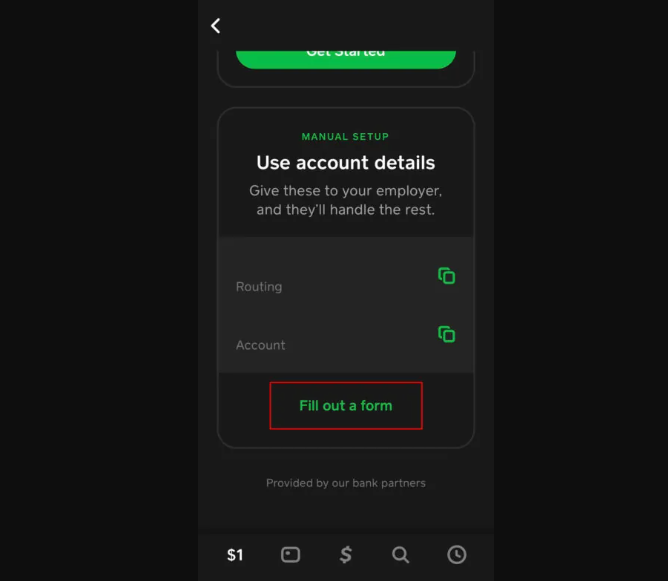
For Cash App, these arrangements are critical. They enable the app to offer features like direct deposit, a routing and account number, and debit card functionality, all of which are traditionally exclusive to chartered banks. The sponsored bank takes on the regulatory responsibility, while Cash App focuses on user experience and technological innovation. This division of labor is a cornerstone of the modern FinTech ecosystem, allowing rapid expansion of financial tools without requiring every tech company to become a fully regulated bank. This framework is particularly important for consumers who want to use a digital-first service but still benefit from the stability and oversight associated with traditional banking.
Beyond Traditional Accounts: Brokerage and Other Services
Cash App has expanded well beyond simple P2P payments, offering services such as stock investing and Bitcoin trading. Each of these specialized financial services typically requires its own set of regulated partners.
For stock investing, Cash App partners with DriveWealth LLC. DriveWealth is a registered broker-dealer and a member of FINRA (Financial Industry Regulatory Authority) and SIPC (Securities Investor Protection Corporation). This partnership means that when you invest in stocks through Cash App, your brokerage account is held with DriveWealth, and your investments are protected by SIPC up to $500,000 in the event of DriveWealth’s failure. This is distinct from FDIC insurance, which covers bank deposits.
For Bitcoin trading, the situation is different as cryptocurrencies are not recognized as securities in the same way stocks are, nor are they eligible for FDIC or SIPC insurance. Cash App acts as an intermediary, facilitating the purchase and sale of Bitcoin, often holding customer Bitcoin in cold storage with various custody solutions. The underlying liquidity providers and custody partners for Bitcoin can vary, highlighting the distinct regulatory and security considerations for different types of financial assets offered within the same app. This diversification of partnerships underscores the complexity of providing a multi-faceted financial tool.
Why Understanding Banking Partners Matters for Your Money
For users, knowing who Cash App banks with is not just trivia; it’s fundamental to understanding the security, protections, and operational limits of their financial tool. These partnerships directly impact how your money is held, protected, and regulated, making them a critical consideration for both personal and business finance management.
FDIC Insurance and User Protection
One of the most significant reasons to understand Cash App’s banking partners is FDIC insurance. The Federal Deposit Insurance Corporation (FDIC) is an independent agency of the United States government that protects depositors in FDIC-insured banks against the loss of their insured deposits. When your money is held in an FDIC-insured bank, it’s protected up to $250,000 per depositor, per ownership category, in the event of the bank’s failure.
Because Cash App is not a bank itself, the FDIC insurance coverage for your Cash App balance depends on whether your funds are held at one of its partner banks (like Lincoln Savings Bank or Sutton Bank) in a way that qualifies for pass-through FDIC insurance. For instance, funds associated with a Cash Card or direct deposits that are held at a partner bank are typically eligible for FDIC insurance. However, funds held in other capacities, or balances that haven’t been linked to a specific bank account or card service, might not be directly covered. This distinction is crucial for personal finance, as it directly relates to the safety net for your digital funds. Users should always ensure their Cash App account is linked to services provided by an FDIC-insured partner to maximize protection.
Regulatory Compliance and Consumer Safeguards
The banks Cash App partners with are subject to stringent federal and state banking regulations. This oversight provides a critical layer of consumer protection. These regulations dictate how funds are managed, how transactions are processed, and how customer data is protected. For example, partner banks must comply with the Bank Secrecy Act (BSA) and Anti-Money Laundering (AML) regulations, which require them to monitor transactions for suspicious activity.
By operating under the umbrella of regulated banks, Cash App benefits from these existing frameworks, ensuring a higher degree of trust and security for users’ money. This protects consumers from potential fraud, mismanagement of funds, and other illicit financial activities. For small businesses or individuals using Cash App for income, this regulatory adherence is vital for maintaining legitimate financial operations and avoiding unforeseen legal or financial complications. It ensures that the financial tool you rely on operates within established legal boundaries designed to safeguard financial integrity.

Impact on Transaction Limits and Processing
The underlying banking partners also directly influence operational aspects like transaction limits and processing speeds. Banks have their own internal policies, risk assessments, and compliance requirements that dictate how much money can be moved at once, how quickly it can be settled, and which types of transactions are permissible.
For instance, the daily or weekly limits on sending, receiving, or withdrawing money from Cash App are not solely determined by Cash App but are often influenced by the capacities and regulatory obligations of its banking partners. Similarly, the speed at which direct deposits clear or debit card transactions process can depend on the integration and processing capabilities of Lincoln Savings Bank or Sutton Bank. Understanding these interdependencies helps users comprehend why certain limits are in place and why some transactions might take longer than others, allowing for more effective financial planning and management, particularly for those relying on Cash App for regular income or business expenses.
The Evolution of Digital Banking and Financial Tools
Cash App’s model of partnering with traditional banks exemplifies a broader trend in the financial industry: the blurring lines between FinTech innovators and established financial institutions. This evolution is reshaping how individuals and businesses interact with their money, offering unprecedented convenience and accessibility.
The Rise of Neobanks and Challenger Banks
Cash App can be seen as part of the broader “neobank” or “challenger bank” movement, even though it’s not a bank itself. Neobanks are digital-only financial institutions that aim to provide a streamlined, technology-driven alternative to traditional banking. While many neobanks seek their own charters, many, like Cash App, begin by partnering with existing banks. This approach allows them to quickly deploy services, bypass the extensive regulatory hurdles of becoming a fully chartered bank, and focus on user experience and feature development. For consumers, this translates into more choice, lower fees (often), and more intuitive tools for managing personal finance.
Benefits for Personal Finance Management
The hybrid model employed by Cash App provides significant benefits for personal finance management. Users gain access to a powerful suite of financial tools – from P2P payments and direct deposit to investing and budgeting – all within a single, easy-to-use app. This simplifies the often-fragmented world of personal finance, allowing individuals to track spending, save, and invest more effectively. The convenience of instantaneously sending money, receiving paychecks early (a feature often enabled by FinTech/bank partnerships), and managing a debit card through a smartphone app empowers users to take greater control over their daily finances and react more agilely to financial needs.
Implications for Small Businesses and Side Hustles
For entrepreneurs, freelancers, and those with side hustles, Cash App has become an invaluable tool. Its ability to facilitate quick payments, receive direct deposits, and even serve as a point-of-sale system for small transactions makes it highly appealing. The partnerships with traditional banks ensure that these transactions are processed securely and comply with financial regulations, lending credibility to small business operations. This accessibility lowers the barrier to entry for many small ventures, enabling them to accept digital payments without the complexities and costs associated with traditional merchant services. This support is crucial for the gig economy and the proliferation of micro-businesses, empowering individuals to manage their business finances efficiently alongside their personal ones.
Navigating Your Cash App Finances with Confidence
Understanding the “who” behind Cash App’s banking services is the first step toward using the platform with greater confidence and informed decision-making. Knowing the mechanisms of financial protection and operational logistics helps users optimize their experience and safeguard their funds.
Verifying Account Details and Funds Protection
Users can often verify which partner bank is holding their funds by checking their Cash App account statements or terms and conditions. For example, if you have a Cash Card and a routing/account number, these details will typically point to Lincoln Savings Bank or Sutton Bank. It’s important to understand that your funds are insured only if they are held at an FDIC-insured partner bank and meet specific criteria for pass-through insurance. Users should proactively confirm these details to ensure their balance is adequately protected. This might involve reviewing Cash App’s official help documentation or directly contacting support for clarification on how FDIC insurance applies to their specific account setup.
Best Practices for Secure Financial Transactions
Regardless of who Cash App banks with, fundamental best practices for financial security remain paramount. This includes enabling two-factor authentication, using strong, unique passwords, being wary of phishing attempts, and regularly monitoring account activity for any suspicious transactions. Users should also be cautious about sending money to unfamiliar individuals or in response to unsolicited requests, as the instantaneous nature of P2P payments can make it difficult to recover funds sent in error or due to fraud. Understanding that the banking partners provide the infrastructure but personal vigilance provides the first line of defense is key to safe digital money management.
The Future of FinTech Partnerships
The landscape of FinTech and banking partnerships is constantly evolving. As Cash App and other digital financial tools continue to expand their offerings, we can expect to see new types of partnerships emerge, potentially involving a broader range of banks, specialized financial institutions, and even blockchain-based financial services. These future developments will further refine how money is managed, invested, and transferred, making it even more important for users to stay informed about the financial architecture supporting their chosen digital platforms. The core principle, however, will likely remain: innovation powered by technology, underpinned by robust, regulated financial institutions.
Conclusion
Cash App’s ability to seamlessly integrate into our daily financial lives is a testament to its innovative technology and strategic partnerships with traditional banks. Lincoln Savings Bank, Sutton Bank, DriveWealth LLC, and other specialized institutions form the bedrock of Cash App’s diverse financial services, from P2P payments and debit cards to stock investing and Bitcoin trading.
For individuals and businesses relying on Cash App, understanding these relationships is crucial. It clarifies the extent of FDIC and SIPC insurance protection, explains regulatory compliance, and demystifies transaction limits. By recognizing the hybrid model that marries cutting-edge fintech with traditional financial oversight, users can navigate their Cash App finances with greater confidence and make more informed decisions about how their money is stored, spent, and invested. As digital financial tools continue to shape the future of personal and business finance, an informed understanding of their underlying architecture will be increasingly valuable.
aViewFromTheCave is a participant in the Amazon Services LLC Associates Program, an affiliate advertising program designed to provide a means for sites to earn advertising fees by advertising and linking to Amazon.com. Amazon, the Amazon logo, AmazonSupply, and the AmazonSupply logo are trademarks of Amazon.com, Inc. or its affiliates. As an Amazon Associate we earn affiliate commissions from qualifying purchases.