
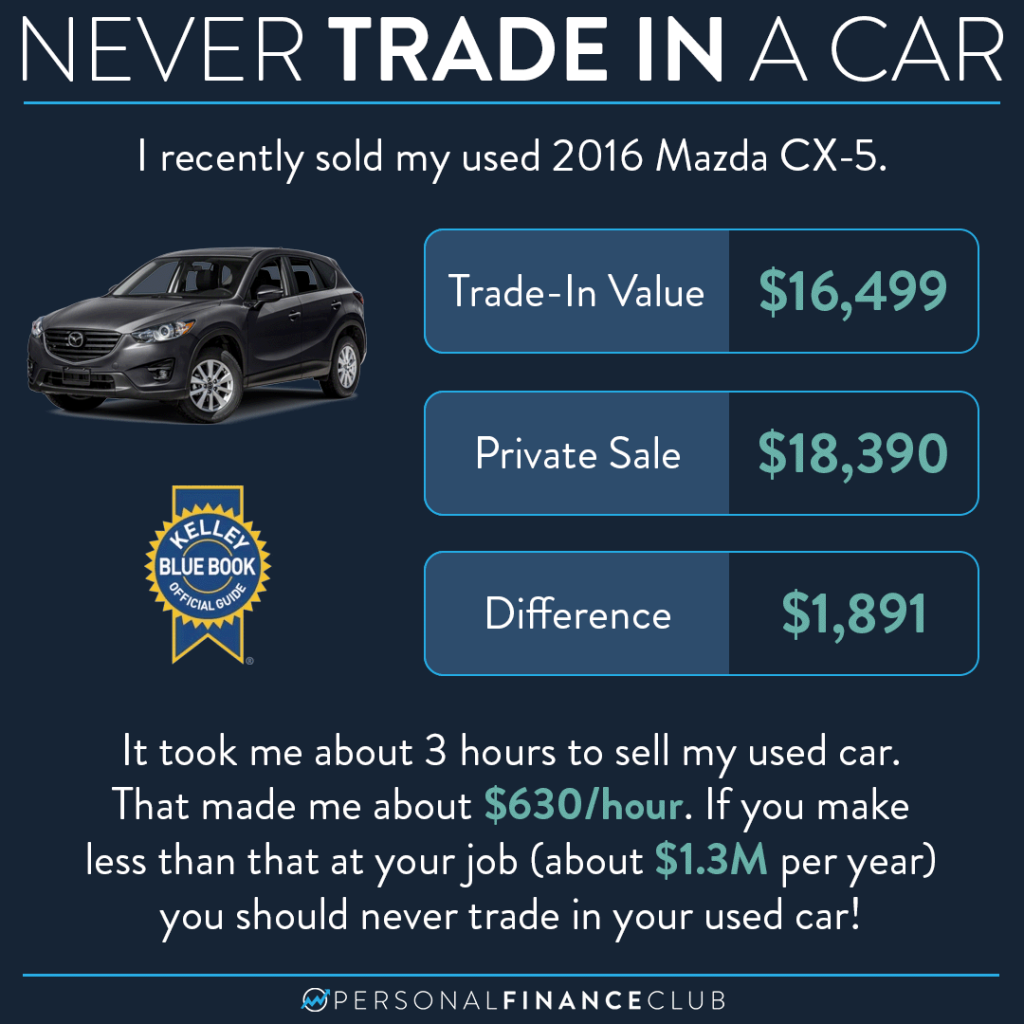
Selling a car privately can seem daunting, but it offers a powerful opportunity to maximize your financial return compared to trading it in or selling to a dealership. It’s a personal finance endeavor that, when approached strategically, can put hundreds or even thousands of extra dollars back into your pocket. This guide will walk you through every step, from initial preparation to sealing the deal, ensuring you navigate the process effectively, protect your interests, and achieve the best possible financial outcome.
1. Preparation is Key: Setting the Stage for a Successful Sale
Before you even think about listing your car, thorough preparation is paramount. This initial phase isn’t just about making the car look good; it’s about understanding its financial standing and laying the groundwork for a smooth, profitable transaction. A well-prepared vehicle and owner signal professionalism and trustworthiness, directly impacting perceived value and buyer confidence.

Understanding Your Car’s True Value
The first financial step is to accurately assess what your car is truly worth. This isn’t just a subjective feeling; it’s a data-driven process. Start by gathering essential information: year, make, model, trim level, mileage, condition, and any special features or upgrades. Use reputable online valuation tools like Kelley Blue Book (KBB), Edmunds, and NADAguides. These platforms provide estimated private party sale values based on market data, helping you benchmark your vehicle. Remember to be honest about your car’s condition when using these tools, as an inflated assessment will lead to an unrealistic valuation. Compare these estimates against similar cars listed for sale in your local area on platforms like AutoTrader, Facebook Marketplace, and Craigslist. This comprehensive research will give you a realistic idea of your car’s market position and potential selling price, preventing you from underselling or overpricing.
The Financial Impact of Reconditioning
Investing a little money into your car’s appearance and functionality can significantly boost its perceived value and, consequently, your asking price. Consider it a strategic financial outlay. A professional detail, typically costing a few hundred dollars, can dramatically improve curb appeal, making the car look newer and better maintained. Address minor cosmetic flaws like small dents, scratches, or worn interior components. While major repairs might not always yield a positive return on investment (ROI), fixing smaller, noticeable issues—like a non-functioning headlight, a cracked taillight, or worn wiper blades—is usually worthwhile. Ensure all basic maintenance is up to date; fresh oil, topped-off fluids, and properly inflated tires demonstrate that the vehicle has been cared for, alleviating buyer concerns about immediate post-purchase expenses. Keep receipts for any work done, as these provide tangible proof of your investment and the car’s maintenance history, adding credibility during negotiations.
Gathering Essential Documentation
A complete set of organized documents not only streamlines the sale but also instills buyer confidence and protects you legally and financially. Crucially, have the vehicle title (pink slip) in your possession and free of any liens. If there’s an outstanding loan, you’ll need to coordinate with your lender to obtain a lien release, which might involve paying off the balance before the sale or facilitating a direct transfer of funds from the buyer to your lender. Also, compile all service records, maintenance history, and original owner’s manuals. These documents provide a transparent history of the car’s care, confirming mileage, past repairs, and any upgrades, which can significantly justify your asking price and expedite the transaction. Having everything ready upfront avoids last-minute scrambling and potential delays that could jeopardize a sale.
2. Pricing Your Vehicle: Striking the Balance Between Value and Appeal
Setting the right price is perhaps the most critical financial decision in the private sale process. Price too high, and you’ll deter potential buyers; price too low, and you’ll leave money on the table. The goal is to find that sweet spot that reflects your car’s true market value while attracting serious buyers.
Researching Market Value and Competitive Pricing
Beyond the initial valuation tools, delve deeper into the current market. What are similar cars actually selling for in your geographic area? Scour online marketplaces (Facebook Marketplace, Craigslist, AutoTrader, CarGurus, eBay Motors) for vehicles matching your year, make, model, trim, and mileage. Pay close attention to the listed condition, features, and the time these cars have been on the market. If similar cars are sitting for weeks or months, it might indicate an overinflated local market. Conversely, if they’re selling quickly, you might have more leverage. This competitive analysis helps you understand buyer expectations and allows you to position your vehicle strategically. Don’t just look at asking prices; consider what prices might be after negotiation.
Accounting for Depreciation and Condition
Depreciation is a car owner’s quiet financial adversary. Vehicles lose value the moment they’re driven off the lot, and this process continues throughout their lifespan, influenced by age, mileage, and condition. When pricing, be realistic about how much value your car has lost. A car with minor dings, a ripped seat, or a warning light on the dash will command a lower price than one in pristine condition, regardless of mileage. Factor in any modifications; while some might add personal value, not all aftermarket parts increase resale value. For instance, a custom sound system might not appeal to every buyer, and you might not recoup its full cost. Be objective about your car’s condition and adjust your price accordingly. Overstating condition will only lead to disappointment during inspections and negotiations.
Strategies for Setting Your Asking Price
Once you have a solid understanding of your car’s value and market position, it’s time to set your asking price. A common strategy is to price slightly above your absolute minimum acceptable price. This leaves room for negotiation, which almost every private buyer expects. For example, if you’re comfortable with $10,000, you might list it for $10,500 or $10,999. The “999” strategy (e.g., $10,999 instead of $11,000) can create a psychological perception of a lower price point. Clearly state your price, but be prepared to justify it. Highlight any recent maintenance, new tires, or desirable features that add value. Transparency about minor flaws, accompanied by a fair price, builds trust. Remember, your ultimate goal is to sell, so finding the sweet spot between maximizing your return and attracting buyers is crucial.
3. Marketing Your Car: Reaching the Right Buyers Without Breaking the Bank
Effective marketing doesn’t have to be expensive. In the digital age, you have numerous cost-effective tools at your disposal to reach a broad audience of potential buyers. The key is to present your car in the most appealing and honest light, focusing on value and transparency.
Cost-Effective Online Listing Platforms
Leverage free or low-cost online platforms to maximize your reach. Facebook Marketplace is an excellent free option, allowing you to target local buyers and often benefiting from social network sharing. Craigslist is another classic, free platform, though it requires vigilance against scammers. For a more targeted and potentially higher-quality audience, consider paid platforms like AutoTrader, CarGurus, or eBay Motors. While these incur a listing fee, they often come with more robust features, better security, and a dedicated car-buying audience. Choose platforms that align with your budget and target demographic. For instance, a classic car might do better on a specialized enthusiast forum than on a general marketplace.
Crafting an Irresistible Financial Pitch
Your advertisement is your car’s salesperson. Write a detailed, accurate, and compelling description that highlights your car’s key features, benefits, and value proposition. Start with a catchy headline that includes the year, make, model, and a key selling point (e.g., “2018 Honda Civic EX – Low Miles, One Owner!”). In the body, list standard features, optional upgrades, and recent maintenance (with receipts). Be transparent about any minor imperfections, as honesty builds trust and avoids wasted time. Crucially, emphasize the financial advantages: good gas mileage, low maintenance costs, reliability, or that it’s a great commuter car. Frame your narrative around the value the buyer will receive for their investment. Conclude with clear contact information and a call to action, such as “Serious inquiries only, call or text to schedule a viewing.”
Leveraging High-Quality Visuals
Pictures are arguably the most important element of your online ad. They are the first impression and often determine whether a buyer clicks on your listing. Invest time in taking clear, well-lit photographs from multiple angles. Shoot in natural daylight, preferably on a clear day. Clean the car thoroughly, both inside and out. Take photos of the exterior (front, back, sides, angles), interior (dashboard, seats, trunk), engine bay, and tires. Highlight desirable features like alloy wheels, a sunroof, or a touchscreen display. If there are any minor imperfections you’ve disclosed, include a photo of them to demonstrate transparency. A short, professional video walk-around can also significantly increase engagement and give buyers a more comprehensive view of the vehicle’s condition. Remember, high-quality visuals equate to higher perceived value and more serious inquiries.
4. Navigating the Sales Process: Negotiation and Secure Transactions
Once your car is listed and inquiries start rolling in, you enter the active sales phase. This involves communicating with potential buyers, arranging viewings, and crucially, negotiating the price and securing payment. This stage is where your financial acumen and vigilance are most tested.
Mastering the Art of Financial Negotiation
Negotiation is an expected part of private car sales. Be prepared for buyers to try and lower your asking price. Do not take it personally. Know your absolute minimum acceptable price beforehand and stick to it. Listen actively to the buyer’s concerns, but don’t be swayed by tactics that undervalue your car. You can counter offers by highlighting the value points you’ve prepared: recent maintenance, good condition, desirable features, and your thorough documentation. Be firm but polite. If a buyer points out a flaw, acknowledge it but pivot back to the overall value. For instance, “Yes, there’s a small scratch on the bumper, which I’ve factored into my competitive asking price, but this car also comes with brand new tires and a recent major service.” If an offer is too low, you can politely decline or suggest a compromise. Don’t feel pressured to accept the first offer, especially if you’re confident in your pricing.
Safeguarding Against Scams and Fraudulent Payments
Protecting yourself financially from scams is paramount. Always meet in a public, well-lit place for initial viewings. Never share personal financial information like bank account details. Be wary of buyers who offer to pay more than your asking price, particularly if they ask you to wire back the difference – this is a common scam involving fraudulent checks. Insist on secure payment methods. A cashier’s check or certified check drawn from a local bank is generally safe, but verify its authenticity with the issuing bank before releasing the title or vehicle. The safest option, if possible, is an electronic bank transfer (ACH or wire) directly into your account, or meeting at your bank for a direct transfer of funds, ensuring the funds are cleared before the transaction is complete. Avoid personal checks or online payment apps unless you have confirmed the funds have fully cleared. Never hand over the keys or title until payment is fully secured and verified.
The Importance of a Bill of Sale and Financial Agreement
A comprehensive bill of sale is your legal and financial protection. This document formally records the transaction and protects both buyer and seller. It should include:
- Your name and address (seller)
- Buyer’s name and address
- Date of sale
- Vehicle year, make, model, VIN (Vehicle Identification Number)
- Odometer reading at the time of sale
- Final sale price
- A statement that the car is sold “as-is” (unless specific warranties are agreed upon, which is rare in private sales)
- Signatures of both buyer and seller
Having two copies, one for each party, ensures a clear record of the financial transaction. This document is essential for future reference, tax purposes, and to protect you if the buyer later claims issues with the vehicle, providing proof that the transfer of ownership and condition were agreed upon at the point of sale.
5. Post-Sale Essentials: Tying Up Loose Ends and Financial Record Keeping
The transaction isn’t truly complete until you’ve handled the administrative and financial aftermath. These final steps are crucial for your financial and legal protection, ensuring a clean break from your previous vehicle.
Notifying Relevant Authorities (DMV, Insurance)
After the sale, it is imperative to notify your local Department of Motor Vehicles (DMV) or equivalent state agency. Many states require you to submit a “Notice of Transfer and Release of Liability” form within a specific timeframe (e.g., 5-10 days). This document officially informs the state that you are no longer the owner of the vehicle, releasing you from any financial or legal responsibility for parking tickets, accidents, or other incidents that might occur after the sale. Failure to do so could result in you being held liable. Immediately contact your insurance company to remove the sold vehicle from your policy. This prevents you from paying for coverage you no longer need and frees up premium funds. Keep records of these notifications for your financial files.
Understanding Tax Implications and Capital Gains
For most private car sales, you won’t owe capital gains tax, as cars typically depreciate and are sold for less than their original purchase price. However, it’s wise to understand the rules in your jurisdiction. If, by some rare chance, you sell a classic car or a collector’s item for more than you paid for it, you might be subject to capital gains tax. Always keep detailed records of your original purchase price and any significant investments (like major restoration work) to establish your cost basis. Conversely, depending on your state, you might be eligible for a sales tax credit on a new car purchase if you sell your old car within a specific timeframe. Consult a tax professional if you have questions about your specific situation to ensure you’re compliant and maximizing any potential benefits.

Updating Your Personal Finance Records
Finally, update your personal finance records. This includes your budget, net worth statement, and any asset tracking sheets. Remove the sold vehicle as an asset. Reallocate the funds received from the sale according to your financial plan, whether that’s for a new vehicle purchase, debt reduction, savings, or investment. Keep all sale-related documents—the bill of sale, payment confirmation, DMV release form, and insurance cancellation—in a secure place with your other important financial records. This diligent record-keeping ensures accuracy in your financial picture and provides a paper trail should any questions arise in the future.
Selling your car privately is a significant financial undertaking that, with careful planning and execution, can be highly rewarding. By understanding your car’s value, strategic pricing, effective marketing, secure transaction methods, and diligent post-sale administration, you can confidently navigate the process and ensure you walk away with the maximum possible return.
aViewFromTheCave is a participant in the Amazon Services LLC Associates Program, an affiliate advertising program designed to provide a means for sites to earn advertising fees by advertising and linking to Amazon.com. Amazon, the Amazon logo, AmazonSupply, and the AmazonSupply logo are trademarks of Amazon.com, Inc. or its affiliates. As an Amazon Associate we earn affiliate commissions from qualifying purchases.