
The question “what is a normal car insurance rate?” is deceptively simple, often leading individuals down a rabbit hole of averages, anecdotal evidence, and ultimately, more confusion than clarity. In the realm of personal finance, car insurance represents a significant, recurring expense that is not only legally mandated in most places but also crucial for protecting one’s assets and financial well-being in the event of an accident. Unlike a fixed price tag on a product, a car insurance premium is a highly individualized figure, meticulously calculated by insurers based on a complex interplay of risk factors. Therefore, what constitutes “normal” for one driver in one location might be wildly abnormal for another. This article delves into the intricacies of car insurance pricing, dissecting the key determinants, offering strategies for cost optimization, and guiding you through the process of determining if your current rate aligns with reasonable expectations for your unique profile.
Understanding the Nuances of Car Insurance Pricing
To truly grasp what a “normal” car insurance rate entails, one must first understand the fundamental principles guiding how insurers operate and, more specifically, how they assess risk and price their products. Car insurance is, at its core, a sophisticated risk management system.
The Concept of “Normal” in Insurance
In the insurance industry, “normal” isn’t a single, static number; rather, it’s a dynamic range. It’s the average cost for a specific segment of the population sharing similar risk characteristics, adjusted for geographic and market-specific factors. Insurers pool premiums from thousands, or even millions, of policyholders to create a fund from which to pay out claims. The goal is to collect enough in premiums to cover expected claims and operating expenses while still generating a profit. If your premium falls within the typical range for someone with your profile and location, considering market competition, then your rate could be considered “normal.” Deviations from this range usually point to unique risk factors or a need to re-evaluate your policy or provider.
How Insurers Assess Risk
Every factor an insurer considers boils down to an assessment of risk: how likely are you to file a claim, and how expensive might that claim be? Insurers employ highly sophisticated actuarial models, drawing on vast datasets of historical claims, demographic information, and statistical probabilities. They analyze everything from collision statistics for certain car models to accident rates in specific zip codes. The lower your perceived risk, the lower your premium tends to be. Conversely, higher perceived risk translates to higher rates, as the insurer anticipates a greater likelihood of having to pay out on your behalf.
The Role of Actuarial Science
Actuarial science is the backbone of insurance pricing. Actuaries are financial professionals who use mathematical and statistical methods to assess risk in insurance and finance. They analyze data to predict the frequency and severity of future claims, calculating the appropriate premium needed to cover these potential losses and maintain the insurer’s solvency. They consider factors like age, driving history, vehicle type, and location, assigning statistical probabilities to each to determine a personalized rate. This rigorous, data-driven approach is why seemingly minor details can have a measurable impact on your premium.
Key Factors Influencing Your Car Insurance Premium
Dozens of variables contribute to the final cost of your car insurance. Understanding these factors is the first step toward deciphering your own rate and identifying potential areas for adjustment.
Personal Demographics: Age, Gender, and Marital Status
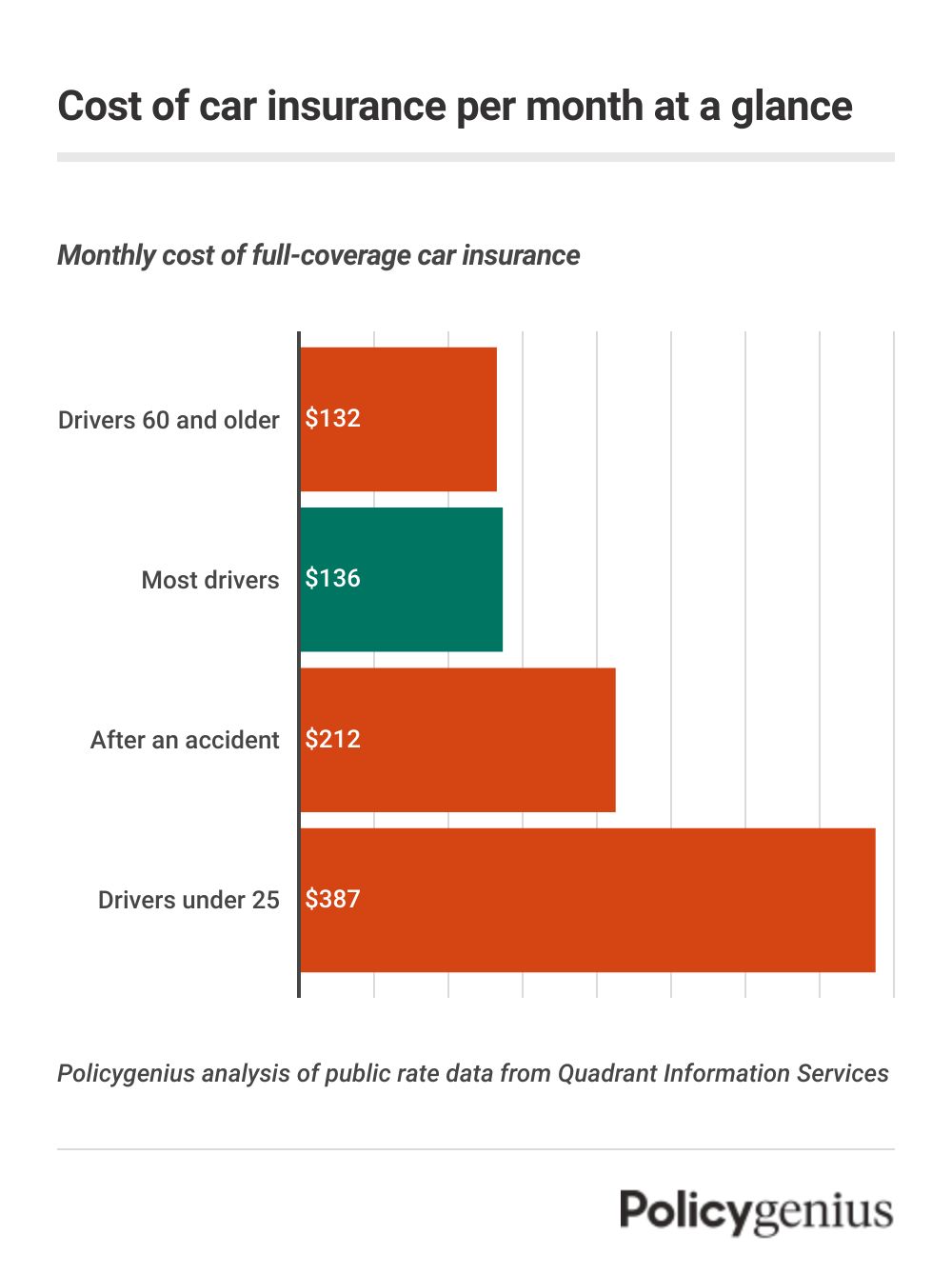
Age is one of the most significant factors. Young, inexperienced drivers (typically under 25) face the highest premiums due to a statistically higher likelihood of accidents. Rates generally decrease as drivers gain experience and mature, often reaching their lowest point for drivers in their 40s, 50s, and 60s. While some jurisdictions are moving away from gender-based pricing, historically, men have sometimes paid more than women due to higher claim frequencies in certain age groups. Married individuals often receive lower rates than single drivers, as actuarial data suggests they are generally less prone to risky driving behaviors.
Driving Record and Claims History
Your driving history is paramount. A clean record, free of accidents, speeding tickets, or other moving violations, is your strongest asset for securing lower rates. Conversely, even a single at-fault accident or a major violation like a DUI can significantly increase your premiums for several years. Insurers often look back three to five years, sometimes longer, when assessing your history. A history of filing claims, even if not at fault, can also sometimes lead to higher premiums, as it might signal a greater propensity for future claims.
Vehicle Type, Age, and Safety Features
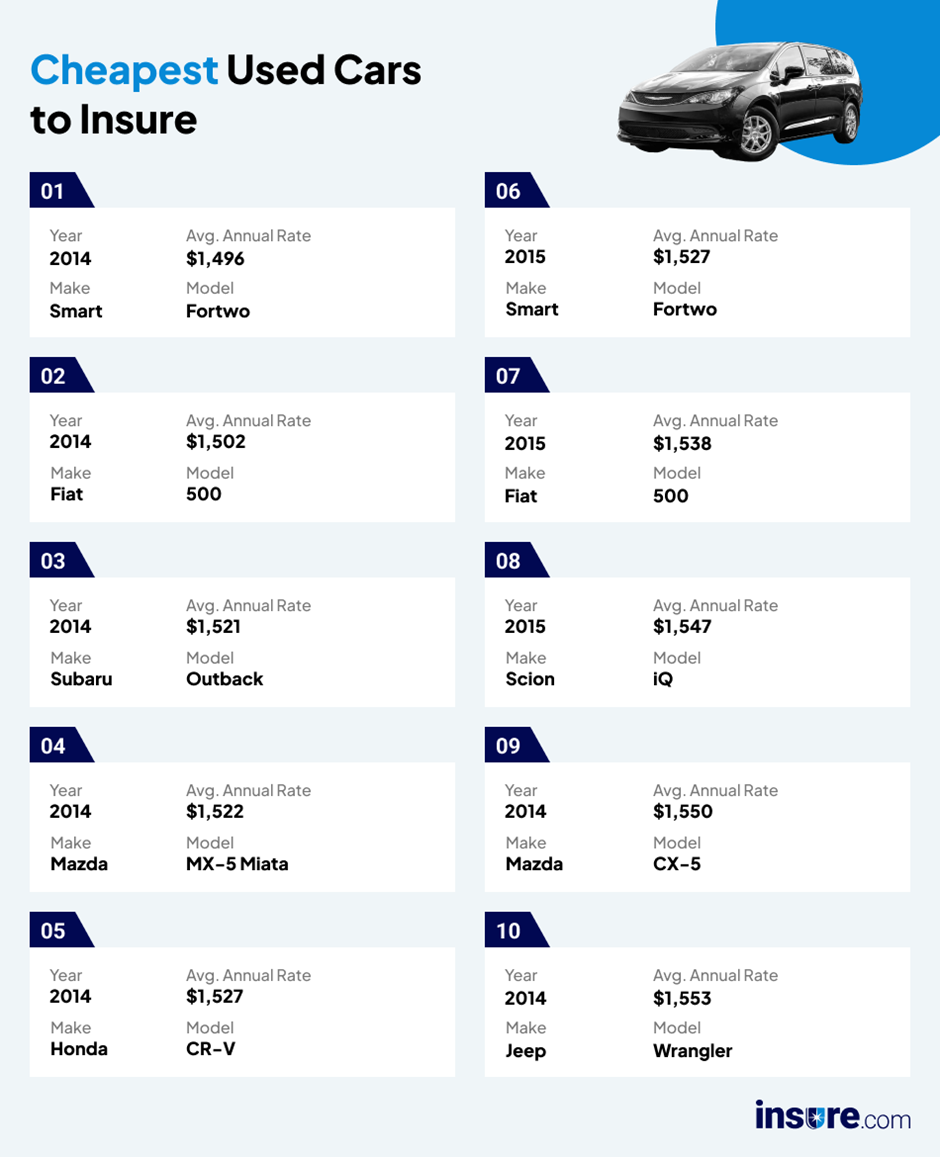
The car you drive profoundly impacts your insurance costs. More expensive vehicles, luxury cars, and sports cars typically cost more to insure because their repairs are pricier, and they are often involved in more severe accidents or are targets for theft. Older, less valuable cars might have lower comprehensive and collision premiums but could still incur higher liability costs if they lack modern safety features. Modern safety features like anti-lock brakes, airbags, adaptive cruise control, and anti-theft devices can often lead to discounts, as they reduce the likelihood or severity of accidents or theft.
Location, Location, Location
Where you live and park your car makes a substantial difference. Urban areas with higher traffic density, greater rates of theft and vandalism, and a higher incidence of accidents generally have higher insurance rates than rural or suburban areas. Even within the same city, premiums can vary significantly by zip code based on local crime rates, claims frequency, and population density. State-specific regulations and minimum coverage requirements also play a critical role in setting baseline costs.
Credit Score and Financial Responsibility (where applicable)
In many states, insurers use a credit-based insurance score (which differs from a standard credit score) as a factor in determining premiums. Studies have shown a correlation between lower credit scores and a higher likelihood of filing claims. While controversial, this practice is legal in most states and can significantly impact your rate. Maintaining a good credit history demonstrates financial responsibility, which insurers often interpret as a proxy for responsible driving behavior. States like California, Hawaii, and Massachusetts prohibit the use of credit scores for insurance pricing.
Coverage Levels and Deductibles
The types and amounts of coverage you choose directly influence your premium. Opting for state minimum liability coverage will always be cheaper than comprehensive coverage with high limits for liability, collision, and uninsured motorist protection. However, skimping on coverage can leave you financially vulnerable after a major accident. Your deductible – the amount you pay out-of-pocket before your insurance kicks in – also plays a role. Higher deductibles typically lead to lower premiums because you assume more financial risk.
Strategies to Optimize and Reduce Your Car Insurance Costs
Understanding the factors is one thing; actively working to manage them is another. There are numerous proactive steps you can take to ensure your car insurance rate is not just “normal,” but optimally low for your situation.
Maximizing Discounts: From Bundling to Good Student
Insurance companies offer a wide array of discounts, and leveraging them is one of the easiest ways to save. Common discounts include:
- Bundling: Combining your car insurance with home, renters, or life insurance from the same provider often yields significant savings.
- Multi-Car: Insuring multiple vehicles on the same policy.
- Good Driver: For maintaining a clean driving record over a specified period.
- Good Student: For young drivers who maintain a certain GPA.
- Defensive Driving Course: Completing an approved defensive driving course.
- Safety Features: For vehicles equipped with anti-lock brakes, airbags, anti-theft devices, etc.
- Low Mileage: For drivers who don’t drive frequently or have short commutes.
- Payment Options: Discounts for paying your premium in full, setting up automatic payments, or choosing paperless billing.
Always inquire about every possible discount an insurer offers; you might be surprised by how many you qualify for.

Adjusting Coverage: Finding the Right Balance
Review your coverage levels regularly. While state minimums are tempting for their low cost, they often provide insufficient protection. Consider your assets; if you have significant savings and property, higher liability limits are crucial to protect them from lawsuits after an at-fault accident. Conversely, if you drive an older, low-value car, the cost of comprehensive and collision coverage might outweigh its potential payout. It might make financial sense to drop these coverages and self-insure for minor damages. Increasing your deductible is another way to lower premiums, but ensure you have enough saved to cover that higher out-of-pocket expense if a claim arises.
Improving Your Driving Habits and Credit Score
These are long-term strategies, but highly effective. Consistently driving safely and avoiding tickets and accidents will naturally lead to lower premiums over time. Enrolling in telematics programs (usage-based insurance) that monitor your driving habits can also reward safe drivers with discounts. Similarly, working to improve your credit score (where it’s a factor) by paying bills on time, reducing debt, and monitoring your credit report can positively impact your insurance rates.
Choosing the Right Vehicle
When purchasing a new or used car, research its insurance costs before you buy. Some vehicles are inherently more expensive to insure due to their high repair costs, theft rates, or performance characteristics. Family sedans and SUVs often have lower insurance rates than sports cars or luxury models. Opting for a vehicle with excellent safety ratings can also result in lower premiums.
Telematics and Usage-Based Insurance
Many insurers now offer programs where a device or app monitors your driving behavior (speed, braking, mileage, time of day driven). Safe drivers who opt into these programs can earn significant discounts. This is an excellent way for individuals to personalize their rate based on actual driving rather than just statistical averages.
Navigating the Insurance Market: When and How to Shop Around
Even if you’ve optimized your current policy, the insurance market is dynamic. What was a competitive rate last year might not be today. Regular comparison shopping is crucial for ensuring you’re getting the best possible value.
The Importance of Regular Comparison Shopping
It’s recommended to shop for car insurance at least once a year, or whenever major life events occur, such as buying a new car, moving, getting married, or having a child. Rates change frequently due to market shifts, changes in your personal profile, and evolving risk models of different insurers. Loyalty to a single insurer doesn’t always pay off; new customers often receive the most attractive introductory offers.
Leveraging Online Comparison Tools
The internet has revolutionized insurance shopping. Numerous online platforms allow you to get multiple quotes from various insurers by entering your information just once. These tools can save you hours of individual applications and provide a quick snapshot of the competitive landscape. However, always verify quotes directly with the insurer, as third-party sites can sometimes have outdated information or miss specific discounts.
Working with Independent Agents vs. Direct Insurers
You have two primary avenues for purchasing insurance:
- Direct Insurers: Companies like GEICO, Progressive, or State Farm sell policies directly to consumers, either online or through their own captive agents. This can be efficient, but you are limited to their specific products.
- Independent Agents: These agents work with multiple insurance companies. They can shop around on your behalf, compare policies, and offer unbiased advice tailored to your needs. They often find policies and discounts you might not discover on your own, especially for complex situations.
Choosing between the two depends on your preference for DIY research versus personalized guidance.
Understanding Policy Details Beyond Price
While cost is a major factor, never choose a policy solely on its premium. Understand the limits, deductibles, and exclusions of each quote. A slightly cheaper policy might offer less coverage, higher deductibles, or more restrictions, potentially costing you more in the long run after an accident. Read reviews, check financial ratings of insurers, and ensure the company has a good reputation for customer service and claims handling.
Is Your Rate Normal? Benchmarking and Expectations
After considering all the factors and strategies, the ultimate question remains: is your rate normal? While a definitive “yes” or “no” is impossible without your specific data, you can develop a solid understanding of where you stand.
Average National Rates: A Starting Point (with caveats)
National average car insurance rates can provide a loose benchmark, often hovering around $1,500 to $2,000 annually for full coverage, but these figures are highly generalized. They don’t account for individual risk factors, location, or coverage choices. Averages are useful for seeing the “big picture” but are not precise tools for personal assessment. For instance, a 20-year-old driver in Detroit will pay significantly more than a 45-year-old driver in rural Vermont, even if both pay the “national average.”
Regional Variations and State-Specific Factors
States with high population density, severe weather events, or high rates of uninsured drivers tend to have higher average premiums. For example, states like Michigan (due to its previous no-fault system), Florida, and Louisiana often have some of the highest rates, while states like Maine, Iowa, and Idaho typically have lower ones. Your state’s specific minimum coverage laws and regulatory environment also play a significant role. These regional variations mean that comparing your rate to someone across the country is largely unhelpful; compare yourself to similar profiles within your state or even within your own county or zip code.
Personalizing Your “Normal”
Your “normal” rate is the competitive price you receive from reputable insurers, considering your specific demographic data, driving history, vehicle, location, and desired coverage levels. It’s the rate that reflects your individual risk profile and the current market conditions in your area. If, after thorough comparison shopping and discount maximization, you consistently find your premiums within a certain range across multiple insurers, then that range represents your personalized “normal.”
When to Consult a Financial Advisor or Insurance Expert
If you’re still struggling to understand your rates, feel they are unjustifiably high, or are facing complex insurance decisions (e.g., insuring a unique vehicle, managing multiple businesses, or significant assets), consulting a financial advisor or an experienced independent insurance agent can be invaluable. They can help you analyze your complete financial picture, identify hidden risks, and navigate the insurance market to find solutions that offer both optimal coverage and competitive pricing.
In conclusion, “normal” in car insurance is a fluid concept, shaped by personal attributes, vehicle characteristics, geography, and market dynamics. By actively understanding these influences, employing smart strategies to reduce costs, and diligently shopping the market, you can confidently determine if your car insurance rate is not just normal, but optimized for your financial situation.
aViewFromTheCave is a participant in the Amazon Services LLC Associates Program, an affiliate advertising program designed to provide a means for sites to earn advertising fees by advertising and linking to Amazon.com. Amazon, the Amazon logo, AmazonSupply, and the AmazonSupply logo are trademarks of Amazon.com, Inc. or its affiliates. As an Amazon Associate we earn affiliate commissions from qualifying purchases.