
Navigating the world of auto insurance can often feel like deciphering a complex financial puzzle. More than just a legal requirement in most places, auto insurance is a critical component of a sound personal finance strategy, safeguarding your assets and providing peace of mind against the unpredictable nature of the road. For many, it represents a significant recurring expense, making the process of understanding, comparing, and ultimately purchasing the right policy an essential financial skill. This comprehensive guide will demystify auto insurance, offering insights into how to make informed decisions that protect your finances without overspending.
Understanding the Fundamentals of Auto Insurance
Before diving into the market, it’s crucial to grasp the foundational elements of auto insurance. Knowing what you’re buying and why it matters is the first step towards a financially responsible purchase.
Why Auto Insurance is Essential
At its core, auto insurance serves as a financial safety net. Accidents happen, and without adequate coverage, the financial fallout can be devastating. Medical bills, vehicle repair costs, legal fees, and potential liability claims can quickly accumulate to astronomical sums. Auto insurance transfers much of this financial risk from your personal balance sheet to an insurance provider, protecting your savings, investments, and future earnings. Beyond personal protection, most states legally mandate a minimum level of auto insurance, primarily to ensure that drivers can cover the costs of damages or injuries they might inflict on others. Therefore, buying auto insurance isn’t just about compliance; it’s a fundamental aspect of prudent financial planning for anyone who owns or drives a vehicle.
Key Types of Coverage Explained
An auto insurance policy is typically a bundle of various types of coverage, each designed to address specific risks. Understanding these components is vital for constructing a policy that meets your individual financial needs and risk tolerance.
- Liability Coverage: This is the cornerstone of any policy and is almost universally required by law. It consists of two parts: Bodily Injury Liability, which covers medical expenses, lost wages, and pain and suffering for others injured in an accident you cause; and Property Damage Liability, which covers damage to another person’s property (e.g., their car, fence, or building) in an accident you cause. This coverage doesn’t pay for your own injuries or vehicle damage.
- Collision Coverage: This pays for damages to your own vehicle resulting from a collision with another car or object, regardless of who is at fault. It’s particularly valuable for newer or financed vehicles, as repairs can be costly.
- Comprehensive Coverage: This protects your vehicle from non-collision-related incidents, such as theft, vandalism, fire, natural disasters (hail, floods), or hitting an animal. Like collision coverage, it’s often required by lenders for financed vehicles.
- Uninsured/Underinsured Motorist (UM/UIM) Coverage: This protects you if you’re involved in an accident with a driver who either has no insurance or insufficient insurance to cover the damages or injuries they cause. It covers your medical bills and sometimes property damage.
- Personal Injury Protection (PIP) or Medical Payments (MedPay): These cover medical expenses for you and your passengers, regardless of fault. PIP can also cover lost wages and other non-medical costs, depending on your state.
Decoding Your Policy: Deductibles, Premiums, and Limits
Every policy comes with specific financial terms that directly impact your out-of-pocket costs and protection levels.
- Premiums: This is the amount you pay regularly (monthly, quarterly, or annually) to the insurance company for your coverage. It’s the price of your insurance policy.
- Deductibles: This is the amount you must pay out of your own pocket before your insurance coverage kicks in for certain types of claims (typically collision and comprehensive). A higher deductible usually results in a lower premium, but it means you’ll pay more upfront if you need to file a claim. Choosing the right deductible involves balancing lower monthly costs against your ability to pay a larger sum in an emergency.
- Limits: These are the maximum amounts your insurance company will pay out for a covered loss. Liability limits are often expressed as a series of three numbers (e.g., 25/50/25), representing the maximum payout for bodily injury per person, bodily injury per accident, and property damage, respectively. Higher limits offer greater financial protection but also increase your premium.
Navigating the Market: Finding the Right Policy
With a solid understanding of the basics, the next step is to actively engage with the insurance market. This phase is all about strategic comparison and informed decision-making to secure the best value for your money.
The Power of Comparison Shopping
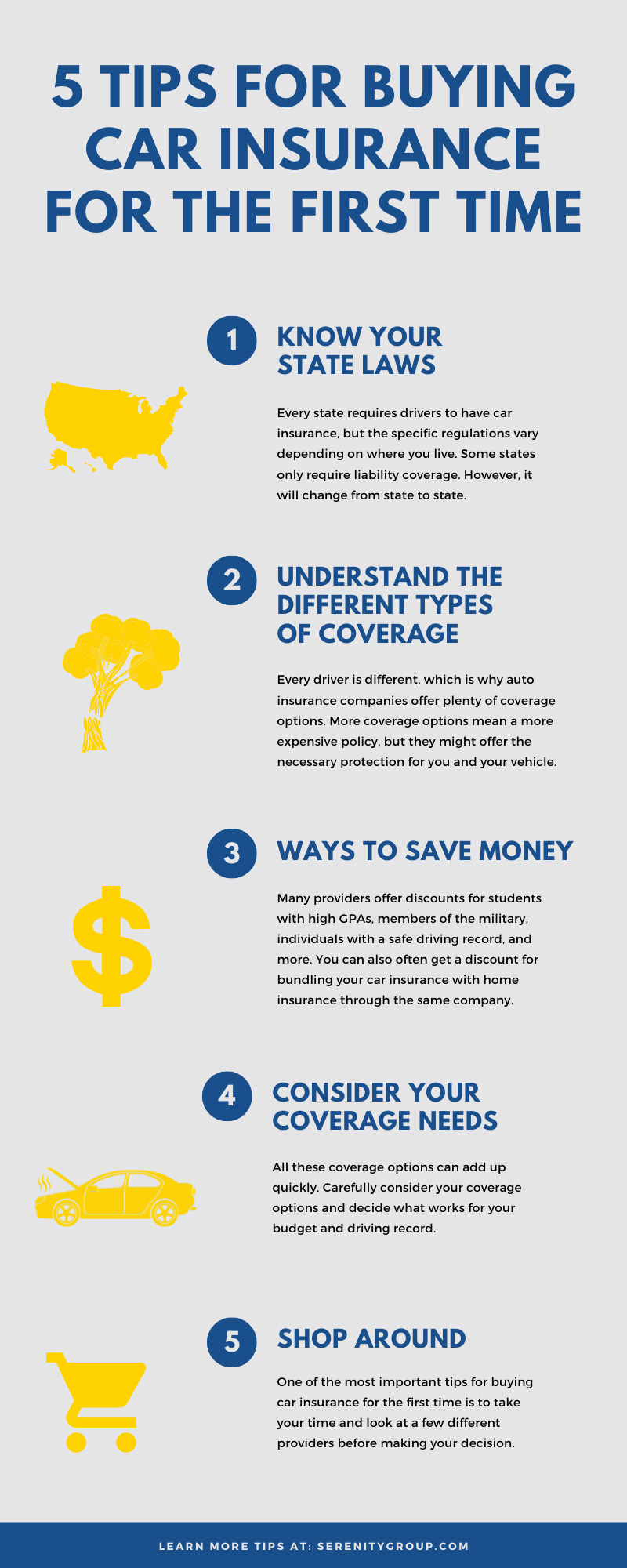
The single most effective financial strategy when buying auto insurance is comparison shopping. Premiums for identical coverage can vary wildly between different insurance providers, sometimes by hundreds or even thousands of dollars annually. Each insurer uses its own proprietary algorithms to assess risk and set prices, meaning that a driver considered high-risk by one company might be seen as moderate-risk by another. Don’t settle for the first quote you receive. Make it a point to gather quotes from at least three to five different providers, including national carriers, regional companies, and direct insurers, to ensure you’re getting a competitive rate. This due diligence can yield substantial financial savings over the long term.
Factors Influencing Your Premium
Insurance companies analyze a multitude of factors to determine your premium. Understanding these can help you manage your costs.
- Driving Record: A clean driving record with no accidents or moving violations is perhaps the biggest factor in securing lower rates. Drivers with a history of accidents or tickets are typically deemed higher risk and face significantly higher premiums.
- Vehicle Type: The make, model, year, and safety features of your car heavily influence your premium. More expensive cars to repair, cars with high theft rates, or high-performance vehicles generally cost more to insure. Conversely, vehicles with excellent safety ratings and anti-theft devices can often qualify for discounts.
- Location: Where you live and park your car plays a considerable role. Urban areas with higher traffic density, crime rates, and accident statistics typically have higher premiums than rural areas.
- Age and Gender: Younger, less experienced drivers (especially males under 25) typically pay the highest premiums due to statistical data indicating a higher risk of accidents. Rates generally decrease as drivers gain experience and age.
- Credit Score: In many states, your credit-based insurance score (which is related to your credit score) is a significant factor in determining premiums. Insurers have found a correlation between higher credit scores and a lower likelihood of filing claims, translating to lower rates for those with good credit.
- Marital Status: Married individuals often receive slightly lower rates than single individuals, as they are statistically perceived as more responsible drivers.
- Annual Mileage: The more you drive, the higher your risk of being in an accident. Drivers who log fewer miles annually may qualify for low-mileage discounts.
Leveraging Technology for Quotes
The digital age has revolutionized the way we shop for insurance. Online comparison websites and aggregators allow you to input your information once and receive multiple quotes from various providers simultaneously. While these tools are incredibly convenient for initial comparisons, it’s often wise to visit individual insurer websites or speak directly with agents for finalized quotes, as online aggregators may not always capture every potential discount or offer the most precise pricing. Using insurer apps can also provide personalized quotes and streamline the application process.
Working with Agents vs. Direct Insurers
You generally have two main avenues for purchasing auto insurance: through an independent agent or a captive agent, or directly from an insurance company online or over the phone.
- Independent Agents: These agents work with multiple insurance companies, allowing them to shop around on your behalf to find the best policy and price. They can offer personalized advice and help you compare complex policies, often without an additional cost to you.
- Captive Agents: These agents work exclusively for one insurance company (e.g., State Farm, Allstate). While they can provide in-depth knowledge of their company’s offerings, they can only sell you policies from that single provider.
- Direct Insurers: Companies like Progressive, Geico, or Lemonade (for other insurance types) allow you to buy policies directly from them online or over the phone, cutting out the agent. This can sometimes lead to lower premiums due to reduced overhead, but it requires you to do the comparison work yourself.
Each option has financial implications, impacting not just the premium but also the level of personalized service and breadth of options available to you.
Strategies for Saving Money on Auto Insurance

Beyond comparison shopping, numerous financial strategies can help reduce your auto insurance premiums without compromising essential coverage.
Bundling Policies and Multi-Car Discounts
One of the most effective ways to save is to bundle your auto insurance with other policies, such as homeowner’s, renter’s, or life insurance, with the same provider. Most insurers offer significant multi-policy discounts, as it consolidates your business with them. Similarly, if you have multiple vehicles to insure, insuring them all under one policy with a single provider often qualifies you for a multi-car discount. Always inquire about these options.
Optimizing Your Deductible and Coverage Levels
Carefully consider your financial situation when setting deductibles and coverage limits. If you have a robust emergency fund that can easily cover a higher deductible ($1,000 or more), opting for it can substantially lower your annual premiums. However, never choose a deductible you can’t afford to pay in an emergency. For older vehicles with low market value, it might be financially prudent to drop collision and comprehensive coverage altogether, as the premium cost might outweigh the potential payout if the car is totaled. Regularly assess your vehicle’s value against your coverage costs.
Exploring Special Discounts
Insurance companies offer a wide array of discounts that many consumers overlook. Always ask your agent or check the insurer’s website for any discounts you might qualify for, such as:
- Good Driver/Accident-Free Discounts: For maintaining a clean driving record over several years.
- Good Student Discounts: For young drivers with good academic performance.
- Low Mileage Discounts: For drivers who drive below a certain number of miles annually.
- Defensive Driving Course Discounts: For completing approved safety courses.
- Vehicle Safety Feature Discounts: For cars equipped with anti-lock brakes, airbags, anti-theft devices, or telematics (usage-based insurance) systems.
- Paying in Full: Many insurers offer a discount for paying your entire premium upfront rather than in monthly installments. This avoids any installment fees and sometimes reduces the overall premium.
Improving Your Credit Score
As mentioned, your credit-based insurance score can significantly impact your premiums in many states. Maintaining a good credit score demonstrates financial responsibility to insurers. Regularly check your credit report, pay bills on time, reduce debt, and avoid opening too many new credit accounts to improve your score, which could translate into lower insurance costs over time. This is a powerful, long-term financial strategy that extends beyond just insurance.
Vehicle Safety Features and Their Financial Benefits
Investing in a vehicle with advanced safety features isn’t just about protection on the road; it can also lead to direct financial benefits through lower insurance premiums. Features like automatic emergency braking, lane-keeping assist, adaptive cruise control, and robust anti-theft systems are often recognized by insurers with discounts because they reduce the likelihood of accidents or theft. When purchasing a new vehicle, factor in these potential insurance savings.
The Purchase Process and Ongoing Management
Buying auto insurance isn’t a one-time event; it’s an ongoing financial relationship that requires periodic review and active management to ensure you maintain optimal coverage and cost-effectiveness.
What to Look for in a Quote
When reviewing quotes, don’t just focus on the bottom-line premium. Scrutinize the details of the coverage offered:
- Coverage Limits: Ensure the liability limits meet or exceed your state’s minimums and provide sufficient financial protection for your assets.
- Deductibles: Confirm the deductible amounts for collision and comprehensive coverage are financially manageable.
- Included Coverages: Verify that all the types of coverage you need (e.g., UM/UIM, PIP) are included.
- Exclusions and Endorsements: Understand any specific exclusions that might apply and inquire about any endorsements (add-ons) that could enhance your coverage.
- Reputation and Financial Stability of the Insurer: Research the company’s financial strength ratings and customer service reviews. A cheap policy isn’t a good deal if the insurer is unreliable when it comes time to file a claim.
The Application and Underwriting Process
Once you’ve selected a policy, you’ll complete an application, which requires accurate information about yourself, your driving history, and your vehicle. The insurer will then go through an underwriting process, verifying your information, running background checks (including your driving record and credit-based insurance score), and potentially inspecting your vehicle. It’s crucial to be honest and accurate, as misinformation can lead to policy cancellation or denial of claims.
Reviewing and Adjusting Your Policy Annually
Your financial and life circumstances change, and so should your insurance policy. Make it a habit to review your auto insurance annually, preferably before renewal.
- Life Events: Did you get married, move, buy a new car, or have a child? These events can impact your rates and coverage needs.
- Vehicle Changes: Has your car depreciated significantly? You might consider raising your deductibles or dropping certain coverages.
- Market Changes: New insurers might enter the market with more competitive rates, or your current insurer might have introduced new discounts.
- Financial Health: Has your emergency fund grown, allowing you to comfortably take on a higher deductible for lower premiums?
Proactive review ensures your policy remains aligned with your current financial situation and risk profile, preventing you from overpaying or being underinsured.

Filing a Claim: What to Know
The ultimate test of an insurance policy comes when you need to file a claim. Understand the process and its financial implications beforehand.
- Prompt Reporting: Report accidents or incidents to your insurer as soon as possible.
- Documentation: Gather all relevant information, including photos, police reports, and contact details of other parties involved.
- Understanding Your Deductible: Be prepared to pay your deductible if it applies to your claim.
- Impact on Premiums: Be aware that filing a claim, particularly an at-fault accident, can lead to increased premiums at renewal. Weigh the cost of repairs against your deductible and potential premium hike for minor incidents.
In conclusion, buying auto insurance is a critical financial decision that extends far beyond simply meeting legal requirements. By understanding the fundamentals of coverage, diligently comparing options, strategically seeking discounts, and proactively managing your policy, you can secure robust financial protection for your vehicle and your assets without breaking the bank. Approaching auto insurance with a strategic financial mindset is key to peace of mind on the road.
aViewFromTheCave is a participant in the Amazon Services LLC Associates Program, an affiliate advertising program designed to provide a means for sites to earn advertising fees by advertising and linking to Amazon.com. Amazon, the Amazon logo, AmazonSupply, and the AmazonSupply logo are trademarks of Amazon.com, Inc. or its affiliates. As an Amazon Associate we earn affiliate commissions from qualifying purchases.