
Defining “a good salary” in America is far more complex than a simple numerical answer. It’s a deeply personal, ever-evolving metric influenced by a myriad of factors ranging from geographic location and individual financial goals to lifestyle expectations and career stage. What constitutes a robust income for one person might be barely sufficient for another, highlighting the subjectivity at the heart of this question. In an economy characterized by diverse regional costs of living, varying industry standards, and an array of personal aspirations, understanding what makes a salary truly “good” requires a comprehensive look beyond just the raw dollar amount. This article delves into the multi-faceted nature of income, exploring the benchmarks, influences, and strategies that contribute to achieving a financially secure and satisfying life in the United States.

The Subjectivity of a “Good” Salary
The concept of a “good” salary is inherently fluid, shifting based on individual circumstances and external economic realities. There is no universal figure that satisfies everyone, making a personalized approach essential when evaluating one’s financial standing.
Cost of Living Variations
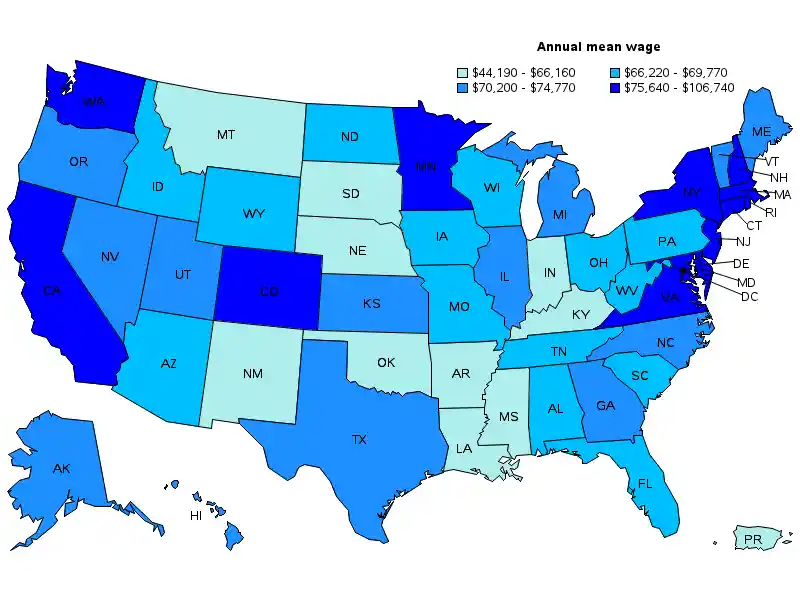
Perhaps the most significant external factor influencing what constitutes a good salary is the dramatic variation in the cost of living across different regions of the United States. Living in metropolitan hubs like New York City, San Francisco, or Washington D.C. demands a significantly higher income to maintain a comparable lifestyle than in smaller cities or rural areas in states like Ohio, Kansas, or Alabama. Housing costs, in particular, are a dominant driver of these differences. A $70,000 salary might afford a comfortable, middle-class existence in a lower cost-of-living area, allowing for homeownership, savings, and discretionary spending. The same salary in a high cost-of-living city, however, might barely cover rent and basic necessities, leaving little room for financial growth or leisure. Understanding your local economic landscape is therefore the first critical step in defining your personal “good” salary. This isn’t just about rent or mortgage payments; it extends to groceries, transportation, utilities, and even local taxes, all of which can vary wildly.
Individual Financial Goals
Beyond basic survival, a good salary empowers individuals to achieve their specific financial goals. These goals are as diverse as the people who hold them, ranging from short-term aspirations to long-term dreams. For some, a good salary means the ability to aggressively pay down student loan debt, car loans, or credit card balances. For others, it’s about accumulating a substantial down payment for a home or funding a child’s education. Retirement planning is another major driver; the desired lifestyle in retirement dictates how much needs to be saved, directly impacting what feels like an adequate present-day income. Furthermore, entrepreneurial ambitions, travel plans, philanthropic giving, or simply building a robust emergency fund all contribute to what an individual might define as a “good” income. Without a clear understanding of these personal financial milestones, assessing the adequacy of a salary remains an abstract exercise.
Lifestyle Expectations
Lifestyle expectations play a pivotal role in shaping perceptions of a good salary. What one considers a comfortable or desirable way of living directly correlates with the income required to support it. This encompasses everything from housing preferences (apartment vs. single-family home, size, location), transportation (public transit vs. owning multiple cars, luxury vehicles), dining habits (cooking at home vs. frequent restaurant meals), travel frequency, and leisure activities (hobbies, entertainment). Someone who prioritizes experiences, luxury goods, or frequent international travel will naturally require a higher income to fund that lifestyle compared to someone content with a more minimalist approach. Work-life balance also falls under this umbrella; a job that offers greater flexibility or fewer hours might justify a slightly lower salary for some, as the intangible benefits contribute to their overall quality of life. Conversely, a demanding job with high pay might be acceptable if it enables a desired lifestyle during off-hours or retirement.
Key Financial Benchmarks and Metrics
While “good” is subjective, there are objective financial benchmarks and metrics that can provide valuable context and help individuals assess their earnings relative to broader economic realities. These tools offer a more data-driven perspective on what it means to be financially secure or prosperous in America.
Median vs. Average Income
When discussing salaries, it’s crucial to differentiate between median and average income, as they paint very different pictures. The average (mean) income is calculated by summing all incomes and dividing by the number of earners. This figure can be skewed upwards by a small number of extremely high earners, making it less representative of the typical person’s earnings. The median income, however, represents the exact middle point; half of all earners make more than the median, and half make less. This metric is generally considered a more accurate reflection of a typical household’s or individual’s income, as it’s less affected by outliers. For instance, the median household income in the U.S. might be around $70,000-$80,000, but this varies significantly by state and demographic. Understanding where your income stands in relation to the median for your specific demographic and geographic area can provide a solid starting point for evaluating your salary.
Living Wage vs. Thriving Wage
Beyond merely surviving, many aspire to truly thrive. A living wage is generally defined as the minimum income necessary for a worker to meet their basic needs (food, housing, healthcare, transportation) without relying on public assistance. This is often calculated at a local level and is typically higher than the federal minimum wage. While meeting a living wage is essential, a “good” salary often implies earning a thriving wage. A thriving wage goes beyond basic needs, allowing for financial stability, the ability to save for the future (retirement, education, homeownership), discretionary spending, and some level of comfort and leisure. It provides a buffer against unexpected expenses and enables individuals to pursue goals beyond immediate survival. Estimating a thriving wage involves factoring in personal financial goals and desired lifestyle, making it a more personalized benchmark than a living wage.
The 50/30/20 Rule as a Benchmark
A practical framework for assessing whether a salary is “good” in terms of its allocation potential is the 50/30/20 rule. This budgeting guideline suggests allocating 50% of your after-tax income to “needs” (housing, utilities, groceries, transportation, minimum debt payments), 30% to “wants” (dining out, entertainment, hobbies, travel, shopping), and 20% to “savings and debt repayment” (emergency fund, retirement contributions, extra debt payments). If your salary allows you to comfortably adhere to these percentages, especially the 20% for savings and debt, it indicates a strong financial position. A salary that makes it difficult to even cover needs, or leaves little to no room for savings, would likely not be considered “good” by this standard, regardless of the raw number. It provides a clear, actionable way to evaluate the utility of your income.
Debt-to-Income Ratio Considerations
Your debt-to-income (DTI) ratio is another critical metric that influences the effective “goodness” of your salary. This ratio compares your total monthly debt payments (including rent/mortgage, credit card minimums, student loans, car loans) to your gross monthly income. Lenders typically prefer DTI ratios below 36%, with some flexibility up to 43% for mortgage qualification. A low DTI ratio (say, below 20-30%) indicates that a significant portion of your income is free from debt obligations, allowing for greater flexibility, savings, and discretionary spending. Conversely, a high DTI ratio means a large chunk of your salary is consumed by debt, leaving less for other purposes, even if the raw income figure appears high. Managing debt effectively is therefore intertwined with maximizing the impact of any given salary.
Factors Influencing Salary Potential
While personal definitions and financial benchmarks help assess a salary’s goodness, several external and internal factors directly impact how much an individual can realistically earn in the American job market. Understanding these influences can empower individuals to strategize for higher earning potential.
Education and Skills
Generally, higher levels of education correlate with higher earning potential. A bachelor’s degree typically unlocks more opportunities and higher salaries than a high school diploma, and graduate degrees (master’s, doctorate, professional degrees like JD or MD) often command even greater compensation. However, it’s not just about the degree itself, but also the relevance and demand for the skills acquired. In-demand skills, particularly in fields like technology, healthcare, and specialized engineering, can significantly boost earning power, sometimes even without a traditional four-year degree if accompanied by certifications and demonstrated expertise. Continuous learning and upskilling are crucial in a rapidly evolving job market to maintain and increase salary potential.
Industry and Occupation
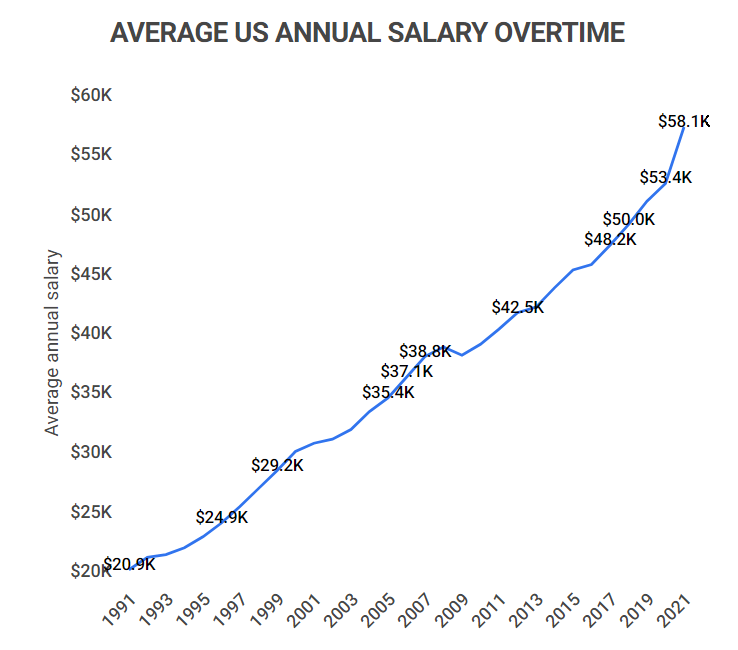
The industry an individual works in and their specific occupation are enormous determinants of salary potential. Some sectors, such as finance, technology, healthcare, and certain areas of engineering, are inherently higher-paying due to high demand, specialized knowledge requirements, or significant revenue generation. Within these industries, certain occupations, like software engineers, doctors, financial managers, or data scientists, consistently rank among the highest-paid professions. Conversely, jobs in sectors like retail, hospitality, and certain service industries often have lower average wages, regardless of individual skill or education, reflecting market supply and demand, and often lower barriers to entry. Choosing a career path strategically with an eye on industry growth and compensation trends is a powerful lever for achieving a “good” salary.
Experience Level
Experience is a powerful driver of salary growth. Entry-level positions typically offer lower salaries as employers invest in training and development. As individuals gain more experience, accumulate specialized knowledge, and take on greater responsibilities, their value to an organization increases, leading to higher compensation. Mid-career professionals often see significant salary jumps, and senior-level roles, management positions, or expert individual contributor roles can command top-tier salaries due to the strategic impact and leadership required. Longitudinal career planning, focusing on opportunities that build relevant experience and allow for advancement, is crucial for sustained salary increases over time.
Negotiation Skills
Perhaps one of the most overlooked yet critical factors influencing salary is an individual’s ability to negotiate effectively. Many employees, particularly at the entry and mid-levels, accept the initial offer presented to them, potentially leaving thousands of dollars on the table annually. Strong negotiation skills involve researching market rates for similar positions, articulating one’s value and contributions, confidently advocating for fair compensation, and understanding how to leverage job offers. A difference of just a few thousand dollars in an initial salary offer can compound significantly over a career, impacting lifetime earnings, retirement savings, and overall financial well-being. Developing and practicing these skills is an investment that pays dividends.
Beyond the Base Salary: The Total Compensation Picture
When evaluating a “good” salary, it’s a mistake to focus solely on the base pay. The true value of a compensation package lies in its entirety, encompassing a wide array of benefits and perks that can significantly enhance financial well-being and overall quality of life.
Benefits Packages
A robust benefits package can add substantial value to an individual’s total compensation, often equaling 20-40% or more of their base salary. Health insurance is typically the most valuable component, covering medical, dental, and vision care, which would otherwise be a significant out-of-pocket expense. Retirement plans, such as 401(k)s with employer matching contributions, are critical for long-term financial security; an employer match is essentially “free money” that compounds over time. Paid Time Off (PTO), including vacation days, sick leave, and holidays, offers both financial value (as paid time away from work) and a crucial element for work-life balance and mental health. Life insurance, disability insurance, and employee assistance programs (EAPs) also contribute to a comprehensive safety net. Ignoring the value of these benefits when assessing a salary provides an incomplete and often misleading picture.
Bonuses and Stock Options
Many roles, particularly in sales, finance, and technology, include variable compensation components such as performance bonuses, profit-sharing, or stock options/restricted stock units (RSUs). These elements can significantly boost annual earnings, sometimes adding tens of thousands or even hundreds of thousands of dollars to an individual’s compensation. Bonuses are often tied to individual, team, or company performance, providing an incentive for high achievement. Stock options or RSUs, particularly in growing companies, offer a stake in the company’s future success and can become highly valuable over time, though they come with inherent risks. Understanding the potential and historical payout of these variable components is crucial for calculating a truly “good” total compensation package.
Perks and Professional Development
While not always directly monetary, various perks and opportunities for professional development can add considerable value. These might include tuition reimbursement for continuing education or certifications, subsidized gym memberships, wellness programs, free meals, commuter benefits, childcare assistance, or flexible spending accounts (FSAs). Beyond tangible perks, opportunities for professional growth – such as mentorship programs, access to conferences, or clear pathways for promotion – enhance an individual’s long-term career prospects and earning potential. While these may not pay the immediate bills, they contribute to a fulfilling work experience, reduce personal expenses, and invest in an individual’s future marketability.
Work-Life Balance and Flexibility
The value of work-life balance and flexibility cannot be overstated, though it’s often difficult to quantify in monetary terms. A job that offers remote work options, flexible hours, compressed workweeks, or generous PTO can significantly improve quality of life, reduce stress, and save money on commuting or childcare. For many, the ability to integrate personal life with professional responsibilities is worth a premium, and some might even accept a slightly lower base salary for these intangible benefits. Conversely, a high-paying job with an extremely demanding schedule and little flexibility might not be considered “good” by someone who prioritizes personal time and family commitments. The ideal balance between compensation and lifestyle is a deeply personal consideration that shapes the perception of a “good” salary.
Strategies for Achieving and Maintaining a Good Salary
Achieving and sustaining a “good” salary is not a passive endeavor; it requires proactive planning, continuous effort, and strategic financial management. It’s a journey that combines career development with astute personal finance practices.
Continuous Skill Development
In today’s dynamic job market, standing still is akin to falling behind. Continuous skill development is paramount to maintaining and increasing earning potential. This involves staying abreast of industry trends, acquiring new technical skills (e.g., coding languages, data analytics tools), honing soft skills (e.g., communication, leadership, problem-solving), and pursuing certifications or advanced degrees when appropriate. Many companies offer professional development budgets or tuition assistance, which should be fully utilized. Online courses, workshops, and industry conferences are also excellent avenues for growth. By consistently enhancing one’s skill set, individuals remain valuable assets to employers and position themselves for promotions and higher-paying opportunities.
Strategic Career Planning
A “good” salary is often the result of deliberate strategic career planning rather than accidental good fortune. This involves setting clear career goals, identifying desired roles and industries, understanding the necessary steps for advancement, and networking effectively. It means proactively seeking out mentorship, taking on challenging projects, and demonstrating leadership. Sometimes, achieving a significant salary bump requires making a lateral move to a different company or even a complete career change. Regularly assessing one’s career trajectory, market value, and alignment with personal goals helps in making informed decisions that lead to increased compensation and job satisfaction.
Effective Budgeting and Financial Planning
Earning a good salary is only half the battle; effectively managing it is the other. Robust budgeting and financial planning ensure that your income translates into financial security and the achievement of your goals. This involves tracking income and expenses, adhering to a budget (like the 50/30/20 rule), building an emergency fund, and systematically paying down high-interest debt. Utilizing financial tools and apps can simplify this process. Without proper financial planning, even a high income can quickly dissipate, leaving individuals feeling financially strained. Good financial habits maximize the impact of every dollar earned, making your salary feel “better” by increasing your financial freedom.
Investing for the Future
To truly benefit from a good salary, it’s essential to make your money work for you through investing. Contributing regularly to retirement accounts (401(k), IRA) is foundational, leveraging tax advantages and the power of compound interest. Beyond retirement, investing in diversified portfolios of stocks, bonds, or real estate can help grow wealth over time, outperforming inflation and providing additional income streams. The earlier one starts investing, the greater the potential for wealth accumulation. A “good” salary provides the necessary disposable income to invest consistently, turning current earnings into future financial independence and security, allowing individuals to eventually stop working for money and have money work for them.
In conclusion, “what is a good salary in America?” has no single answer. It’s a dynamic, multifaceted question whose answer is unique to each individual. It encompasses the interplay of personal financial goals, lifestyle aspirations, geographic location, and the broader economic landscape. While benchmarks like median income and the 50/30/20 rule offer useful guideposts, the true measure of a “good” salary lies in its ability to facilitate financial security, empower the achievement of personal milestones, and support a desired quality of life. By understanding the factors that influence earning potential, maximizing total compensation beyond just base pay, and implementing strategic financial planning, individuals can navigate the complexities of the American economic landscape to define and achieve their own version of a good salary.
aViewFromTheCave is a participant in the Amazon Services LLC Associates Program, an affiliate advertising program designed to provide a means for sites to earn advertising fees by advertising and linking to Amazon.com. Amazon, the Amazon logo, AmazonSupply, and the AmazonSupply logo are trademarks of Amazon.com, Inc. or its affiliates. As an Amazon Associate we earn affiliate commissions from qualifying purchases.