
The prospect of owning a piece of a global corporation, participating in the growth of innovative startups, or building a long-term nest egg through dividends has made stock market investing one of the most popular paths to financial independence. However, for the uninitiated, the transition from “interested observer” to “active investor” can feel daunting. The financial landscape is filled with jargon—bull markets, bear markets, dividends, and dollar-cost averaging—that can obscure what is ultimately a logical process.
Buying stocks is no longer the exclusive domain of floor traders in expensive suits. Today, technology has democratized access to the markets, allowing anyone with a smartphone and a few dollars to become a shareholder. This guide provides a detailed roadmap on how to buy stocks, from preparing your finances to executing your first trade and managing a growing portfolio.

Preparing the Foundation: What You Need Before Buying Your First Stock
Investing is not a sprint; it is a marathon. Before you commit your hard-earned capital to the volatility of the stock market, you must ensure that your personal financial foundation is secure. Investing money that you might need for immediate expenses is a recipe for disaster, as it may force you to sell your positions during a market downturn.
Assessing Your Financial Health
The first step in your investment journey happens outside of the brokerage app. You must evaluate your current debt and savings. Financial experts generally recommend paying off high-interest debt, such as credit card balances, before investing. The reason is simple: it is rare for the stock market to consistently outperform the 20% or higher interest rates charged by credit card companies. Additionally, you should have an emergency fund—typically three to six months of living expenses—tucked away in a high-yield savings account. This ensures that if life throws a curveball, your stocks remain untouched.
Setting Realistic Investment Goals
Why are you buying stocks? Your strategy will differ significantly depending on whether you are saving for a house in five years, funding a child’s education in fifteen, or building a retirement fund for thirty years from now. Short-term goals require a more conservative approach, perhaps focusing on dividend-paying “Blue Chip” companies. Long-term goals allow you to weather the market’s natural ebbs and flows, potentially leaning into high-growth sectors like technology or green energy.
Understanding Risk Tolerance
Every investor has a unique “stomach” for risk. Risk tolerance is your ability and willingness to lose some or all of your original investment in exchange for the potential of higher returns. If the idea of your portfolio dropping 10% in a single week keeps you awake at night, you may prefer a more conservative portfolio. If you view market dips as a “sale” and a chance to buy more, you likely have a higher risk tolerance. Understanding this early on will prevent you from making emotional decisions during periods of market volatility.
Choosing the Right Brokerage: Your Gateway to the Market
Once your finances are in order, you need a way to actually access the stock exchange. This is where a brokerage comes in. A broker acts as the intermediary between you and the seller of the stock.
Full-Service vs. Discount Brokers
Historically, investors used full-service brokers who provided personalized advice, managed portfolios, and charged high commissions. While these still exist (e.g., Morgan Stanley or Merrill), most individual investors today opt for discount or online brokers. Platforms like Charles Schwab, Fidelity, and Vanguard, as well as mobile-first apps like Robinhood or Public, offer zero-commission trades on stocks and ETFs. For a beginner, a discount broker provides all the necessary tools without the high overhead costs.
Key Features to Look For in a Platform
When selecting a brokerage, consider the following:
- User Experience: Is the app or website intuitive?
- Educational Resources: Does the broker provide webinars, articles, and research tools to help you learn?
- Account Types: Do they offer Individual Retirement Accounts (IRAs) as well as standard taxable brokerage accounts?
- Customer Support: Can you reach a human if something goes wrong with a transaction?
- Fractional Shares: This is a vital feature for beginners. It allows you to buy a portion of a stock (e.g., $10 worth of a $3,000 stock), making expensive shares accessible to everyone.
Opening and Funding Your Account
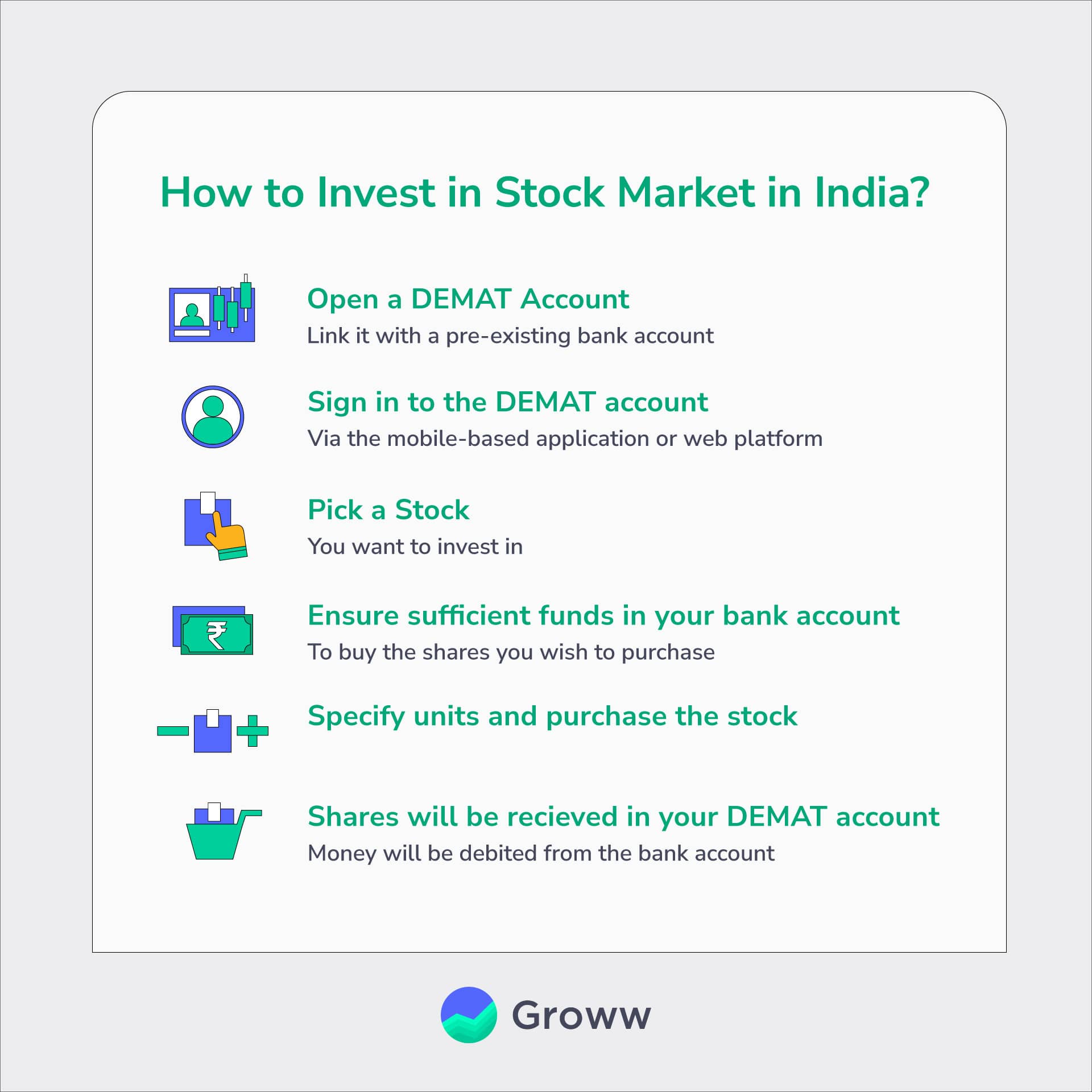
Opening an account is now as simple as opening a bank account. You will need to provide personal information, including your Social Security number (for tax purposes) and employment details. Once the account is approved, you can link your bank account to transfer funds. Many modern brokers allow for “instant deposits,” letting you trade immediately while your bank transfer clears over the next few business days.
Researching and Selecting Stocks: Beyond the Hype
With a funded account, the next challenge is deciding what to buy. With thousands of publicly traded companies, the choices can be overwhelming. Successful investing requires moving past “hot tips” and focusing on data-driven decisions.
Fundamental Analysis: Understanding the Business
Buying a stock means buying a piece of a business. Therefore, you should understand how that business makes money. Fundamental analysis involves looking at a company’s financial statements. Key metrics include:
- Revenue and Net Income: Is the company growing its sales and profits over time?
- P/E Ratio (Price-to-Earnings): This helps you understand if a stock is overvalued or undervalued relative to its peers.
- Debt-to-Equity: Does the company have a manageable amount of debt?
A company with strong fundamentals is more likely to survive economic downturns and provide long-term value.
Individual Stocks vs. ETFs and Index Funds
For many beginners, buying individual stocks like Apple or Tesla is the primary draw. However, this carries “idiosyncratic risk”—if that one company fails, your investment suffers. A more balanced approach involves Exchange-Traded Funds (ETFs) or Index Funds. These are “baskets” of stocks. For example, an S&P 500 ETF allows you to own a tiny piece of the 500 largest companies in the U.S. simultaneously. This provides instant diversification and generally lowers your overall risk.
Diversification Strategies for Beginners
The golden rule of investing is “don’t put all your eggs in one basket.” Diversification means spreading your investments across different sectors (Tech, Healthcare, Energy, Consumer Goods) and different asset classes. By diversifying, you ensure that a slump in one industry doesn’t wipe out your entire portfolio. A common strategy for beginners is a “Core and Satellite” approach: put the majority of your money (the core) into diversified index funds and a smaller portion (the satellite) into individual stocks you are passionate about.
Executing the Trade: A Step-by-Step Guide to Buying
Once you have identified a stock or fund, it is time to execute the trade. This is the moment your capital officially enters the market.
Market Orders vs. Limit Orders
When you go to the “Buy” screen in your brokerage app, you will usually see two primary options:
- Market Order: This tells the broker to buy the stock immediately at the current best available price. This is the simplest method and ensures your order is filled quickly, though the price might be slightly higher or lower than the last one you saw.
- Limit Order: This tells the broker to only buy the stock if it reaches a specific price (the “limit”). This gives you more control over the price you pay but carries the risk that the order won’t be filled if the stock price never hits your target.
Determining How Much to Invest
You don’t need thousands of dollars to start. Thanks to fractional shares, you can start with as little as $5. A popular strategy is Dollar-Cost Averaging (DCA). Instead of trying to “time the market” and buy at the absolute lowest point, you invest a fixed amount of money at regular intervals (e.g., $100 every month). When prices are high, your $100 buys fewer shares; when prices are low, it buys more. Over time, this lowers your average cost per share and removes the emotional stress of market timing.
Timing and Long-term Perspective
The best time to buy stocks was twenty years ago; the second-best time is today. While it is tempting to wait for a market crash to get a “deal,” data shows that “time in the market” is more important than “timing the market.” History suggests that the stock market trends upward over long periods, despite short-term crashes and corrections.
Post-Purchase: Managing and Reviewing Your Portfolio
Buying the stock is only the beginning. Being a successful investor requires ongoing maintenance and the discipline to stick to your plan.
Monitoring Performance and Staying Informed
You should check your portfolio periodically, but avoid the trap of checking it every hour. Daily fluctuations are noise; long-term trends are what matter. Stay informed about the companies you own by reading their quarterly earnings reports and keeping an eye on major industry news. However, be wary of “financial news fatigue,” where every minor headline feels like a reason to sell.
The Importance of Rebalancing
Over time, some of your investments will grow faster than others. This can lead to an “unbalanced” portfolio. For example, if you started with 50% stocks and 50% bonds, a big stock market rally might leave you with 70% stocks. This increases your risk. Rebalancing involves selling some of your winners and buying more of your underperformers to return to your original desired allocation. Most experts recommend rebalancing once or twice a year.
Tax Implications and Long-Term Holding
In the world of personal finance, what you keep is just as important as what you make. If you sell a stock for a profit within a year of buying it, you pay “short-term capital gains tax,” which is usually taxed at your standard income tax rate. If you hold the stock for more than a year, you qualify for “long-term capital gains tax,” which is significantly lower. This tax incentive encourages long-term investing over short-term speculation.

Conclusion
Buying stocks is one of the most effective ways to build wealth over time, but it requires patience, education, and a disciplined approach. By securing your financial foundation, choosing a reliable brokerage, conducting thorough research, and maintaining a long-term perspective, you can transform from a saver into an investor. Remember, the goal of the stock market is not to get rich overnight, but to allow your capital to work for you, compounding year after year until your financial goals become a reality. Start small, stay consistent, and let time be your greatest ally.
aViewFromTheCave is a participant in the Amazon Services LLC Associates Program, an affiliate advertising program designed to provide a means for sites to earn advertising fees by advertising and linking to Amazon.com. Amazon, the Amazon logo, AmazonSupply, and the AmazonSupply logo are trademarks of Amazon.com, Inc. or its affiliates. As an Amazon Associate we earn affiliate commissions from qualifying purchases.