
Understanding and accurately tracking calorie intake is a cornerstone of effective nutrition management, whether the goal is weight loss, muscle gain, or simply maintaining a healthy lifestyle. For decades, this process was often manual, tedious, and prone to inaccuracies, relying on food labels, lengthy calculations, and diligent diary keeping. However, in the 21st century, technology has revolutionized how we approach dietary tracking, transforming a complex task into an accessible, data-driven, and often seamless experience. This article delves into the technological landscape that now empowers individuals to precisely figure out their calorie intake, exploring the tools, strategies, and insights offered by the digital age.
The Digital Revolution in Nutrition Tracking
The journey from pen-and-paper food diaries to sophisticated digital platforms marks a significant leap in personal health management. The inherent challenges of traditional methods – the sheer volume of information to track, the difficulty in estimating portion sizes, and the time commitment – often led to inconsistency and eventual abandonment. Technology has emerged as the definitive solution, offering not just convenience but also unprecedented levels of precision and personalization.
Beyond Manual Logging: The Evolution of Food Diaries
Early attempts at dietary tracking were analog. Individuals would meticulously record every meal, snack, and beverage, often estimating quantities and manually looking up caloric values in reference books. This process was not only time-consuming but also lacked dynamism; it was difficult to quickly adjust for activity levels or see real-time progress.
The advent of personal computers brought spreadsheet-based solutions, which offered some automation for calculations but still required significant manual data entry. The true paradigm shift began with the rise of mobile computing and the internet. Suddenly, vast databases of food information, nutritional breakdowns, and serving sizes became readily available. Mobile applications leveraged this data, introducing features like barcode scanning, custom meal creation, and automatic calculation of macronutrients, moving calorie tracking from a chore to an integrated part of daily life. This evolution has made consistent tracking not just possible but practical for millions, fostering a deeper understanding of their dietary habits and their impact on health.
Accessibility and Accuracy: Why Tech Trumps Traditional Methods
One of the most profound impacts of technology on calorie tracking is the dramatic increase in accessibility and accuracy. Previously, a detailed understanding of one’s caloric needs and actual intake might have required a consultation with a nutritionist or a painstaking self-study. Today, a wealth of knowledge and practical tools are literally at our fingertips.
Mobile apps, for instance, boast extensive databases covering millions of food items, including restaurant meals and brand-specific products, often verified by nutrition experts. Barcode scanners eliminate the need for manual searching, instantly populating nutritional information. For home-cooked meals, many apps allow users to input ingredients, and the app will calculate the total nutritional value, which can then be divided by servings. This level of granular detail and immediate feedback is simply unattainable with traditional methods. Moreover, the integration of these apps with other health technologies, like smart scales and fitness trackers, further enhances accuracy by correlating food intake with actual energy expenditure, providing a more holistic and precise picture of one’s energy balance.
Essential Tech Tools for Calorie Calculation
The modern ecosystem of calorie tracking is diverse, offering a range of tools designed to cater to different needs and preferences. From the smartphone in your pocket to sophisticated kitchen gadgets, technology provides multiple entry points for accurate dietary management.
Mobile Applications: Your Pocket Nutritionist
Mobile apps are arguably the most ubiquitous and powerful tools for calorie tracking. They have transformed the smartphone into a personal nutritionist, capable of detailed logging, analysis, and guidance.
Leading apps like MyFitnessPal, Lose It!, Cronometer, and Yazio offer robust feature sets. Their core functionality revolves around massive, searchable food databases, allowing users to quickly log meals. The convenience is further enhanced by:
- Barcode scanners: Instantly adding packaged foods to your log.
- Recipe builders: Allowing users to input ingredients for home-cooked meals and calculate nutritional values per serving.
- Meal planning features: Helping users pre-plan their intake to hit specific calorie or macronutrient targets.
- Macronutrient breakdowns: Providing insights into protein, fat, and carbohydrate intake, which is crucial for balanced nutrition beyond just total calories.
- Historical data and progress tracking: Visualizing trends over time, helping users identify patterns and assess progress towards their goals.
- Community features: Offering support and motivation through social interaction.
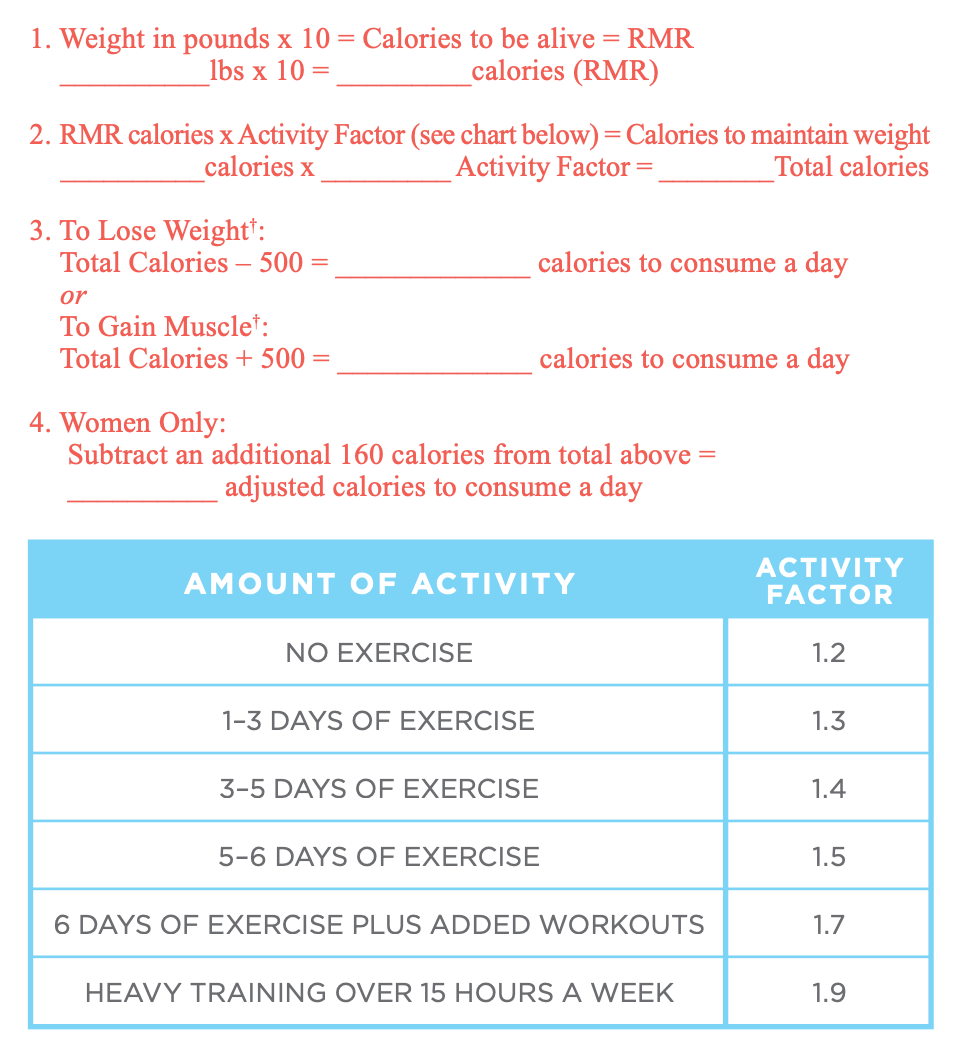
These applications leverage algorithms to estimate Basal Metabolic Rate (BMR) and Total Daily Energy Expenditure (TDEE) based on user-provided data (age, weight, height, activity level), offering a personalized daily calorie target. The combination of ease of use, comprehensive data, and analytical capabilities makes mobile applications indispensable for anyone serious about understanding and managing their calorie intake.
Smart Wearables: Passive Tracking for Active Lifestyles
Smart wearables have transcended simple step counting to become sophisticated health monitors that play a vital role in the calorie equation. Devices like the Apple Watch, Fitbit, and Garmin smartwatches continuously track various physiological metrics that indirectly contribute to calorie calculation.
Their primary contribution to calorie intake management comes from:
- Activity tracking: Quantifying physical activity, from steps walked to specific exercises, which directly impacts the “calories out” side of the energy balance equation.
- Heart rate monitoring: Providing a more accurate estimation of calories burned during exercise and throughout the day, as heart rate is a key indicator of metabolic activity.
- Sleep tracking: While not directly related to intake, sleep quality and quantity significantly influence hormones that regulate appetite and metabolism, indirectly impacting calorie consumption patterns.
- Integration with nutrition apps: Many wearables seamlessly sync data with popular nutrition tracking apps. This integration allows the nutrition app to dynamically adjust recommended calorie intake based on the user’s actual energy expenditure, offering a more precise and responsive dietary plan. For example, if a user has a particularly active day, the app might adjust their net calorie target to reflect the increased energy burned.
This passive, continuous data collection ensures that calorie targets are not static but evolve with the user’s lifestyle, leading to more realistic and effective dietary strategies.
Smart Kitchen Gadgets: Precision at Your Fingertips
While mobile apps and wearables focus on tracking and expenditure, smart kitchen gadgets bring precision to the very source of calorie intake: food preparation. These devices are designed to remove much of the guesswork associated with portion control and ingredient measurement.
- Smart Food Scales: These are perhaps the most direct contributors. Unlike traditional scales, smart scales often connect to mobile apps via Bluetooth, automatically logging the weight of ingredients into your nutrition tracker. Many also have built-in databases to calculate the nutritional value of specific foods based on their weight, ensuring highly accurate calorie counts for raw ingredients and homemade dishes.
- Smart Blenders and Food Processors: Some advanced blenders and food processors now come with integrated scales and connectivity. They can weigh ingredients as you add them and, when linked to an app, provide real-time nutritional breakdowns for smoothies or prepared meals.
- Smart Ovens and Cooking Appliances: While less directly involved in calorie counting, smart ovens can ensure consistent cooking temperatures and times, which can affect the nutrient density and caloric output of certain foods (e.g., precise cooking of lean meats). Some might even offer recipe guidance with pre-calculated nutritional facts.
These gadgets are particularly beneficial for those who cook frequently at home, providing a level of accuracy in ingredient measurement that significantly reduces errors in calorie estimation.
Leveraging AI and Data for Personalized Calorie Management
The true power of technology in calorie tracking extends beyond mere logging. With the advancements in artificial intelligence and big data analytics, these tools are becoming increasingly intelligent, offering personalized insights and predictive capabilities that were once the exclusive domain of professional dietitians.
Predictive Analytics: Understanding Your Body’s Needs
AI algorithms can analyze vast amounts of user data – including historical food intake, activity levels, weight fluctuations, and even genetic predispositions (if provided) – to identify patterns and predict future outcomes. This goes beyond simple calorie targets, moving towards understanding how an individual’s body responds to different types and quantities of food.
- Adaptive Calorie Targets: Instead of a static goal, AI can dynamically adjust daily calorie recommendations based on observed weight changes and activity. If weight loss stalls, the AI might suggest a slight reduction; if energy levels are low, it might recommend an increase, all while learning from the user’s unique metabolic responses.
- Macro-nutrient Ratio Optimization: AI can analyze which macronutrient ratios lead to better satiety, energy levels, or performance for an individual, suggesting optimal protein, fat, and carbohydrate distributions within the overall calorie budget.
AI-Powered Recommendations: Optimizing Intake for Goals
Beyond prediction, AI can offer proactive, intelligent recommendations tailored to specific goals, be it weight loss, muscle gain, or improving athletic performance.
- Meal and Recipe Suggestions: Based on dietary preferences, allergies, and calorie/macronutrient targets, AI can suggest recipes or even full meal plans. Some advanced systems can even factor in ingredients you already have on hand to minimize waste.
- Behavioral Nudging: AI can identify common pitfalls in a user’s eating habits (e.g., late-night snacking, skipping breakfast) and provide timely nudges or alternative suggestions to help break unhealthy patterns.
- Nutrient Gap Identification: By comparing logged intake against recommended daily allowances, AI can pinpoint potential nutrient deficiencies and suggest foods or supplements to address them.
Integrating Data Streams: A Holistic View of Health
The most powerful aspect of modern calorie management technology is its ability to integrate data from multiple sources. When a nutrition app pulls data from a smart scale (weight), a fitness tracker (activity, sleep, heart rate), and even smart kitchen appliances (precise ingredient measurement), it creates a comprehensive, holistic view of an individual’s health and energy balance.
This integrated approach allows AI to:
- Correlate various health metrics: For example, linking poor sleep with increased calorie intake the next day, or identifying how different types of exercise impact subsequent food cravings.
- Provide highly personalized feedback: The more data points an AI has, the more accurate and relevant its insights and recommendations become. This shifts calorie counting from a purely numerical exercise to a powerful tool for understanding the complex interplay between diet, activity, and overall well-being.
- Enable longitudinal analysis: Tracking trends over weeks, months, or even years provides invaluable insights into long-term habits and their effects, allowing for sustainable adjustments to dietary strategies.
Setting Up Your Tech Ecosystem for Calorie Tracking Success
While the array of available technology can seem daunting, setting up an effective tech ecosystem for calorie tracking doesn’t have to be complicated. It’s about selecting tools that align with your lifestyle and ensuring they work together harmoniously.
Choosing the Right Tools: Matching Tech to Your Lifestyle
The first step is to assess your needs and current habits.
- For beginners: A robust mobile app like MyFitnessPal or Lose It! is an excellent starting point due to its ease of use and comprehensive food database.
- For active individuals: A smart wearable (Fitbit, Apple Watch) that integrates with your chosen nutrition app will be crucial for accurate energy expenditure tracking.
- For home cooks: A smart food scale is invaluable for precise ingredient measurement, dramatically improving the accuracy of calorie counts for homemade meals.
- For those seeking deep insights: Consider apps that emphasize micronutrient tracking (like Cronometer) and allow for integration with a wider range of health metrics.
Prioritize tools that offer a good user interface, reliable data, and strong community support if that motivates you. Don’t feel pressured to acquire every gadget; start with one or two key pieces of technology and expand as needed.
Synchronization and Integration: Building a Seamless Workflow
The true magic happens when your chosen tech tools communicate with each other. Look for apps and devices that support open APIs or have established partnerships for data sharing.
- Link your fitness tracker to your nutrition app: This is fundamental for dynamic calorie targets based on your actual activity levels. Most major apps and wearables have built-in integrations.
- Connect smart scales to your nutrition app: This automates the logging of precise food weights, streamlining the process of recording meals.
- Consider a central health platform: Many smartphone operating systems (e.g., Apple Health, Google Fit) act as central hubs, aggregating data from various apps and devices, providing a unified dashboard of your health metrics. This reduces manual data entry and offers a holistic view.
A seamless workflow minimizes friction, making consistent tracking easier and more sustainable. The less effort required to log data, the more likely you are to stick with it.
Data Interpretation and Goal Adjustment: Turning Insights into Action
Having all this data is only useful if you can interpret it and act upon the insights.
- Regularly review your progress: Most apps provide charts and graphs visualizing your calorie intake, macronutrient distribution, and weight trends. Look for patterns. Are you consistently overeating on certain days? Are you consistently under-consuming protein?
- Adjust targets based on results: If your weight loss or gain isn’t progressing as expected, use the data to make informed adjustments to your calorie targets or macronutrient ratios. The beauty of tech is the ability to course-correct in real-time.
- Pay attention to how you feel: While numbers are important, listen to your body. Are you energetic? Satisfied? Constantly hungry? Use your subjective experience to complement the objective data and fine-tune your approach.
- Leverage AI insights: If your chosen apps offer AI-driven recommendations, pay attention to them. They are designed to help you optimize your intake based on your unique data.
The goal is not just to count calories but to understand the relationship between what you eat, how you move, and how your body responds, using technology as your guide to achieving your health and fitness objectives.
Challenges and Best Practices in Tech-Assisted Calorie Counting
While technology has made calorie tracking infinitely easier and more accurate, it’s not without its nuances and potential pitfalls. Awareness of these challenges and adherence to best practices can maximize the benefits of these powerful tools.
Accuracy Limitations and Manual Adjustments
No technology is perfectly infallible, and calorie tracking still requires a degree of human judgment.
- Food Database Variations: While extensive, not all app databases are perfectly accurate or complete. Generic entries for “chicken breast” might differ slightly from a specific brand’s nutritional information. Cross-referencing or relying on verified entries is crucial.
- Restaurant Meals: Estimating calories for restaurant dishes remains challenging, as portion sizes and cooking methods can vary wildly. Many apps offer restaurant-specific entries, but these are often averages. When in doubt, err on the side of overestimation or choose simpler, less processed options.
- Homemade Meals: While smart scales help with raw ingredients, cooked food can be tricky. Accurate division of total calories by the number of servings is essential. Cooking methods (e.g., adding oil) must be accounted for.
- Exercise Calorie Burn: Wearables estimate calorie expenditure based on algorithms and physiological data. While generally accurate, individual metabolic rates can vary. Treat these numbers as good estimates rather than absolute truths.
Best Practice: Develop an intuitive sense of portion sizes over time. When in doubt, use a food scale for accuracy, especially for calorically dense foods. Be consistent in your logging method to ensure comparable data.
Data Privacy and Security Considerations
Calorie tracking apps collect a significant amount of personal health data, including highly sensitive information about your diet, weight, and activity.
- Understand Privacy Policies: Before committing to an app, read its privacy policy to understand how your data is collected, stored, used, and shared.
- Strong Passwords and Two-Factor Authentication: Protect your accounts with strong, unique passwords and enable two-factor authentication whenever possible to prevent unauthorized access.
- Data Sharing Settings: Be mindful of in-app settings that allow data sharing with third-party apps or for research purposes. Opt-out if you are uncomfortable.
Best Practice: Choose reputable apps from well-known developers with strong security track records. Be selective about what personal information you share.

Avoiding Over-Reliance: The Human Element in Nutrition
While technology is an incredible enabler, it should not replace intuitive eating or a holistic understanding of nutrition.
- Obsessive Tracking: Constant, meticulous tracking can lead to an unhealthy obsession with numbers, anxiety around food, or disordered eating patterns for some individuals. The goal is health and sustainability, not perfection.
- Ignoring Hunger/Satiety Cues: Over-reliance on numerical targets can cause individuals to override their body’s natural hunger and satiety signals. Learning to listen to your body is as important as tracking calories.
- Focusing Solely on Calories: While calories are key for energy balance, nutrient density, food quality, and the psychological aspects of eating are equally vital for overall health. A calorie from a whole food is not metabolically identical to a calorie from highly processed junk food.
Best Practice: Use technology as a tool for guidance and awareness, not as a strict dictator. Periodically take breaks from tracking if you feel overwhelmed. Focus on building sustainable habits and understanding the quality of your food choices, not just the quantity.
In conclusion, technology has undeniably transformed the landscape of calorie intake management, offering unprecedented accessibility, accuracy, and personalized insights. By intelligently leveraging mobile apps, smart wearables, and kitchen gadgets, individuals can gain a profound understanding of their dietary habits and effectively work towards their health and fitness goals. However, as with any powerful tool, conscious usage, an awareness of its limitations, and a commitment to holistic health principles are essential for harnessing its full potential responsibly and sustainably.
aViewFromTheCave is a participant in the Amazon Services LLC Associates Program, an affiliate advertising program designed to provide a means for sites to earn advertising fees by advertising and linking to Amazon.com. Amazon, the Amazon logo, AmazonSupply, and the AmazonSupply logo are trademarks of Amazon.com, Inc. or its affiliates. As an Amazon Associate we earn affiliate commissions from qualifying purchases.