
In an increasingly health-conscious world, understanding what we consume is paramount. For decades, the process of calculating food calories was a tedious, often inaccurate, manual endeavor. It involved poring over nutrition labels, consulting hefty food composition books, and diligently logging every morsel by hand. Today, however, technology has completely transformed this landscape, making calorie calculation more accessible, precise, and integrated into our daily lives than ever before. From sophisticated apps to smart kitchen gadgets and the burgeoning power of Artificial Intelligence, technology is not just simplifying calorie tracking; it’s redefining our relationship with food and nutrition. This article delves into how technological advancements have become indispensable tools in our quest for better dietary management, exploring the evolution, key tools, underlying AI, and future potential of digital calorie calculation.
The Evolution of Calorie Tracking: From Manual Logs to Digital Dominance
The journey of calorie counting mirrors the broader technological progression of society, moving from cumbersome, error-prone methods to sleek, highly integrated digital solutions. Understanding this evolution helps appreciate the magnitude of the shift.
Early Methods: The Pen, Paper, and Calorie Book Era
Before the digital age, calorie counting was a truly analog affair. Individuals keen on tracking their intake relied heavily on printed resources. Calorie books provided extensive lists of common foods and their estimated caloric content, often requiring users to weigh portions or make visual estimations. This was a painstaking process: logging each ingredient, looking up its value, performing manual arithmetic, and then summing up daily totals. The inherent challenges were numerous: outdated information, generalized values that didn’t account for preparation methods, and the sheer human effort required, which often led to inconsistency and eventual abandonment. Accuracy was largely dependent on dedication and meticulousness, factors not always sustainable for most individuals.
The Dawn of Digital: Spreadsheets and Basic Software
The advent of personal computers marked a significant turning point. Early adopters began leveraging spreadsheet software like Microsoft Excel to create personalized food logs. While still requiring manual data entry, spreadsheets offered automated calculations, making the summation process far more efficient. Specialized desktop software also emerged, pre-loaded with databases of nutritional information. These programs provided a more structured approach than paper logs, often including features for meal planning and simple graphical representations of intake. However, these tools were tied to a desktop environment, limiting their utility to moments spent in front of a computer, making real-time tracking during meals or on the go impractical. Despite these limitations, they laid the groundwork for the more advanced, accessible solutions that would soon follow.
Mobile Revolution: Calorie Counting at Your Fingertips
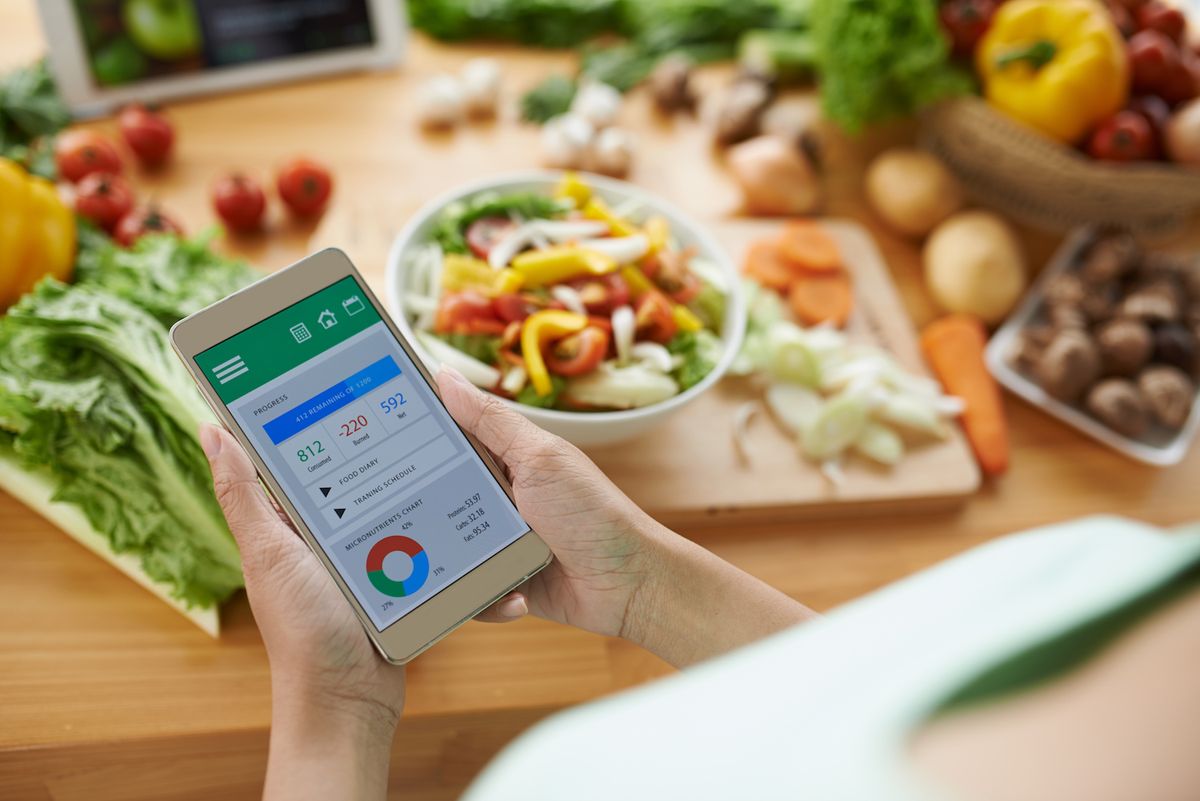
The explosion of smartphones and mobile internet connectivity truly democratized calorie tracking. Suddenly, powerful computing and vast databases became accessible anytime, anywhere. Mobile applications like MyFitnessPal, LoseIt!, and Cronometer revolutionized the process. These apps feature extensive, continuously updated food databases, often including brand-specific items and restaurant meals. Key innovations include barcode scanners that instantly pull up nutritional information, making logging packaged foods incredibly fast. Users can log meals in seconds, track macronutrients (proteins, fats, carbs), and even visualize their progress with intuitive dashboards. This era transformed calorie counting from a chore into an integrated lifestyle tool, enabling immediate feedback and fostering greater accountability. The convenience and ubiquity of mobile apps have made them the dominant force in modern calorie calculation.
Key Technological Tools for Accurate Calorie Calculation
The current landscape of calorie calculation is rich with diverse technological tools, each offering unique features to enhance accuracy, convenience, and user engagement. These innovations move beyond simple logging to provide comprehensive nutritional insights.
Nutrition Tracking Apps: Your Digital Dietitian
At the forefront are sophisticated nutrition tracking applications. These apps have evolved into comprehensive platforms, offering far more than just calorie counts.
- Extensive Food Databases: Apps like MyFitnessPal boast millions of food items, including user-generated content, international foods, and specific brand products, often with verified data. This allows for highly specific logging.
- Barcode Scanning: A game-changer for speed and accuracy, barcode scanners eliminate manual searching for packaged foods.
- Recipe Builders: Users can input ingredients for homemade meals, and the app will automatically calculate the nutritional breakdown per serving.
- Macro and Micronutrient Tracking: Beyond calories, these apps often provide detailed insights into protein, fat, carbohydrates, fiber, and even specific vitamins and minerals, helping users understand the quality of their diet.
- Goal Setting and Progress Tracking: Users can set weight goals, daily calorie targets, and track their progress over time with graphs and reports, often including integration with activity trackers.
Smart Kitchen Gadgets: Precision on Your Countertop
The kitchen itself is becoming a hub of smart technology designed to aid in calorie calculation.
- Smart Scales: These scales go beyond simply measuring weight. Many can connect to apps via Bluetooth, automatically logging the weight of ingredients. Some advanced models can even estimate the calorie content of specific foods placed on them, often by linking to a database.
- Food Scanners and Analyzers: Emerging devices use spectroscopic technology to analyze the composition of food placed upon them, providing real-time data on calories, fats, proteins, and carbohydrates. While still in nascent stages for consumer use, these promise unprecedented accuracy, reducing reliance on generic database entries.
- Smart Blenders and Food Processors: Some high-tech blenders integrate with apps to provide nutritional breakdowns of smoothies and other recipes based on the ingredients added, offering a seamless way to track liquid intake.
Wearable Technology: Integrating Activity with Intake
Wearable devices have bridged the gap between energy intake and energy expenditure, providing a holistic view of an individual’s caloric balance.
- Fitness Trackers (e.g., Fitbit, Garmin, Apple Watch): These devices continuously monitor physical activity, heart rate, and often sleep patterns. They use this data to estimate calories burned throughout the day, providing a crucial counterpart to calorie intake data.
- Seamless Integration with Nutrition Apps: Many wearable devices sync directly with popular nutrition tracking apps. This allows users to see their net calorie balance—calories consumed minus calories burned—in a single dashboard, offering a more complete picture of their energy metabolism. This integration is vital for individuals aiming for weight loss, maintenance, or gain, as it highlights the interplay between diet and exercise.
Leveraging AI and Advanced Algorithms for Enhanced Accuracy
The next frontier in calorie calculation is being shaped by Artificial Intelligence and sophisticated algorithms, moving beyond simple database lookups to offer truly intelligent and personalized insights.
AI-Powered Food Recognition: The Future of Logging

One of the most exciting developments is the application of AI to food recognition.
- Image-Based Logging: Instead of manually searching for foods, users can simply snap a picture of their meal. AI algorithms analyze the image, identifying ingredients, estimating portion sizes, and retrieving nutritional information from vast databases. This technology, present in apps like Lose It! or FoodAI, drastically reduces the time and effort required for logging, addressing a major barrier to consistent tracking.
- Ingredient and Recipe Analysis: Advanced AI can deconstruct complex dishes, identifying individual components and their approximate quantities, even for homemade meals where exact measurements aren’t known. This represents a significant leap from relying solely on pre-defined database entries.
Predictive Analytics and Personalized Nutrition
AI’s ability to process and learn from vast datasets enables a highly personalized approach to nutrition.
- Tailored Dietary Recommendations: By analyzing a user’s logged intake, activity levels, health goals, and even biometric data (if available), AI can provide personalized meal suggestions, dietary adjustments, and even predict the impact of certain food choices on health outcomes.
- Identifying Patterns and Trends: AI algorithms can spot subtle patterns in eating habits that might be missed by human observation, such as consistent overeating at certain times or nutrient deficiencies, allowing for proactive interventions. This goes beyond simple calorie counting to offer actionable intelligence for long-term health.
Big Data and Food Databases: The Foundation of Precision
The accuracy of AI and smart tools is fundamentally reliant on the quality and breadth of the underlying data.
- Vast and Dynamic Databases: Companies and research institutions are continually building and refining massive databases of food composition, incorporating data from official sources, scientific studies, and even user contributions. These databases are the backbone that allows AI to accurately identify foods and retrieve their nutritional profiles.
- Machine Learning for Data Refinement: Machine learning algorithms are employed to constantly update and improve the accuracy of these databases, identifying discrepancies, filling in gaps, and learning from new nutritional information as it becomes available. This iterative process ensures that the information used for calorie calculation remains as precise and current as possible, accommodating regional variations, new food products, and evolving dietary science.
The Benefits and Challenges of Tech-Driven Calorie Calculation
While technology has undeniably advanced the field of calorie calculation, it comes with both profound advantages and inherent challenges that users and developers must navigate.
Advantages: Convenience, Accuracy, and Motivation
The benefits of tech-driven calorie calculation are multi-faceted:
- Unparalleled Convenience: The ability to log food instantly via a smartphone, often with barcode scanning or photo recognition, removes much of the friction associated with traditional methods. This ease of use significantly increases adherence rates.
- Enhanced Accuracy: Access to vast, continuously updated databases, coupled with features like recipe builders and smart scales, leads to more precise caloric and nutritional tracking compared to manual estimations. Wearables also provide a more accurate picture of energy expenditure.
- Motivation and Engagement: Many apps incorporate gamification, progress tracking, and social features (e.g., sharing achievements, community support) that keep users motivated and engaged with their health goals. Visual representations of progress can be powerful motivators.
- Insightful Data: Beyond simple calorie counts, technology provides detailed breakdowns of macronutrients, micronutrients, and trends over time, offering invaluable insights into dietary patterns and helping users make informed choices for specific health objectives.
Challenges: Data Privacy, User Error, and Over-reliance
Despite the advantages, technological solutions are not without their drawbacks:
- Data Privacy and Security: Nutritional data is highly personal. Concerns exist regarding how companies store, use, and protect this sensitive information. Users must be diligent in understanding privacy policies.
- User Error and Misinformation: While technology aims for accuracy, human error in logging (e.g., incorrect portion sizes, selecting the wrong food item) can still lead to skewed data. Furthermore, user-generated entries in databases can sometimes contain inaccuracies, though many platforms have verification processes.
- Risk of Obsession and Unhealthy Relationships with Food: For some, the hyper-focus and constant tracking can lead to an unhealthy preoccupation with numbers, fostering anxiety around food or even contributing to disordered eating patterns rather than promoting balanced nutrition.
- Over-reliance and Lack of Intuition: Excessive reliance on apps might diminish an individual’s ability to intuitively understand portion sizes or make healthy food choices without technological assistance. The goal should be education and empowerment, not dependence.
Accessibility and Inclusivity in Nutritional Tech
A critical consideration is the accessibility of these advanced tools:
- Digital Divide: Access to smartphones, reliable internet, and smart kitchen gadgets is not universal. This can create a “digital divide” where those who could benefit most from nutritional guidance (e.g., low-income communities facing food insecurity) might not have access to these sophisticated tools.
- Complexity and User Experience: While many apps strive for simplicity, some can be overwhelming for users less familiar with technology.
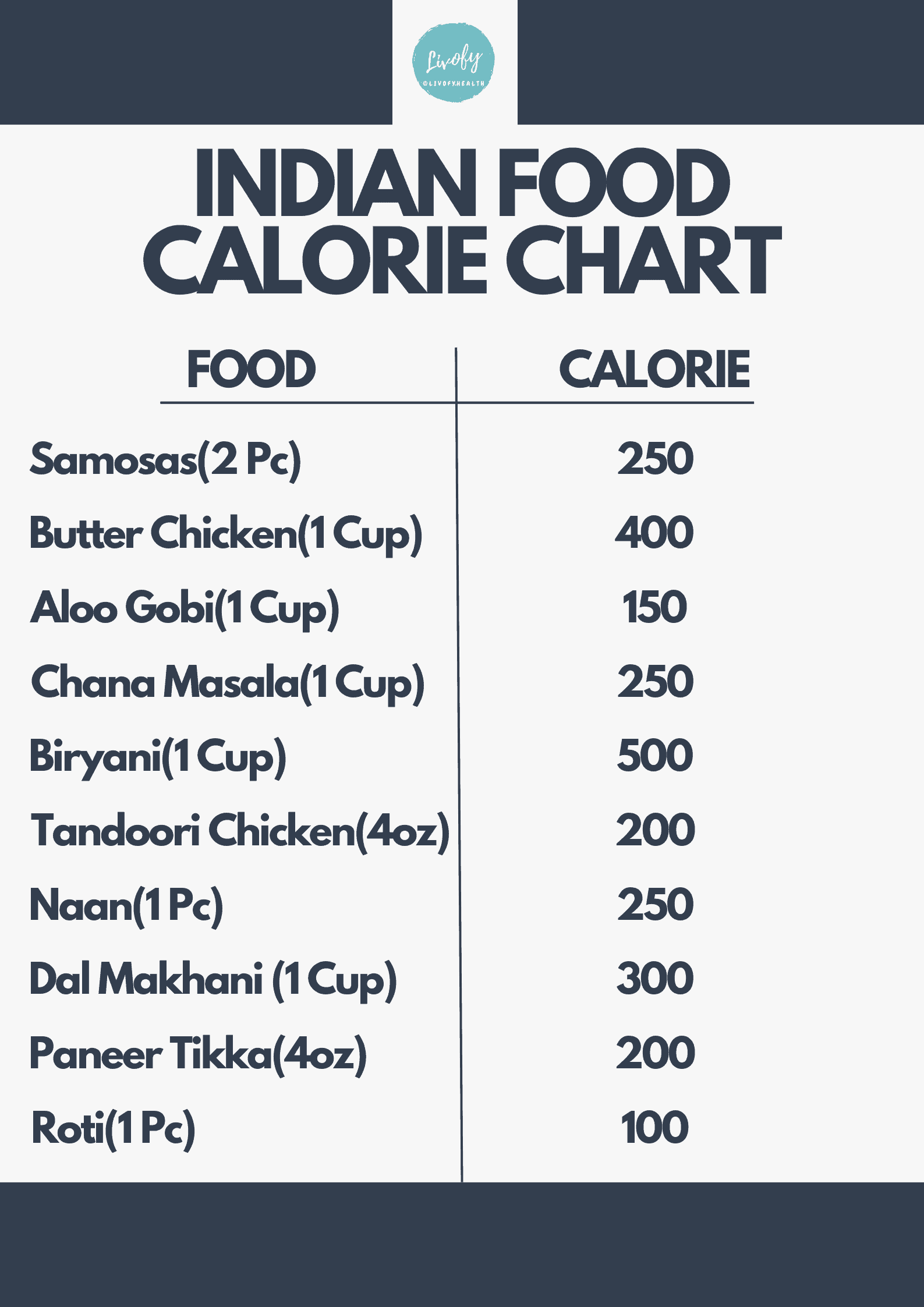
- Cultural and Dietary Diversity: Databases, especially those primarily focused on Western diets, may lack comprehensive information for diverse cultural cuisines, making accurate logging challenging for a significant portion of the global population. Addressing these disparities is crucial for equitable health outcomes.
The Future Landscape of Food Calorie Tracking Technology
The rapid pace of technological innovation suggests an even more integrated, intelligent, and potentially transformative future for food calorie calculation, moving towards truly seamless and personalized nutritional management.
Seamless Integration: Smart Homes and Connected Health
The trend towards interconnected ecosystems will profoundly impact how we track calories.
- Smart Kitchens: Imagine refrigerators that scan their contents, recommend recipes based on available ingredients, and automatically log the nutritional content of prepared meals. Smart pantry systems could track inventory and even suggest grocery lists tailored to nutritional goals.
- Integrated Health Platforms: Calorie tracking will likely become a core component of broader connected health platforms that integrate data from wearables, medical devices, electronic health records, and even genetic information. This holistic view will enable highly personalized health management strategies.
- Automated Meal Planning and Delivery: AI could automatically generate weekly meal plans aligned with user goals, preferences, and pantry inventory, even ordering groceries or integrating with meal delivery services.
Non-Invasive Sensing and Real-Time Feedback
The holy grail of nutritional tracking involves less manual input and more real-time, passive sensing.
- Advanced Biometric Sensors: Future wearables might incorporate sensors capable of non-invasively measuring blood glucose, amino acids, or other metabolic markers in real-time. This could allow for instantaneous feedback on how specific foods impact an individual’s unique physiology, moving beyond generic calorie counts.
- “Invisible” Tracking: Research is underway for technologies that could track food intake without any active user interaction, perhaps through advanced cameras that identify food items as they are consumed or even through physiological responses. While ethically complex, such developments could offer unprecedented insights.
Augmented Reality and Gamified Nutritional Education
The future will also likely leverage immersive technologies for education and engagement.
- Augmented Reality (AR) Nutrition Overlays: Imagine pointing your phone at a plate of food and an AR overlay instantly displays its calorie count, macronutrient breakdown, and highlights healthy or less healthy components. This could make nutritional information intuitive and engaging.
- Immersive Gamified Learning: AR and virtual reality (VR) experiences could transform nutritional education, allowing users to explore the impact of different foods on the body in an interactive, game-like environment, fostering deeper understanding and promoting healthy habits in an enjoyable way.
In conclusion, technology has undeniably moved food calorie calculation from a niche, laborious activity to an accessible, sophisticated, and increasingly intelligent aspect of modern health management. From the pioneering mobile apps that put nutrition data in our pockets to the predictive power of AI and the seamless integration promised by smart homes, the journey has been remarkable. As these technologies continue to evolve, they hold the potential not just to count calories, but to fundamentally reshape our understanding of diet, personalize our approach to nutrition, and empower individuals to lead healthier, more informed lives. The challenge, as always, will be to harness these powerful tools responsibly, ensuring they serve as aids to well-being rather than sources of undue stress or inequity.
aViewFromTheCave is a participant in the Amazon Services LLC Associates Program, an affiliate advertising program designed to provide a means for sites to earn advertising fees by advertising and linking to Amazon.com. Amazon, the Amazon logo, AmazonSupply, and the AmazonSupply logo are trademarks of Amazon.com, Inc. or its affiliates. As an Amazon Associate we earn affiliate commissions from qualifying purchases.